There are cities that introduce themselves gradually, and then there is Hanoi revealing itself most clearly through its streets. Here, food does not wait to be discovered inside enclosed spaces. It exists openly, woven into sidewalks, corners, and morning rhythms. In this context, Hanoi street food becomes more than a collection of dishes; it becomes a way of understanding how the city lives, moves, and remembers. To explore this further, the following locations offer a closer look at some of the city’s most recognizable street food environments.
Table of Contents
A city defined by its streets
Where everyday life and food intersect
In Hanoi, the boundary between daily life and dining is almost invisible. Vendors set up along narrow pavements, small stools gather around low tables, and meals unfold within the flow of the street. People do not pause their day to eat, they eat within it.
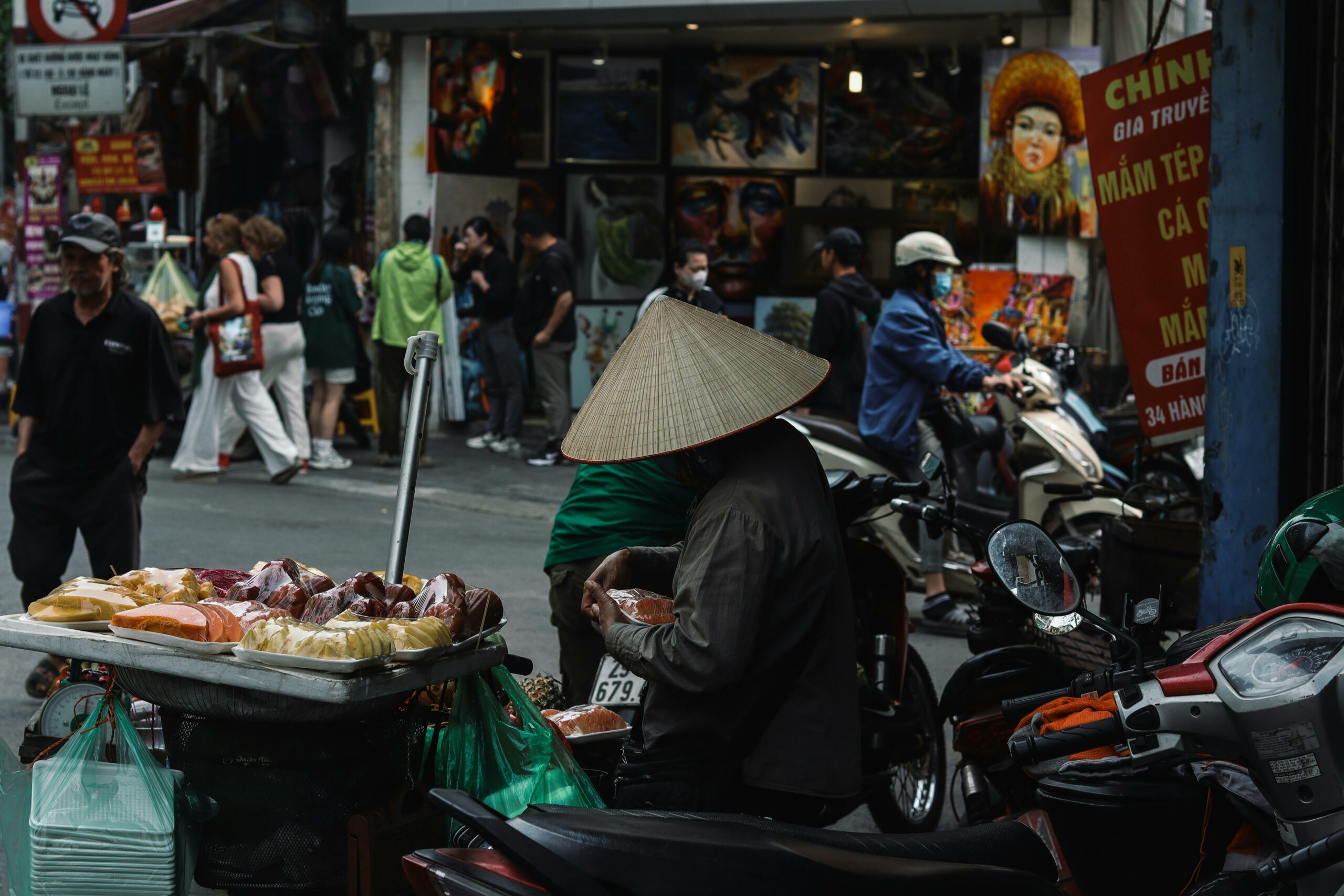
This immediacy shapes the character of the food itself. Dishes are prepared quickly, served simply, and consumed without ceremony. Yet within this apparent simplicity lies a quiet precision, built on repetition, memory, and an intuitive understanding of balance.
A rhythm that shapes flavor
Time plays a subtle but important role in Hanoi street food. Certain dishes appear only in the early hours, while others emerge later in the day. This rhythm creates a natural structure, not imposed, but followed where food aligns with the pace of the city. Rather than offering endless choice, the streets offer what is appropriate for that moment. In doing so, they reinforce a way of eating that is guided by context rather than convenience.
Simplicity as a culinary language
Minimal Ingredients, Maximum Clarity
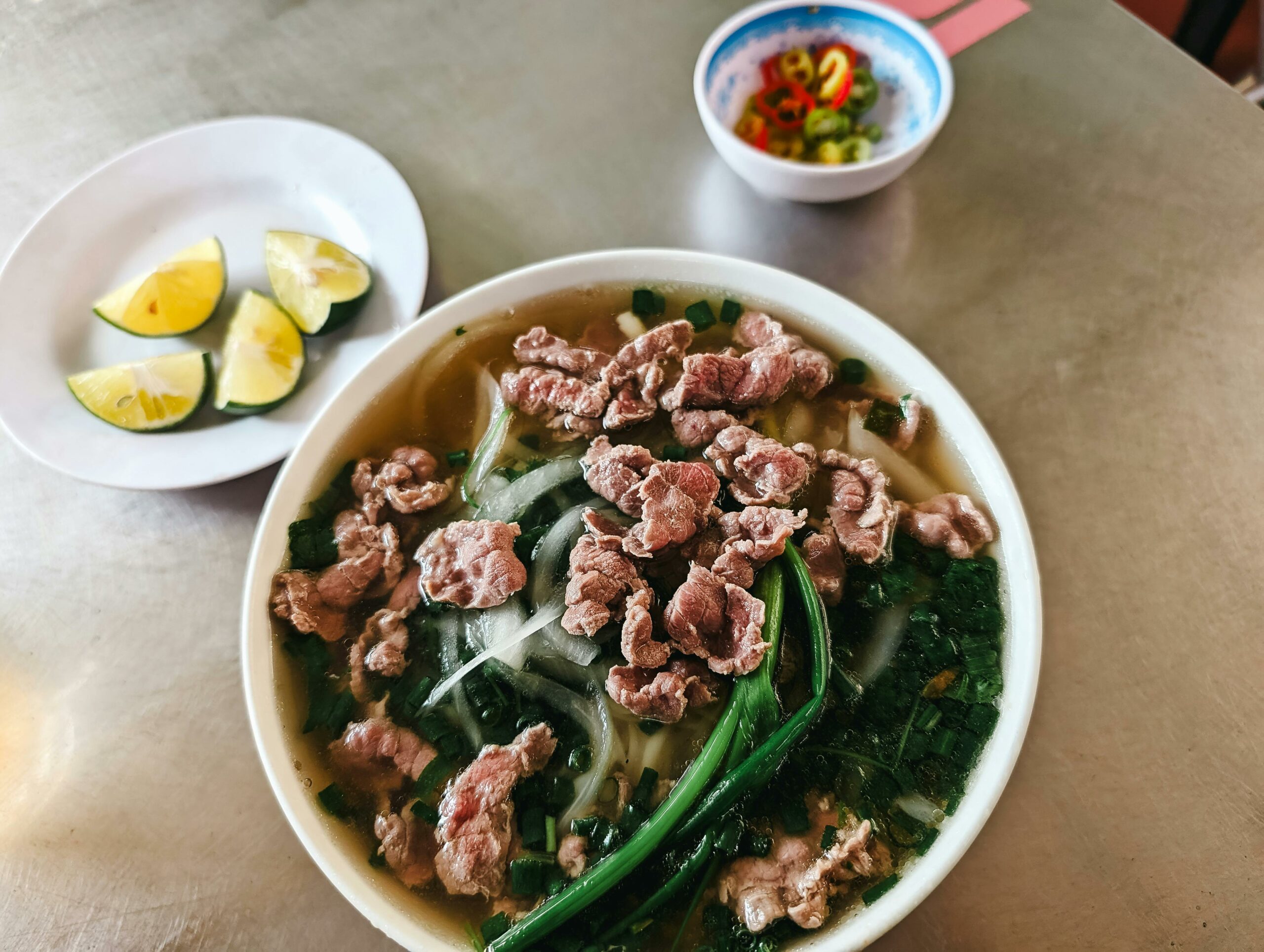
At first glance, many street food dishes appear uncomplicated. Ingredients are often limited, preparation methods straightforward, and presentation minimal. Yet this simplicity is deliberate.
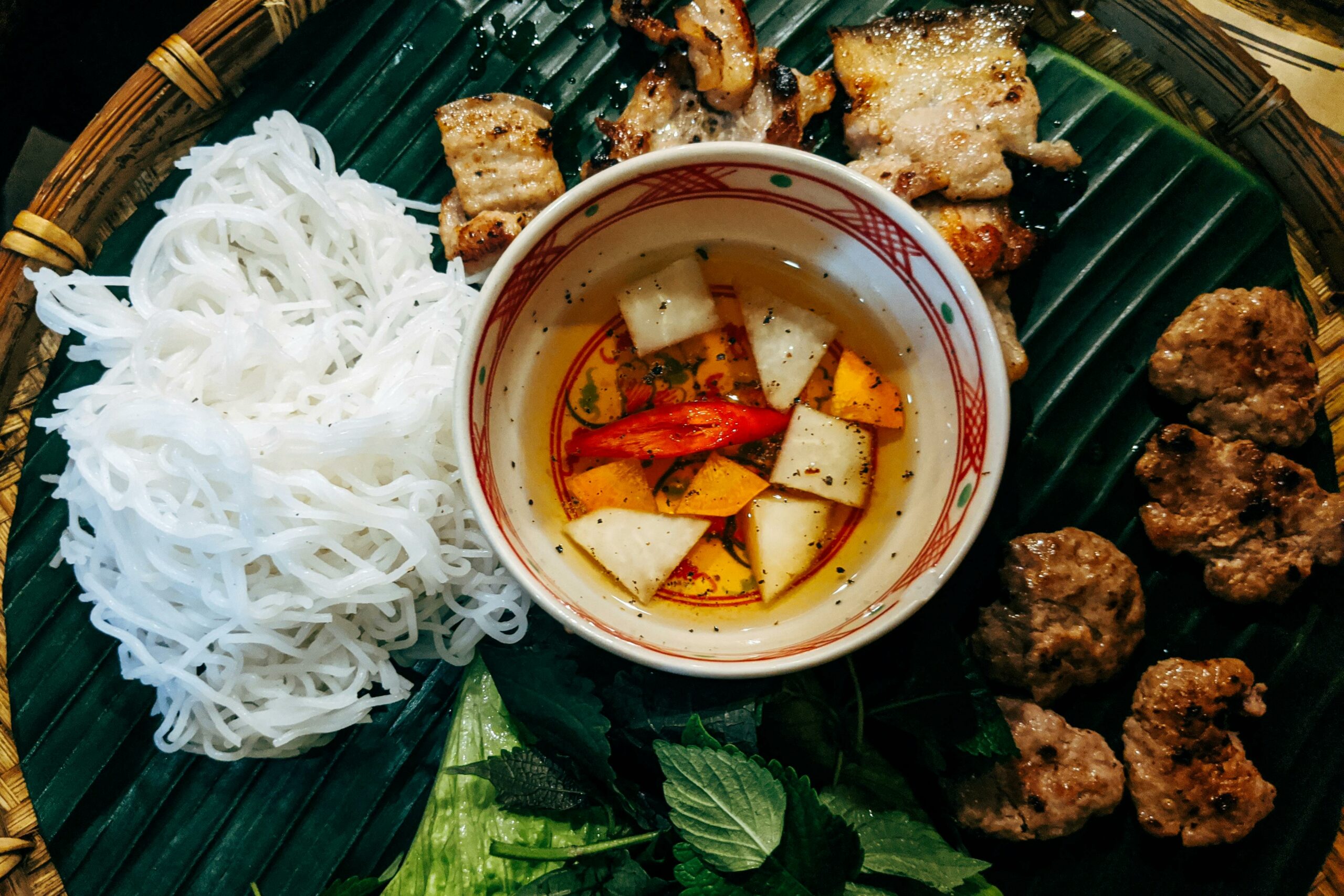
Cooks rely on a small number of elements, allowing each component to remain clear and distinct. Flavors are not layered to overwhelm, but arranged to coexist creating a sense of balance that feels both natural and complete.
Technique Rooted in Repetition
What defines these dishes is not complexity, but consistency. Vendors repeat the same processes daily, refining small details over time. This repetition builds an instinctive understanding of heat, timing, and proportion. As a result, even the simplest dish carries a level of precision that cannot be easily replicated elsewhere.
Where Hanoi street food finds its form
Across Hanoi, street food does not belong to a single location. Instead, it emerges through specific corners of the city, each shaped by its own rhythm, history, and way of gathering. These places are not defined by scale or visibility, but by continuity.
Old Quarter Streets (Phố Cổ Hà Nội)
Within the Old Quarter, street food unfolds in its most immediate form. Narrow streets such as Ta Hien or Hang Buom host a constant flow of movement, where vendors prepare dishes in close proximity to the people who consume them. Here, the experience feels compressed like sounds, aromas, and textures overlap, creating a dense yet familiar environment.
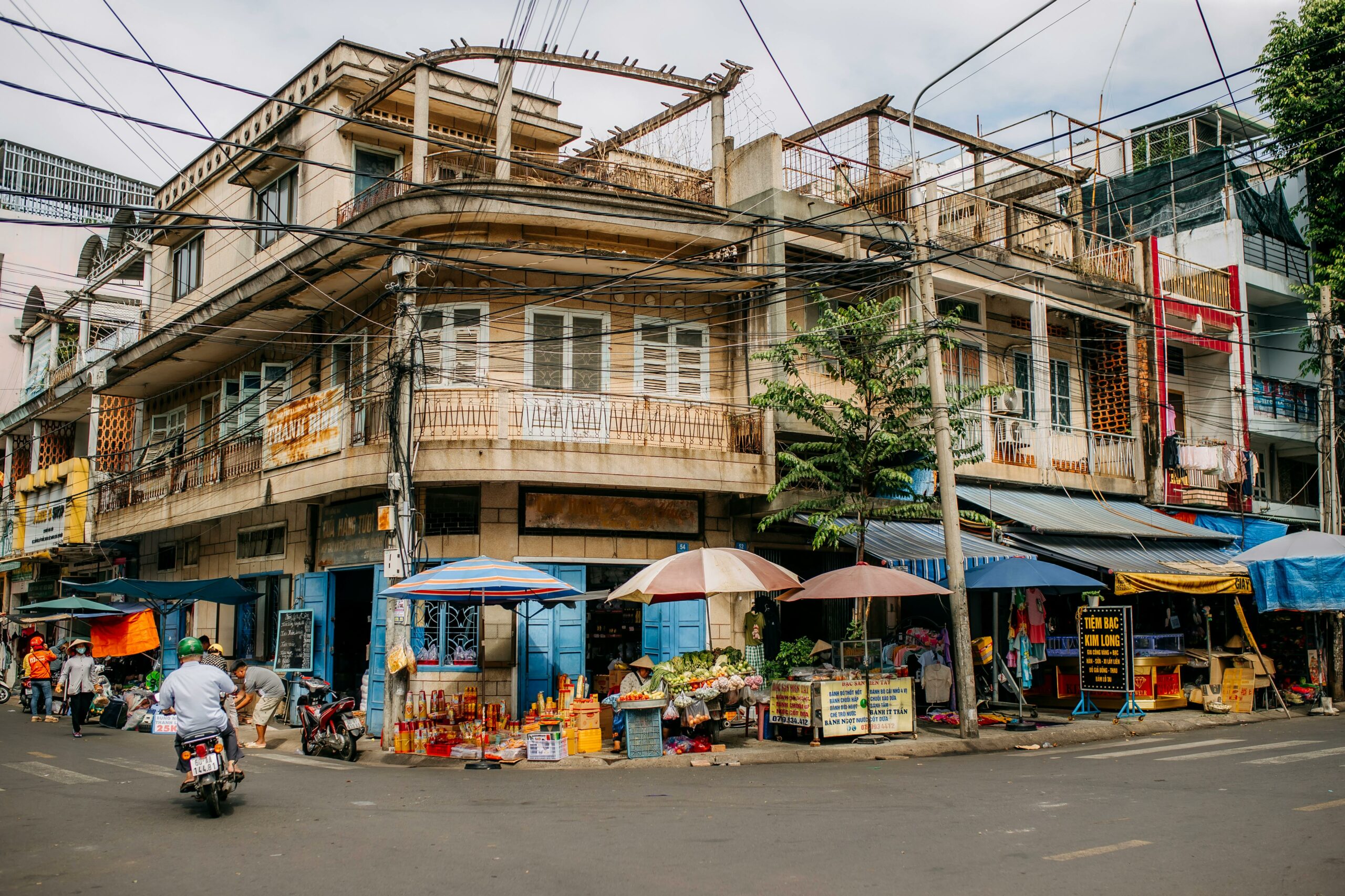
The food reflects this energy that you can feel direct, balanced, and shaped by repetition. Dishes to notice here often include pho, bun cha, and banh mi, staples that define Hanoi street food through their clarity and balance.
Dong Xuan Market
As one of Hanoi’s central markets, Dong Xuan gathers a wide range of street food within a single space. Vendors operate side by side, each specializing in a particular dish, forming a collective expression of Vietnamese food culture. Rather than standing out individually, these dishes exist in relation to one another.
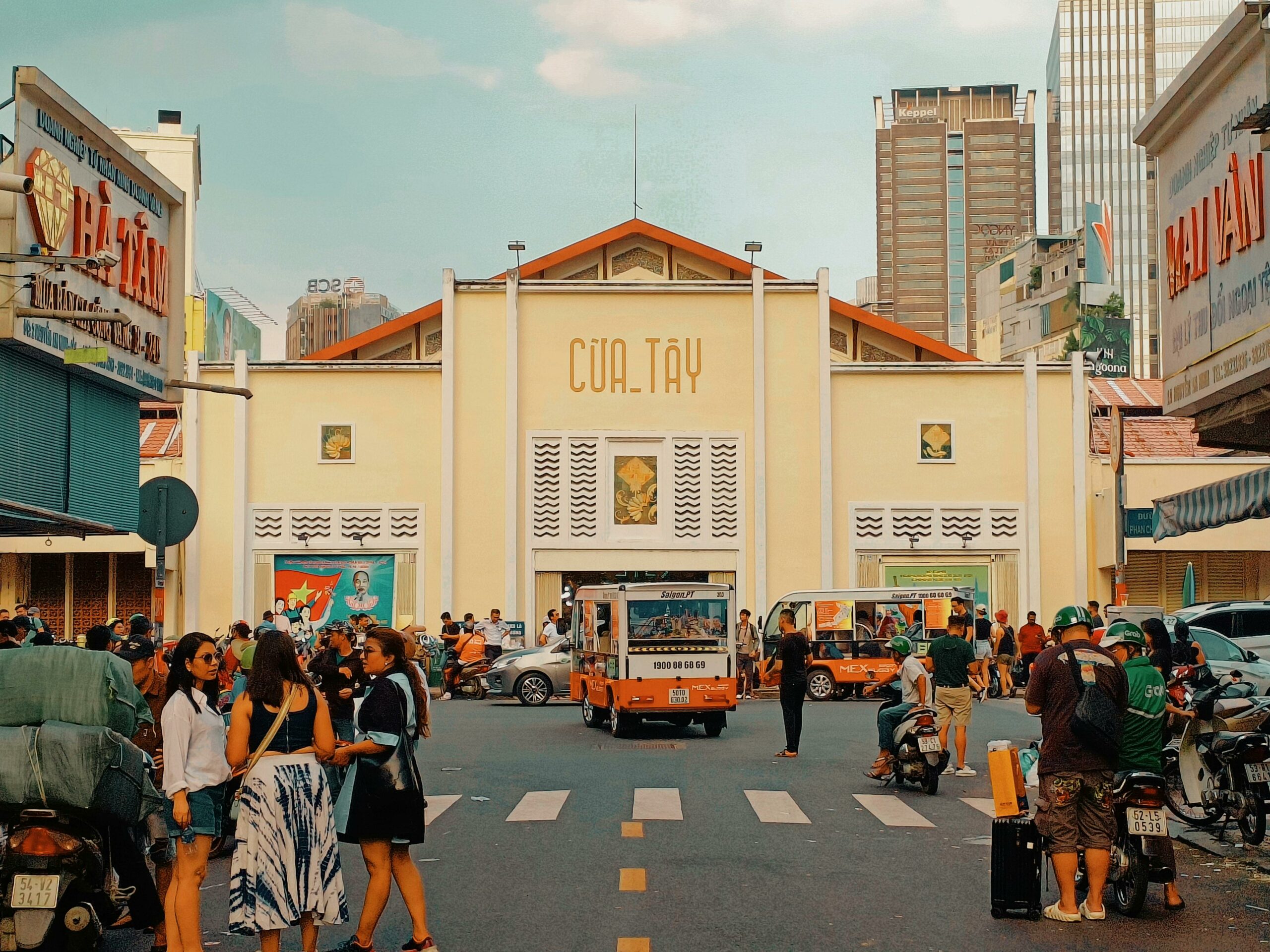
The experience becomes less about selection, and more about observation how different elements coexist within a shared setting. Here, one might encounter dishes such as bun rieu, banh cuon, and sticky rice variations, each reflecting a different aspect of traditional Vietnamese food.
West Lake Area
Around West Lake, the atmosphere shifts. Street food here feels more open, shaped by wider spaces and a slower pace. Vendors often serve dishes that allow for a longer, more relaxed experience, where the surroundings play a more visible role.
This change in environment influences not only how food is consumed, but how it is perceived less immediately, yet equally grounded. Common choices in this area include banh tom Ho Tay, grilled seafood, and light noodle dishes that complement the openness of the setting.
Long Bien Bridge Vicinity
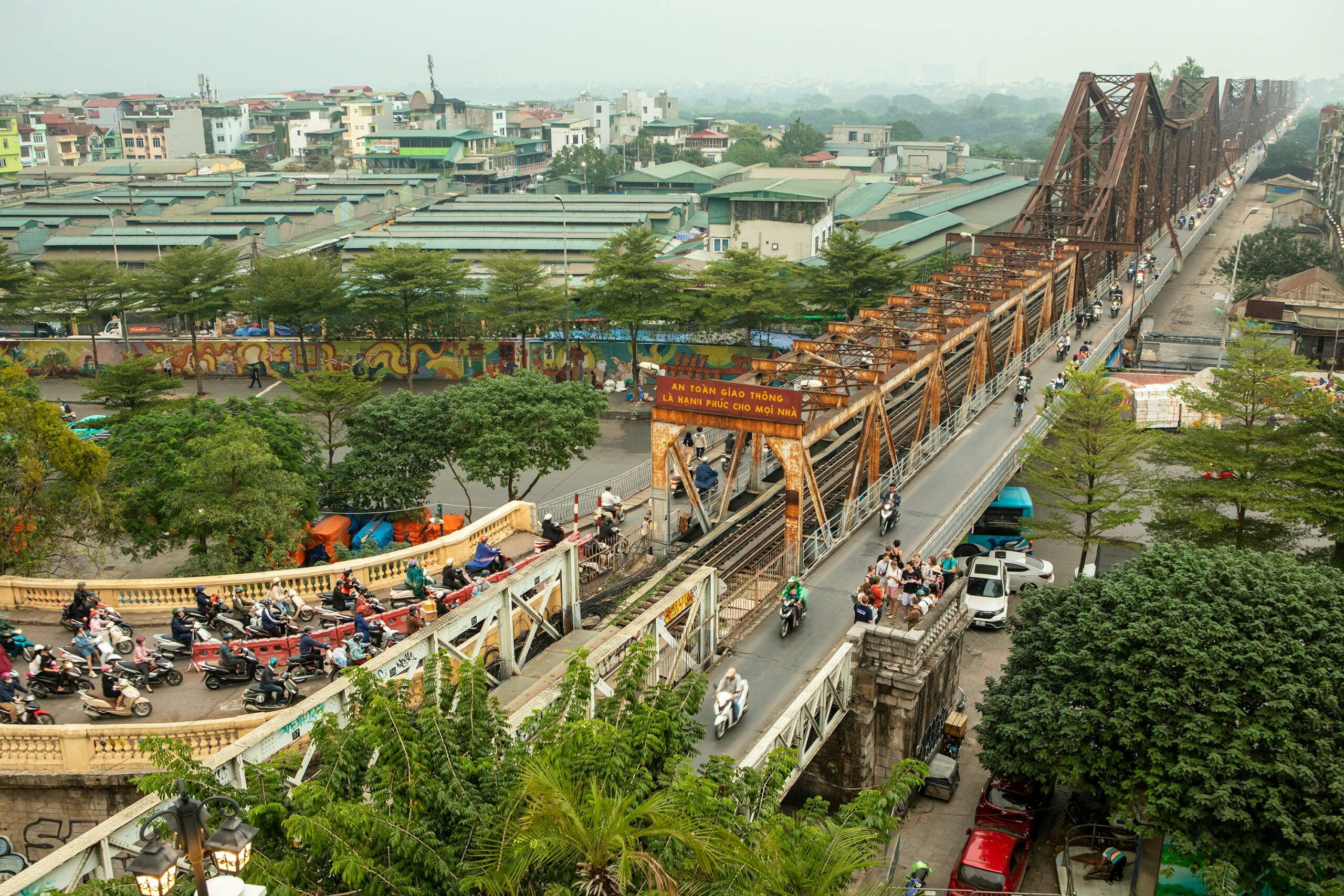
Near Long Bien Bridge, street food exists within a quieter, more reflective context. Early morning markets and small vendors operate alongside the movement of the city, creating a space where food and routine intersect. The experience here feels less performative and more observational as a reminder that street food is not always about visibility, but about continuity. Dishes found here often include simple morning offerings such as xoi, banh gio, and fresh seasonal fruits, reflecting the rhythm of daily life.
The sanctuary of fried fermented pork in Hang Bong Market
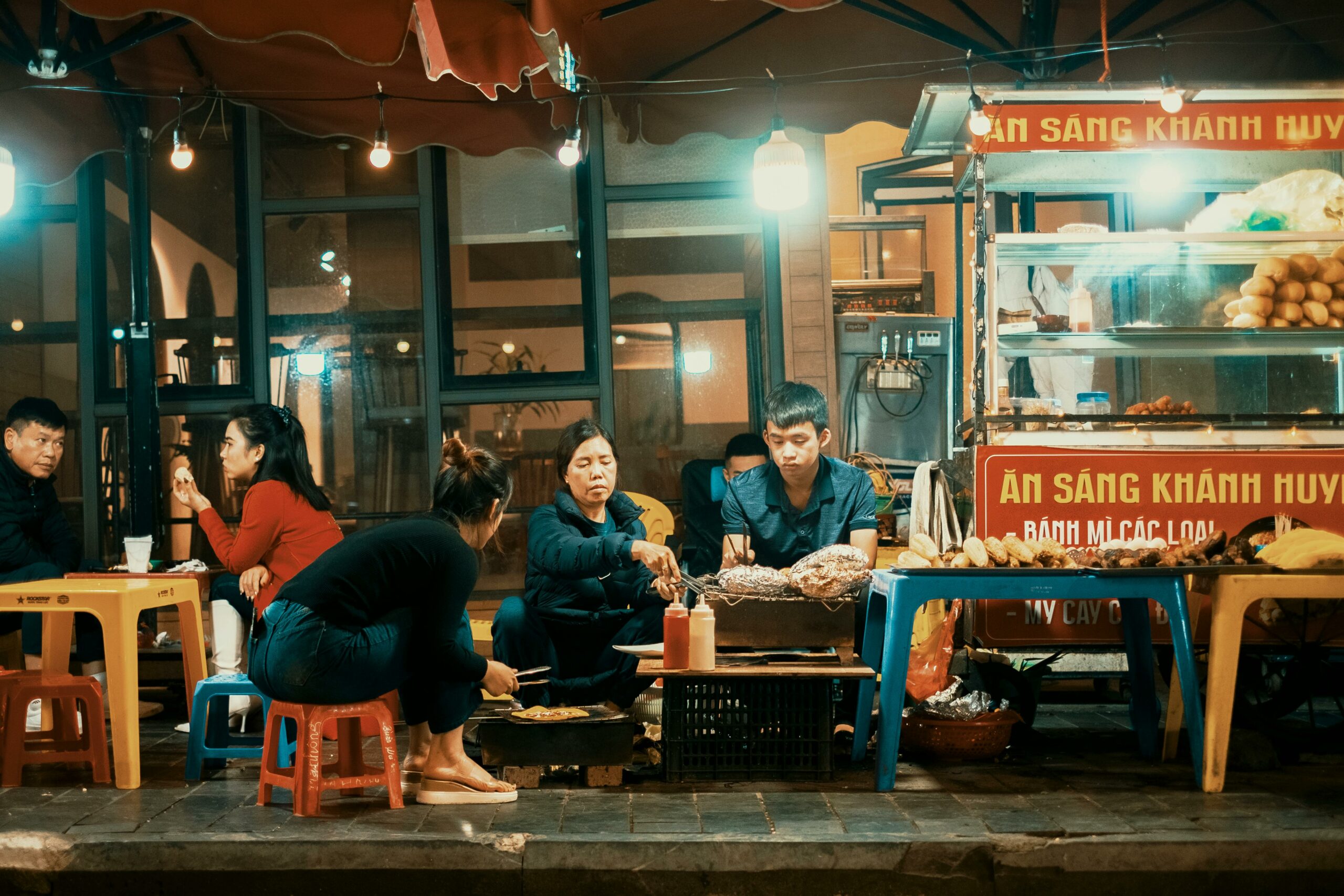
While Hang Bong street is known as a bustling commercial artery of the Old Quarter, its hidden gem Tam Thuong Alley serves as a cultural microcosm of Hanoi’s “alleyway cuisine.” And, this is the definitive sanctuary of fried fermented pork. The architecture of the alley, characterized by its narrow passages and ancient walls, forces a communal dining experience. Diners sit on low plastic stools, creating an atmosphere of intimacy and egalitarianism that is central to Hanoian street culture. Eating in Tam Thuong offers a glimpse into the resilient “ngõ nhỏ” (small alley) lifestyle that has defined Hanoi for centuries.
The non-sleeping gastronomic artery in Tong Duy Tan Street
Unlike many traditional markets that close at dusk, Tong Duy Tan thrives under the neon lights. As Hanoi’s most famous “food street,” it serves as a bridge between generations where elders seeking traditional herbal remedies sit alongside Gen Z and international travelers looking for a late-night feast.
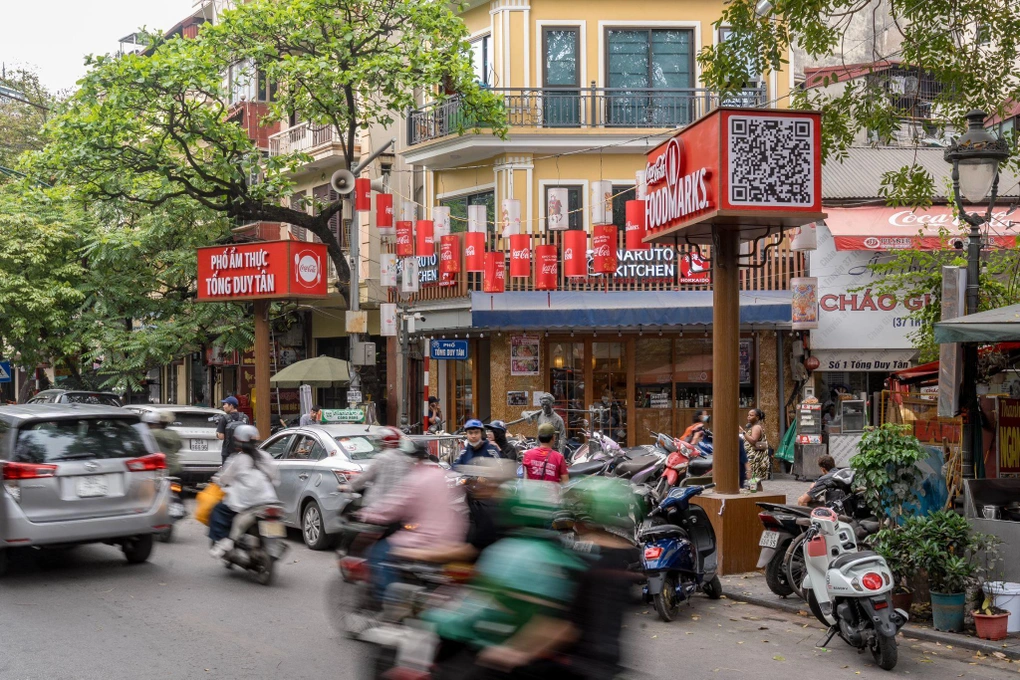
Going to Tong Duy Tan Street, you can try a Black-bone chicken that is slow-simmered in cans with medicinal herbs and mugwort until the meat is fall-off-the-bone tender. In addition, Fried Rice with Braised Chicken (Cơm đảo gà rang) staple featuring wok-tossed rice and savory, ginger-infused chicken, providing comfort to the night-shift workers and late-night revelers alike.
Contemporary interpretations within the city
Beyond these traditional settings, elements of Hanoi street food begin to appear in more considered environments. Rather than replicating specific dishes, contemporary kitchens draw from their structure and philosophy. In this transition, the focus shifts toward clarity, balance, and intention offering a different way to engage with familiar ideas while remaining connected to their origins.
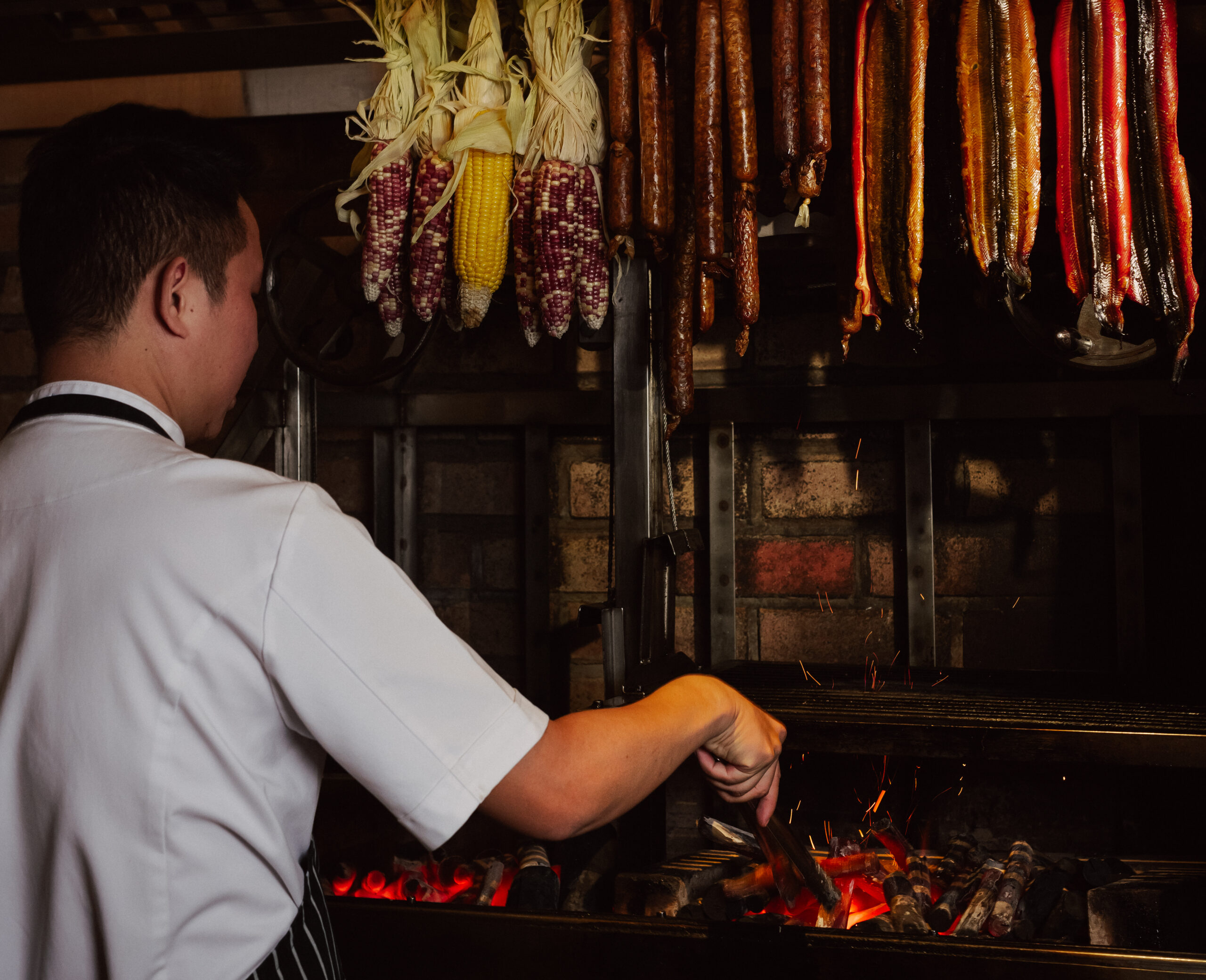
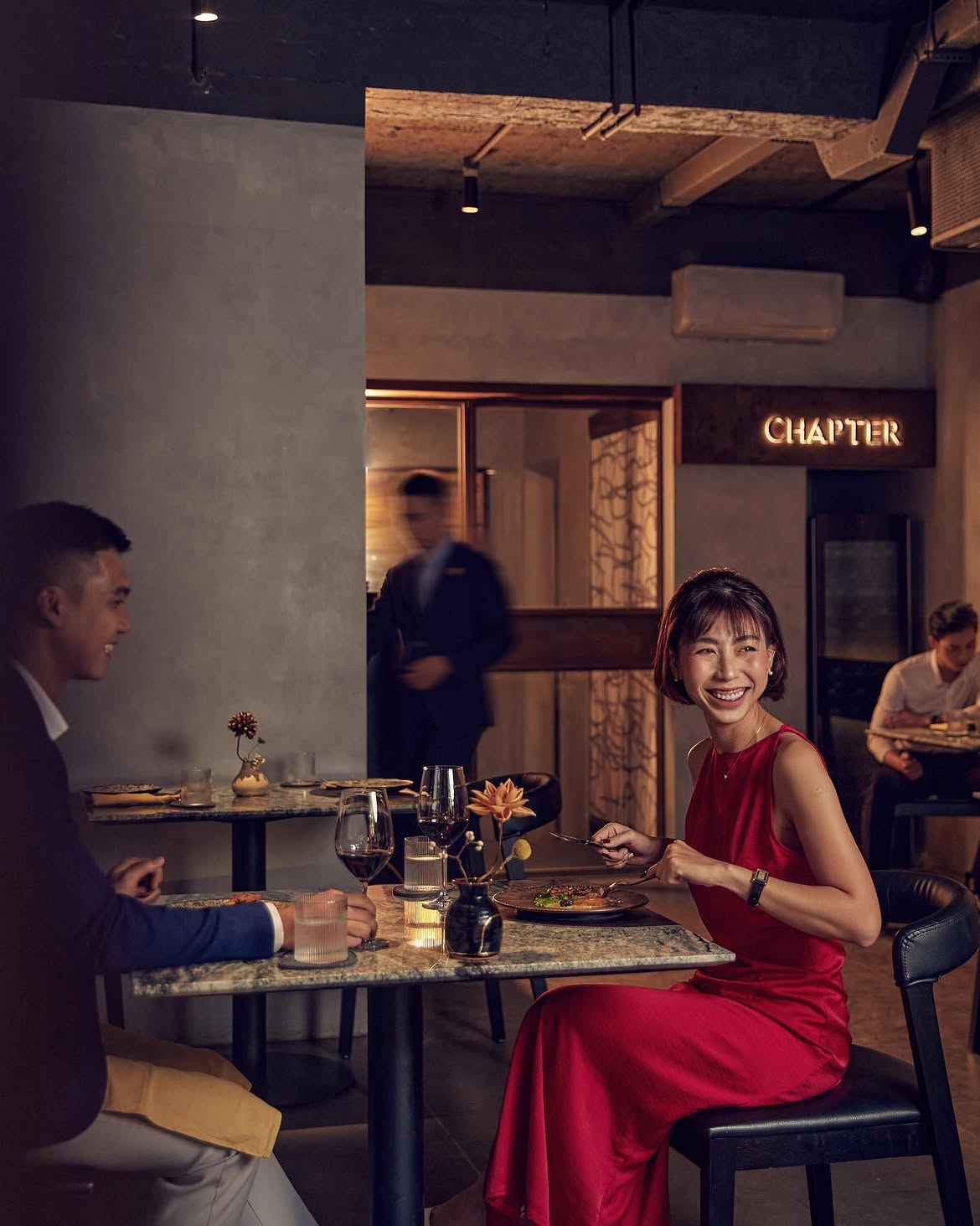
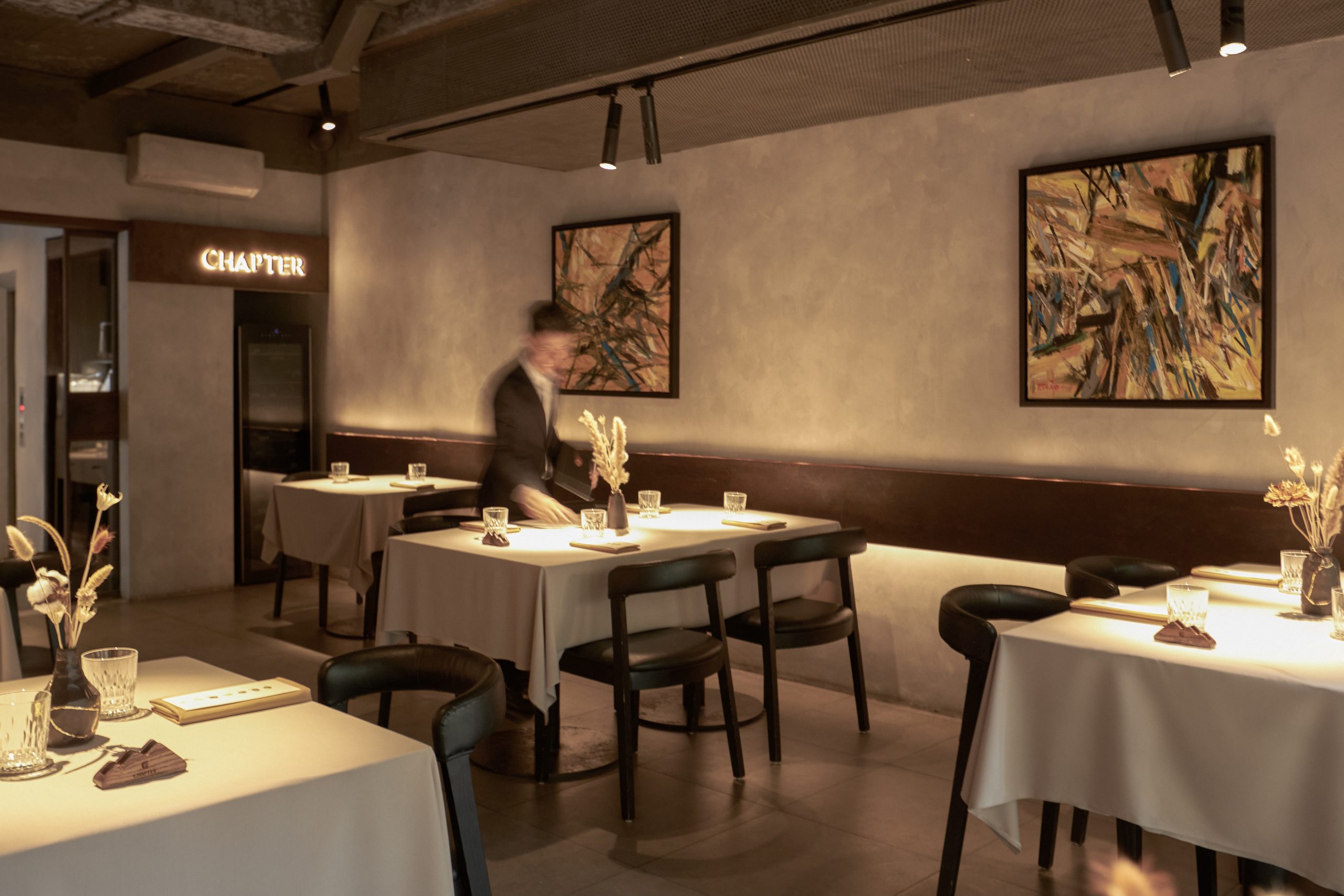
In certain contemporary tasting spaces, such as Chapter, this approach takes on a more deliberate form. Here, familiar elements drawn from Hanoi street food such as herbs, textures, and foundational techniques are not reproduced, but carefully reinterpreted within a more composed and reflective dining experience.
The role of memory in Hanoi street food
Familiarity as experience
For many, Hanoi street food is not just about taste, but about memory. The flavors remain consistent over time, allowing dishes to act as markers of experience, something familiar in a city that continues to evolve. People return not only for the food itself, but for the continuity it provides. The experience becomes less about discovery, and more about recognition.
Hanoi street food as cultural continuity
In this way, street food contributes to a broader sense of cultural identity. Recipes are passed down, techniques preserved, and habits maintained through daily practice. Rather than existing as a static tradition, these dishes continue to evolve subtly, adapting to changing circumstances while retaining their core identity.
Experiencing Hanoi through its food
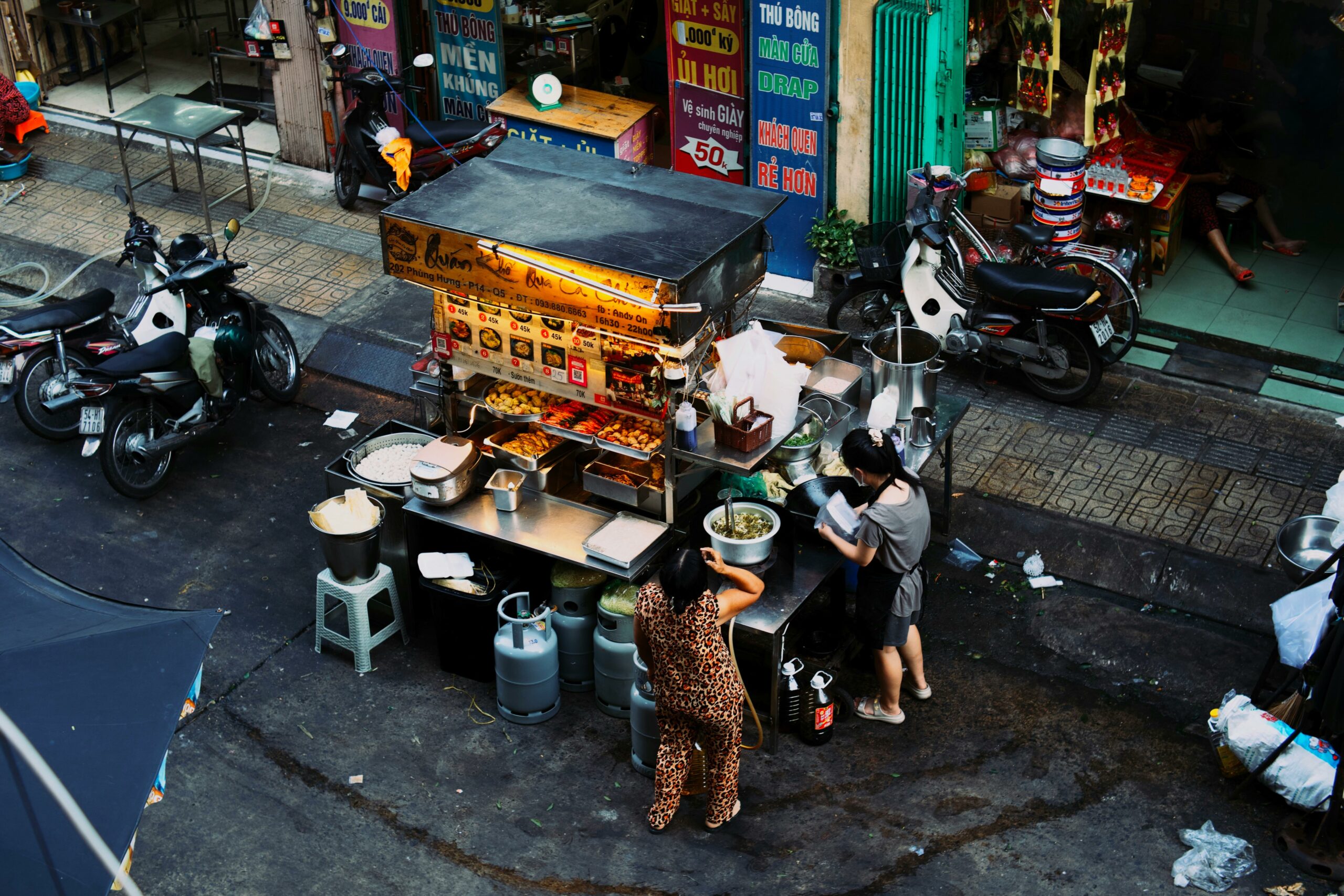
To experience Hanoi fully is to understand how its food exists within the city, not apart from it. Street food does not demand attention, but it integrates itself into daily life, becoming part of the environment rather than separate from it. This integration creates a dining experience that feels immediate, unfiltered, and deeply connected to place.
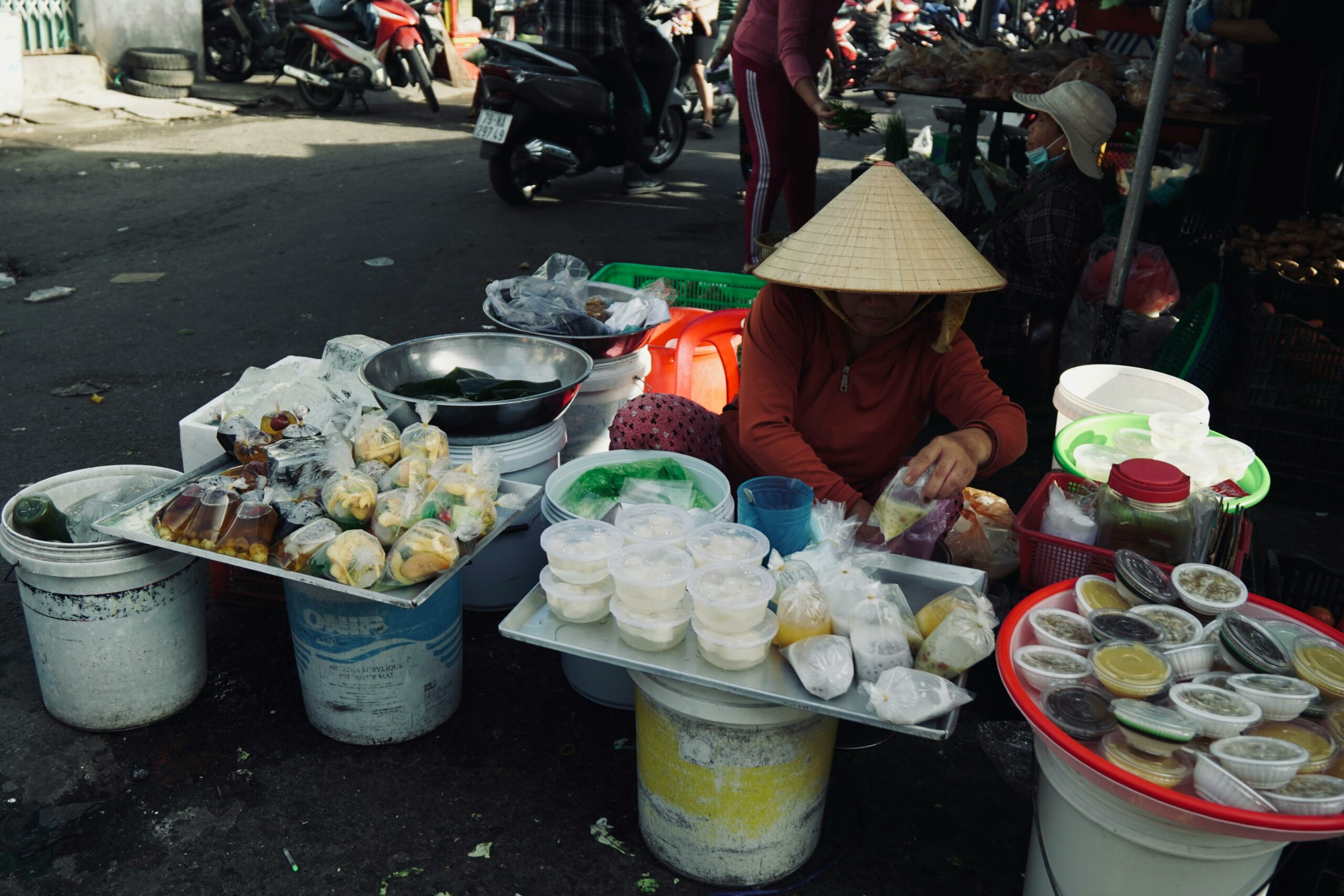
Hanoi street food may appear simple, but its depth lies in what it chooses not to show. It does not rely on spectacle or reinvention. Instead, it builds meaning through repetition, memory, and context.
Over time, these qualities allow it to move beyond its immediate setting, not by changing its identity, but by revealing it more clearly. In doing so, Hanoi offers a perspective on food that is both grounded and evolving, shaped as much by everyday life as by culinary intention.
_________
Chapter Dining
12C Chan Cam, Hoan Kiem, Hanoi
Mon – Sat from 18:00 – 23:00
Tel: +84 333 201 221 – Reserve a table
Email: reservation@chapter.vn