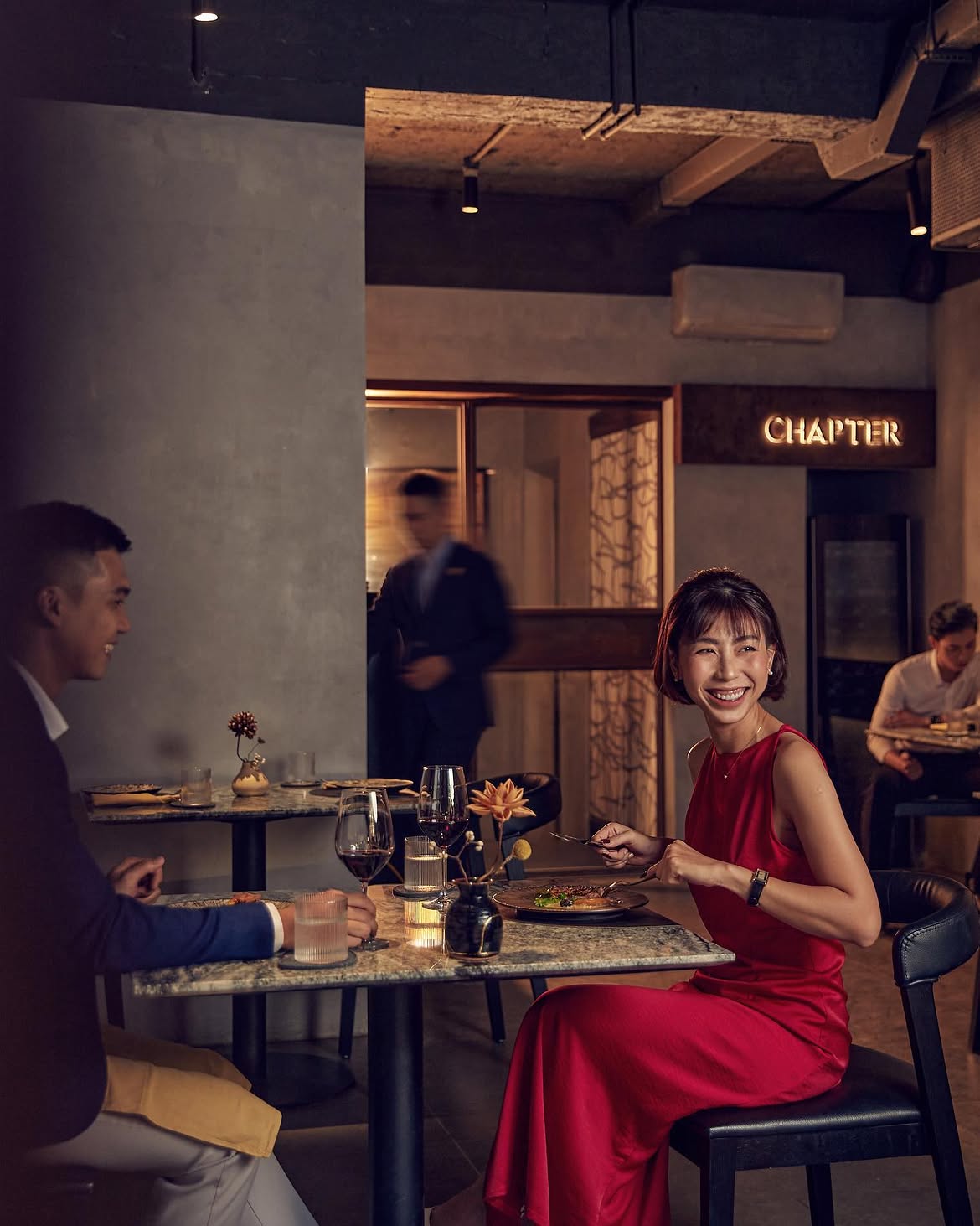
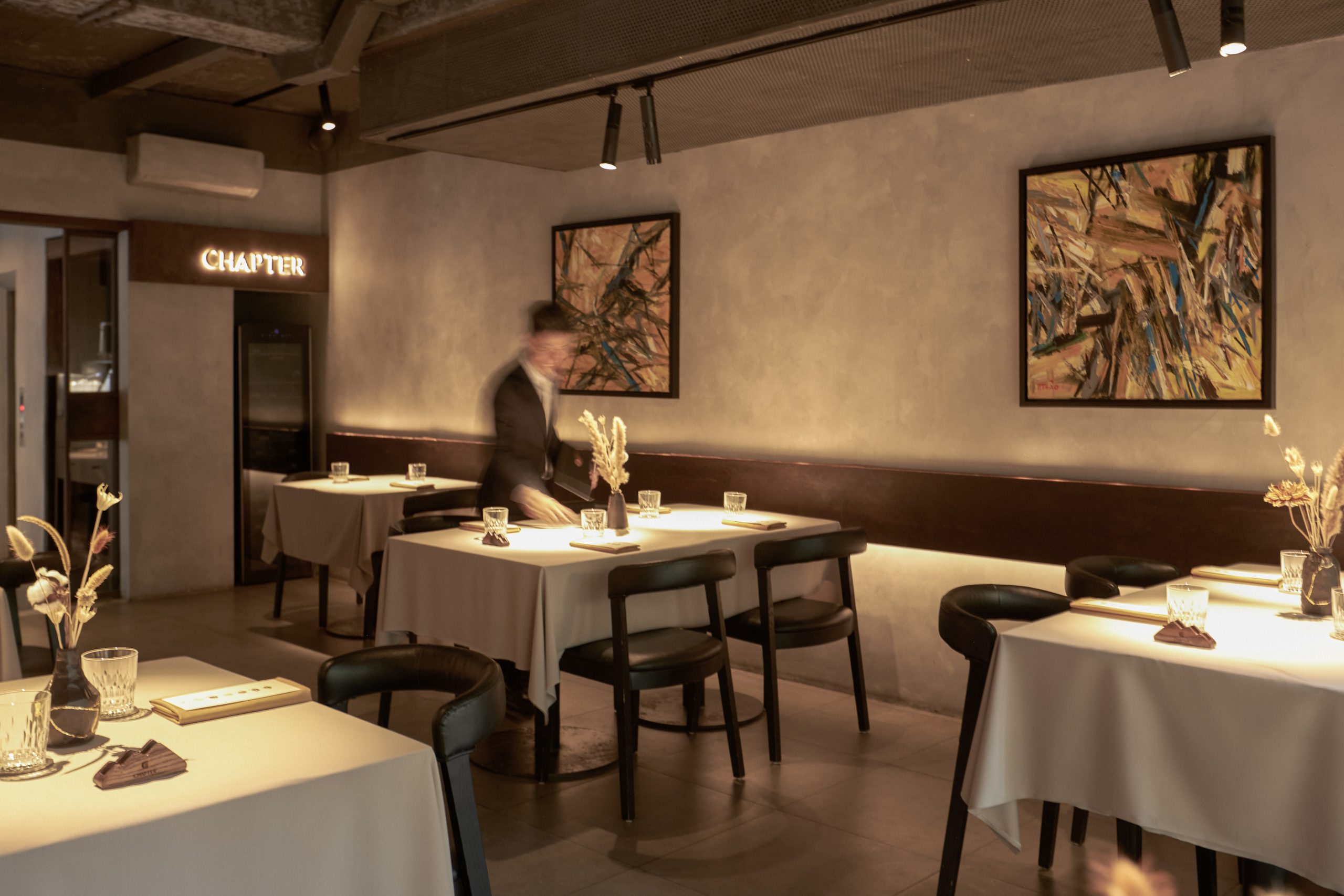
You have found a restaurant, looked through the photographs and imagined an evening there. Then you open the menu. Will you choose each dish yourself? Does everyone need to follow the same menu? And will those small plates leave you hungry? The tasting menu vs à la carte decision affects more than how you order. It shapes your budget, your evening’s pace and how much control you have over dinner. If you are choosing a restaurant in Hanoi, start with the experience you actually want. This guide explains what to consider before committing to a table.
Table of Contents
A tasting menu follows the kitchen’s planned sequence, usually at a fixed food price per person. Courses progress from lighter flavours to richer dishes and dessert. À la carte lets you choose individual dishes, each priced separately, according to your appetite and preferences.
A tasting menu can suit an evening when you want food to become a shared experience. Perhaps you enjoy trying ingredients you would rarely order yourself. Alternatively, you might want to understand how a chef approaches Vietnamese flavours. The appeal lies partly in the connections between courses. A sour element, smoky aroma or familiar herb can take on a different role as dinner unfolds. However, curiosity matters. If most unfamiliar ingredients make you uncomfortable, a fixed sequence may feel restrictive.
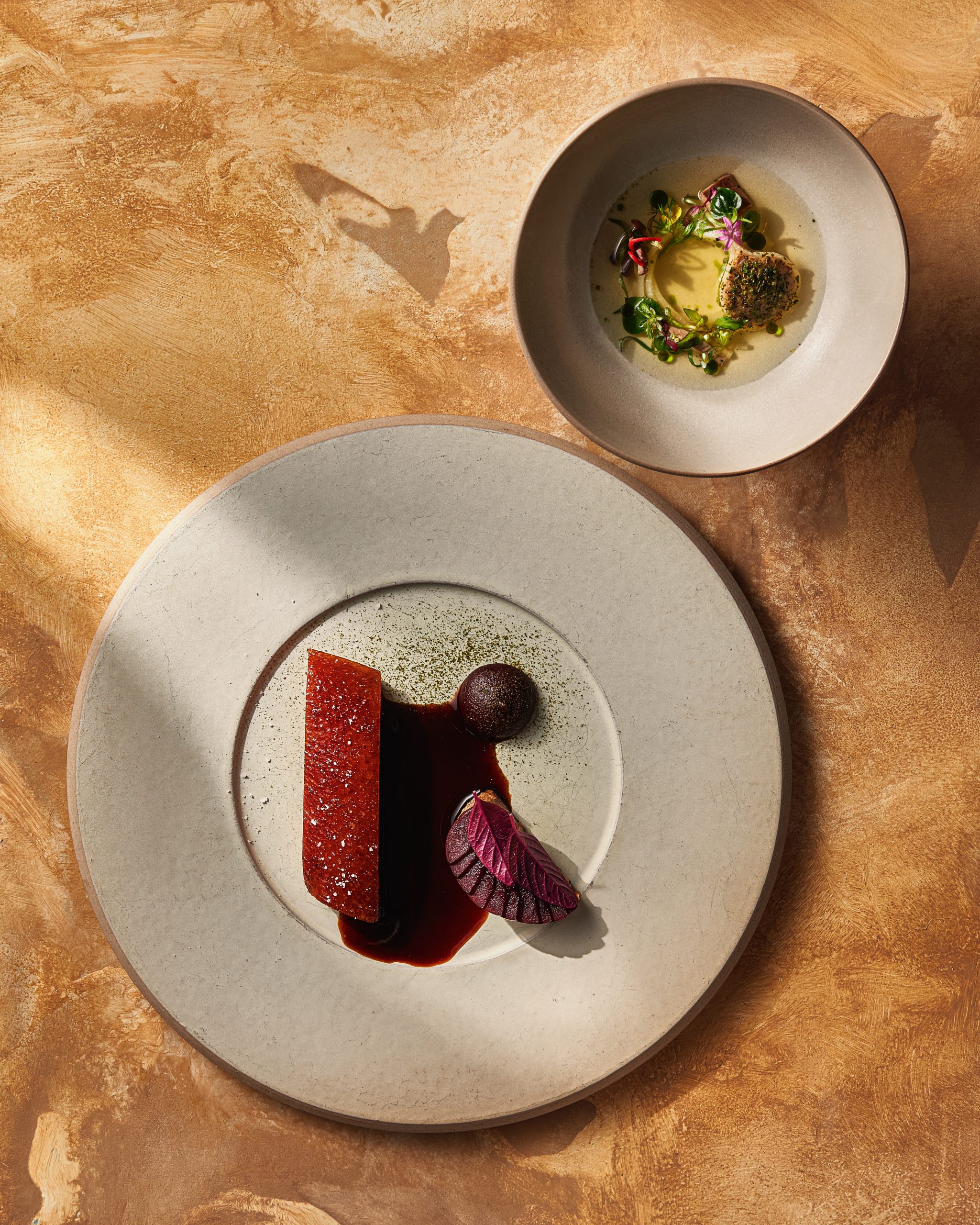
Choose à la carte when choosing your food matters most
À la carte can be more comfortable when you already know what you want. One guest may prefer fish, while another wants a substantial meat course. Someone else might only want a light dinner. Individual ordering gives those preferences more room. However, check the restaurant’s actual format. Some à la carte dishes are designed for sharing, while others are complete individual portions.
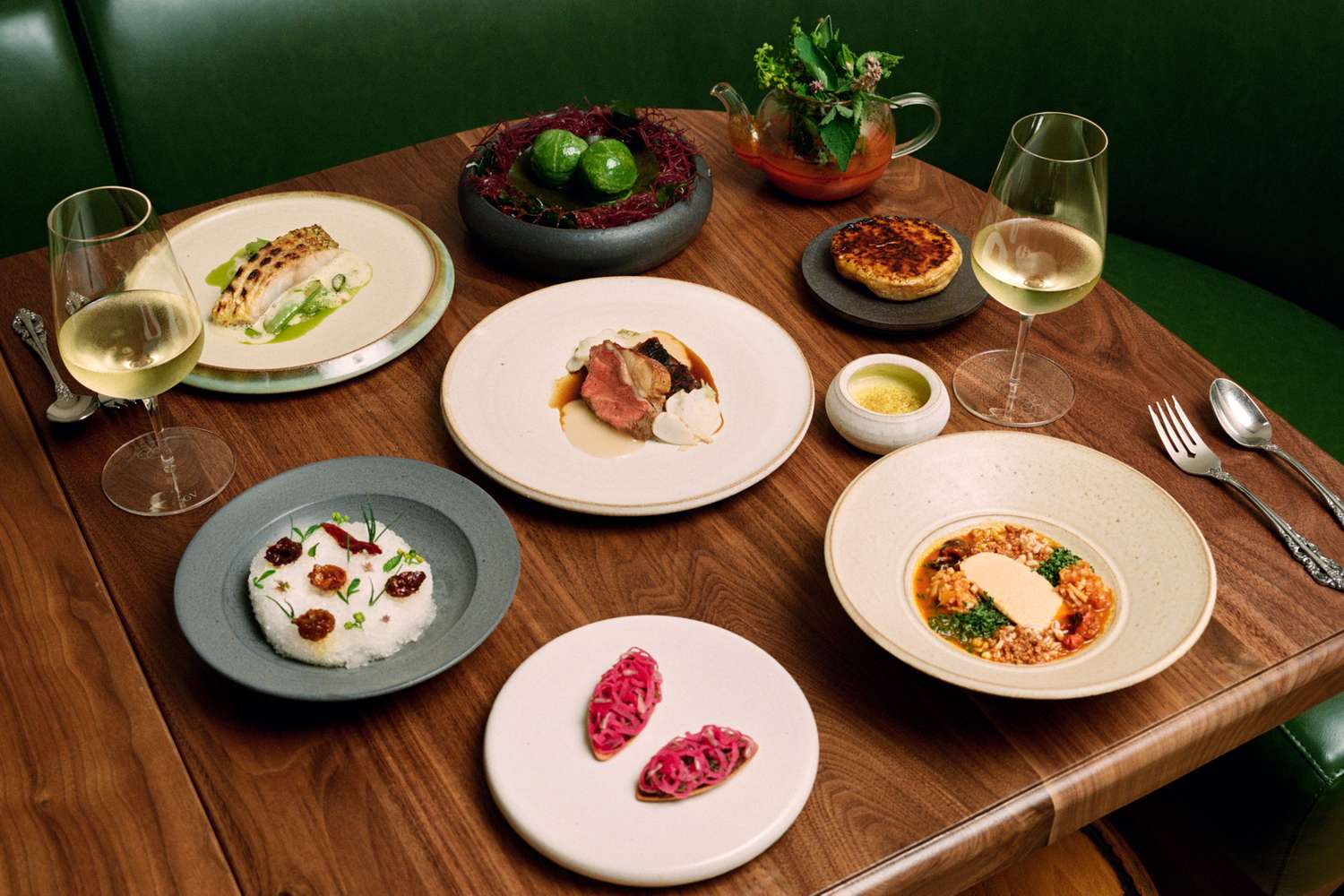
Small plates can make a tasting menu difficult to judge from photographs. An opening bite may look tiny because it serves a different purpose from a main course. It introduces flavour, texture or aroma before the meal develops.
Nevertheless, course count alone cannot tell you how filling dinner will be. Several small snacks may be counted separately. Bread, richer courses and accompaniments also influence the overall meal.
Before booking, ask whether the menu is intended as a complete dinner. If you have a particularly large appetite, mention that too. You can also ask whether optional additions are available. However, avoid assuming that extra dishes can always be ordered during service.
À la carte gives you control over spending, but the total depends on your choices. Consider the cost of a complete meal rather than one main course. For example, La Table Hanoia’s published French à la carte menu lists starters at VND 490,000–990,000, mains at VND 990,000–1,590,000, and desserts at VND 290,000. Ordering one of each gives an estimated food budget of VND 1,770,000–2,870,000 per person, before drinks, tax and service charge. This is one restaurant’s example, rather than a citywide price range.
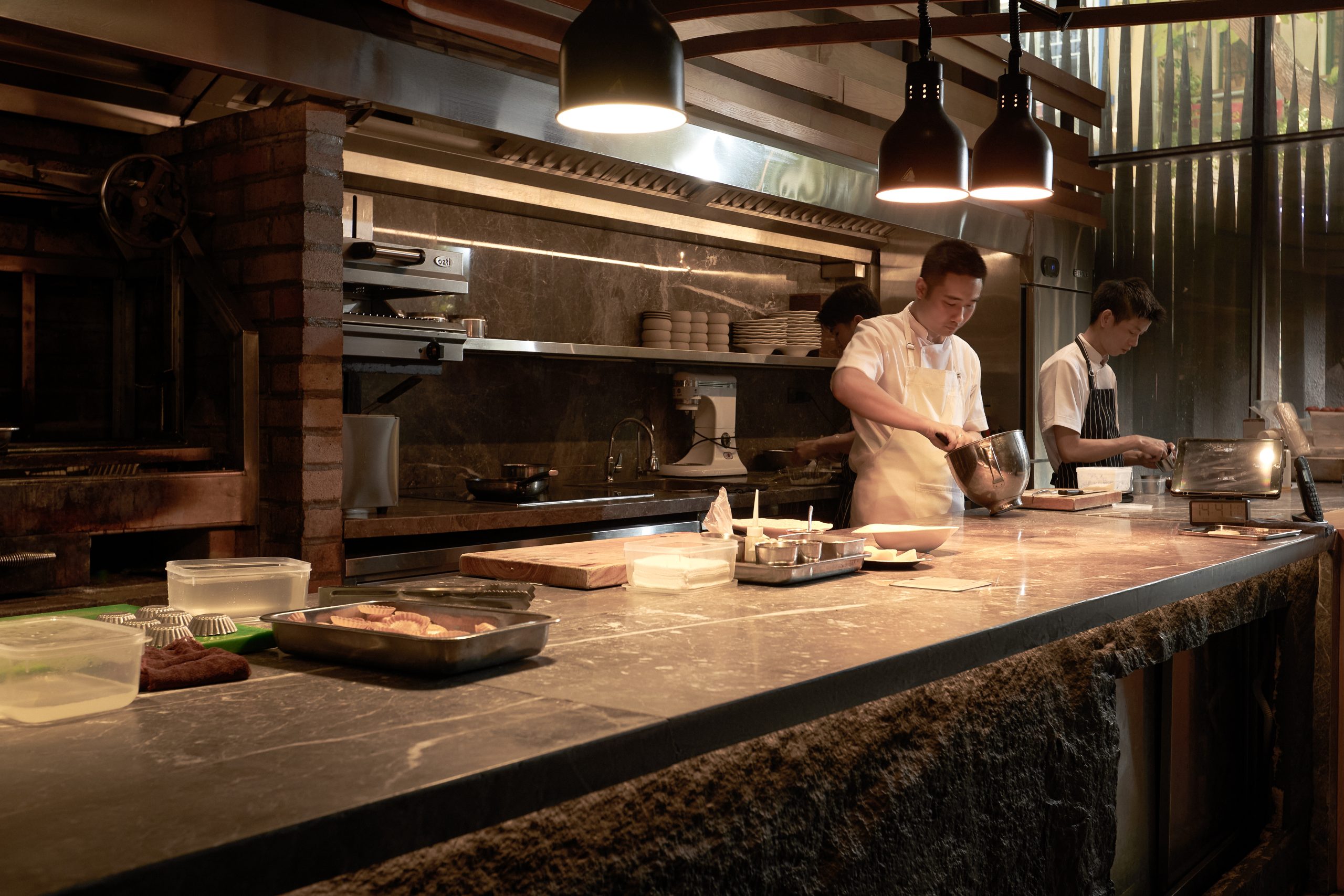
At Chapter Dining, the tasting menu with pairing is priced at:
- VND 3,800,000++ per person with non-alcoholic pairing.
- VND 4,550,000++ per person with wine pairing.
Chapter’s prices exclude tax and a 7% service charge.
If choosing individual dishes and managing your order matter most, à la carte offers more flexibility. If you prefer a planned sequence with beverages included in the quoted package, Chapter Dining provides a clearer starting budget.
How long should you allow for dinner?
A tasting menu involves several rounds of preparation, service and clearing. Consequently, it needs space in your itinerary. For example, a restaurant closing at 11 pm may require tasting-menu guests to arrive considerably earlier.

If you have theatre tickets, a transfer or another fixed commitment, mention your departure time before booking. Ask whether the team can realistically accommodate it. À la carte may offer more flexibility, although it does not guarantee a quick meal. Dish preparation, restaurant capacity and the size of your order still matter.
When does Chapter Dining suit your plans?
Chapter Dining is worth considering if you want a tasting menu in Hanoi connected to Northern Vietnamese ingredients. The restaurant exclusively serves a seasonal tasting menu, with no à la carte option. Its current menu introduction focuses on local, seasonal produce from Northern Vietnam.
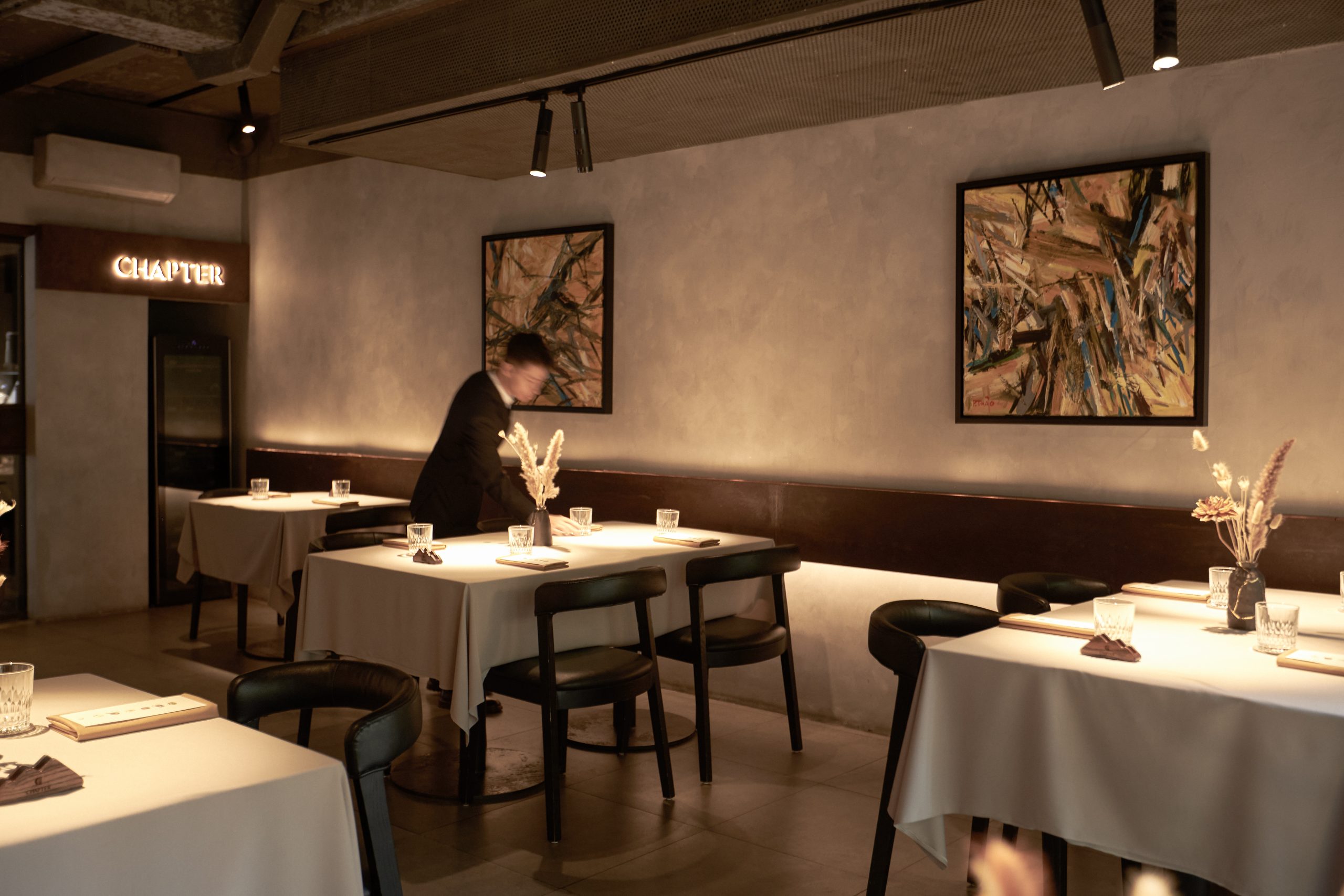
That format suits guests who want to follow the kitchen’s interpretation of a season. However, read the current Chapter Dining menu before deciding. Consider whether its ingredients interest you and whether everyone at your table welcomes the format. For a closer look at the restaurant’s culinary approach, explore how local flavours become a Vietnamese tasting menu.
Choose the dinner you will enjoy
When comparing tasting menu vs à la carte, picture the evening beyond the photographs. Do you want to choose every dish, or are you comfortable following the kitchen? Does everyone share that preference? Can you leave enough time to enjoy dinner?
If seasonal ingredients and a planned sequence appeal to you, explore Chapter Dining’s current menu. Then contact the reservation team to confirm the practical details and arrange your evening.
________
Chapter Dining
12C Chan Cam, Hoan Kiem, Hanoi
Mon – Sat from 18:00 – 23:00
Tel: +84 333 201 221 – Reserve a table
Email: reservation@chapter.vn