Beyond phở and bún chả, Hanoi hides a sophisticated dessert culture shaped by French influence, Red River Delta rhythms, and street-side craftsmanship. From egg coffee’s custard-like foam to jasmine-scented tofu pudding and ginger-warmed rice dumplings, these sweet rituals are where texture, aroma, and local ingenuity shine. Here are the 5 must-try desserts in Hanoi – plus tips to enjoy them like a local.
Table of Contents
The Sweet Side of Hanoi’s Street Food Culture
To truly understand the soul of Hanoi, one must look beyond the steam rising from morning bowls of Phở and the smoky haze of grilling Bún Chả that characterizes the midday rush. While the savory culinary architecture of the Vietnamese capital has rightfully earned global acclaim, securing its place in the pantheon of world gastronomy, there exists a parallel, equally sophisticated universe that emerges in the quiet humidity of the afternoon and the vibrant chaos of the evening: the world of Hanoian desserts. This report serves as a comprehensive gastronomic and anthropological study of this “sweet side,” positing that Hanoi’s dessert culture is not merely a collection of sugary confections designed to conclude a meal, but rather a complex cultural ecosystem – a narrative thread that weaves together the legacy of French colonialism, the ancient agricultural rhythms of the Red River Delta, and a thoroughly modern resilience.
For the discerning international traveler, particularly one accustomed to the codified luxury of Western fine dining, the desserts of Hanoi offer a different definition of sophistication. Here, luxury is not defined by the presence of gold leaf, imported chocolate, or crystal service. Instead, it is found in the “fine dining” sensibility inherent in street food culture: an obsessive focus on texture, a reverence for the thermal properties of ingredients, a mastery of botanical aromatics, and the preservation of artisanal techniques passed down through generations. It is a cuisine where a plastic stool on a sidewalk becomes the front-row seat to a culinary performance that rivals the precision of a Michelin-starred pastry kitchen.
5 Must-Try Desserts in Hanoi
For the gastronome seeking authentic flavors, here is our selection of the five quintessential sweet experiences that define the Hanoian palate.
Egg Coffee
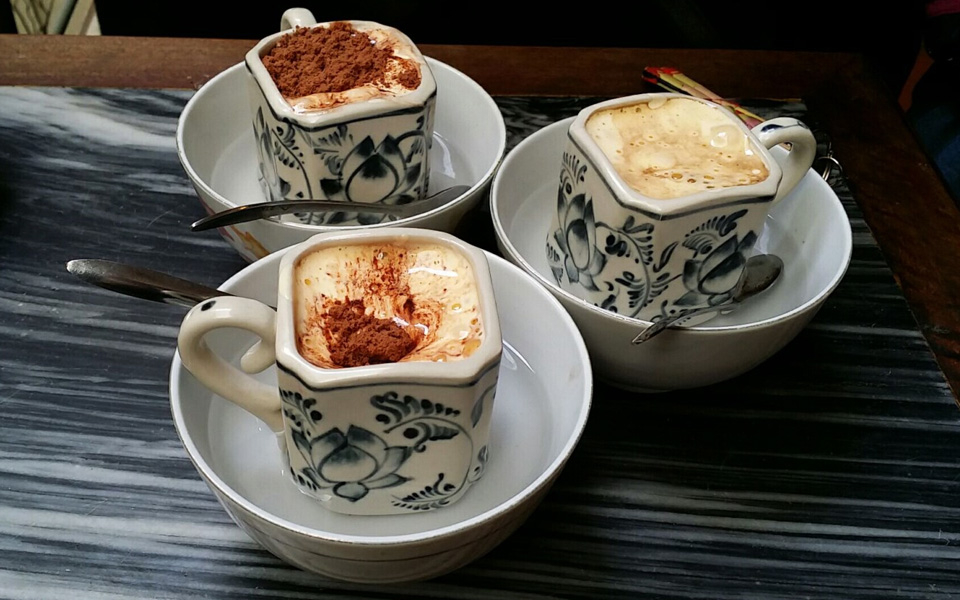
If there is a single beverage that captures the resilient and innovative soul of Hanoi, it is Egg Coffee. Often described by travelers as “liquid tiramisu” or a “custard-coffee hybrid,” this drink is a masterful improvisation that transcends the boundaries between a morning stimulant and a decadent dessert. It stands as a testament to the Hanoian spirit of ingenuity – the ability to create luxury out of scarcity.
When served, the robust bitterness of the Robusta coffee sits beneath a golden, airy layer of egg cream. It is a study in contrast – hot and cold, bitter and sweet, gritty and smooth. Sip it slowly in a hidden café in the Old Quarter to truly appreciate this masterpiece of texture.
Where to Taste:
- Café Giảng (39 Nguyen Huu Huan): The birthplace of the drink, offering an authentic, historical atmosphere.
- Loading T Café (8 Chan Cam): Located in a charming French colonial villa, perfect for those seeking a quiet, aesthetic setting.
Trang Tien Ice Cream
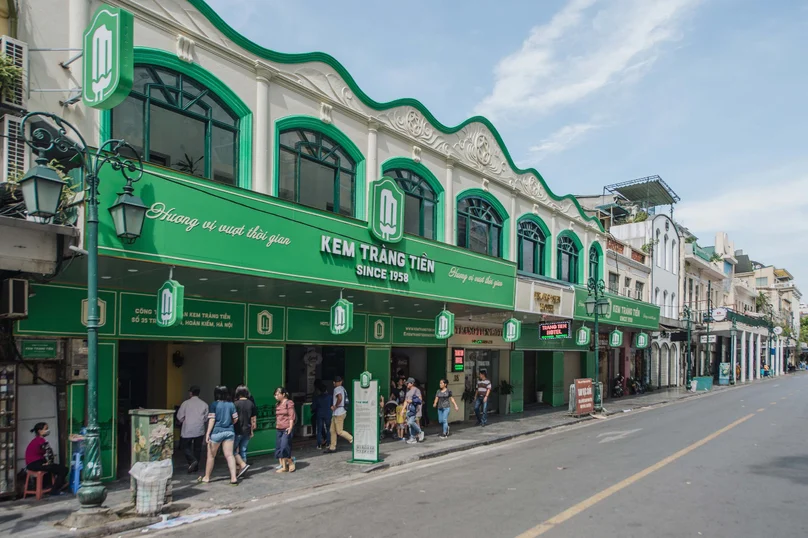
Since 1958, Kem Tràng Tiền has been an institution. Located just steps from the Opera House and Hoan Kiem Lake, this is not merely an ice cream shop; it is a cultural ritual.
The ice cream here is distinctively dense and flavorful, devoid of the icy crystals found in lesser products. We recommend the Green Rice (Cốm) flavor. It captures the essence of Hanoi’s autumn with a subtle nuttiness and the fragrance of young rice. Enjoying a stick of Trang Tien ice cream while strolling the pedestrian streets is an essential Hanoian experience.
Where to Taste:
- Kem Tràng Tiền (35 Trang Tien Street): There is only one original location. We recommend visiting in the evening to witness the vibrant energy of locals queuing for their favorite treat.
Tofu Pudding with Jasmine Syrup
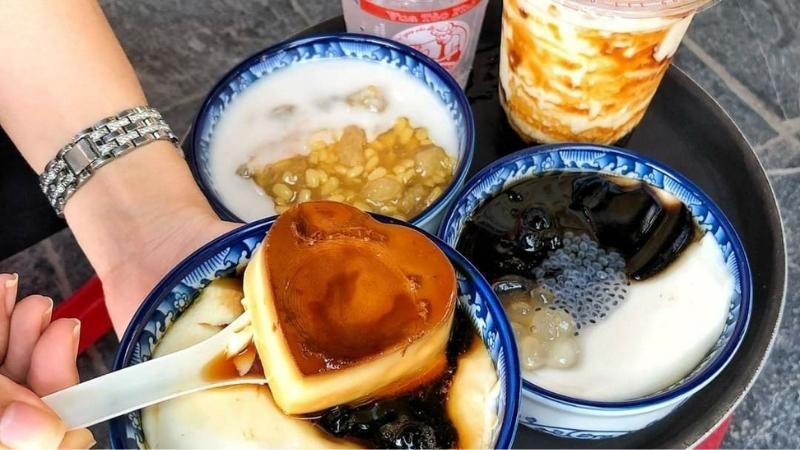
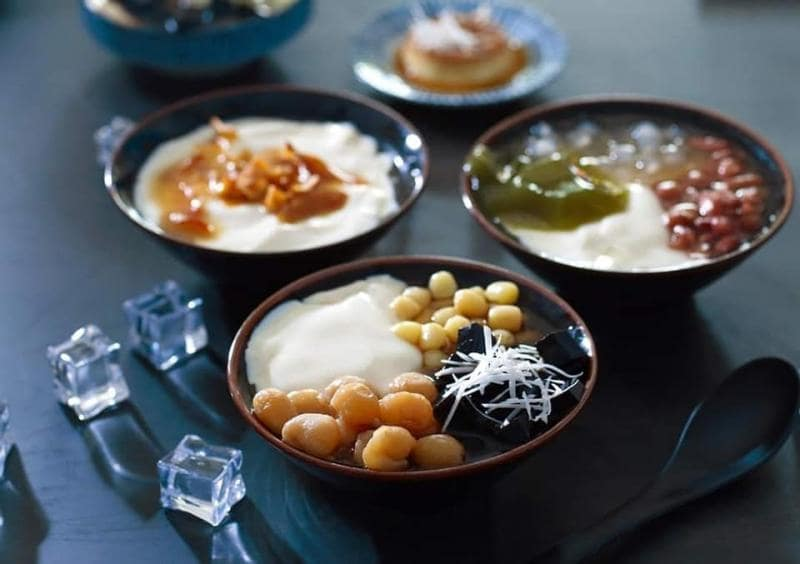
For a dessert that exemplifies elegance and minimalism, one must try Tào Phớ. This is a tofu pudding of impossible silkiness – so soft it barely holds its shape.
In the fine dining world, we often speak of “mouthfeel,” and Tào Phớ is the ultimate example. It is traditionally served with a light syrup infused with fresh jasmine flowers. The floral aroma hits the nose before the sweetness touches the tongue, creating a refreshing, sophisticated profile that cleanses the palate perfectly after a savory meal.
Where to Taste:
- Vua Tào Phớ (Various locations): A reliable choice for a clean, modern setting.
- Tào Phớ 41 Dao Duy Tu: A legendary street-side spot in the Old Quarter, famous for its perfect jasmine infusion.
Vietnamese Sweet Soup
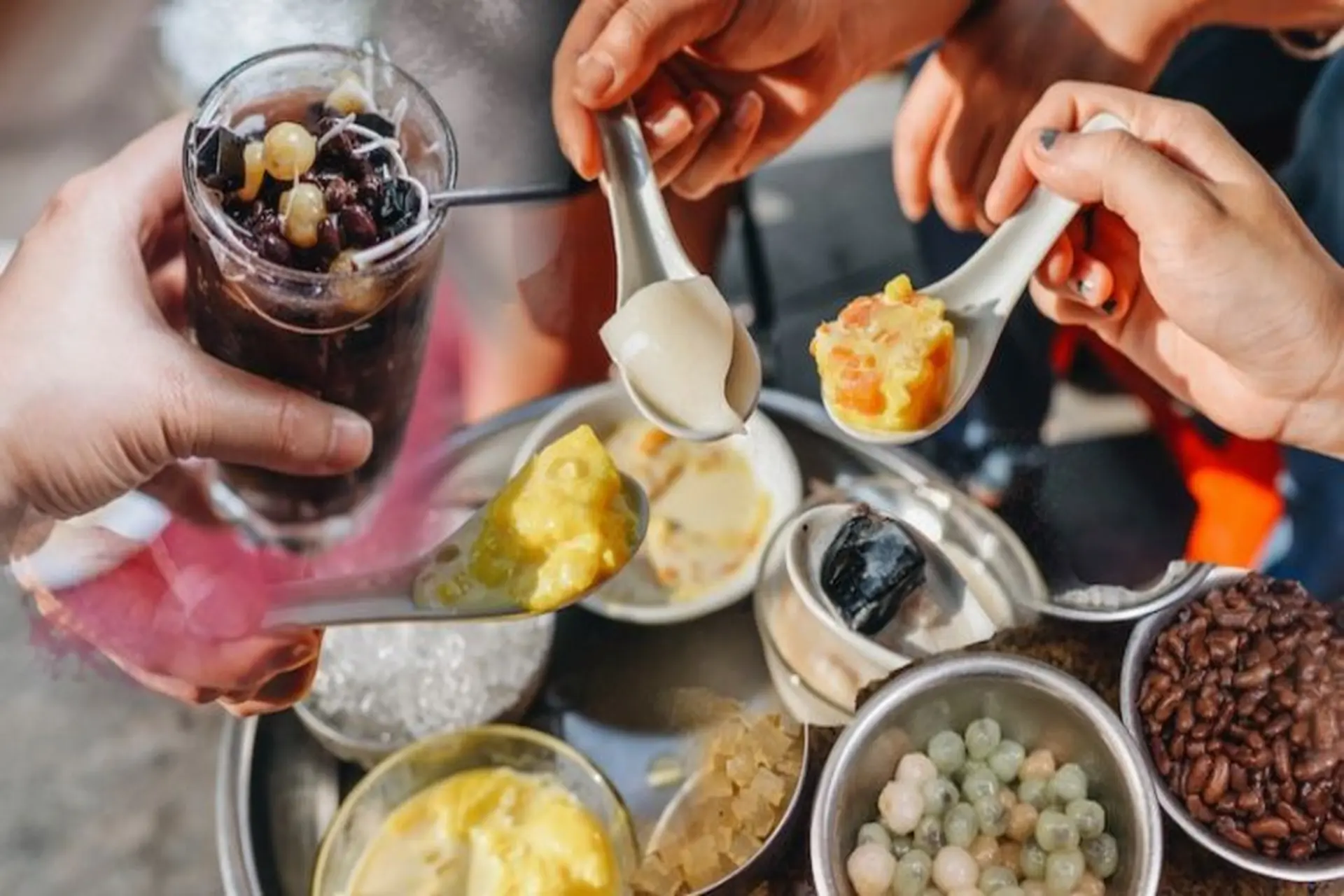
Vietnamese Sweet Soup is a category of dessert rather than a single dish, functioning much like a deconstructed parfait. It is a playful assembly of textures: the chewiness of tapioca pearls, the creaminess of coconut milk, the earthiness of black beans or lotus seeds, and the crunch of water chestnuts.
For the international guest, we recommend starting with Chè Sen (Lotus Seed Sweet Soup). Regarded as a royal ingredient, the lotus seed is cooked until tender and nutty, often paired with longan fruit. It is a dessert that feels restorative, highlighting the natural sweetness of the ingredients without being cloying.
Where to Taste:
- Chè Bốn Mùa (4 Hang Can): Literally translating to “Four Seasons Sweet Soup,” this establishment has been serving traditional, seasonal Chè since 1975. It is the gold standard for authentic flavor.
Warm Ginger Rice Dumpling Dessert
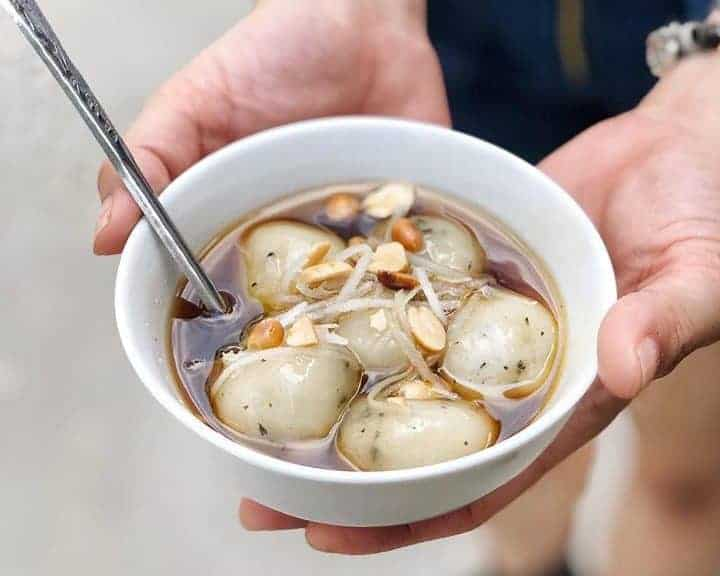
When the temperature drops, the streets of Hanoi fill with the spicy, inviting aroma of Bánh Trôi Tàu. This is a warm dessert soup featuring large glutinous rice balls filled with mung bean paste or black sesame, floating in a hot ginger syrup.
The warmth of the ginger creates a gentle heat that radiates through the body, while the glutinous rice offers a satisfying, chewy texture known locally as “dẻo.” Topped with crushed peanuts and fresh coconut shreds, it is a comforting, soulful dish that warms you from the inside out.
Where to Taste:
- Bánh Trôi Tàu Phạm Bằng (30 Hang Giay): A historic spot once owned by a famous Vietnamese actor. It is widely considered the best place in the city to experience this warming winter delicacy.
Tips for Experiencing Desserts in Hanoi Like a Local
Navigating Hanoi’s street food requires a shift in mindset. Here is the essential etiquette to dine with confidence and respect.
- Street-Side Seating Culture: Do not judge a venue by its appearance. A crowded stall with low plastic stools is the best indicator of safety and freshness (high turnover). Be prepared to share a small table; a polite nod to your neighbor is all the interaction required.
- Follow the Seasons: Eat in rhythm with the weather. Order cooling Tào Phớ or ice cream during the humid summer, and save the warming ginger soups (Bánh Trôi Tàu) for the winter chill.
- Cash is King: Most street vendors do not accept cards. Always carry small bills (10,000 – 50,000 VND). Tipping is not expected; a simple “Ngon” (Delicious) is the best compliment.
Final Thoughts
Hanoi is a city that rewards the curious. Its desserts are not just sugary treats; they are stories of history, climate, and ingenuity. From the French-influenced custard of an Egg Coffee to the ancient, floral simplicity of Tofu Pudding, these 5 must-try desserts in Hanoi offer a glimpse into the soul of the city. We invite you to step out, explore the Old Quarter, and let your palate be your guide on this sweet gastronomic adventure.
And for those who wish to see how these local ingredients are elevated into contemporary culinary art, a visit to Chapter offers the perfect, refined conclusion to your journey.