Vietnam pate, also called pâté de campagne Vietnamese version, is not only a traditional dish, but also a cultural culinary experience. You can easily feel the rich and creamy flavor that melts in your mouth at first try. From street eateries to high-end restaurants, it stands out as a signature in the menu. Let’s discover what makes Vietnamese pate distinctive at fine dining at Chapter.
Table of Contents
What Is Vietnam Pate?
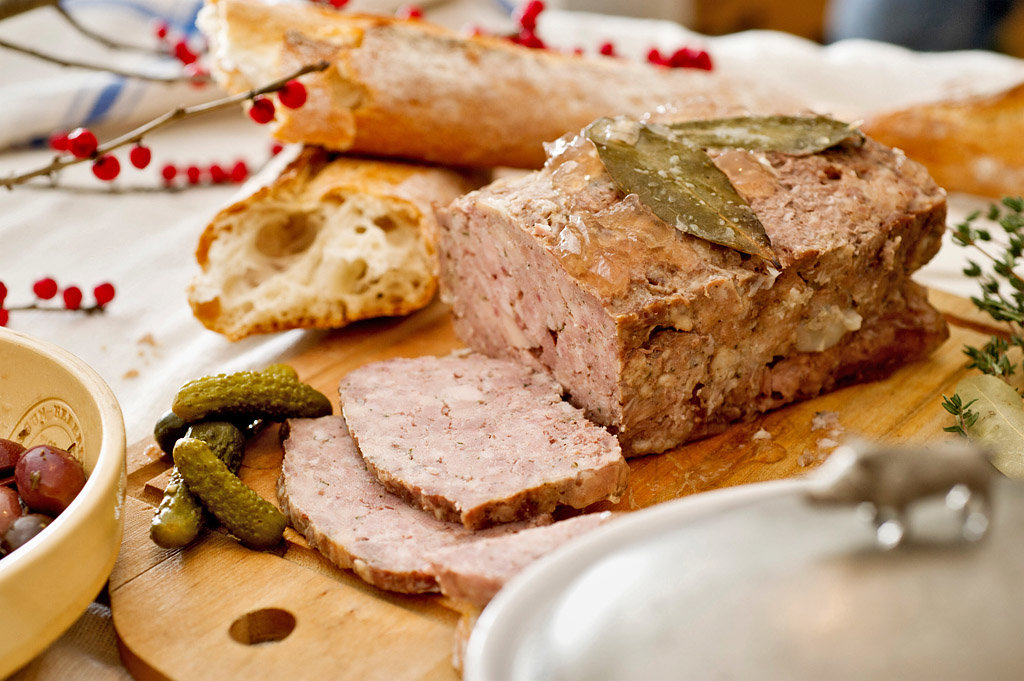
Vietnamese pate is a kind of paste that originates from Europe and was introduced to Vietnam in the French colonial period from 1858 to 1954. Main ingredients consist of animals’ liver combined with refined seasonings including salt, sugar, peppers, fat, even a touch of wine. The harmonized mixture is pureed and gently cooked to create a flavourful, rich paste.
Depending on regional cuisine habits and recipes, Vietnam can transform endlessly in terms of flavour and texture. Rich and unique flavour makes it a perfect companion – tasty topping for other traditional dishes.
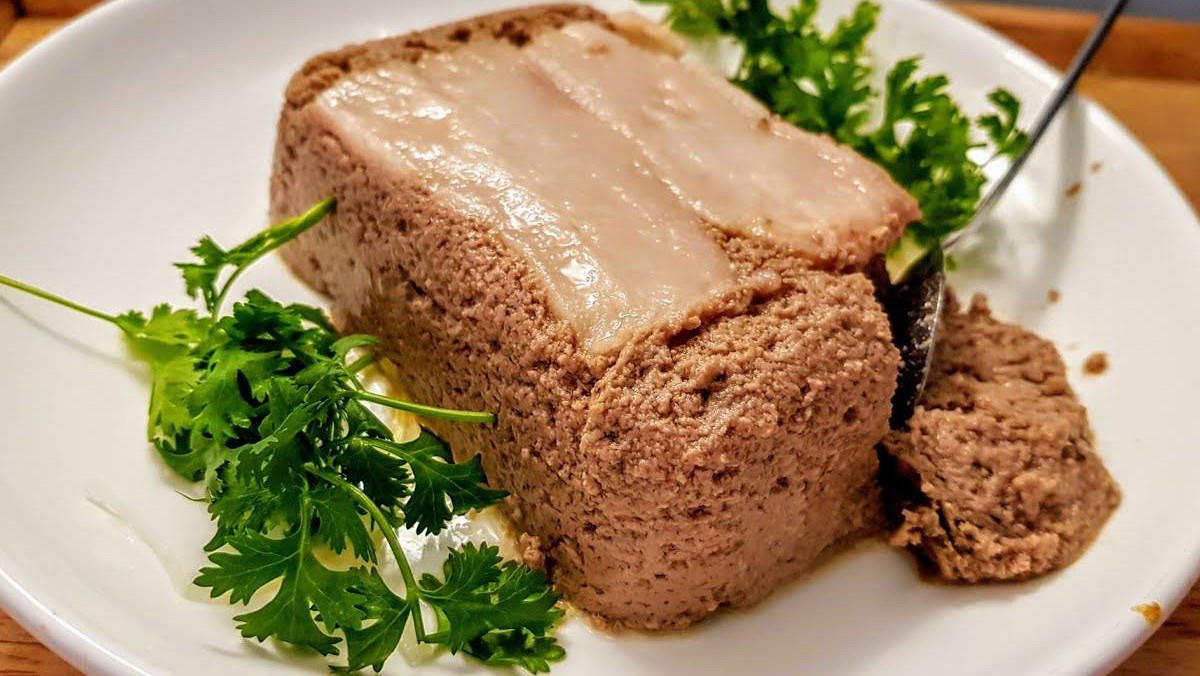
Delicate Variations of Vietnamese Pate
Being a canvas of textures and flavors, Vietnamese pate is a mirror of the culinary heritage of diverse regions. On the tips of your tongue lies the silky, finely blended creations to heartier, more rustic versions. Deepening dive in Vietnamese pate variations give you insight into traditional culinary experience.
First and foremost, chicken liver pate is one of the most popular types in Vietnamese cuisine due to thick structure and easily-seeking ingredients. Alongside savory flavor, pork liver pate’s signature lies in the firm and slightly dry in texture. There is no type of pate that has a unique flavor as creamy as pork liver pate.
How To Make Vietnam Pate At Home?
Vietnamese Pork Liver Pate
To prepare delicious pate at home, what you should do first is clean the pork liver, slice it into tiny pieces and soak it in fresh milk for about 30 minutes. Such beginning steps contribute to the liver’s smooth texture and mellowed flavor. Meanwhile, sliced pork fat mixes with ground pork, fish sauce, a little sugar, pepper and MSG create a rich and savory base. Then, to uplevel the flavor and taste, the liver combination can be cooked without lightly sautéed shallots and garlic.
The next step is combining milk-soaked baguette pieces with aforementioned mixture. It’s time you simmer the combination on gentle heat until cooked through. Once cooled (15 – 20 minutes), the preparation is blended into a velvety smooth pâté, ready to be spooned into ceramic molds. When baked in a water bath at 180°C, pate touches the bottom of diners’ hearts with creamy and melt flavor – high-end and refined culinary experience.
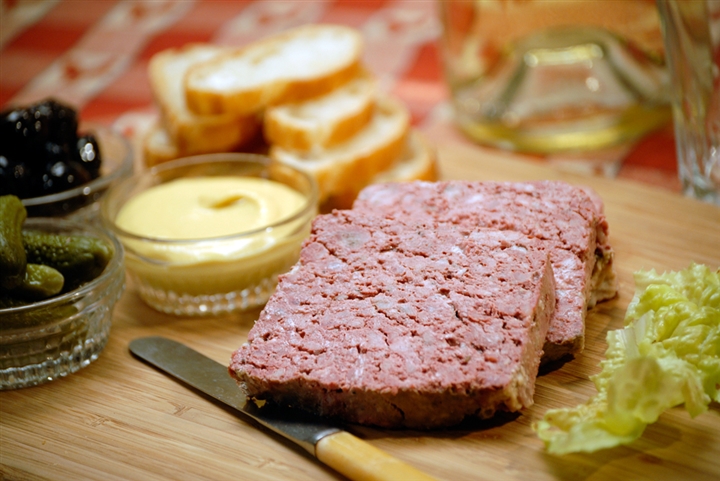
Vietnam Pate Made from Chicken Liver
While the preparation of chicken liver pate follows a similar framing technique to pork liver pate, subtle differences make it unforgettable. Whereas long milk soaks mellow pork liver’s strong taste, 20 minutes milk-soaking is enough for chicken liver. In the cooking stage, instead of rich ground pork fat, this kind of Vietnamese pate integrates butter for sautéing the aromatics, and velvety mouthfeel.
Last but not least, you should steam chicken liver pate to preserve its tender and silky texture. Careful and skillful preparation gives birth to a pate with a velvety texture and gentle flavor.
Vietnamese Vegetarian Pate
Vietnamese vegetarian pate preparation begins by trimming the base of straw mushrooms and soaking them in salted water. Once softened, they are finely chopped and mixed with vegetarian seasoning powders to uplevel the natural umami flavor of mushrooms.
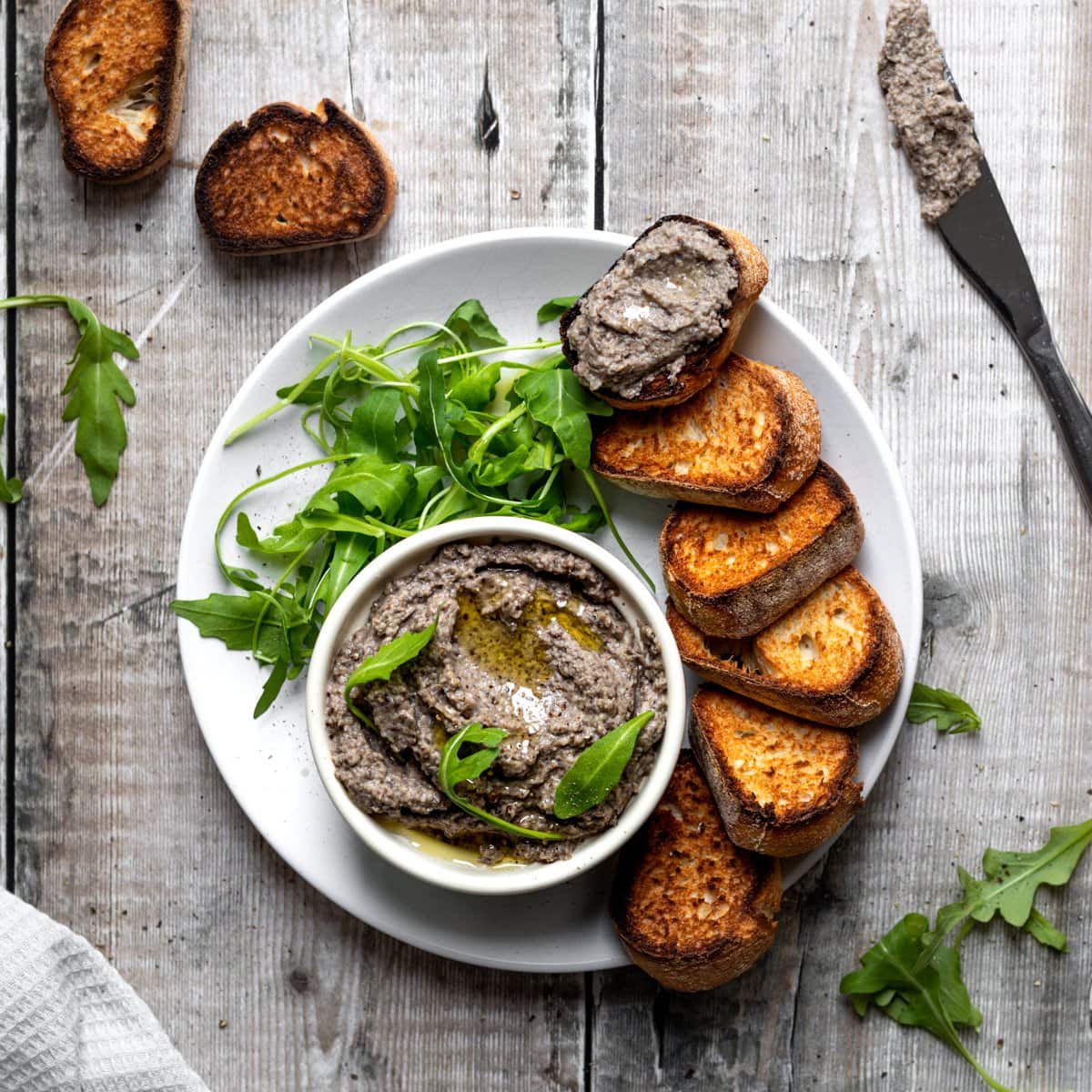
Meanwhile, you should mash white tofu and combine it with vegetarian bouillon powder, salt, pepper and sugar to make a smooth and flavorful base. What you do next is sautéing king oyster mushrooms until fragrant. Then, don’t forget to thoroughly mix them with prepared mushrooms, white tofu, red bean paste, black bean paste, and peanut butter. This combination is then put in butter-greased mold, firmly pressed and gently steamed for 20 minutes.
This mixture reaches its perfect state when it turns into a vegetarian paste with subtly rich flavor and velvety texture. Unlike the rich and savory depths of pork liver pâté or the delicate creaminess of chicken liver pâté, the Vietnamese vegetarian pâté offers a gentle, nutty character with a subtle umami undertone.
What Makes the Perfect Pairing for Vietnamese Pate?
Its creamy texture makes Vietnam pate a perfect choice for iconic bánh mì, where it harmonizes with tangy pickled vegetables, savory grilled meats, and fresh herbs. Beyond the classic bami, pate elevates traditional breakfast dishes such as sticky rice without overwhelming its core taste. From pan-fried bread to delicate chicken preparations, Vietnamese pâté brings a whisper of indulgence, a refined touch that celebrates both flavor and texture in every bite.
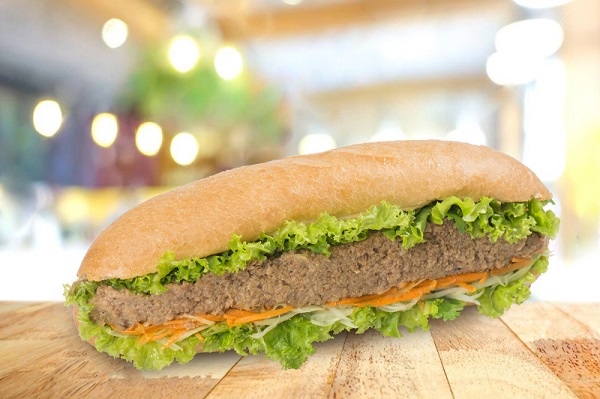
What Makes Vietnam Pate Different From Foreign Pâté?
Vietnamese pâté stands out for its simple yet flavorful ingredients, including pork liver, belly pork, and fat, blended with bread, onions, garlic, and black pepper, instead of cream or herbs. Its moist, slightly coarse texture is typically steamed or baked and served warm. This technique delivers a subtly rich, creamy, and lightly fragrant experience, yet irresistibly satisfying.
For bánh mì or sticky rice, Vietnamese pate is a perfect companion. In contrast, European pâté is completely smooth and often incorporates cream, butter, and herbs. It is firm, served cold, and offers a refined, silky flavor that feels delicate and elegant, a strikingly different experience from the earthy charm of this pate.
Distinctive Vietnam Pate Experience at Chapter Dining
Alongside Phở, Bánh mì is a quintessential Vietnamese dish, celebrated worldwide for its cultural and culinary significance. At Chapter, what truly elevates our Bánh mì lies in the artistry of pâté. With each seasonal tasting menu, our chefs craft distinctive versions of pâté, transforming the familiar into an extraordinary dining experience.
In our spring “Back home” menu, the crispy pork fat paired with rich eel pâté brought comforting nostalgia in every bite. By summer, the “Wanderlust” menu reimagined the classic with foie gras pâté and house-smoked buffalo meat, embodying a bold and adventurous spirit. Through these creations, pâté at Chapter is more than a spread. It is the soul of our Bánh mì, a canvas where heritage and creativity meet. Come and taste how Chapter redefines this Vietnamese icon with layers of depth and artistry.
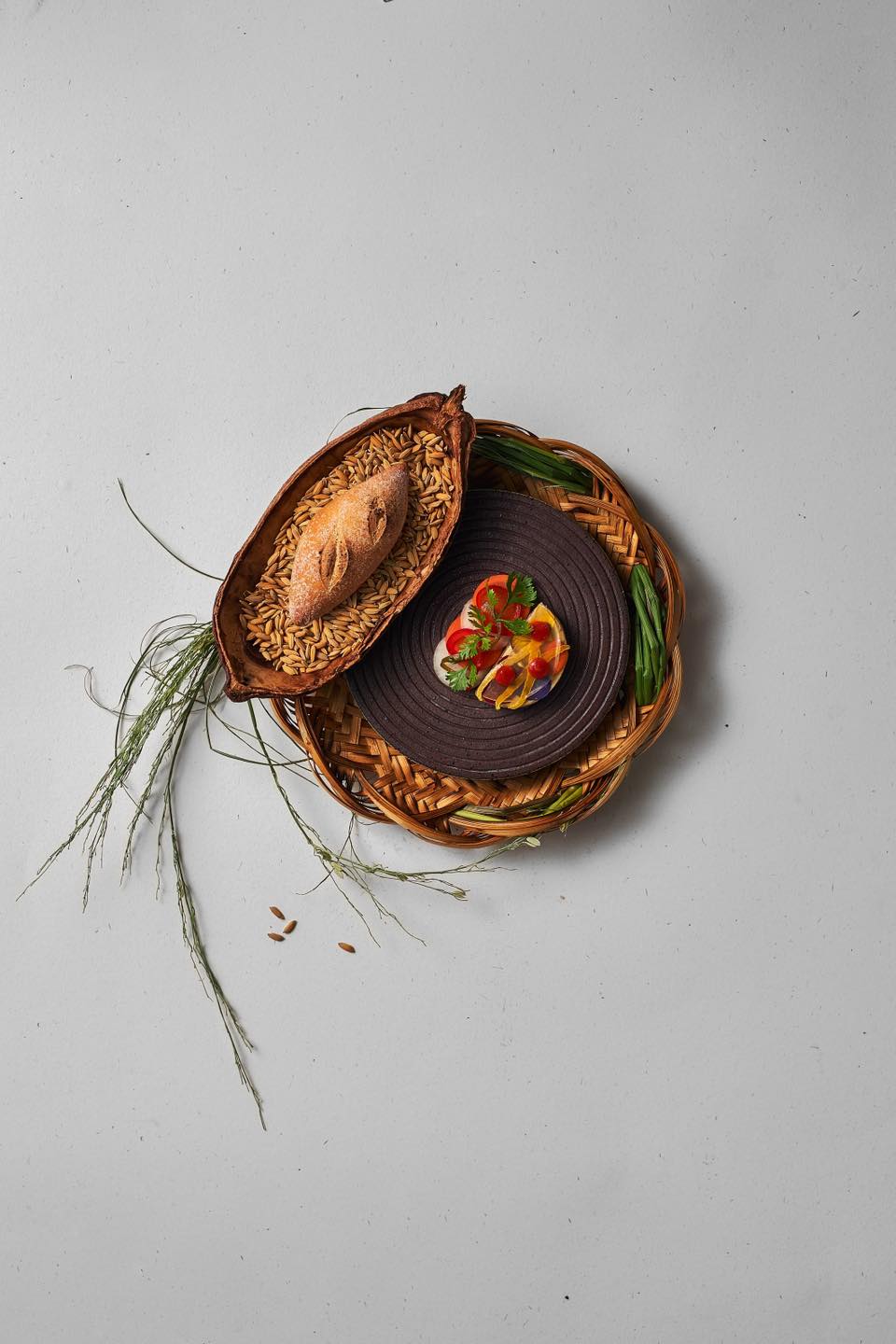
Vietnam pate is familiar yet never fails to surprise with its rich and savory appeal. If you have a chance to visit Hanoi, you can give bánh mì pate, bánh mì phố Huế,… a try. At Chapter Dining, you can see how thoughtful attention to ingredients and presentation uplevel this classic. Reserve your table at Chapter Dining and discover bánh mì and pate in a way that feels both authentic and refreshingly new.
_________
Chapter Dining
12C Chan Cam, Hoan Kiem, Hanoi
Mon – Sat from 18:00 – 23:00
Tel: +84 333 201 221 – Reserve a table
Email: reservation@chapter.vn