In the world of fine dining, bread is rarely just a side dish – it is the opening chapter of a culinary story. It sets the tone for the meal, signaling the kitchen’s philosophy, technical prowess, and attention to detail. At Chapter Hanoi, we invite diners to experience a unique convergence of European fermentation techniques and ancient local agricultural history with our signature Vietnamese Grain Sourdough.
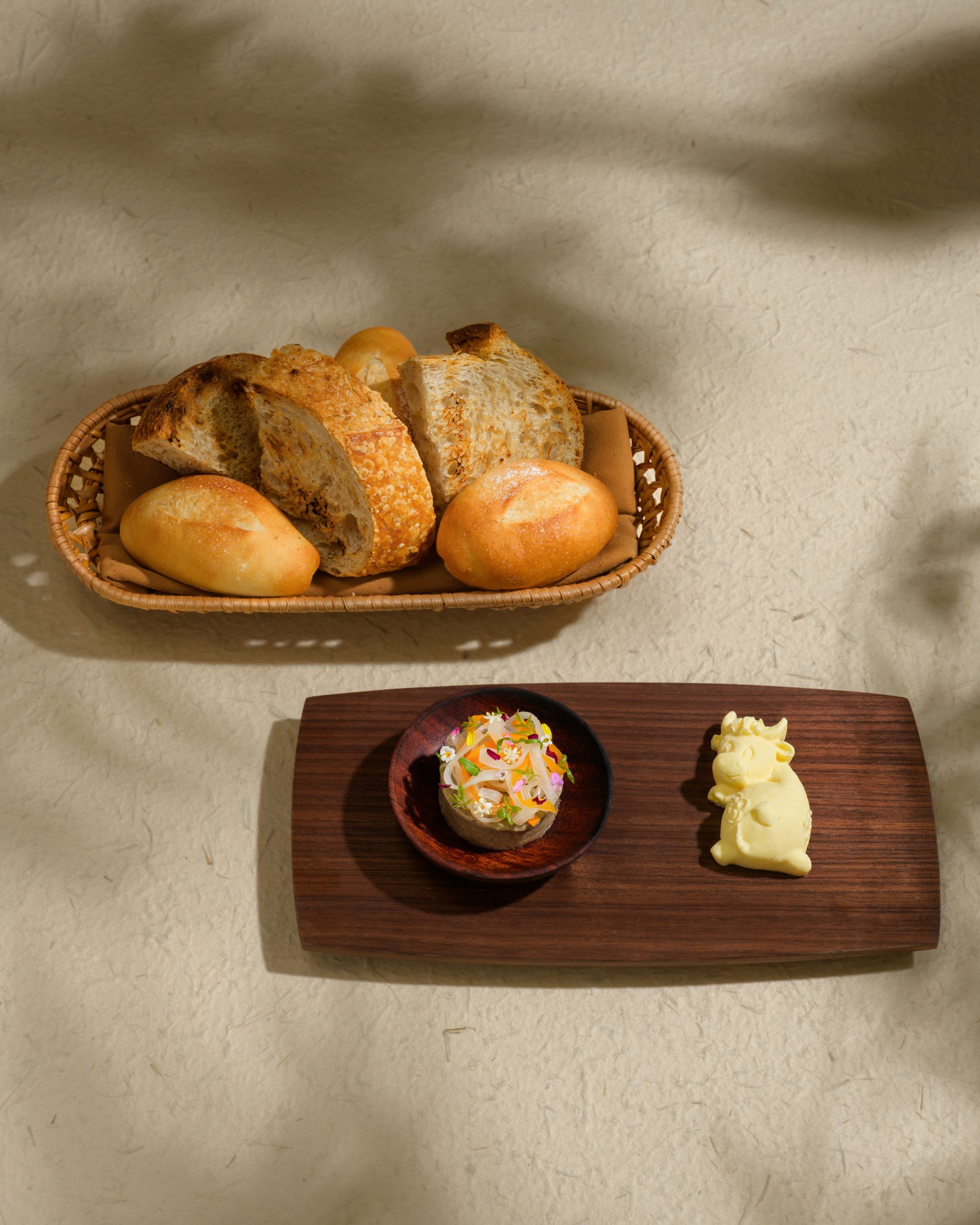
This is not simply a basket of bread to tide you over until the appetizers arrive. It is a calculated, passionate tribute to the resilient ingredients of Vietnam, served with Wagyu beef fat butter and a traditional foie gras pate. It is a dish that demands to be savored, offering a taste that feels both excitingly new and deeply familiar.
Table of Contents
- 1 The Philosophy: Honoring Vietnamese Terroir
- 2 A Journey Back in Time: The Historical Significance of Millet
- 3 The Alchemy of Fermentation: Inside Our 2019 Starter
- 4 The Tableside Narrative: Connecting Diner and Chef
- 5 The Craftsmanship: A 48-Hour Labor of Love
- 6 An Unforgettable Trio: Sourdough, Wagyu, and Foie Gras
- 7 Sensory Notes: A Guide to Tasting
- 8 Final Thoughts: Experience Heritage at Chapter
The Philosophy: Honoring Vietnamese Terroir
Why does a modern fine dining restaurant choose to look backward for inspiration? At Chapter, our philosophy is rooted in the belief that the best ingredients are often those closest to home. While the technique of making sourdough is distinctly Western, the soul of our bread is undeniably Vietnamese.
We wanted to create a loaf that didn’t just mimic the baguettes of Paris or the country loaves of San Francisco. We wanted a bread that spoke of our land. This drove us to explore ingredients that have sustained Vietnamese people for centuries, leading us away from imported white flours and towards a humbler, more historic grain.
A Journey Back in Time: The Historical Significance of Millet
When creating the Vietnamese Grain Sourdough, the choice of grain was paramount. We looked deep into Vietnam’s agricultural past to find a “hero” ingredient. The answer was Millet (known locally as hạt kê).
Today, rice is the undisputed king of Vietnamese agriculture, but this was not always the case. Long before the vast rice paddies dominated the deltas, millet was a primary grain source for Vietnamese people. It is a drought-resistant, hardy crop that sustained generations. By incorporating this ancient grain into our dough, we are reviving a forgotten chapter of our culinary history.
From a flavor perspective, millet is a revelation. It adds a delightful, subtle crunch and an earthy, nutty sweetness that standard wheat flour simply cannot provide. It grounds the airy crumb of the sourdough, giving it a rustic complexity that pairs perfectly with rich accompaniments.
The Alchemy of Fermentation: Inside Our 2019 Starter
Great bread requires patience, and the heart of our Vietnamese Grain Sourdough is our natural leaven – a “mother” starter that has been carefully nurtured since December 2019.
In a world of instant yeast and chemical leavening agents, maintaining a natural starter is an act of devotion. This living culture is a complex ecosystem of wild yeasts and beneficial bacteria. Over years of daily feeding and precise temperature control, our 2019 starter has developed a robust and unique flavor profile.
This long fermentation process does more than just make the bread rise. It breaks down the starches, making the bread easier to digest, and unlocks the bio-availability of the nutrients in the millet. Most importantly, it creates that characteristic, sophisticated tang – a depth of flavor that tells the story of time itself.
The Tableside Narrative: Connecting Diner and Chef
At Chapter Hanoi, transparency is part of the experience. We don’t just tell you about our sourdough starter; we show it to you.
When the bread course is served, our Front of House team presents the living sourdough starter right at your table. You will witness the bubbling, active culture that breathes life into the bread you are about to eat. This tableside presentation bridges the gap between the kitchen and the dining room, allowing you to see the “origin” of your food. It is a moment of connection, highlighting the biological magic that turns simple flour and water into something extraordinary.
The Craftsmanship: A 48-Hour Labor of Love
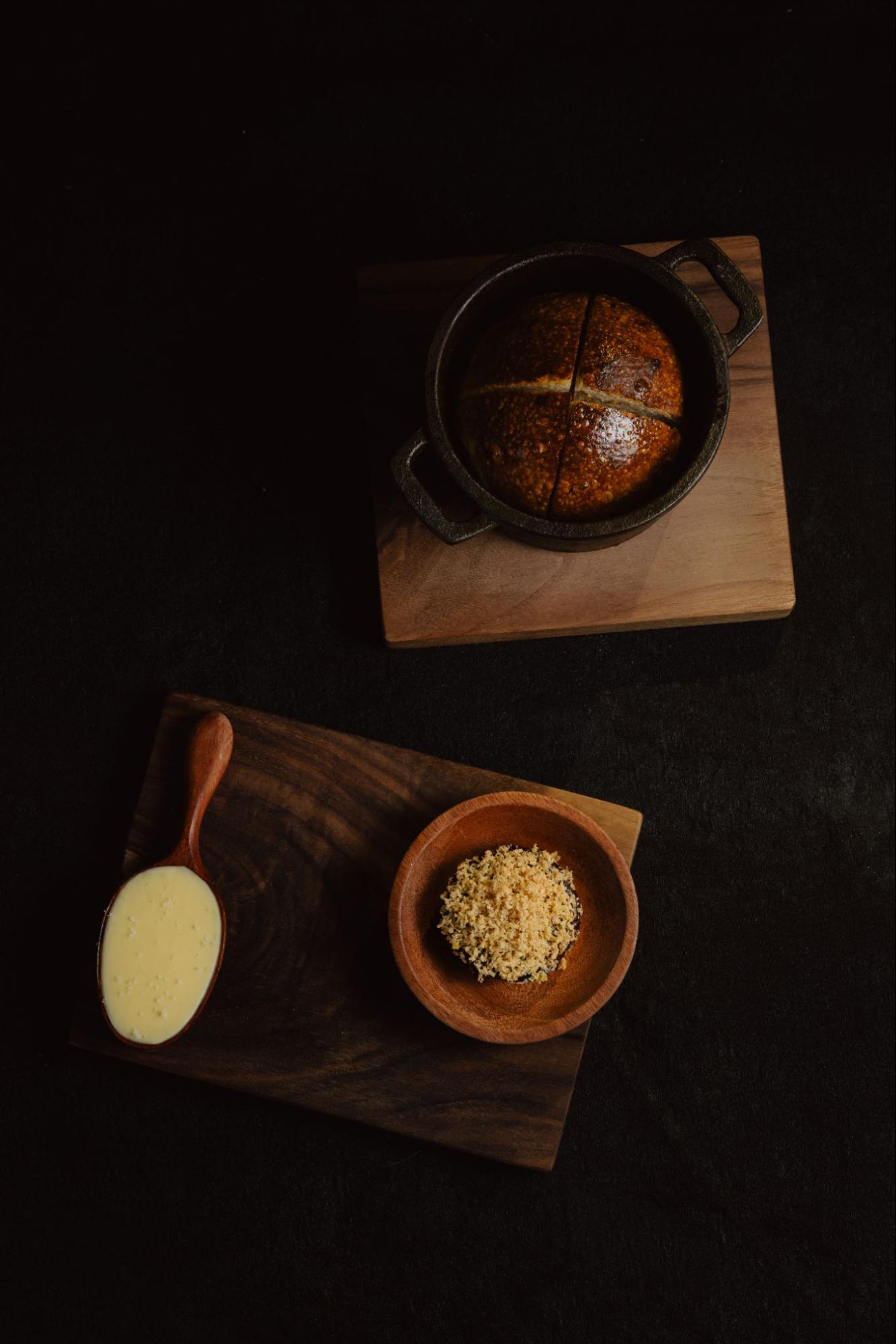
The loaf that arrives at your table is the result of a rigorous 48-hour process. Sourdough cannot be rushed; it dictates its own schedule.
The process begins with mixing the millet and flour with our 2019 starter. Because millet lacks the gluten structure of wheat, our bakers must use precise folding techniques to build strength in the dough, ensuring it can trap the air bubbles created during fermentation.
After shaping, the dough undergoes a long, cold proofing process (retarding). This slows down the yeast activity, allowing the bacteria to produce organic acids that develop flavor. Finally, the bread is baked at high heat to caramelize the crust while keeping the interior moist and soft. The result is a loaf with a singing crust and a custard-like crumb – a texture that serves as the perfect vessel for our signature spreads.
An Unforgettable Trio: Sourdough, Wagyu, and Foie Gras
A slice of warm, crusty Vietnamese Grain Sourdough is a delight on its own, but at Chapter, we elevate it into a luxurious course by pairing it with two exceptional accompaniments.
The Umami Bomb: Wagyu Beef Fat Butter
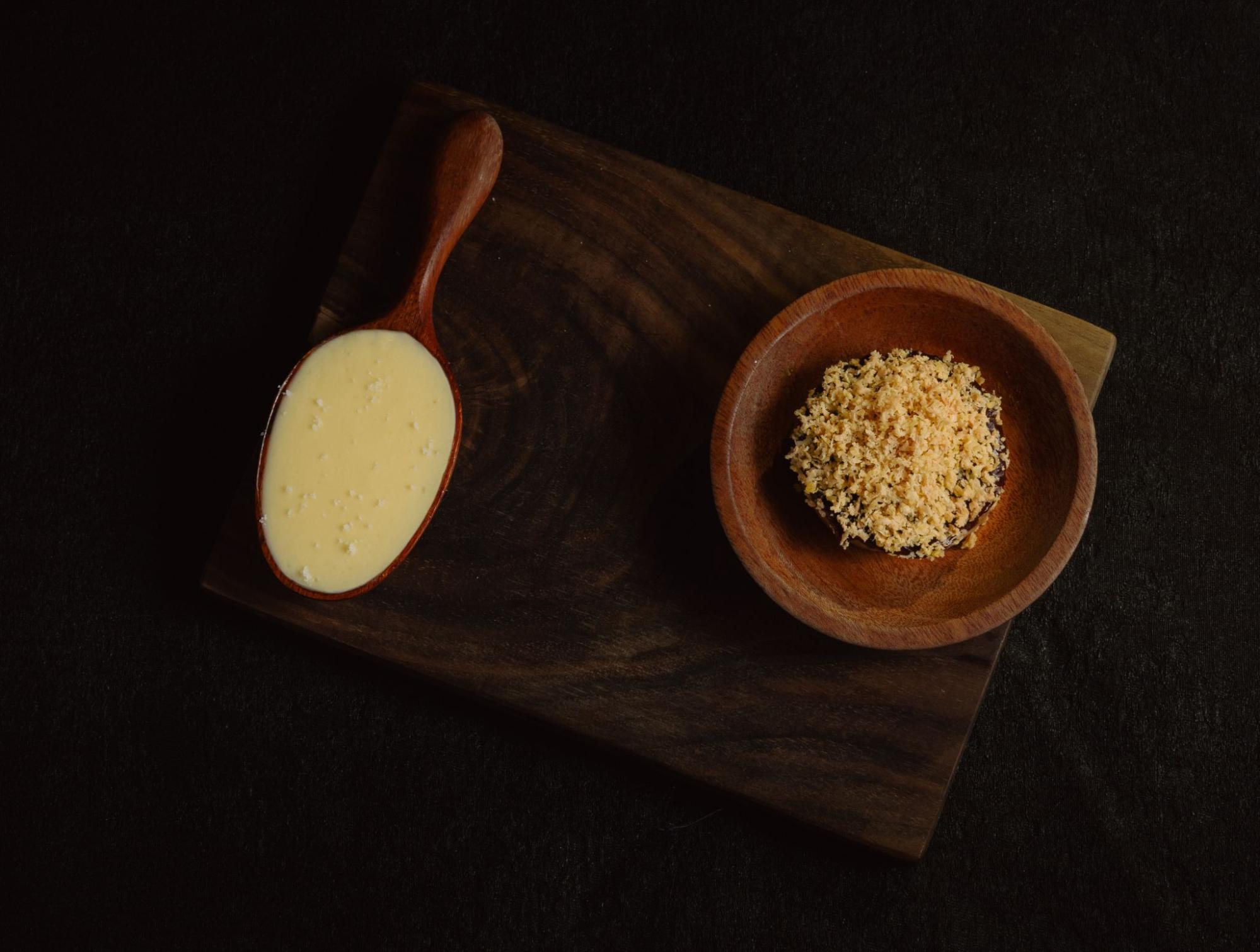
We have moved beyond traditional dairy butter to offer something far more intense. Our Wagyu Beef Fat Butter is created by slowly rendering the fat from premium Wagyu beef. Once the pure, golden fat is extracted, it is whipped to create an airy, creamy consistency.
When you spread this onto the warm bread, it doesn’t just sit on top; it melts into the pores of the millet crumb. The flavor is a profound explosion of umami – savory, rich, and slightly sweet, mimicking the sensation of eating a high-quality steak.
The Smoothness of Tradition: Our Signature Pate
To balance the rustic nature of the bread, we serve a pate that exemplifies refinement. Our pate is a blend of duck liver and goose liver (foie gras), but the secret lies in the technique.
We utilize a traditional French method that involves a panade – a mixture of the sourdough’s soft interior (ruột bánh mì) soaked in liquid – to bind the meat. Instead of using eggs or flour as fillers, we use the bread itself. This technique creates a texture that is impossibly smooth and silky, preventing the pate from becoming grainy or dry. The combination of the fatty, decadent foie gras with the earthy bread binder creates a harmonious circle of flavor, linking the spread back to the loaf it is served upon.
Sensory Notes: A Guide to Tasting
To fully appreciate the Vietnamese Grain Sourdough course, we recommend engaging all your senses:
- Sight: Admire the dark, caramelized crust of the bread and the stark contrast of the pale, whipped Wagyu butter.
- Sound: Listen for the distinct crackle as you break the crust – the sign of a perfectly baked sourdough.
- Touch: Feel the warmth of the bread against the cool, smooth texture of the pate.
- Taste: Begin with a piece of bread with just the Wagyu butter to appreciate the savory beef notes. Then, try the pate. Notice how the acidity of the sourdough cuts through the richness of the foie gras, cleansing the palate and inviting the next bite.
Final Thoughts: Experience Heritage at Chapter
The Vietnamese Grain Sourdough at Chapter Hanoi is more than just a starter; it is a statement of culinary pride. It represents a commitment to sourcing local, reviving history, and executing technique with zero compromise.
Whether you are a connoisseur of fine breads or simply a lover of good food, this course offers a glimpse into the soul of our kitchen. We look forward to welcoming you, breaking bread together, and sharing this delicious piece of living heritage.
_________
Chapter Dining
12C Chan Cam, Hoan Kiem, Hanoi
Mon – Sat from 18:00 – 23:00
Tel: +84 333 201 221 – Reserve a table
Email: reservation@chapter.vn