As the festive season unfolds and we seek flavors that embody both indulgence and the promise of a sweet new year, the Astringent Persimmon emerges as a vibrant centerpiece. With its deep, sunset-orange hue symbolizing prosperity and warmth, this fruit is far more than a simple dessert; it is a journey of flavor that rewards the connoisseur. In the world of fine dining, we celebrate this fruit not just for its taste, but for the story it tells – a narrative where time and patience transform the unapproachable into the exquisite.
Table of Contents
Understanding the Astringent Persimmon: Why Patience is the Key Ingredient
Unlike common fruits that offer instant gratification the moment they are plucked from the branch, the Astringent Persimmon demands a quiet sense of anticipation. We often liken this variety to a “sleeping beauty” in our kitchens. When firm and bright, it guards its sweetness behind a formidable wall of astringency, a natural defense that challenges the hasty palate.
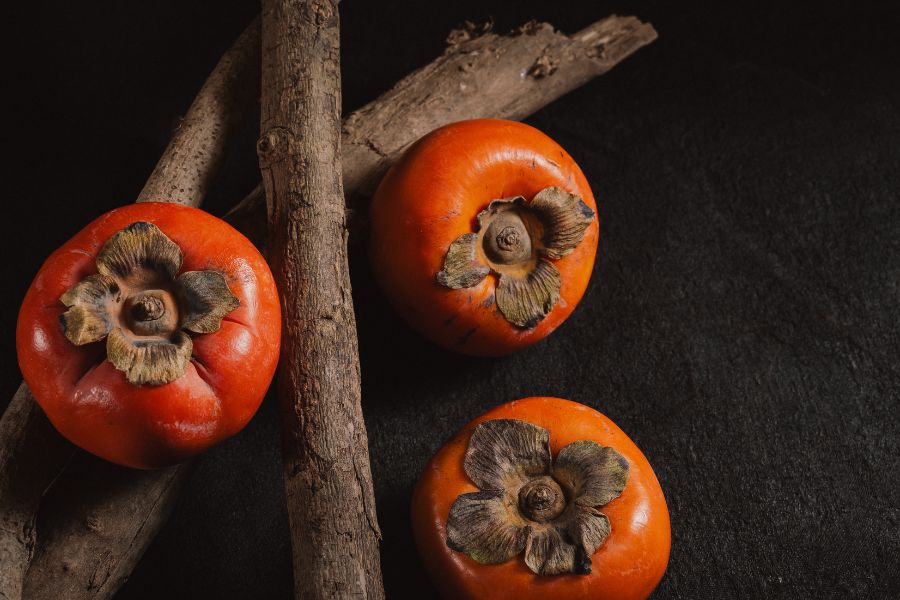
Patience is the essential ingredient that unlocks its true potential. We must wait for the fruit to undergo a natural metamorphosis. It is only through the slow passage of time, or careful curing techniques, that the fruit’s structure yields. This period of waiting is crucial, for it allows the persimmon to transition from a firm, tannic fruit into a delicacy of unparalleled softness, ready to offer its hidden rewards.
The Science of Tannins: From Heart-Shaped Fruit to Velvet Honey
The defining characteristic of the Astringent Persimmon lies in its high tannin content, the source of that initial mouth-drying sensation. However, nature performs a beautiful alchemy as the fruit ripens. The soluble tannins that once created bitterness precipitate and neutralize, while the starches within the flesh break down into simple sugars.
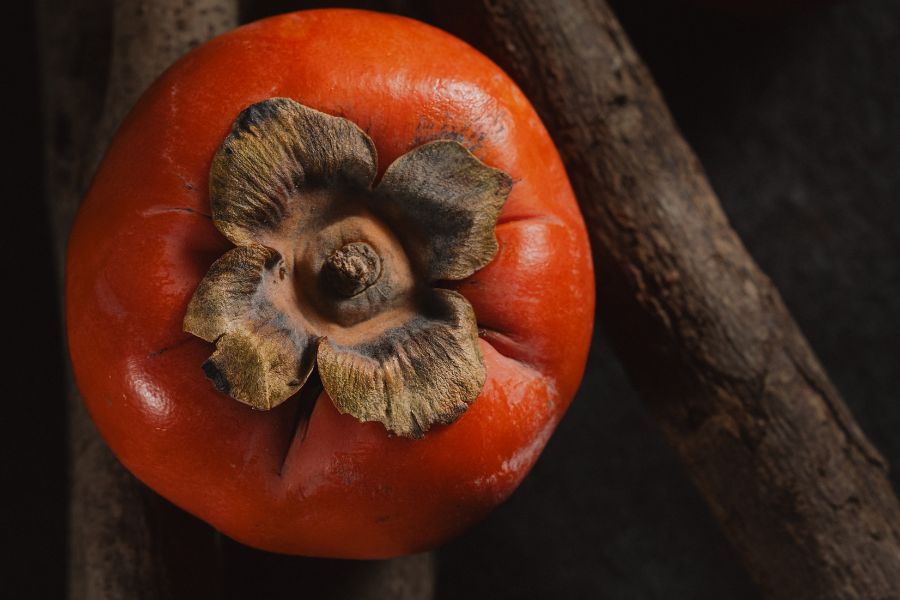
This chemical transformation changes the fruit entirely. The flesh, once crisp and unforgiving, dissolves into a translucent, jelly-like nectar that possesses the texture of custard and the floral sweetness of concentrated honey. In our culinary philosophy, we revere this process. We do not rush the science; instead, we allow the tannins to mellow naturally, resulting in a complex depth of flavor that artificial sweeteners simply cannot replicate.
Astringent vs. Non-Astringent Persimmons: Selecting the Finest Quality
Curating the perfect menu begins with the art of selection. While non-astringent varieties offer a delightful crunch similar to an apple, the Astringent Persimmon – when properly ripened – provides a luscious, spoonable consistency that is prized in high-end gastronomy. It brings a level of sophistication and texture that is ideal for sauces, purées, and elegant plated desserts.
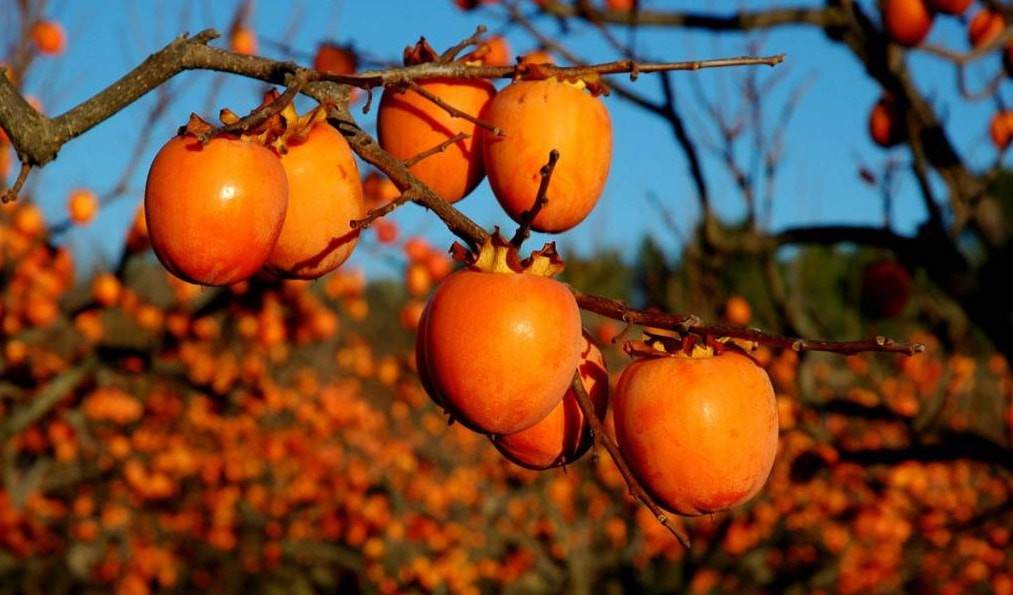
When selecting these gems for our tables, we look for skins that are impossibly thin, almost bursting with the weight of the nectar inside. The color must be a deep, uniform vermilion. A perfect specimen should feel heavy for its size and feel akin to a water balloon in the hand – soft, yielding, and fragile. This fragility is the hallmark of peak ripeness, signaling that the fruit is ready to release its full aromatic bouquet.
Culinary Mastery: How We Elevate the Astringent Persimmon in Fine Dining
In the professional kitchen, we view the Astringent Persimmon as a versatile canvas rather than just a standalone fruit. Its intense natural sweetness and viscous texture make it a magnificent partner for savory elements. We often use the ripe flesh to create a gastrique or reduction that cuts through the richness of foie gras or duck breast, offering a balance of sweet and savory that dances on the palate.
To introduce an intoxicating layer of complexity to the fruit itself, we employ a specialized maceration technique. We brew red and white wine together with rich honey, star anise, warm cinnamon, and the delicate floral notes of Lillet liqueur. By soaking the persimmon in this aromatic, gently heated mixture, the fruit absorbs a profound vinous depth and botanical warmth that elevates its natural profile.
Beyond these applications, it shines in desserts where texture is paramount. We transform the pulp into silky mousses, vibrant sorbets that cleanse the palate, or simply serve it chilled and whole, allowing the diner to scoop out the ambrosial flesh as if enjoying a natural pudding.
Hoshigaki: The Timeless Craft of Hand-Drying Astringent Persimmons
To speak of this fruit’s highest expression is to speak of Hoshigaki. This is not merely dried fruit; it is an ancient craft of preservation that borders on art. The process involves peeling the Astringent Persimmon and hanging it to dry, but the secret lies in the daily massage. Over several weeks, artisans gently knead the fruit to break down the inner fibers and bring the sugars to the surface.
The result is a chewy, tender delicacy dusted in a natural white bloom of crystallized sugar. The flavor is concentrated and intense, reminiscent of caramel and gingerbread. Served thinly sliced, perhaps alongside a premium aged tea, Hoshigaki represents the pinnacle of winter luxury – a testament to the beauty of slow, deliberate craftsmanship.
The Perfect Pairing: Enhancing the Palate with Persimmon Notes
To truly celebrate the Astringent Persimmon, one must master the art of pairing. Its honeyed notes find a perfect counterpoint in creamy, mild cheeses like Burrata or Mascarpone, creating a luscious mouthfeel. Alternatively, the saltiness of cured Iberico ham provides a striking contrast that highlights the fruit’s floral undertones.
For a festive finish, we recommend pairing persimmon desserts with a glass of late-harvest wine or a floral cognac. The acidity of the wine cuts through the sugar, while the fruit’s aroma amplifies the drink’s bouquet. It is a harmonious conclusion to a meal, leaving a lingering impression of warmth and elegance.
Final Thoughts
The Astringent Persimmon is a reminder that the best things in life are worth waiting for. As we gather around the dining table this season, serving a dish centered on this magnificent fruit is a gesture of care and sophistication. It is a celebration of nature’s timing, offering a sweet, golden start to the year ahead. We hope this insight inspires you to welcome this rare gem into your culinary repertoire with the reverence it deserves.
_________
Chapter Dining
12C Chan Cam, Hoan Kiem, Hanoi
Mon – Sat from 18:00 – 23:00
Tel: +84 333 201 221 – Reserve a table
Email: reservation@chapter.vn