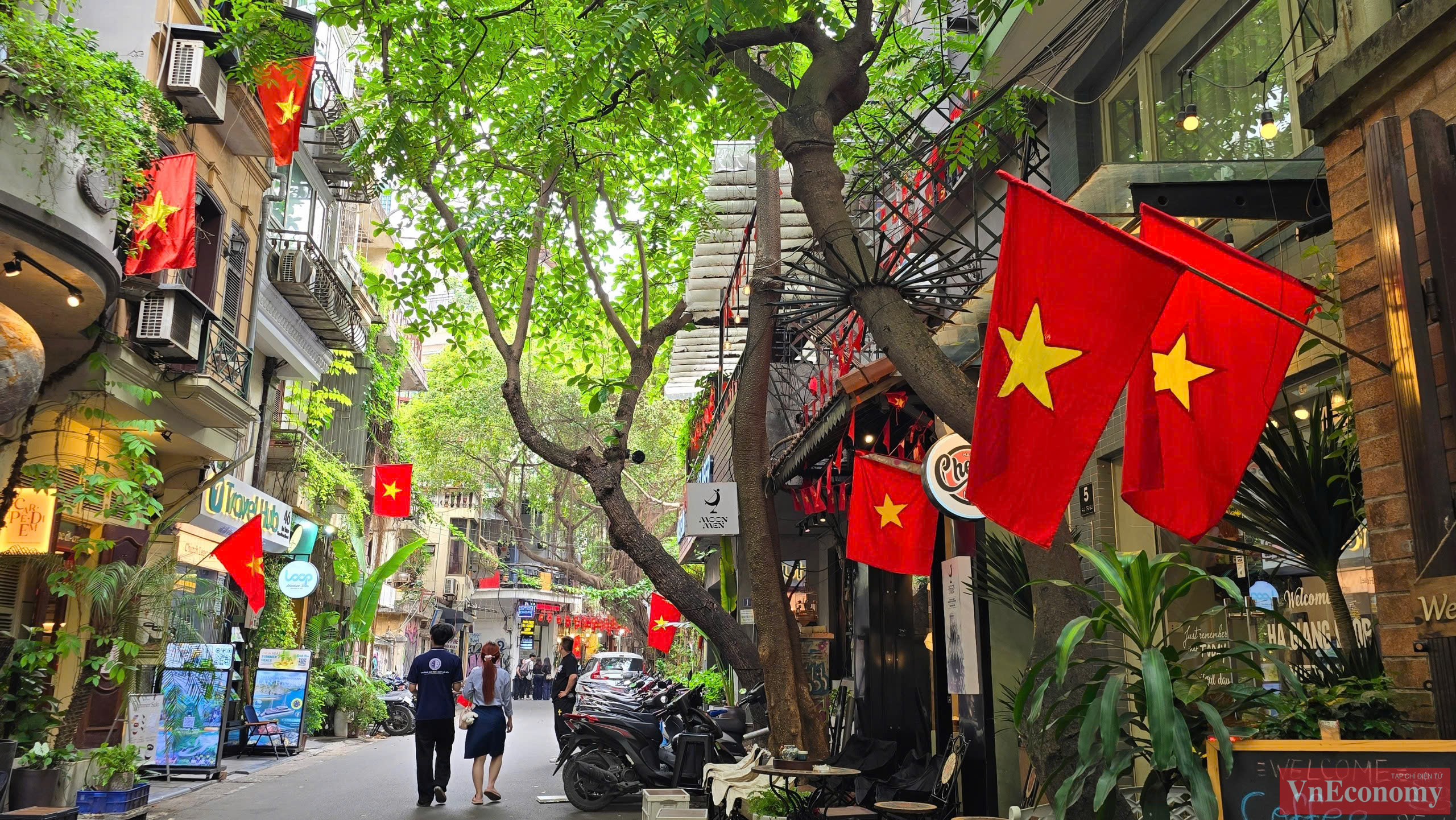
Hanoi can feel intense on a first visit. Motorbikes move in every direction, street names seem to repeat themselves and some of the city’s best meals are served in places that look easy to miss. Yet once you understand its rhythm, the capital becomes surprisingly approachable. The most useful Hanoi travel tips are not about completing a long sightseeing list. They are about choosing the right area to stay, knowing when to walk, understanding how local meals work and leaving enough space for the city to surprise you. This guide gathers 12 practical tips, cultural notes and addresses worth saving before your first trip. Read on to explore Hanoi with more confidence and less unnecessary planning.
Table of Contents
- 1 Before you arrive in Hanoi
- 2 Getting around without unnecessary stress
- 3 Small habits that make Hanoi easier
- 4 Eating well on your first Hanoi trip
- 5 Understanding local spaces and cultural etiquette
- 6 Additional first-time tips worth remembering
- 7 Turn one evening into a deeper Hanoi food experience
- 8 The best Hanoi travel tips all point towards the same idea: slow down enough to understand what is happening around you. Stay centrally, but explore beyond the Old Quarter. Walk in the morning, keep afternoons flexible and match local dishes with the times when Hanoi naturally eats them. Save addresses in Vietnamese, carry some cash and communicate dietary requirements before sitting down.
Before you arrive in Hanoi
Allow at least three full days
Two days are enough to see parts of central Hanoi, but they rarely allow enough time to understand the city. Three full days give you space for the Old Quarter, museums, different neighbourhoods and several unhurried meals. Consider four days if you want to visit Bát Tràng Ceramic Village or spend a morning around Tây Hồ. If your total stay is only two days, avoid adding a distant day trip. Hanoi itself deserves the time.
A useful pace is:
- One central neighbourhood each morning
- One museum or cultural space in the afternoon
- One planned dinner or evening experience
- Enough unscheduled time for cafés and street food
Stay near the Old Quarter, but not on its loudest streets
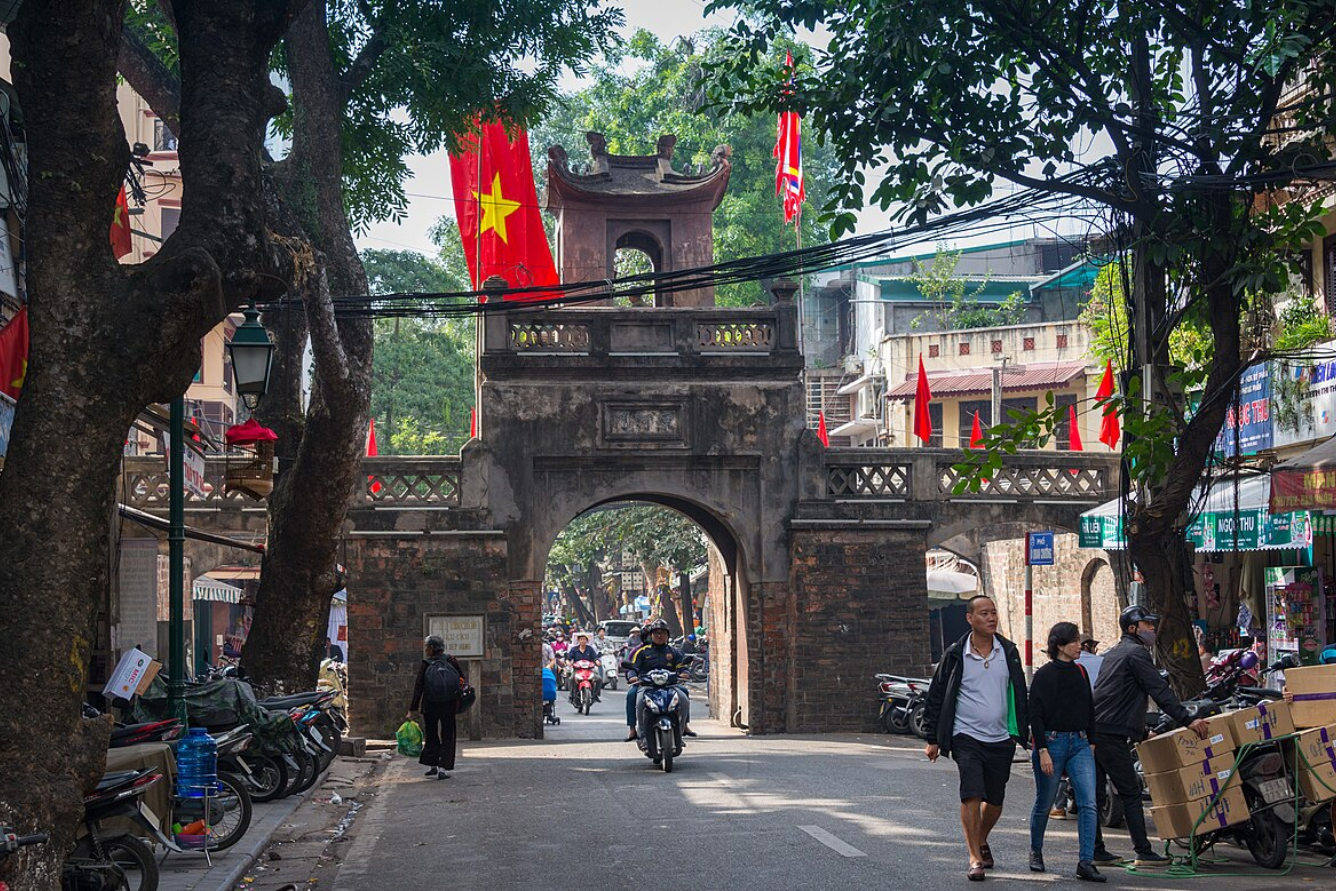
Hoàn Kiếm is the most convenient base for a first trip. Restaurants, cafés, cultural sites and transport services are close together, reducing the amount of time spent in traffic. However, staying directly on nightlife streets such as Tạ Hiện may mean music, crowds and motorbikes until late. Look for accommodation on quieter streets near Nhà Chung, Hàng Gai, Chân Cầm or the edge of the French Quarter.

Consider other areas according to your priorities:
| Area | Best for | Important consideration |
|---|---|---|
| Old Quarter | Short stays, street food and walkability | Can be crowded and noisy |
| French Quarter | Couples, architecture and quieter hotels | Usually more expensive |
| Trúc Bạch | Local food and residential atmosphere | Requires short rides to some attractions |
| Tây Hồ | Longer stays and lakeside cafés | Less convenient for a two-day visit |
Check Hanoi’s season, not Vietnam’s general weather
Vietnam’s climate varies significantly by region. A packing list designed for southern Vietnam may not work in Hanoi.
- March–April: Mild temperatures, humidity and occasional drizzle
- May–August: Hot, humid and prone to sudden heavy rain
- September–November: Often the most comfortable period for walking
- December–February: Cooler and sometimes surprisingly damp
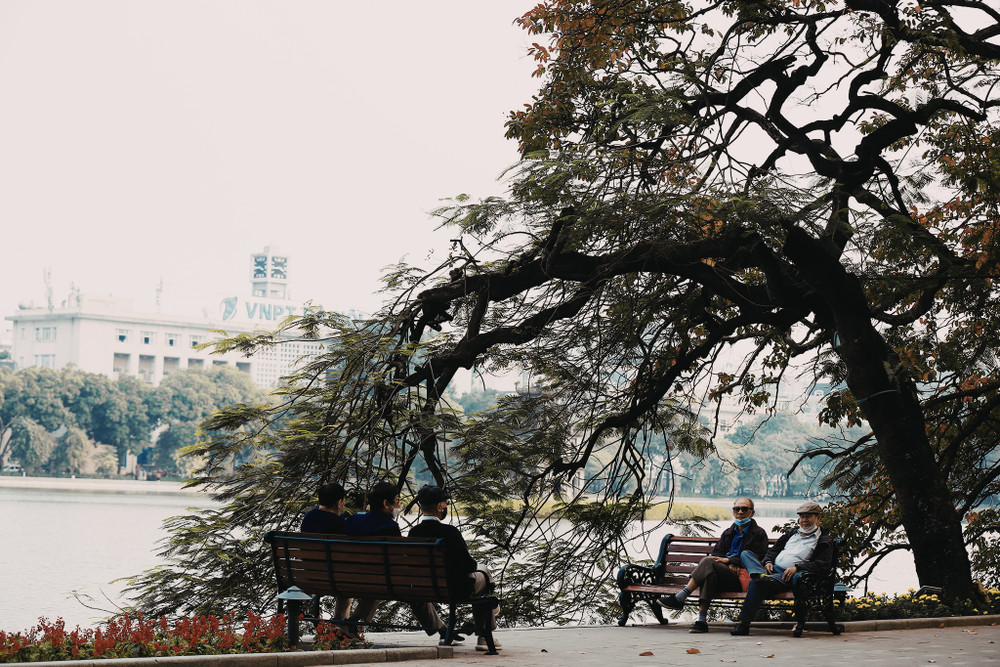
Winter temperatures may not look severe on a forecast, but humidity can make them feel colder. Pack layers rather than relying only on a heavy coat. The official Vietnam tourism weather guide recommends April–June and September–December as favourable periods for visiting Hanoi.
Getting around without unnecessary stress
Choose your airport transfer before landing
Nội Bài International Airport is outside the city centre. Depending on traffic, the journey to Hoàn Kiếm can take around 40–60 minutes or longer.
The main options are:
- Pre-arranged hotel transfer: Easiest for late arrivals or families
- Licensed taxi or ride-hailing car: Convenient for door-to-door travel
- Express Bus 86: Suitable for solo and budget travellers heading towards central Hanoi
Save your hotel name and full Vietnamese address before leaving the terminal. Avoid accepting vague transport offers from individuals who cannot show a clear price or booking record. Schedules and fares may change, so check current information before using the airport bus. Vietnam Airlines outlines the main airport transfer options.
Walk within neighbourhoods, not between all of them
Central Hanoi appears compact on a map, but heat, uneven pavements and traffic can make longer walks tiring. A better approach is to take a taxi or ride-hailing service to one neighbourhood, then explore that area on foot. For example:
- Walk through the Old Quarter in the morning
- Take a car to Ba Đình or Trúc Bạch
- Explore the lake and nearby streets on foot
- Take another short ride back to your hotel
This saves energy and allows you to notice each neighbourhood instead of concentrating only on navigation.
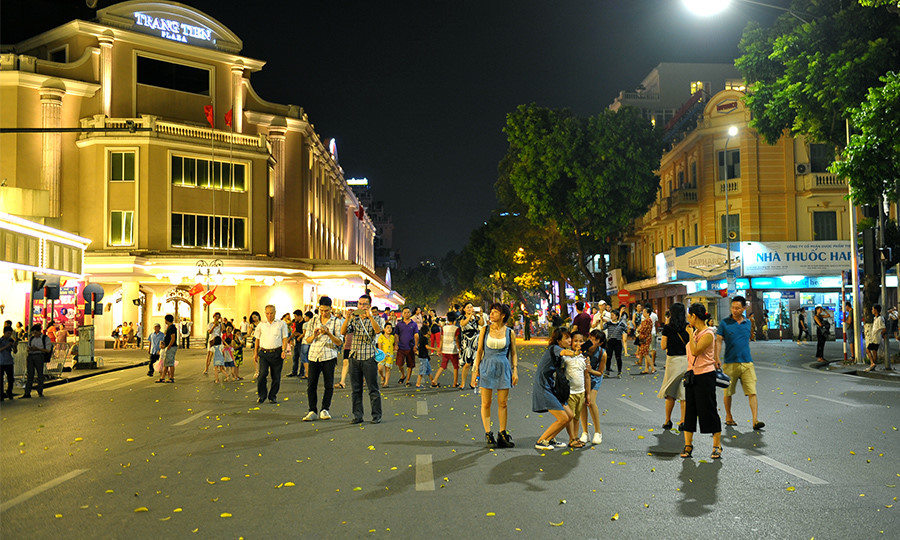
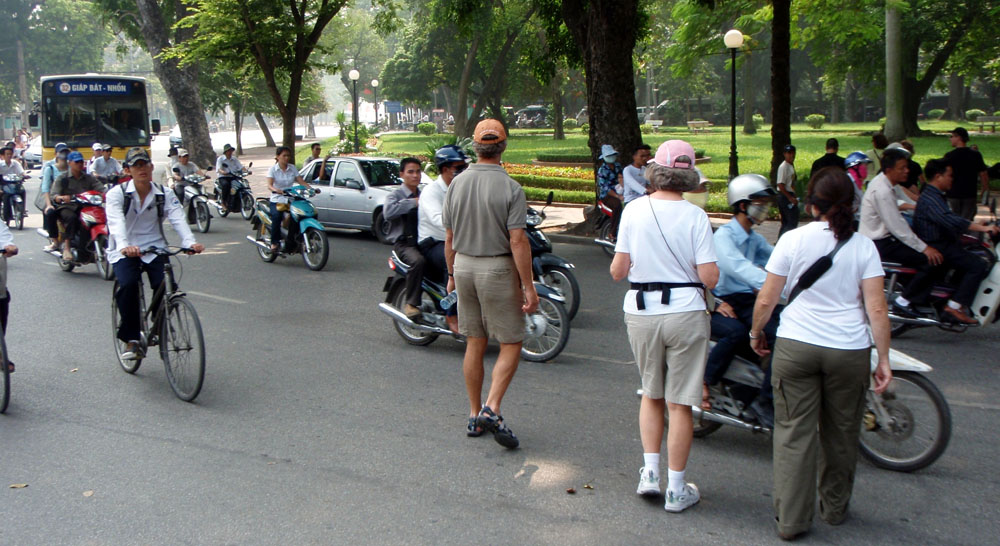
Cross the street slowly and predictably
Waiting for a completely empty road may take a long time. When there is a reasonable gap, walk at a steady pace and avoid stopping or suddenly changing direction. Drivers often anticipate the movement of pedestrians and adjust around them. Unpredictable movement makes crossing more difficult. Whenever possible:
- Use pedestrian crossings and traffic lights
- Cross beside local pedestrians
- Keep your phone away while crossing
- Never assume every vehicle will stop at a red light
- Avoid running between moving motorbikes
Small habits that make Hanoi easier
Save every address in Vietnamese
Street pronunciation can be difficult for first-time visitors, and several names may sound similar. Save the complete address in Vietnamese and show it directly to your driver. Include the venue’s phone number if possible. Small cafés and restaurants sometimes sit inside alleys or behind narrow entrances that are difficult to identify from the street. Useful central addresses include:
- Old Quarter Culture Exchange Center: 50 Đào Duy Từ
- Vietnamese Women’s Museum: 36 Lý Thường Kiệt
- Vietnam National Fine Arts Museum: 66 Nguyễn Thái Học
- Café Giảng: 39 Nguyễn Hữu Huân
- Chapter Dining: 12C Chân Cầm
Carry cash in smaller denominations
Hotels, contemporary restaurants and larger shops generally accept cards, but local markets and small food stalls may accept cash only. Keep smaller notes available for coffee, snacks, transport and market purchases. Avoid handing over a large note for a very small item when the seller is busy. Do not carry all your money in one place. Keep the amount needed for the day accessible and store the remainder securely.
Eating well on your first Hanoi trip
Match dishes with the time of day
Traditional Hanoi restaurants may specialise in one dish and operate only during the hours when local diners usually eat it. Some breakfast restaurants close once their ingredients sell out. A natural daily sequence might be:
- Breakfast: Phở or bánh cuốn
- Lunch: Bún chả or chả cá
- Afternoon: Egg coffee or tea
- Dinner: Shared Vietnamese dishes or a tasting menu in fine dinning
- Evening: Chè, fruit or a light street snack
For breakfast, consider Phở Bò Lâm at 48 Hàng Vải, which generally serves from early morning until mid-morning. For lunch, Bún Chả Ta at 21 Nguyễn Hữu Huân offers an accessible introduction to grilled pork, rice noodles, herbs and dipping broth. If you are travelling with another person, Chả Cá Thăng Long at 6B Đường Thành is well suited to sharing. These restaurants appear in current MICHELIN Guide Hanoi recommendations, but always check opening hours before visiting.
Popular restaurants can be excellent, but a long queue does not automatically mean a place is the only authentic choice. Look for restaurants that:
- Specialise in a limited number of dishes
- Have steady local turnover
- Prepare food continuously
- Display prices clearly
- Keep raw and cooked ingredients appropriately separated
Plan one or two well-known addresses, then leave space for local recommendations. This creates a more personal Hanoi food experience and prevents every meal from becoming a waiting exercise.
Understanding local spaces and cultural etiquette
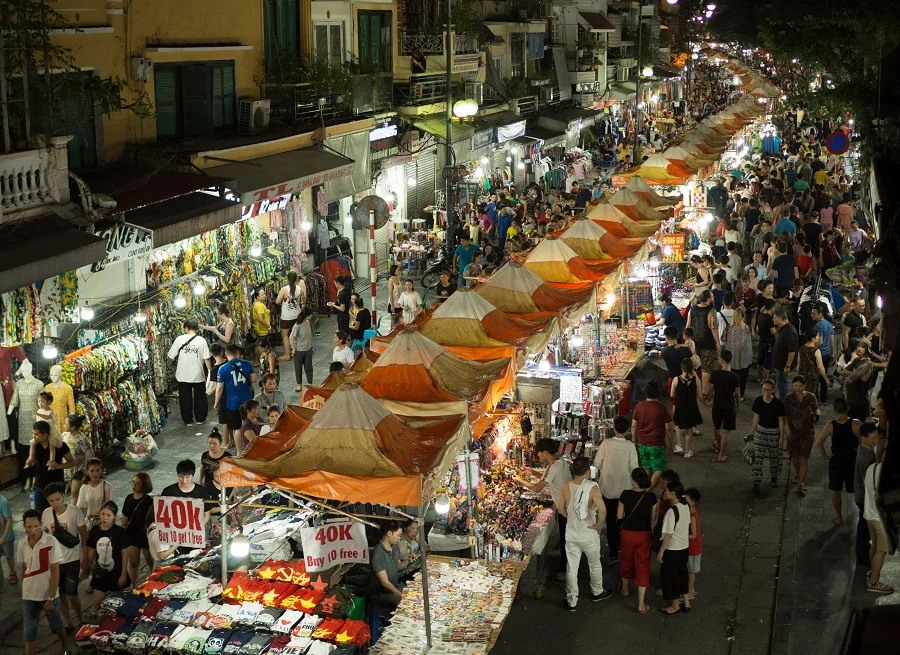
Remember that markets are workplaces
Markets such as Châu Long and Quảng Bá offer valuable insight into everyday Hanoi, but they exist primarily for local trade. At Châu Long Market, 15 Châu Long, visit around 7:00–9:00 AM to observe a traditional neighbourhood market without waking before dawn. For a more unusual experience, Quảng Bá Flower Market at 236 Âu Cơ is most active before sunrise. Use a reputable car service, travel with someone if possible and avoid standing in loading areas.
When visiting any market:
- Ask before taking close-up portraits
- Do not block vendors or delivery vehicles
- Avoid handling produce without permission
- Keep bags close to your body
- Buy a small item if you spend time photographing a stall
Additional first-time tips worth remembering
Do not rely on Train Street as a fixed plan
Access restrictions and railway operations can change. Do not build an entire afternoon around Train Street or follow strangers through restricted entrances. If you visit the area, follow official safety instructions and remain behind designated boundaries.
Use museums to understand what you see outside
A museum visit early in the trip can make later neighbourhood walks more meaningful. The Old Quarter Culture Exchange Center at 50 Đào Duy Từ explains the trades, architecture and domestic spaces of the historic district.
The Vietnamese Women’s Museum at 36 Lý Thường Kiệt provides context on family life, work, clothing and the experiences of women across Vietnam. For art and visual culture, visit the Vietnam National Fine Arts Museum at 66 Nguyễn Thái Học. Its official visitor page currently lists opening hours from 8:30 AM to 5:00 PM, Tuesday to Sunday.
Dress with cultural spaces in mind
Light clothing is practical during summer, but carry a scarf or additional layer if you plan to visit temples and religious sites. Cover shoulders and knees where requested.
Speak quietly, avoid interrupting ceremonies and ask before photographing worshippers or altars.
Tell restaurants about allergies before arriving
Ingredients such as fish sauce, shrimp paste, peanuts, shellfish and fermented products may not always be visible in a finished dish.
For casual restaurants, keep a translated allergy card on your phone. For tasting menus, contact the restaurant before booking and describe the severity of the allergy clearly.
Turn one evening into a deeper Hanoi food experience
One of the most useful Hanoi travel tips is to experience the city’s food at more than one level. Street stalls introduce its everyday flavours, while a contemporary tasting menu reveals how the same ingredients, traditions and memories can evolve.
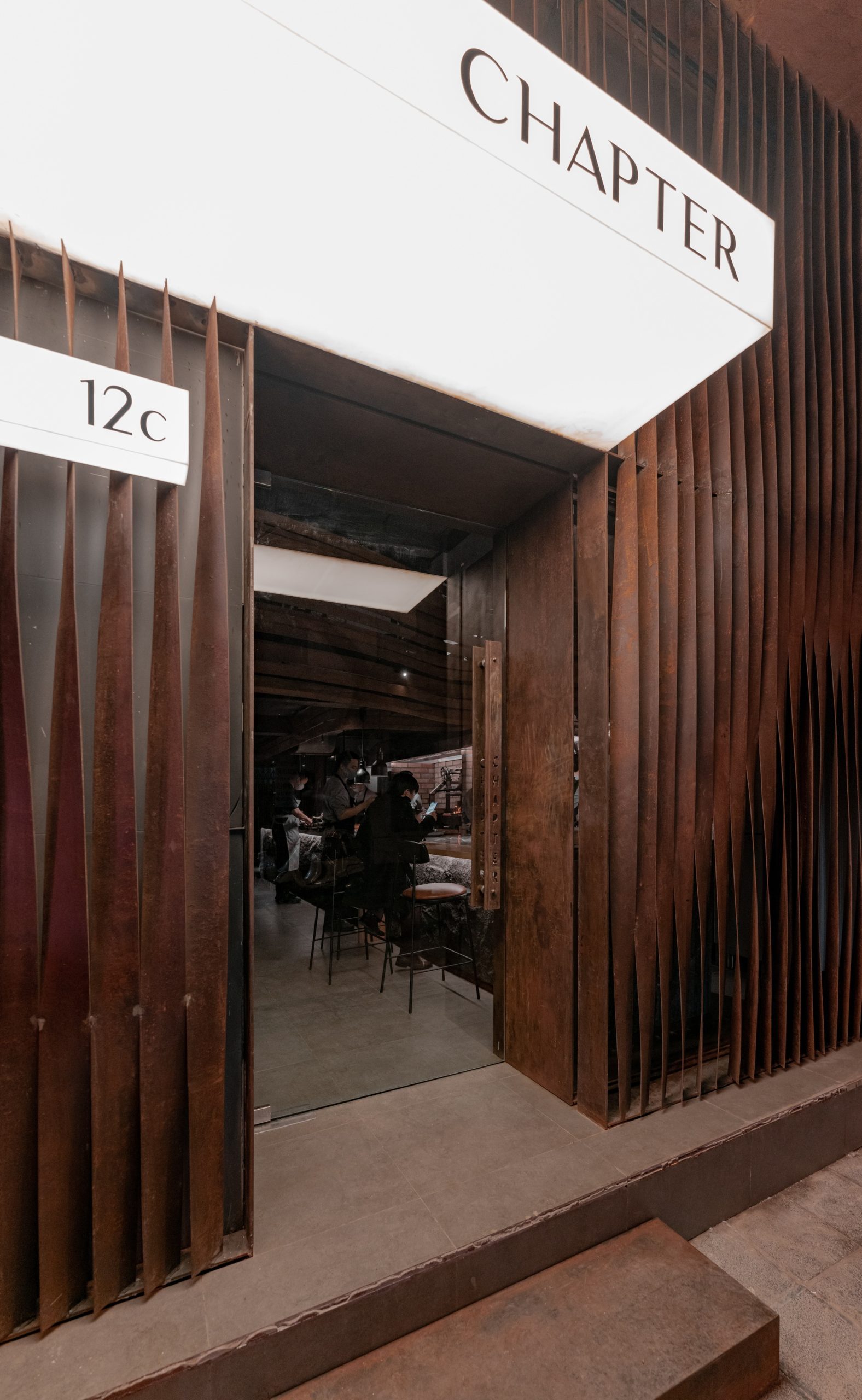
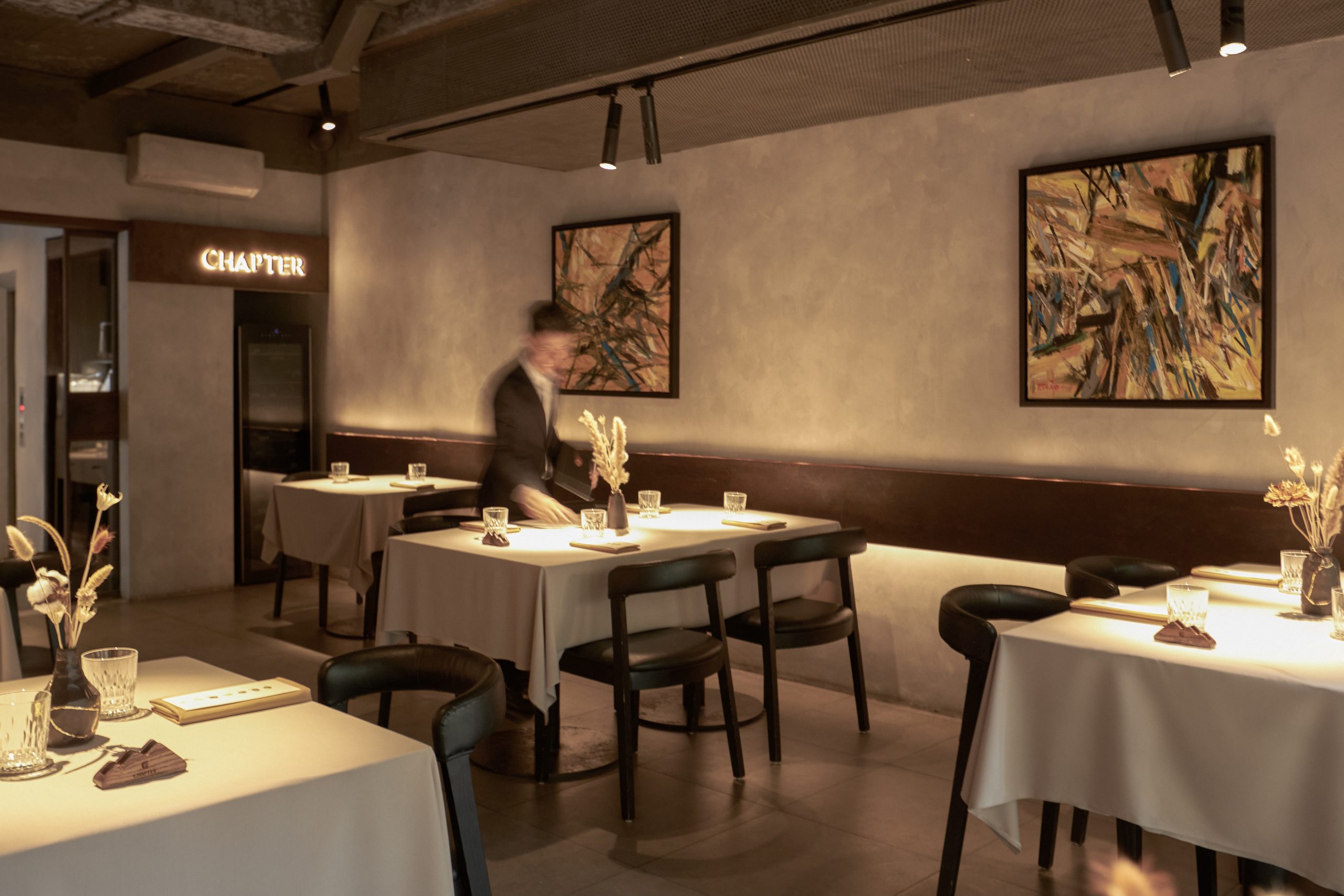
At Chapter Dining, seasonal produce and Northern Vietnamese culinary culture unfold through a carefully paced series of courses. Rather than recreating traditional dishes exactly, the restaurant uses fermentation, charcoal cooking and contemporary techniques to offer a new perspective on familiar flavours. It is a fitting experience for first-time visitors who want to understand Hanoi beyond its best-known street food.
Chapter serves a seasonal tasting menu only, so reserve in advance and share any allergies at least 24 hours before dining.
- Address: 12C Chân Cầm, Hoàn Kiếm, Hanoi
- Opening hours: Monday–Saturday, 6:00 PM–11:00 PM
- Recommended for: Couples, food-focused travellers and special evenings
The best Hanoi travel tips all point towards the same idea: slow down enough to understand what is happening around you. Stay centrally, but explore beyond the Old Quarter. Walk in the morning, keep afternoons flexible and match local dishes with the times when Hanoi naturally eats them. Save addresses in Vietnamese, carry some cash and communicate dietary requirements before sitting down.
Most importantly, do not measure the trip by how many places you complete. Let markets, cafés, museums and meals gradually reveal the city. To finish one evening with a contemporary view of Northern Vietnamese cuisine, reserve a table at Chapter Dining and discover how Hanoi’s seasons and food memories unfold through a tasting menu.
_________
Chapter Dining
12C Chan Cam, Hoan Kiem, Hanoi
Mon – Sat from 18:00 – 23:00
Tel: +84 333 201 221 – Reserve a table
Email: reservation@chapter.vn