Wine pairing Vietnam reveals the subtle ways drinks can enhance the complexity of local dishes. Its practice captures both tradition and a modern appreciation for flavor harmony. Continue reading to uncover tips and perspectives that elevate every Vietnamese fine dining experience.
Table of Contents
Is Pairing Food With Wine Overrated in Vietnam?
Many diners wonder whether wine pairing is exaggerated, yet its cultural depth remains unmistakable in Vietnam. The longstanding connection between drinking and dining reflects a natural desire for harmony at the table.
Vietnamese gastronomy itself embraces this unity through the idea of “Ẩm” and “Thực,” which highlights balance as an essential value. Although opinions differ on the digestive benefits of alcohol, its gentle presence often shapes a more relaxed atmosphere. This ease encourages guests to appreciate each course with greater openness, allowing the entire meal to unfold with quiet elegance.
Decoding the Distinct Flavors of Vietnamese Cuisine
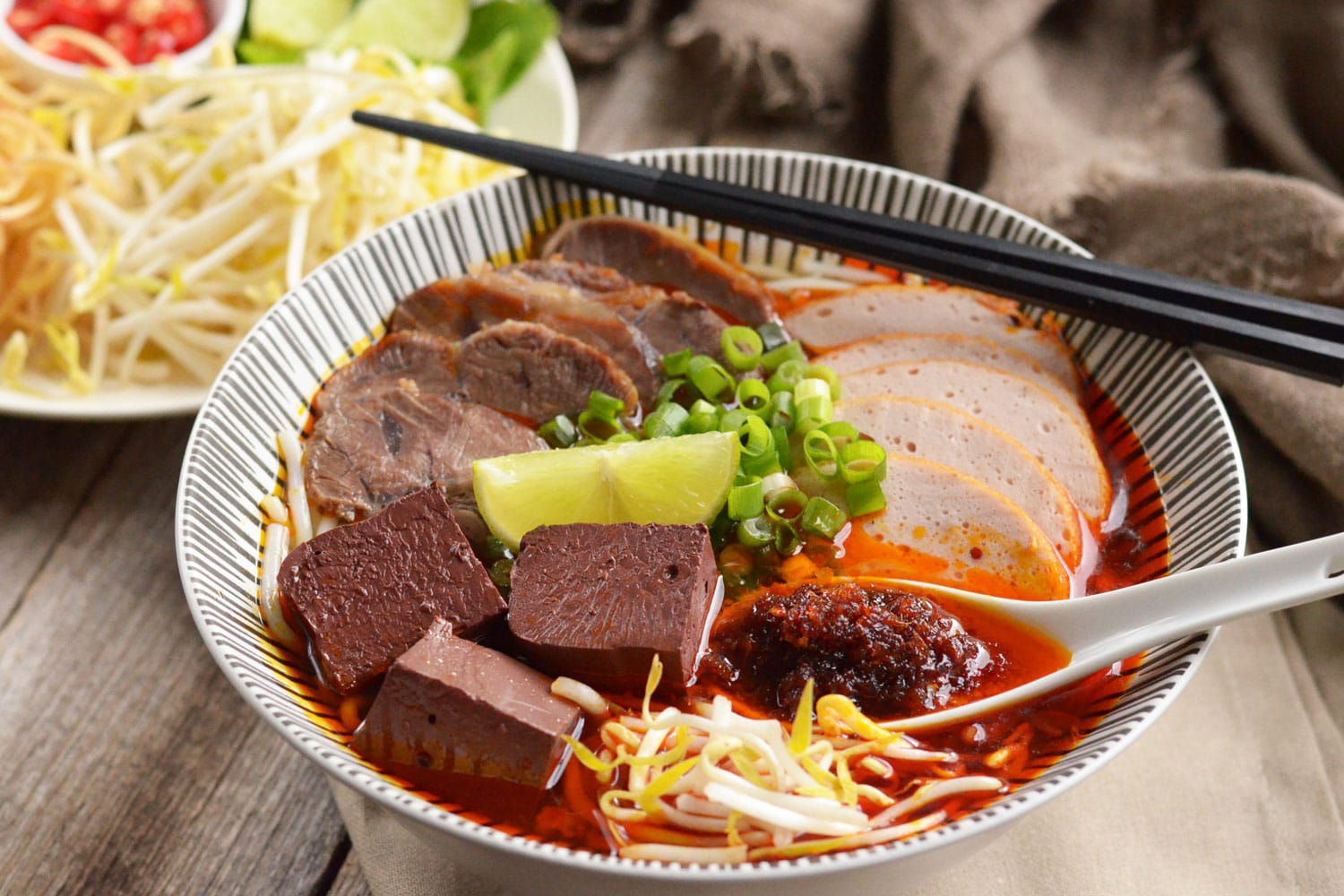
Before diving deep the wine pairing Vietnam, you should gain knowledge about Vietnamese flavor profiles. Vietnamese cuisine presents a graceful balance built on freshness, subtle seasoning, and thoughtfully layered aromatics. Mint, cilantro, and lime introduce vivid brightness while keeping every flavour light on the palate. Fish sauce, garlic, and ginger add quiet depth, creating a rounded foundation for many iconic dishes.
These elements form a spectrum moving from zesty heat to gentle sweetness, offering diners a remarkably nuanced journey. Pho, salads, and caramelized meats each express this harmony through distinct textures and tones. Coconut milk desserts then provide a soft, cooling finish. Understanding these dimensions allows wine pairings to enhance purity, lift contrast, and preserve elegant cohesion.
Principles for Choosing the Right Wine
Choosing the right wine begins with understanding how flavors complement or gently counterbalance each other across a meal. These guiding principles set the stage for thoughtful pairing strategies that enhance every dish with quiet refinement.
Dishes Driven by Freshness and Aromatic Herbs
Fresh Vietnamese dishes showcase bright herbs and crisp vegetables, inviting wines that mirror this vibrancy. Sauvignon Blanc complements mint, cilantro, and lime-dressed salads with its lively citrus and green notes. Its acidity lifts flavors while maintaining harmony across the plate.
Pinot Grigio enhances lighter vegetables and delicate fish, adding subtle fruitiness that balances freshness. Together, these wines highlight each herb’s character, creating a cohesive and refined tasting experience.
Plates with Spicy Heat and Bright Acidity
Spicy Vietnamese dishes feature lively heat and bright citrus notes that awaken the palate. Riesling balances the spice with crisp acidity and gentle fruitiness. Gewürztraminer adds subtle sweetness and aromatic depth to soothe fiery flavours. These wines elevate the dish while keeping each spice and tangy note vibrant yet refined. The combination preserves clarity and elegance, creating a harmonious tasting experience with every bite.
Hearty, Savory, and Full-Bodied Creations
Richer Vietnamese dishes highlight meat and umami-rich sauces that demand wines with body and depth. Pinot Noir balances fruit and earthy notes, complementing slow-cooked broths and roasted meats. Oak-aged Chardonnay adds creamy, buttery texture that harmonizes with savory flavors without overwhelming them. Both wines support richness while maintaining elegance and balance.
Desserts with Sweet, Silky, and Creamy Notes
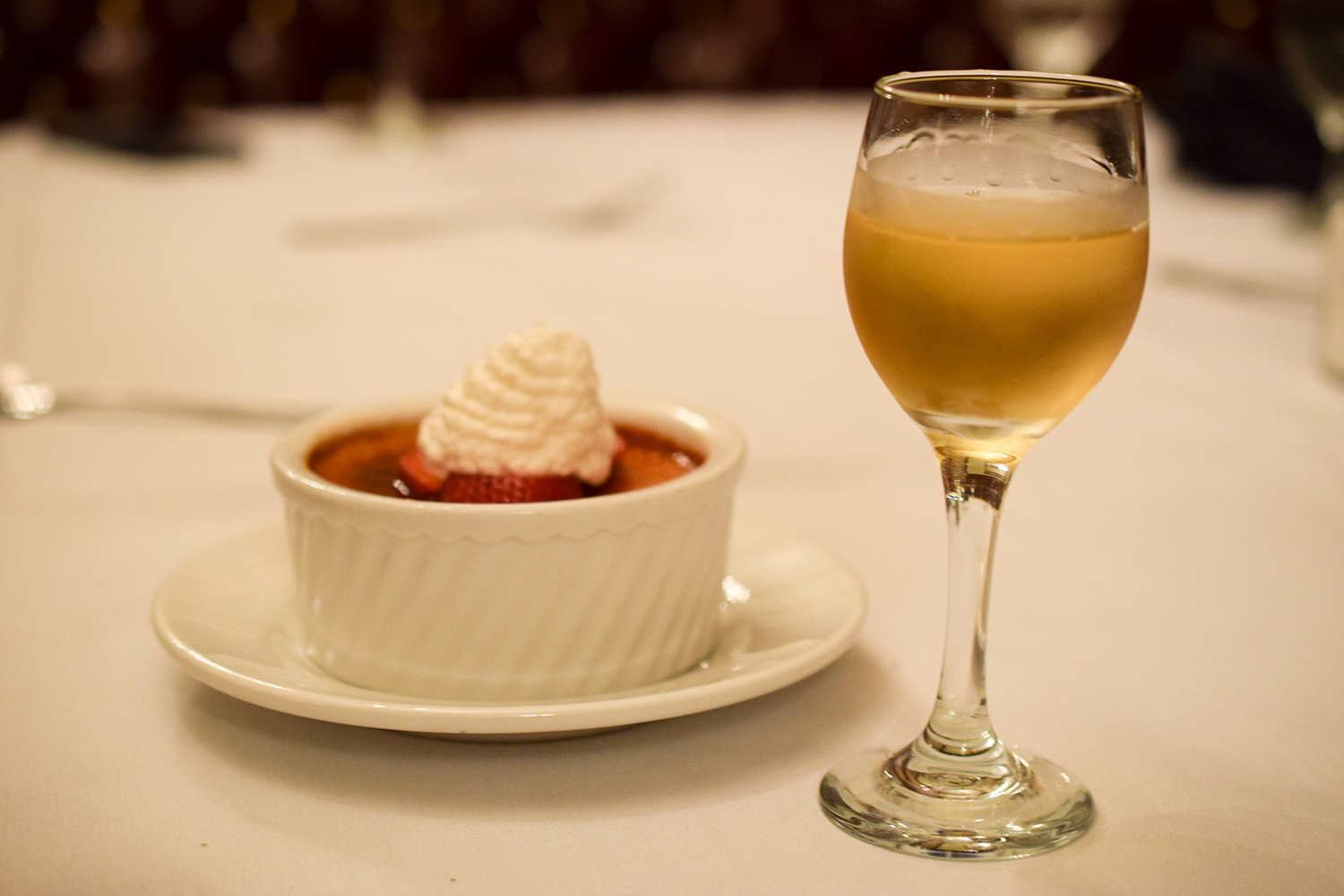
Vietnamese desserts feature coconut, tropical fruits, and tender textures that balance moderate sweetness elegantly. Moscato adds light effervescence and floral notes that brighten lighter sweets. Late harvest wines offer richer body and gentle sweetness, pairing harmoniously with denser treats. These wine selections enhance flavors while maintaining elegance, allowing each creamy and silky element to be savored fully.
Useful Tips to Master Wine Pairing Vietnam
Mastering wine pairing Vietnam begins with understanding the cuisine’s delicate balance of flavors and textures. Each dish carries unique aromatics and intensity that influence the choice of wine to elevate the experience.
- Experiment with Balance: Matching flavours requires attention to intensity and weight; a robust red might overwhelm delicate salads. Rich meats call for fuller-bodied wines to maintain harmony without masking subtleties.
- Consider the Context: The setting influences wine choices. An outdoor summer dinner favors light, refreshing wines, while winter meals suit richer selections.
- Regional Pairings: Wines from climates similar to Vietnam, such as Australia or California, often complement vibrant herbs and spices. These options provide balance and versatility across various dishes.
- Personal Preference: Trust your taste when selecting wine. Enjoying the pairing matters more than strictly following rules, and exploration can reveal surprising delights.
- Focus on Texture: Pay attention to how the wine’s body interacts with the dish. Silky wines enhance creamy textures, while crisp wines elevate fresh, herbaceous preparations.
Wine pairing Vietnam traditions highlight how harmony between food and wine can elevate even the most familiar flavors. This perspective reinforces the idea that thoughtful choices create a dining experience defined by depth and intention. For those seeking to explore this approach in its finest form, Chapter Dining invites guests to enjoy Vietnamese contemporary fine dining at its most refined.
_________
Chapter Dining
12C Chan Cam, Hoan Kiem, Hanoi
Mon – Sat from 18:00 – 23:00
Tel: +84 333 201 221 – Reserve a table
Email: reservation@chapter.vn