In the misty highlands of Northwest Vietnam, where the clouds embrace the peaks and the air carries the scent of woodsmoke, flavor is not just a sensation—it is a survival mechanism and a cultural treasure. At the heart of this culinary landscape lies Cham cheo, a dipping salt that is far more complex than its humble appearance suggests. Once a secret kept within the stilt houses of the Thai ethnic people, Cham cheo is now making its ascent into modern gastronomy, bringing the wild, untamed spirit of the forest to the refined palate.
Table of Contents
- 1 Origins: The Ancient Soul of the Black Thai People
- 2 Decoding “Cham cheo” – More Than a Condiment
- 3 The Anatomy of Flavor: Ingredients of the Forest
- 4 From the Stilt House to the Fine Dining Table
- 5 Pairing Suggestions: A Symphony of Textures
- 6 Preserving Heritage through Culinary Innovation
- 7 Final Thoughts
Origins: The Ancient Soul of the Black Thai People
Before dissecting its flavor profile, one must understand its roots. Cham cheo (often spelled Chẩm chéo) is the culinary birthright of the Thai ethnic minority, specifically the Black Thai people of Son La and Dien Bien provinces.
Etymologically, the name is a direct instruction on its preparation and nature. In the Thai language, “Chẩm” means the dipping sauce, and “Chéo” refers to the aromatic scent crafted from a specific combination of herbs and spices. It is not merely a condiment added as an afterthought; it is the centerpiece of the meal, historically serving as a warming agent to counteract the bone-chilling cold of the mountain winters. For generations, no meal in a Thai stilt house was considered complete without a bowl of this rustic, smoky elixir.
Decoding “Cham cheo” – More Than a Condiment
To label Cham cheo as a simple “dipping salt” is a gastronomic understatement. It is a dry or semi-wet dip that represents the perfect balance of the five basic tastes, heavily influenced by the concept of Yin and Yang.
While the modern pantry is filled with processed sauces, Cham cheo stands out as a raw, living connection to the land. It functions as a flavor enhancer, a digestive aid, and a palate cleanser all in one. In modern gastronomy, chefs are beginning to view Cham cheo not just as a side dish, but as a complex seasoning rub or a finishing element that adds depth, heat, and an unparalleled aromatic profile to dishes.
The Anatomy of Flavor: Ingredients of the Forest
The true value of Cham cheo in a fine dining context lies in the provenance and rarity of its ingredients. This is not a blend that can be replicated with generic supermarket spices; it requires the terroir of the Northwest forests.
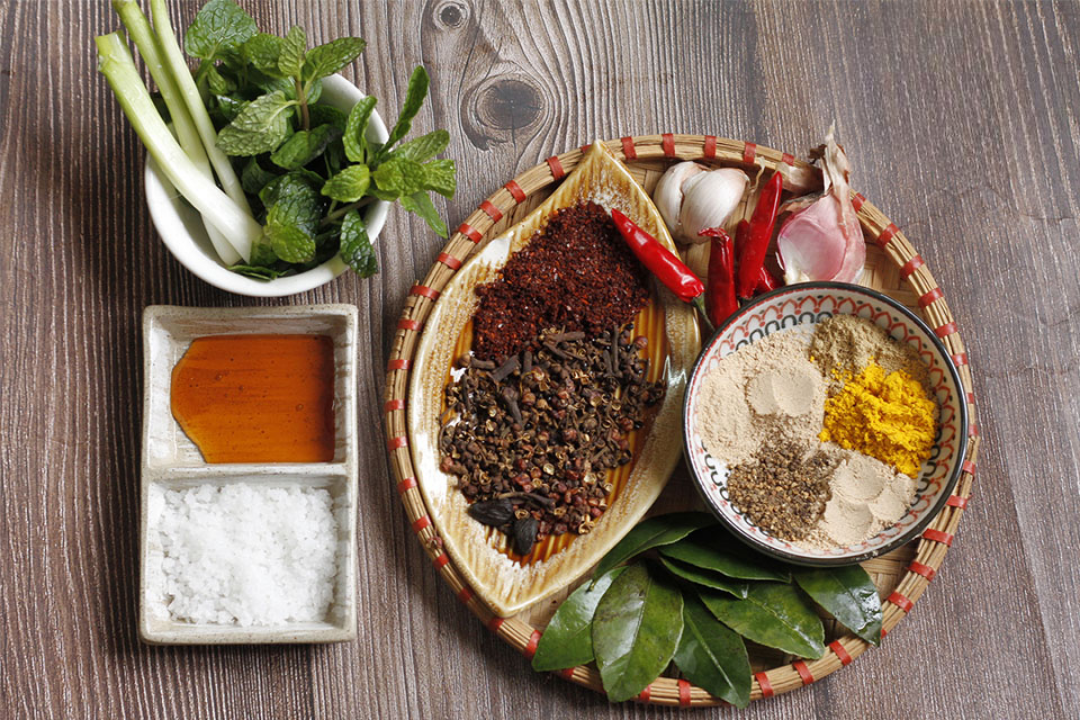
- Mắc Khén (Wild Pepper): Often dubbed the “Vietnamese Sichuan Pepper,” this is the soul of the dish. However, unlike the numbing aggression of Sichuan pepper, Mắc khén offers a refined, citrusy floral note with a gentle tingling sensation. It must be harvested wild, dried, and toasted to release its essential oils.
- Hạt Dổi (Forest Wood Spice): Known as the “black gold” of the Northwest forests, these seeds are incredibly rare and expensive. They impart a deep, smoky, woody aroma that is reminiscent of a campfire. In high-end cuisine, Hạt dổi is prized for its ability to add a smoked flavor without the use of actual smoke.
- The Herbal Ensemble: A meticulously balanced mix of cilantro, sawtooth coriander (ngò gai), garlic, fresh chili, and lemongrass.
- The Process: The “luxury” here is in the technique. The ingredients must be toasted over wood charcoal to specific levels of char, then pounded by hand in a stone mortar. This mechanical crushing, rather than blending, preserves the integrity of the essential oils and creates a rustic texture that is visually and texturally appealing.
From the Stilt House to the Fine Dining Table
How does a tribal staple translate to white tablecloths? Modern chefs are deconstructing Cham cheo to utilize its potential in La Grande Cuisine.
It is no longer just a dip. We are seeing:
- Cham Cheo Crusted Meats: Using the spice blend as a crust for dry-aged steaks or sous-vide lamb, where the heat activates the Mắc khén oils.
- Emulsions and Foams: Infusing the oils of Hạt dổi and herbs into foams to top scallops or white fish, providing a mountain-forest contrast to seafood.
- Vegetable Glazes: Mixing the spice paste with reduced stocks to glaze root vegetables, elevating humble ingredients to star status.
Pairing Suggestions: A Symphony of Textures
Because Cham cheo possesses heat, saltiness, and distinct herbal notes, it requires pairings that offer textural contrast and allow the spice to cut through richness.
For the Carnivore
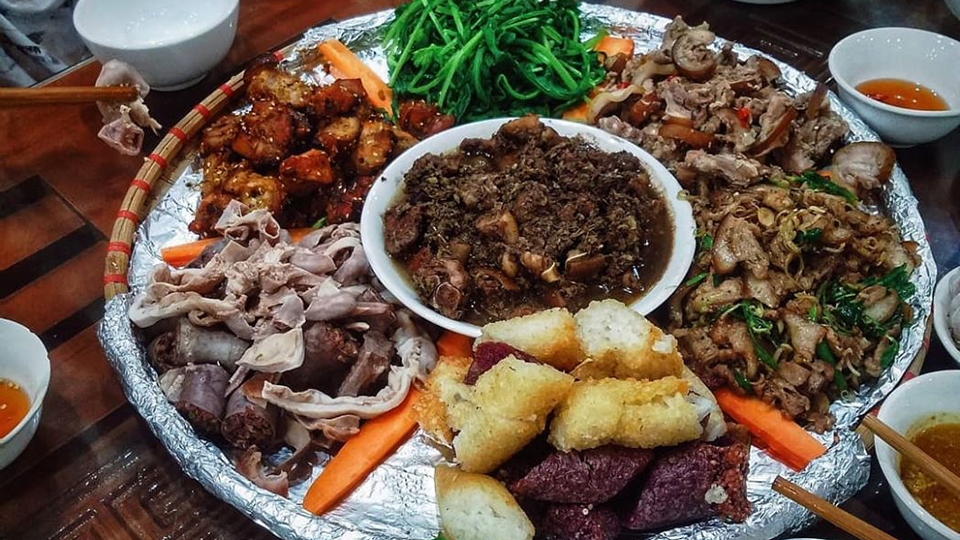
- Kitchen Smoked Pork (Thịt Gác Bếp): The traditional pairing. The chewiness of the dried meat is softened by the spicy moisture of the dip.
- Wagyu Beef: The intense marbling of A5 Wagyu is perfectly cut by the citrusy astringency of Mắc khén, preventing the palate from becoming overwhelmed by fat.
- Grilled Lamb Chops: The gamey flavor of lamb harmonizes beautifully with the wood-smoke notes of Hạt dổi.
For the Herbivore
- Mountain Bamboo Shoots: Boiled fresh bamboo shoots offer a sweet crunch that acts as a blank canvas for the complex dip.
- Charred Cruciferous Vegetables: Grilled broccolini or cauliflower steaks benefit from the smoky kick, adding a meaty depth to vegetarian dishes.
The Palate Cleanser
- Tart Fruits: Slices of sour green mango or Asian plum (Mận) dipped in Cham cheo create an explosion of sour, spicy, and salty flavors that awaken the senses.
Preserving Heritage through Culinary Innovation
Bringing Cham cheo into the spotlight of modern gastronomy is an act of cultural preservation. By valuing these wild-foraged ingredients, the culinary world supports the livelihoods of ethnic minority farmers who harvest Mắc khén and Hạt dổi sustainably.
It encourages a shift away from industrial farming and back to the forest. When a fine dining establishment features Cham cheo, they are telling a story of the land, preserving the genetic diversity of these unique plants, and honoring the ancestral knowledge of the Thai people.
Final Thoughts
Cham cheo bridges the gap between ancient stilt houses and global gastronomy. It is the taste of the mountains – refined, smoky, and unforgettable. Discover the refined interpretation of these indigenous flavors at Chapter Dining, where the soul of the Northwest is masterfully woven into a contemporary culinary journey.