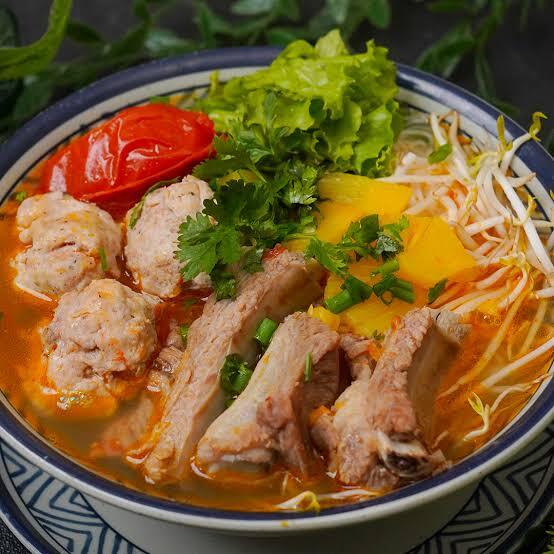
Hanoi’s culinary map is a complex tapestry of flavors, ranging from the world-famous Pho to the rustic charm of Bun Cha. However, among the myriad of dishes, Bun Thang stands out as the pinnacle of Hanoian elegance and culinary precision. Often referred to as the “multi-colored noodle soup,” Bun Thang is not just a meal; it is a testament to the meticulous nature of Northern Vietnamese home cooking. In this comprehensive guide, we explore the history, the intricate preparation, and the best places to experience an authentic bowl of Bun Thang in Hanoi.
Table of Contents
Understanding Bun Thang: The “Sophisticated” noodle Soup
The name “Bun Thang” translates literally to “vermicelli ladder” or “vermicelli prescriptions.” While the “ladder” might refer to the way the ingredients are arranged, many culinary historians believe the name stems from the Chinese herbal medicine tradition. Just as a pharmacist carefully weighs out “thang” (doses) of herbs to create a balanced medicine, a Hanoian cook must precisely balance nearly twenty ingredients to create this harmonious dish.
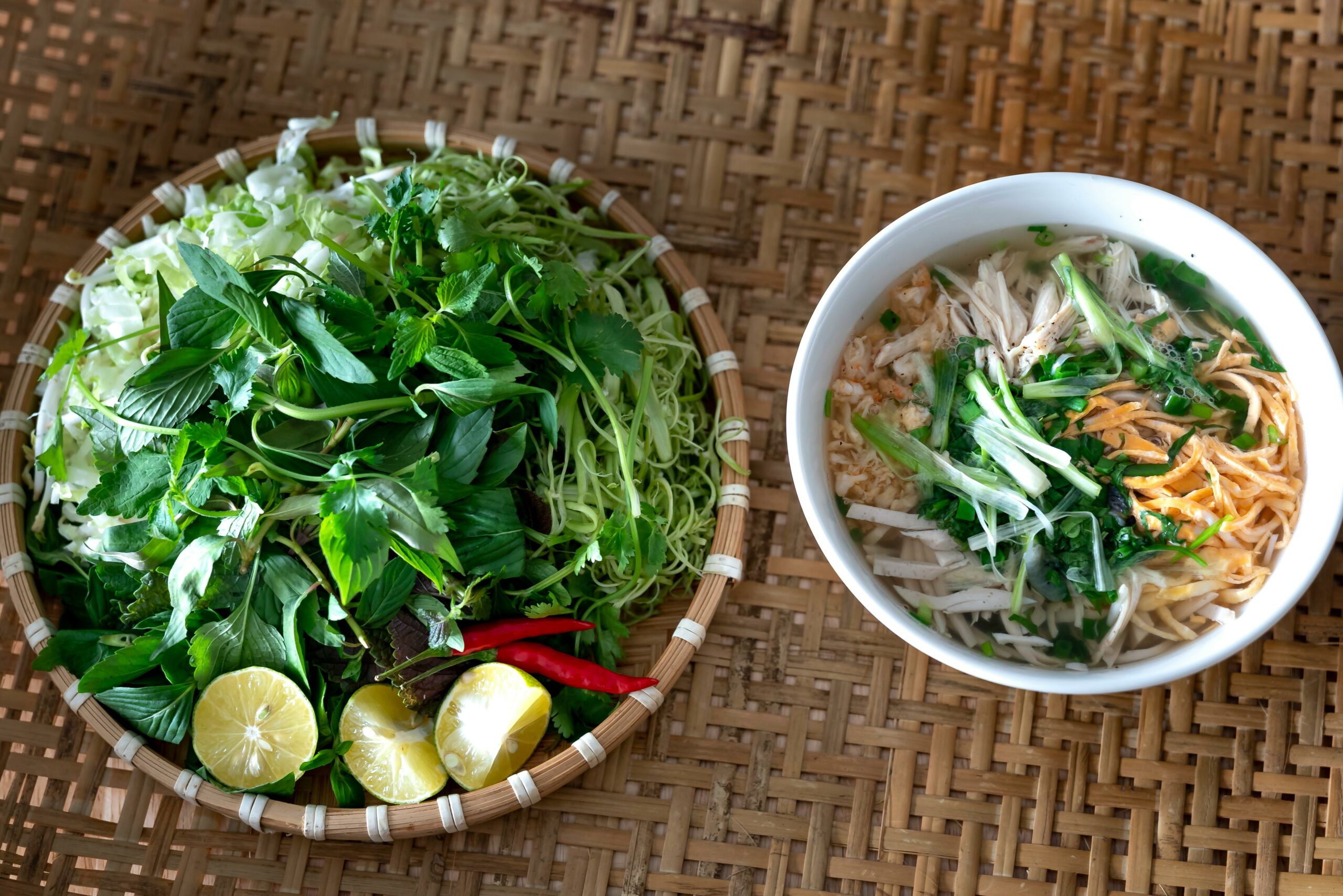
Historically, Bun Thang was a creative way for Hanoian families to repurpose leftover ingredients from the Lunar New Year (Tet) holiday. By shredding leftover chicken, pork, and eggs, and simmering bones for a fresh broth, they created a dish that was light, refreshing, and sophisticated—a perfect antidote to the heavy, oil-rich foods of the holiday season.
The anatomy of a perfect bowl with ingredients and aesthetics
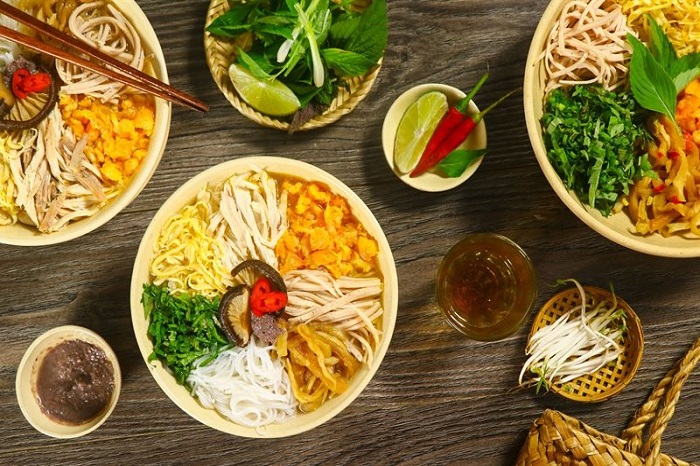
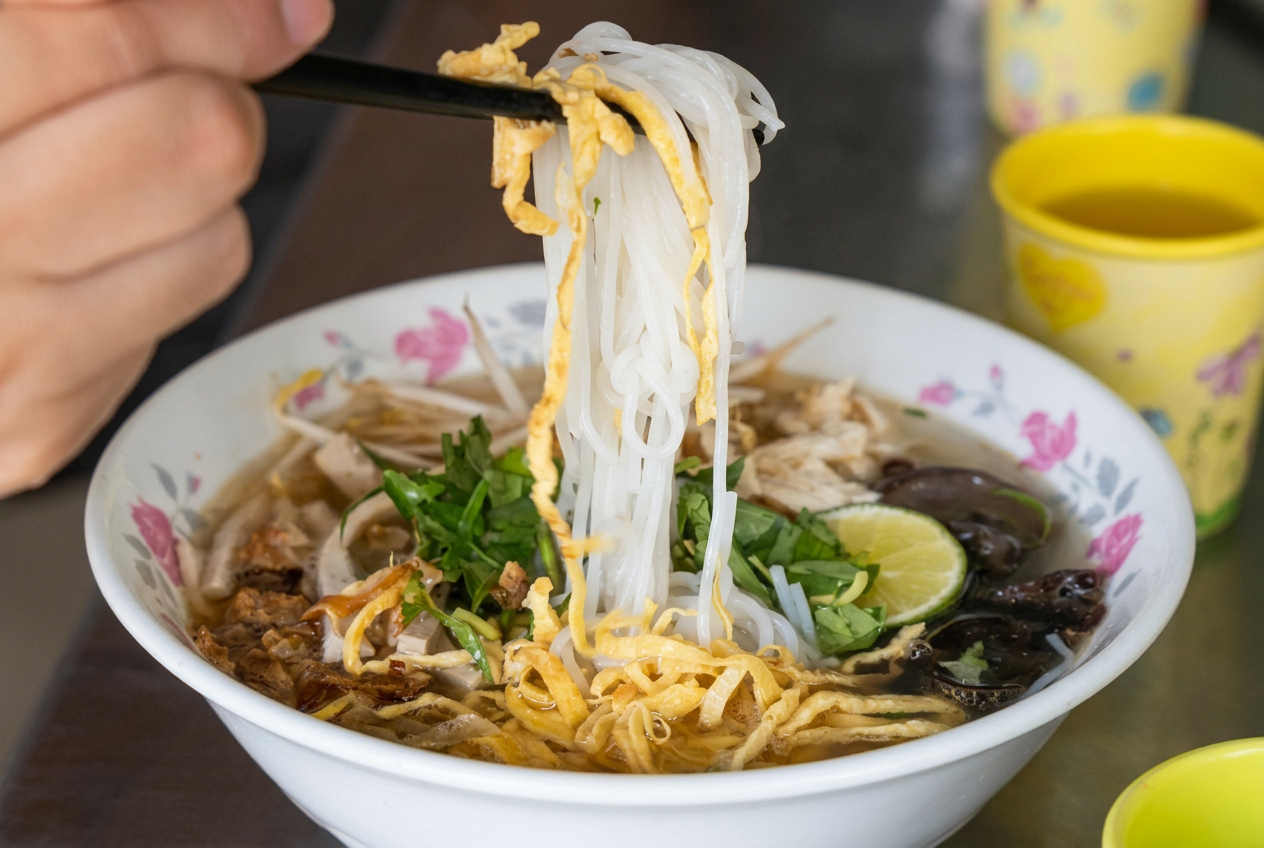
What makes Bun Thang distinctive is its visual presentation. A standard bowl is a vibrant mosaic of colors coming from lots of ingredients. The Base with silky, thin rice vermicelli noodles. The toppings show of five colors include:
- White: Tender, hand-shredded chicken breast.
- Yellow: Paper-thin ribbons of fried egg.
- Pink: Finely sliced Gio Lua (Vietnamese pork sausage).
- Brown: Savory dried shrimp and delicate shiitake mushrooms.
- Green: A mix of fresh herbs, scallions, and Rau Ram (Vietnamese coriander).
The hallmark of a skilled chef is the ability to slice these ingredients into threads as thin as hair. The thinner the shreds, the more refined the bowl is considered.
The secret is in the broth
If the toppings provide the beauty, the broth provides the soul. An authentic Bun Thang broth must be crystal clear and possess a subtle, naturally sweet depth.
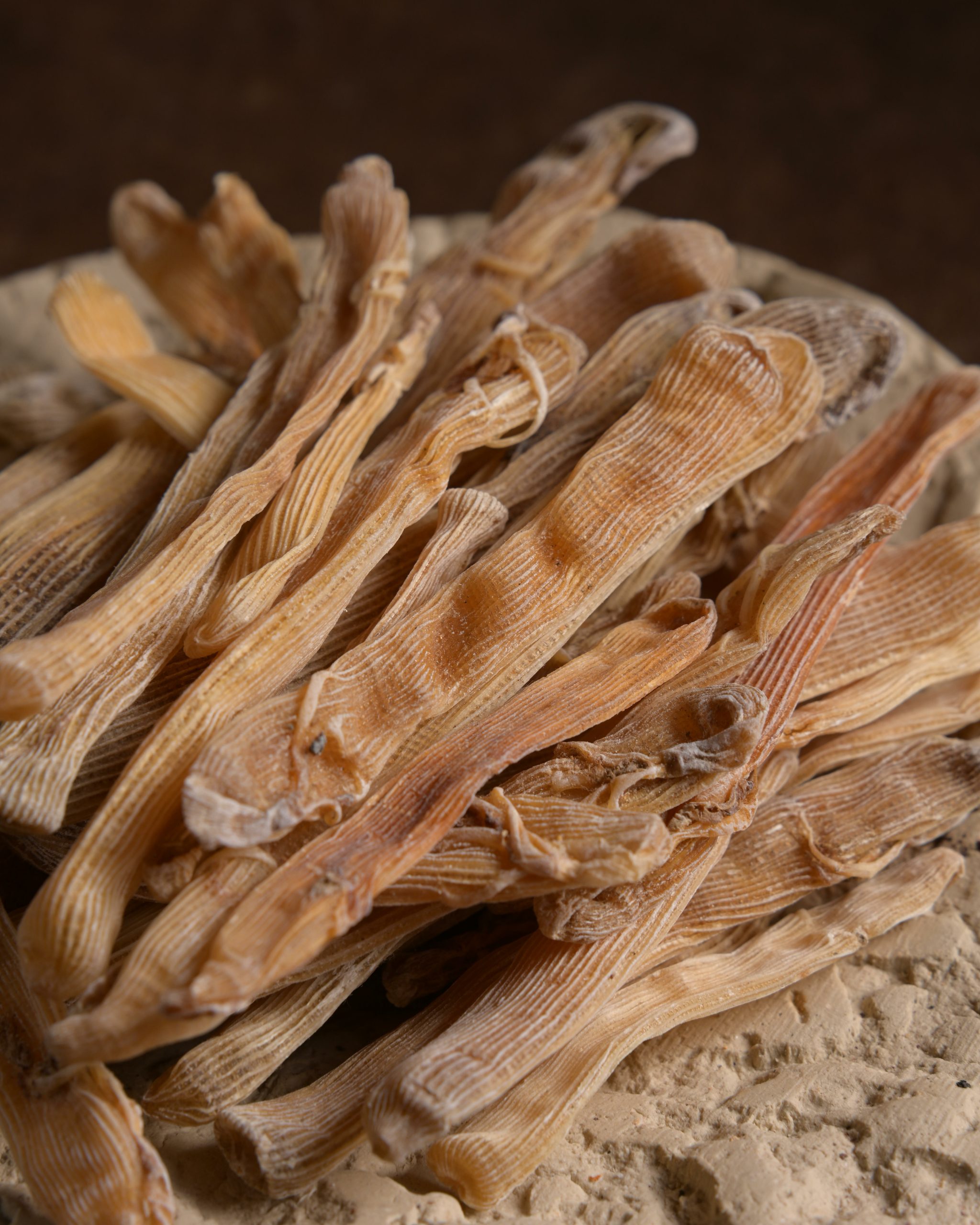
The process involves simmering pork bones and chicken bones for hours, constantly skimming the surface to remove impurities. To achieve the signature “oceanic” sweetness, dried shrimp and grilled ginger are added to the pot. A dash of premium fish sauce and a pinch of rock sugar round out the profile.
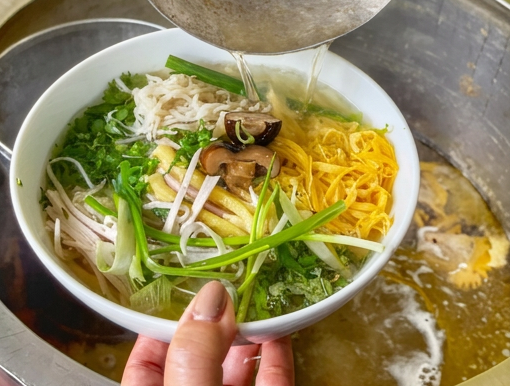
The secret ingredient in traditional Bun Thang is a tiny drop of Ca Cuong (giant water bug essence). It adds a unique, pungent, and aromatic kick that elevates the broth to a professional level. While rare today, some traditional stalls still offer it upon request.
How to eat Bun Thang like a Hanoian
Eating Bun Thang is an exercise in balance. Before diving in, diners usually add a few essential condiments to customize the flavor:
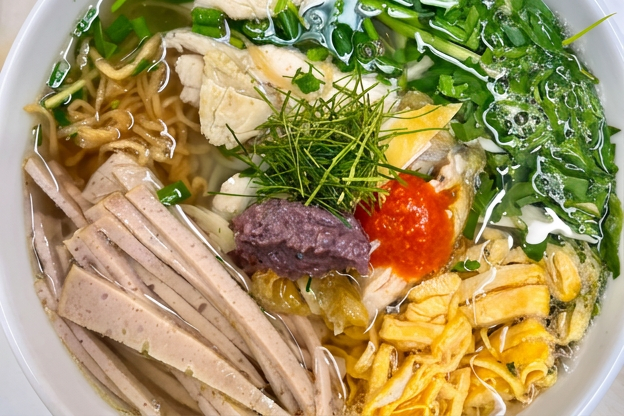
- Mam Tom (Shrimp Paste): This is non-negotiable for traditionalists. A small dollop of fermented shrimp paste deepens the umami flavor of the broth.
- Vinegar & Chili: A splash of rice vinegar and a few slices of fresh bird’s eye chili provide the necessary acidity and heat.
- Lime Juice: A squeeze of lime brightens the entire dish.
Once seasoned, use your chopsticks to gently mix the colorful toppings into the broth and enjoy a symphony of textures in every spoonful.
Top 3 spots for authentic Bun Thang in Hanoi
If you are visiting the capital, you can find three renowned locations that maintain the traditional standards of Bun Thang:
| Venue Name | Location | Why Visit? |
| Ba Duc | 48 Cau Go, Hoan Kiem | Famous for its clear broth and prime location near Hoan Kiem Lake. |
| Hang Hom | 11 Hang Hom, Hoan Kiem | Known for being budget-friendly while maintaining high-quality, hand-shredded ingredients. |
| Tu Lun | 5 Hang Trong, Hoan Kiem | A long-standing family recipe that focuses on the sweetness of the dried shrimp. |
Why Bun Thang represents Hanoi’s cultural identity
Hanoians make Bun Thang more than just food; they express their refined, detail-oriented, and resourceful character through it, turning even the simplest leftovers into a work of art.
In a world of “fast food,” Bun Thang remains a “slow food” icon. It requires patience to prepare and an appreciative palate to enjoy. For travelers and foodies alike, a bowl of it is a mandatory chapter in understanding the heart of Northern Vietnamese cuisine.
Whether you are a seasoned traveler or a curious foodie, Bun Thang offers a window into the soul of Hanoi. Its delicate balance of colors and flavors serves as a reminder that the best things in life are often the result of patience and precision. Next time you find yourself wandering the narrow streets of the Old Quarter, follow the aroma of simmering shrimp and chicken.
_________
Chapter Dining
12C Chan Cam, Hoan Kiem, Hanoi
Mon – Sat from 18:00 – 23:00
Tel: +84 333 201 221 – Reserve a table
Email: reservation@chapter.vn