There are dishes that speak loudly, and others that reveal themselves slowly. Shrimp cakes belong to the latter, quiet in appearance, yet deeply embedded in the rhythm of Vietnamese life, where shrimp cakes Vietnam are often seen as part of everyday culinary habits. They do not rely on complexity or spectacle. Instead, they offer something more enduring: balance, texture, and a sense of familiarity that feels almost instinctive, much like many traditional Vietnamese dishes within the broader Vietnamese food culture.
Table of Contents
What are Shrimp Cakes?
Shrimp cakes are a traditional dish found across Vietnam, and in many ways, shrimp cakes Vietnam represents are less a fixed recipe than an evolving expression shaped by region and habit. Typically, they were made from fresh shrimp that are lightly bound and fried until crisp on the outside while remaining tender within.
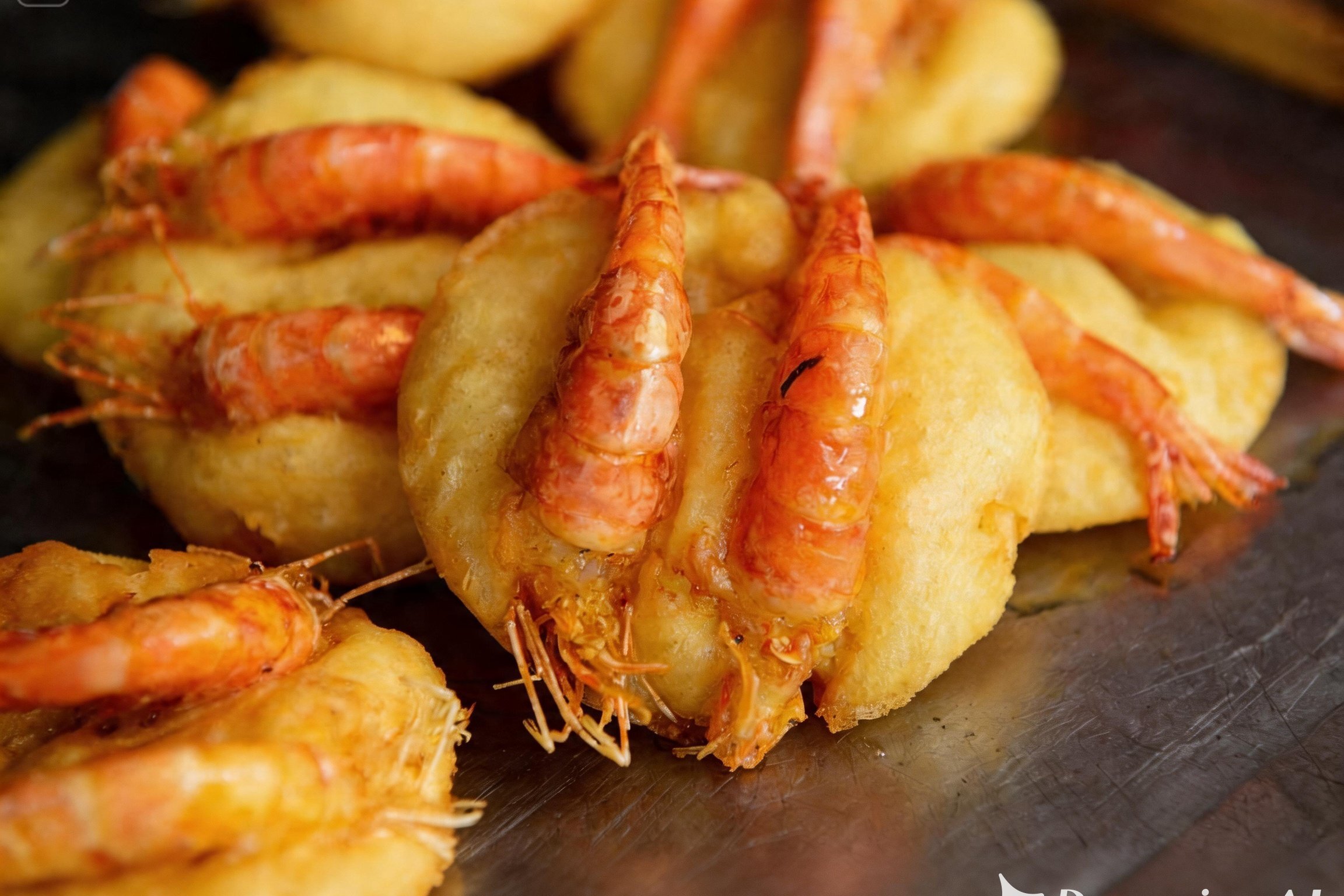
At their core, Vietnamese shrimp cakes reflect a philosophy of restraint. Cooks keep the ingredients deliberately simple, letting natural flavors define the experience. The sweetness of shrimp stays clear, at times lifted by subtle seasoning, at times shaped by texture. The dish does not seek immediate attention; it lingers, unfolding gradually with each bite.
A dish rooted in Vietnamese food culture
Within Vietnamese food culture, shrimp cakes exist not as a specialty, but as something woven into everyday life. This food holds a quiet but enduring place, not as a centerpiece, but as something deeply familiar and consistently present. They appear in street markets, in family kitchens, and in moments that are often informal, yet deeply personal.
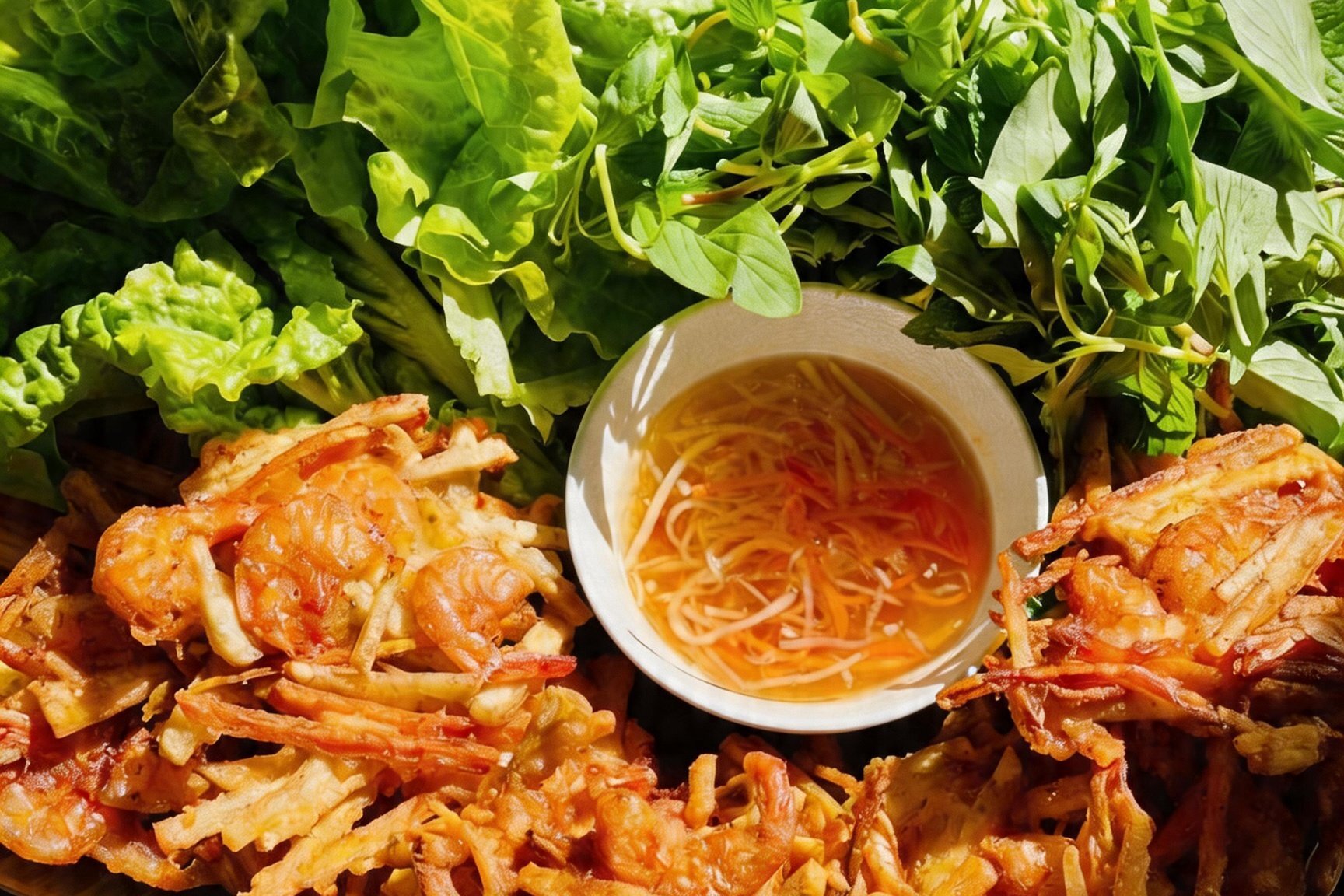
This familiarity is precisely what gives them significance. Rather than relying on elaborate technique, they are shaped by instinct, a quiet understanding of proportion, heat, and timing. The result is a dish that feels balanced without needing explanation:
- a gentle sweetness from the shrimp
- a subtle saltiness that anchors the flavor
- a contrast between crisp exterior and soft interior
It is this balance that allows shrimp cakes to remain relevant, even as Vietnamese cuisine continues to evolve.
How Shrimp Cakes are made
At first glance, making shrimp cakes appears uncomplicated. Cooks prepare fresh shrimp, sometimes minced, sometimes left partially whole then gently bring it together with a light touch of starch or flour, just enough to bind, never to overwhelm, before shaping and frying. Yet simplicity does not mean ease.
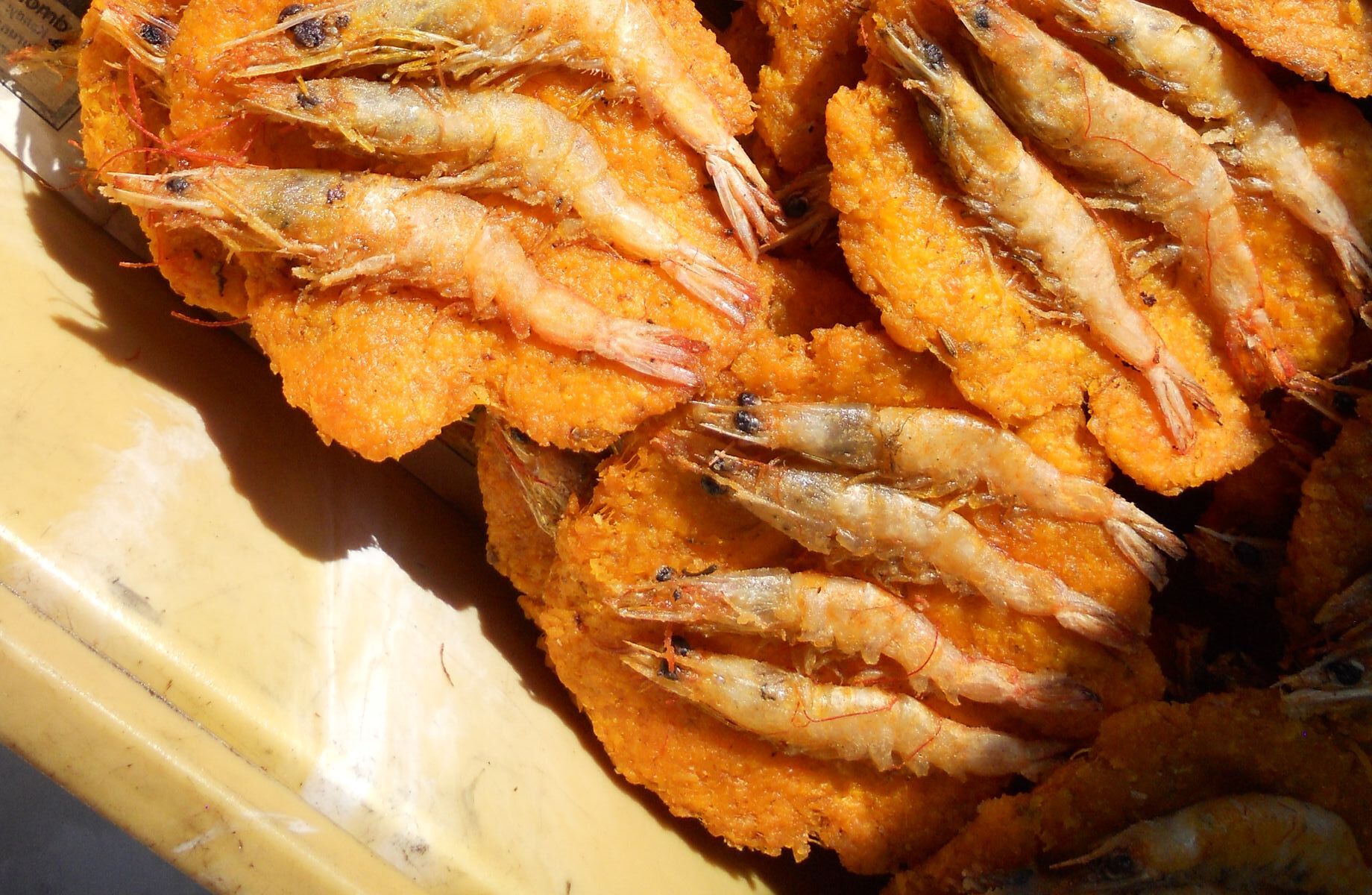
The final result depends on precision:
- the ratio between shrimp and binder
- the control of oil temperature
- the exact moment the cake is removed from heat
A well-made shrimp cake achieves a delicate equilibrium, offering a crisp first bite, followed by a softness that dissolves almost immediately. This attention to texture is not incidental. It is central to the identity of the dish.
Regional interpretations of traditional Shrimp Cakes
Central Vietnam
In central regions, traditional shrimp cakes take on a firmer structure. Vendors pair them with herbs and dipping sauces that bring brightness and acidity, creating a sharper contrast in flavor.
Southern Vietnam
Further south, shrimp cakes take on a lighter and more adaptable character. Vendors often serve them alongside fresh vegetables, wrap them in rice paper, or incorporate them into larger compositions that emphasize freshness and balance. These regional differences do not invite comparison; they express a sense of place. Each reflects local ingredients, climate, and habits, reinforcing the idea that Vietnamese cuisine is shaped as much by context as by technique.
From street food to contemporary dining
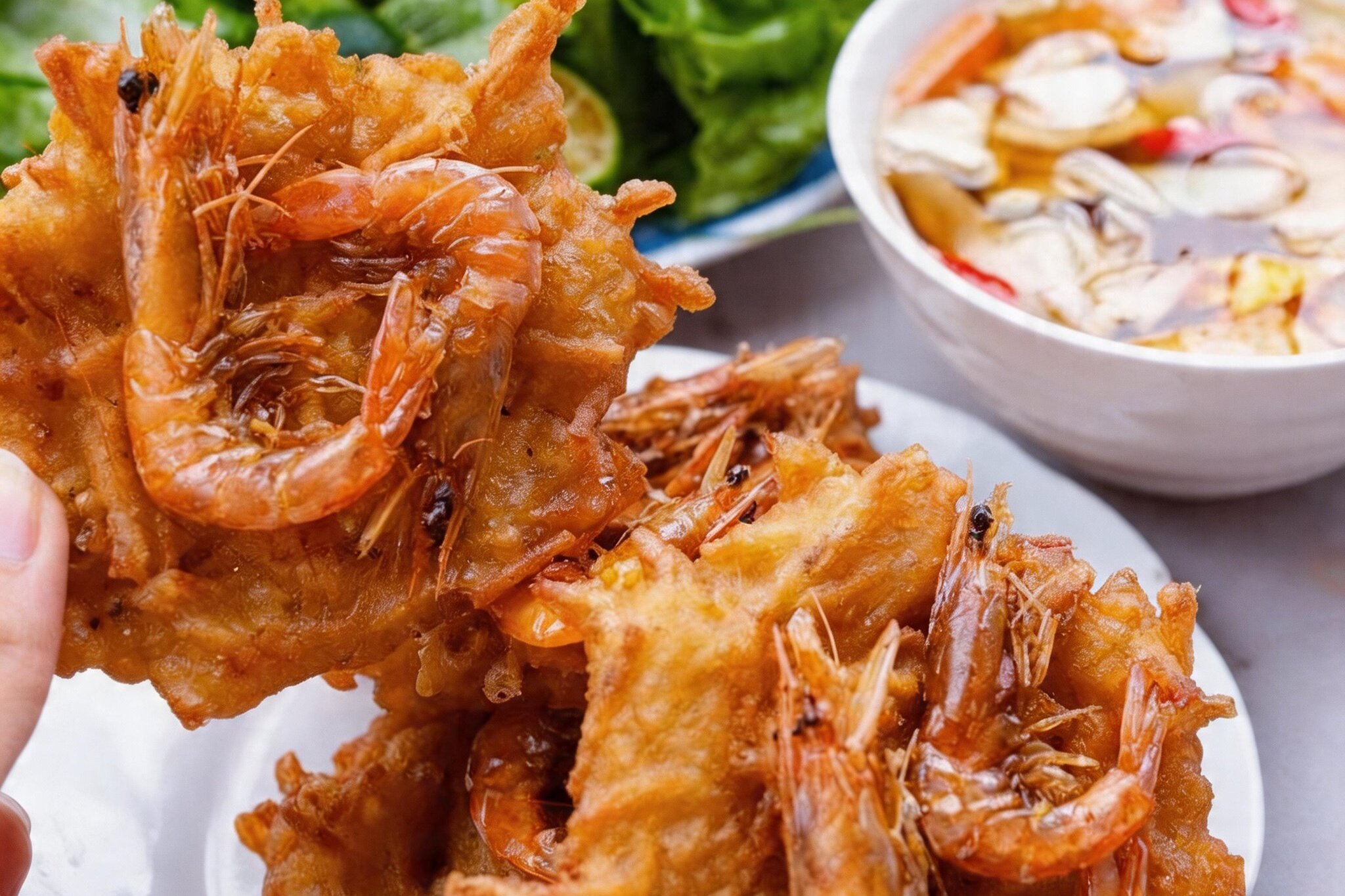
In Vietnam, shrimp cakes are most often linked to street food, where vendors prepare them quickly and serve them with a quiet sense of immediacy, without ceremony.
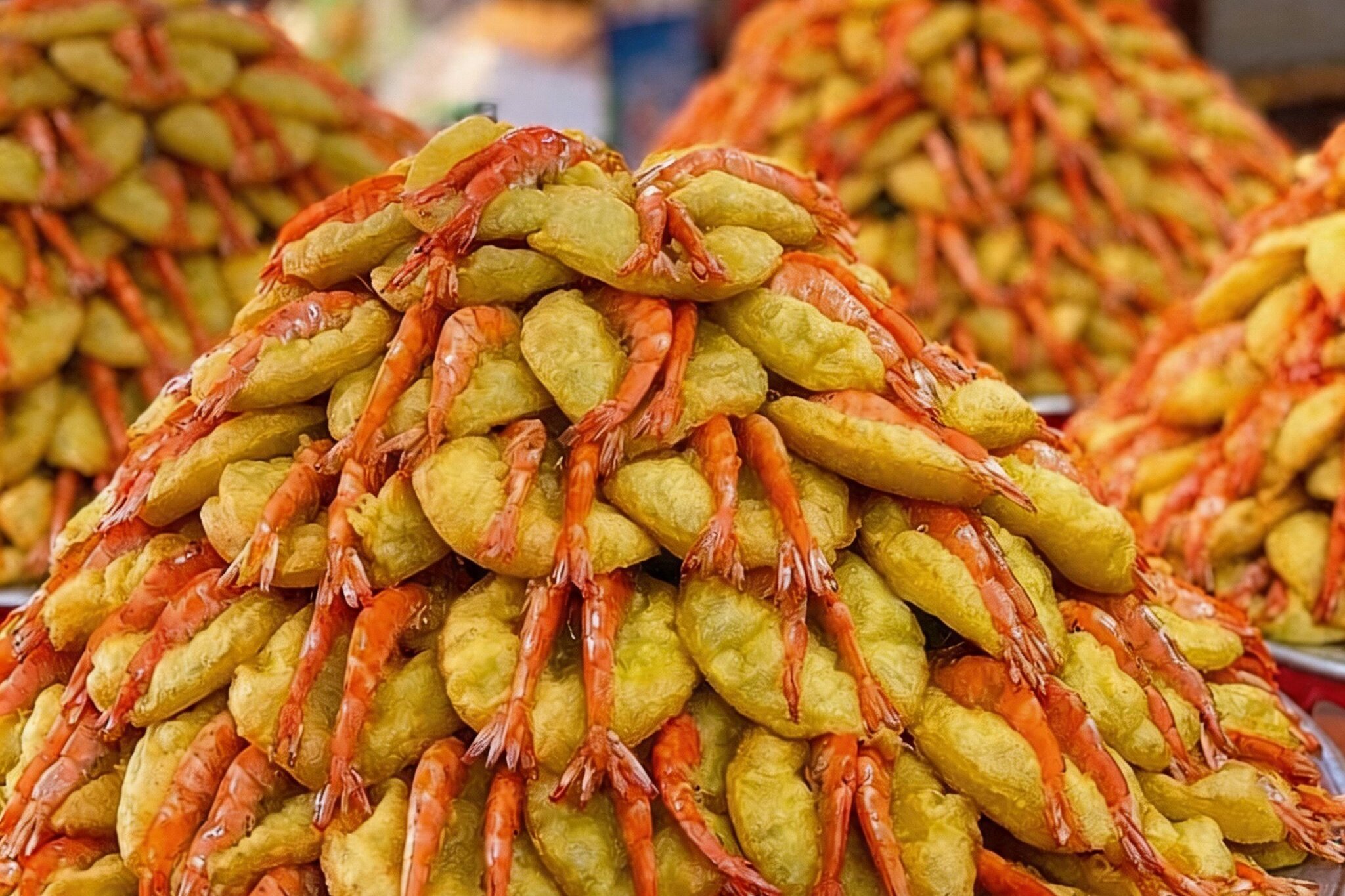
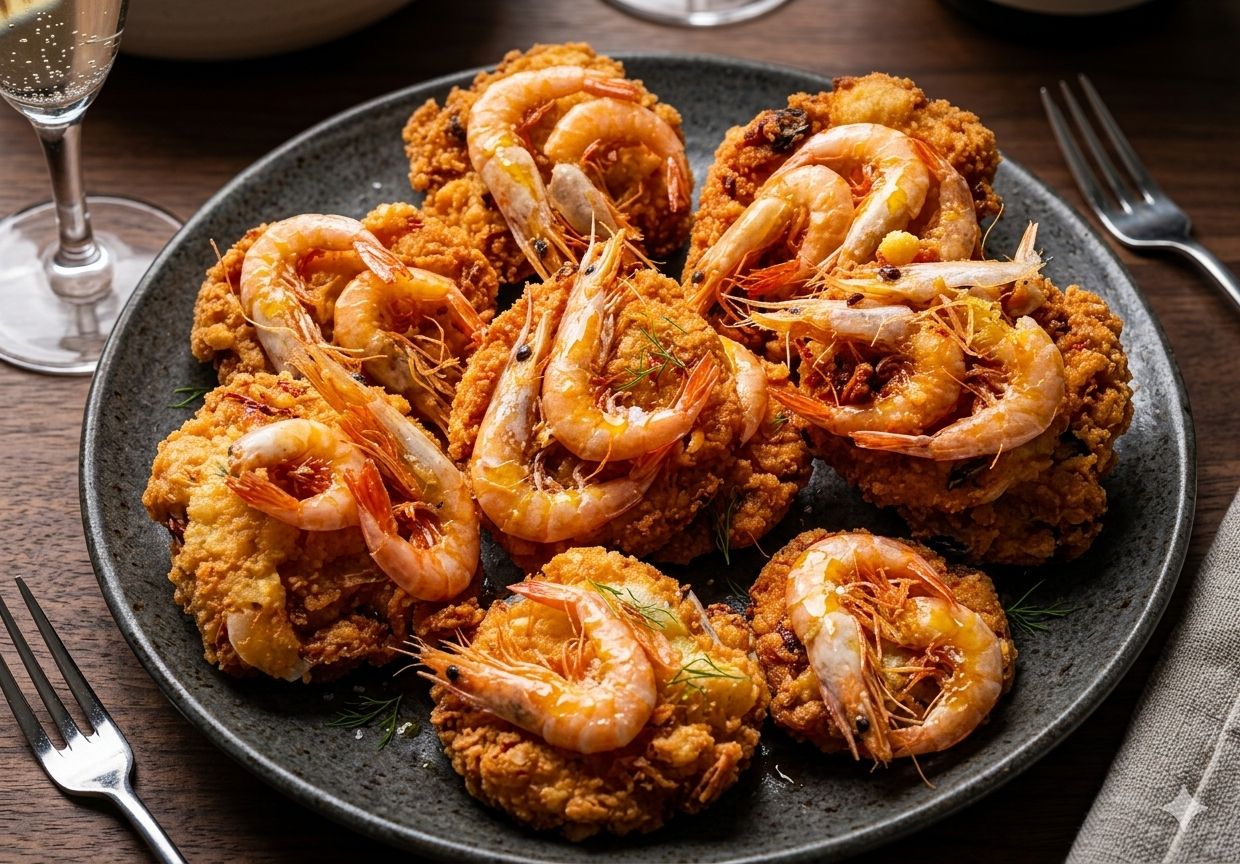
Yet their simplicity has allowed them to move beyond that context. In contemporary kitchens, chefs sometimes reinterpret shrimp cakes, refining their structure, adjusting their proportions, and presenting them with greater precision. Despite these changes, the essence remains unchanged:
- shrimp at the center
- texture as the defining element
- balance as the guiding principle
This transition reflects a broader shift within Vietnamese cuisine, where tradition continues to evolve through reconsideration rather than replacement.
Why Shrimp Cakes continue to matter
There is a certain honesty to shrimp cakes that resists reinvention. They do not demand attention. They do not rely on complexity. Instead, they persist because those who prepare them and those who experience them continue to understand their value. In this way, shrimp cakes become more than a dish. They become a reflection of how Vietnamese cuisine approaches food itself: with restraint, with clarity, and with quiet confidence. And perhaps that is why they endure not as something extraordinary, but as something essential.
Where to enjoy Shrimp Cakes in Vietnam
Shrimp cakes are widely available across Vietnam, from casual street stalls to more refined dining spaces. While each interpretation varies in texture and presentation, what remains consistent is the balance of flavor and the connection to local culinary traditions.
Street Food Stalls and Local Markets
In many cities, people encounter shrimp cakes in informal settings, at small street vendors or local markets, where simplicity and familiarity define the experience. Vendors fry them fresh, serve them hot, and accompany them with herbs or dipping sauces that gently lift their natural sweetness. The experience is immediate and unfiltered, offering a closer look at how shrimp cakes exist within everyday Vietnamese food culture.
Traditional Restaurants
For a more structured setting, traditional restaurants offer shrimp cakes prepared with a slightly more refined approach while still preserving their original character. Here, the balance of texture and flavor is more controlled, often accompanied by carefully selected side elements. These spaces provide a clearer expression of shrimp cakes as part of traditional Vietnamese dishes, bridging the gap between casual dining and culinary heritage.
Contemporary Dining Experiences
In more modern kitchens, chefs occasionally reinterpret shrimp cakes through a contemporary lens. The focus shifts toward technique, presentation, and ingredient sourcing, while still respecting the essence of the dish. This approach reflects a broader movement within shrimp cakes Vietnam, where familiar flavors are revisited and adapted to fit evolving dining experiences without losing their foundation.
A More Considered Approach at Chapter
While not defined by tradition alone, contemporary tasting experiences offer a different perspective on familiar dishes. Rather than replicating what already exists, the focus lies in understanding ingredients, refining techniques, and presenting them with intention.
As Vietnamese cuisine continues to evolve, dishes like shrimp cakes remain quietly at its foundation not only familiar but also endlessly open to reinterpretation. For those seeking a more considered setting, contemporary tasting menus offer a different perspective — one where chefs move beyond replication and begin to reinterpret tradition with intention. For those drawn to this approach, Chapter’s tasting experience offers a quiet and thoughtful point of entry.
_________
Chapter Dining
12C Chan Cam, Hoan Kiem, Hanoi
Mon – Sat from 18:00 – 23:00
Tel: +84 333 201 221 – Reserve a table
Email: reservation@chapter.vn