Sourdough may not be the first grain diners associate with Vietnamese bánh mì. At Chapter, however, it gives a familiar food memory a new beginning. The grain is worked into a sourdough loaf with a gentle acidity from the starter, creating a flavour that feels both recognisable and quietly unexpected. Discover how Chapter places millet sourdough bread at the centre of this returning signature and why a humble grain gives the autumn menu one of its most comforting and personal moments.
Table of Contents
A Hanoi Morning recalled through warm Bread
For many people raised in Northern Vietnam, bánh mì recalls neighbourhood bakeries before sunrise, when parents and neighbours waited for the day’s first loaves. Still warm from the oven, the bread was opened, spread with butter and pâté, finished with pickles and carried away on bicycles and motorbikes.
Though an ordinary breakfast, its memory often returns with the aroma of freshly baked bread. The Chapter Dining draws from this memory when presenting its millet bánh mì. The course may arrive within a fine-dining menu, but its emotional starting point remains the neighbourhood bakery.
The Chapter Dining draws from this memory when presenting its millet bánh mì. The course may arrive within a fine-dining menu, but its emotional starting point remains the neighbourhood bakery.
Millet gives Vietnamese Bánh Mì a new character
Vietnamese bánh mì has never been a fixed recipe. Its identity was shaped through adaptation: a French baguette became lighter, fillings responded to local tastes and bread gradually found a place in the everyday rhythm of Vietnamese life.
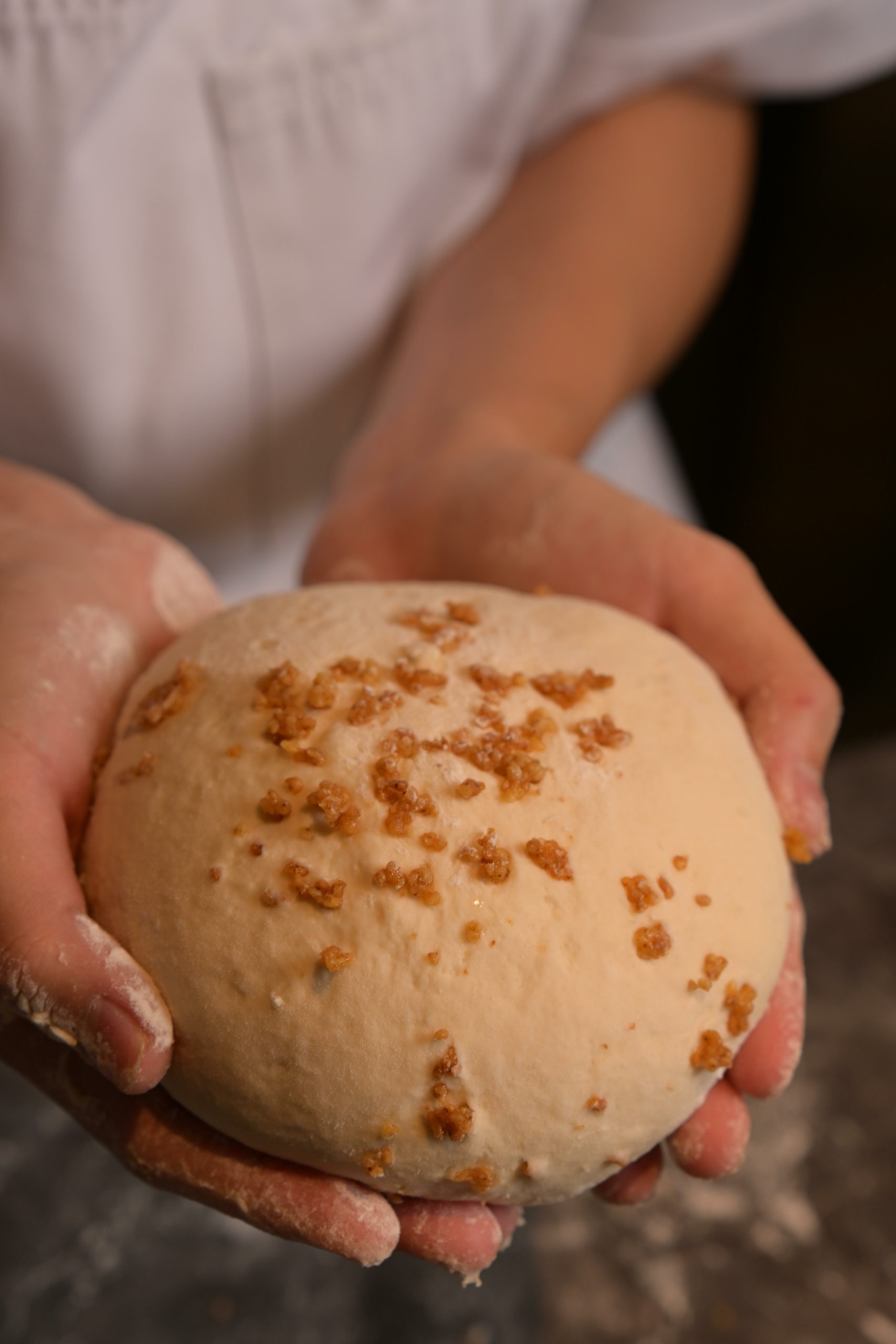
The Chapter Dining continues that evolution through millet. The grain brings a subtle character to the dough, while natural fermentation introduces a mild sourness that keeps the bread lively beside richer accompaniments. Instead of reproducing the familiar baguette exactly, the kitchen begins with its essential pleasure with pâté, butter and pickles. The result remains connected to Vietnamese bánh mì without feeling limited by one traditional form.
Two breads carry one culinary story
The chapter dining serves two contrasting breads within the course. Tasted together, they show that bánh mì is not simply one type of loaf. It is an evolving culinary story built through exchange, adaptation and everyday use.
Millet sourdough bread brings gentle acidity
The first expression is a sourdough made with millet. The starter develops a restrained acidity, while the grain gives the loaf a character that distinguishes it from conventional wheat bread.
This light sourness becomes especially important when the bread is eaten with pâté and butter. It cuts gently through their richness, allowing the palate to notice the savoury filling without becoming overwhelmed.
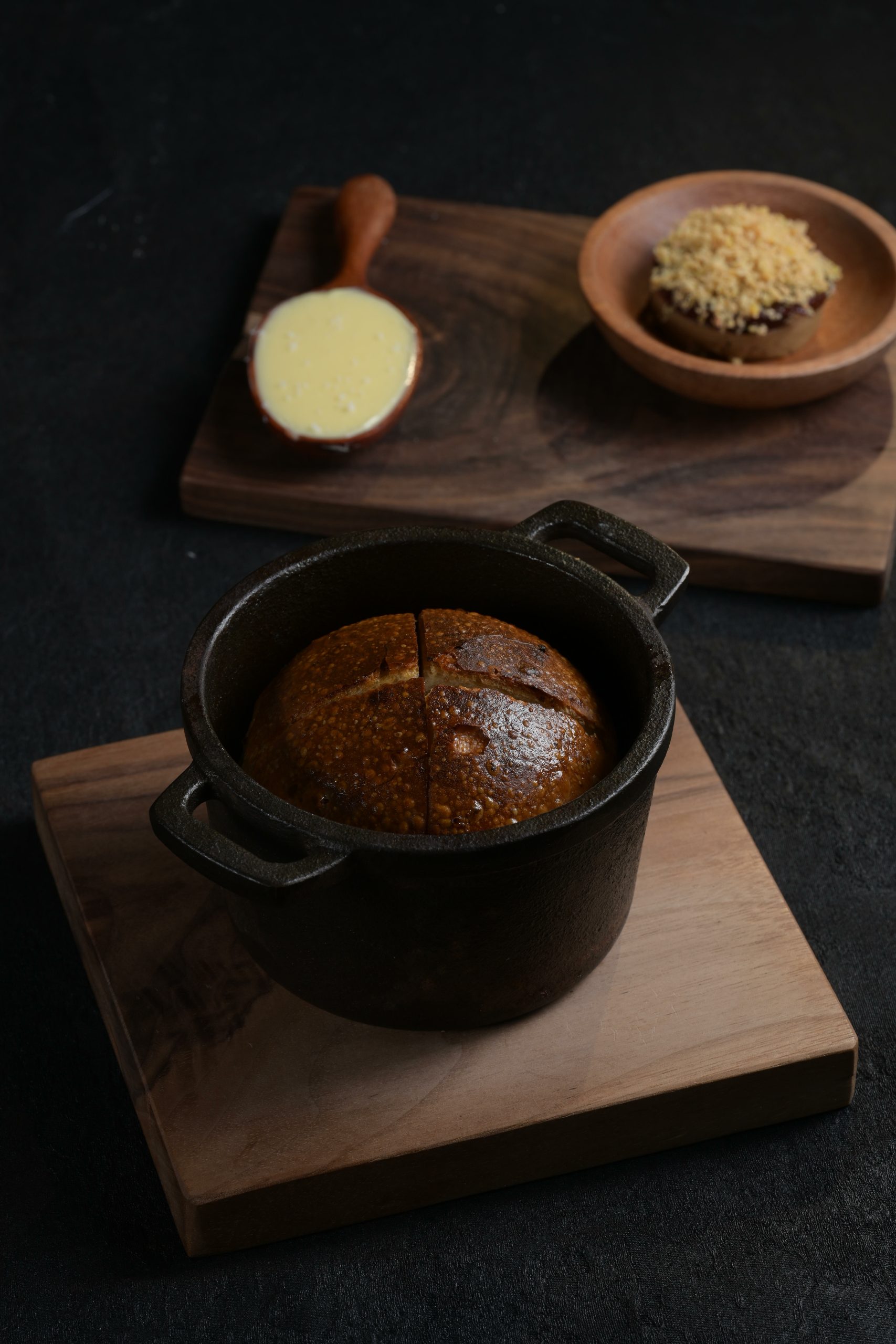
In this form, millet is not included simply to make the recipe appear different. It shapes how the entire course tastes, providing the freshness and structure needed to support its richer elements.
French-style milk bread offers a softer contrast
Beside the millet sourdough, Chapter serves a French-style milk-and-butter bread. Its tender crumb and richer aroma provide a clear contrast to the sourdough’s grain character and mild acidity.
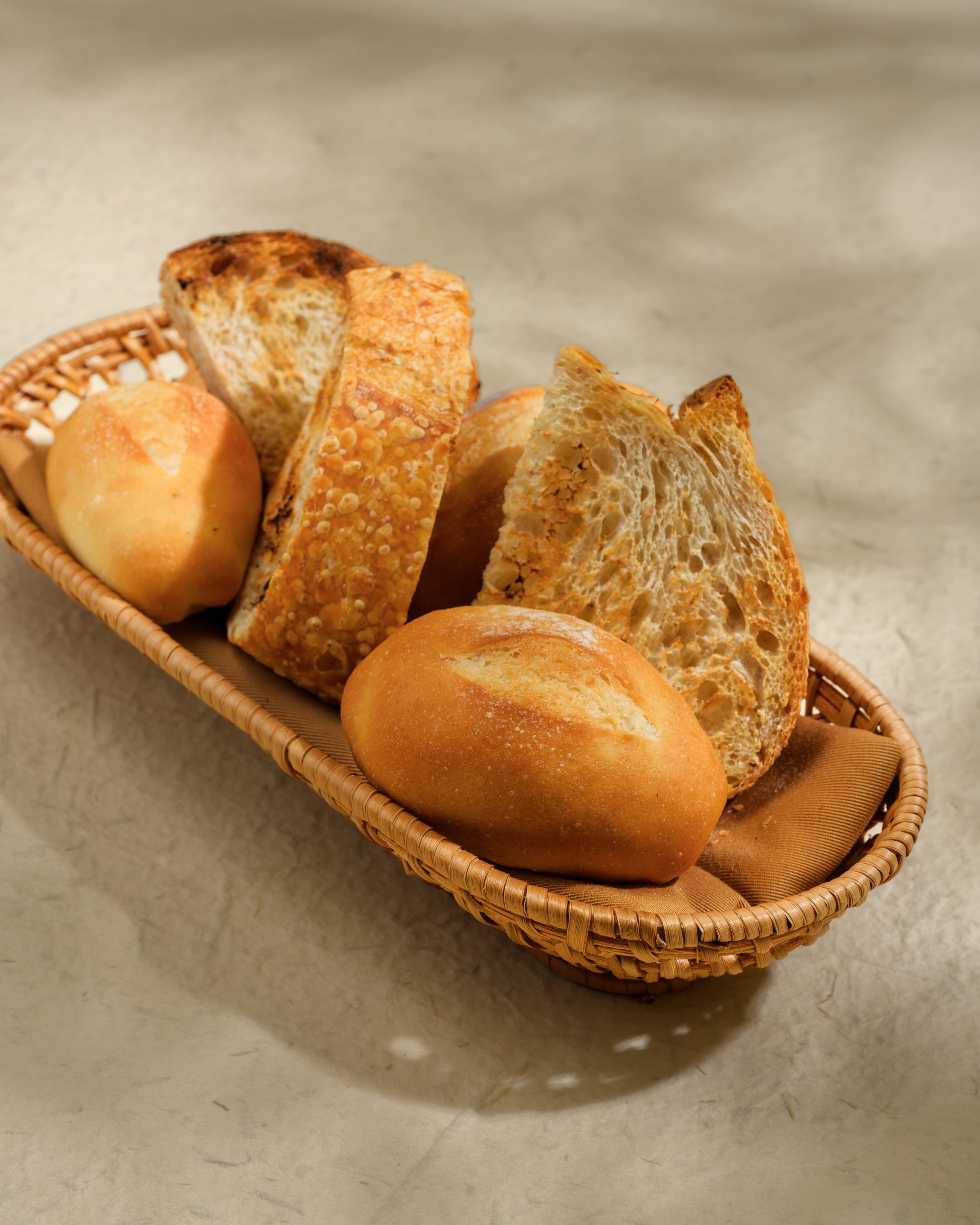
The bread recalls the French influence behind Vietnam’s relationship with baguettes, butter and pâté. Yet those ingredients did not remain unchanged after arriving in the country. Vietnamese bakers adapted them to local preferences, climate and daily life, eventually creating something with an identity of its own.
Pâté, Smoked Butter and Pickles complete the bite
The two breads create different foundations, but their connection to bánh mì becomes clearest once the accompaniments are added. Pâté provides the deepest savoury note. Prepared in a familiar traditional style, its smooth texture settles into the warm crumb and recalls the generous layer found inside many Vietnamese bánh mì.
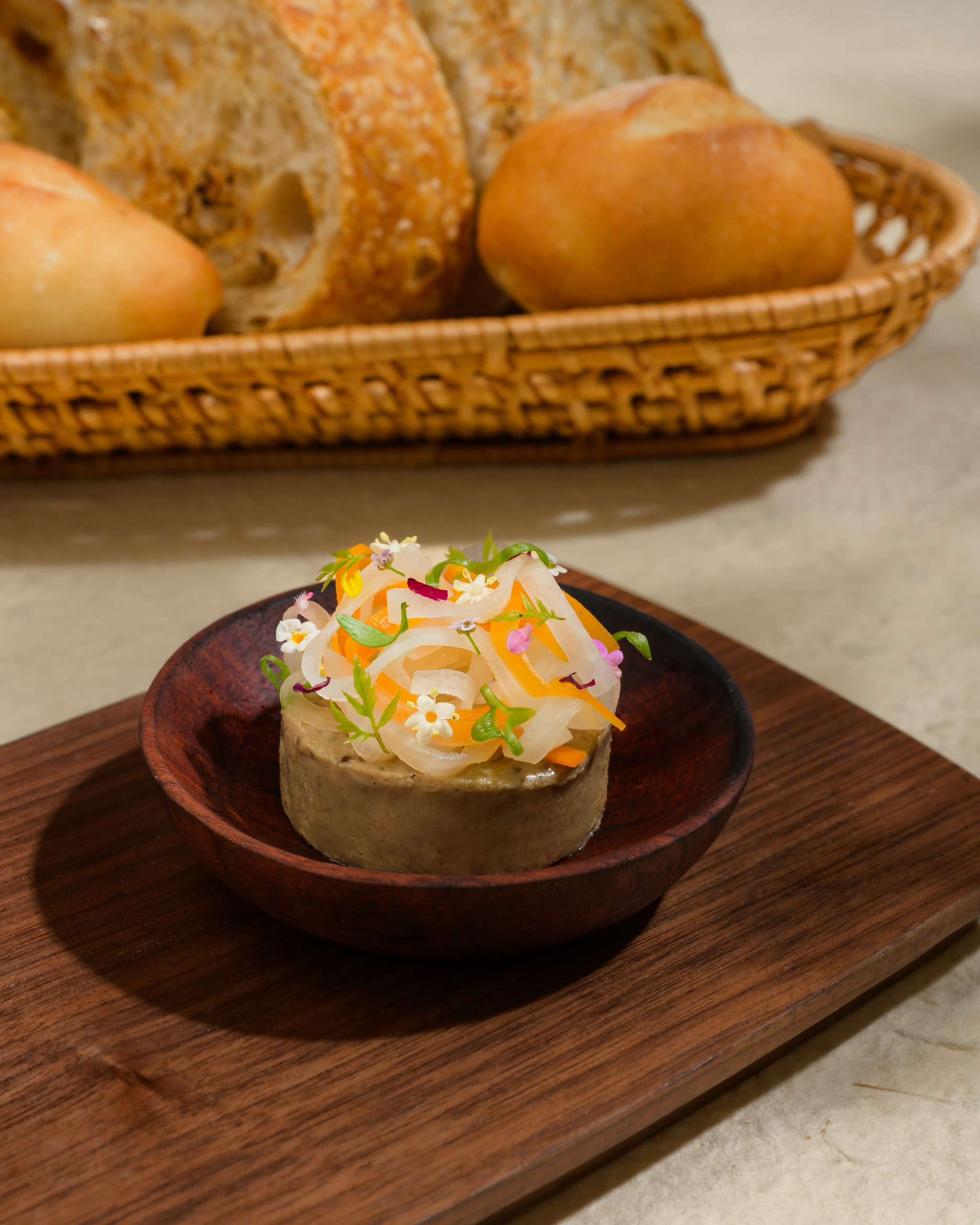
Smoked butter adds richness, but its role extends beyond texture. The aroma evokes fire and the warmth of bread emerging from the oven. Smoke gives the butter definition, ensuring that it does not disappear beside the pâté.
Then come the pickles. Their acidity and crispness interrupt the two richer elements, refreshing the palate and preparing it for another bite.
Why Millet Bread belongs on Chapter’s Autumn Menu
Bánh Mì – Pâté – Butter first appeared in Lucent, but the millet bread takes on another character as the seasons change. Warm bread feels especially suited to Hanoi’s cooler autumn evenings. The sourdough introduces the quiet depth of fermentation, while smoked butter anticipates the warmer aromas that gradually lead the menu towards winter.
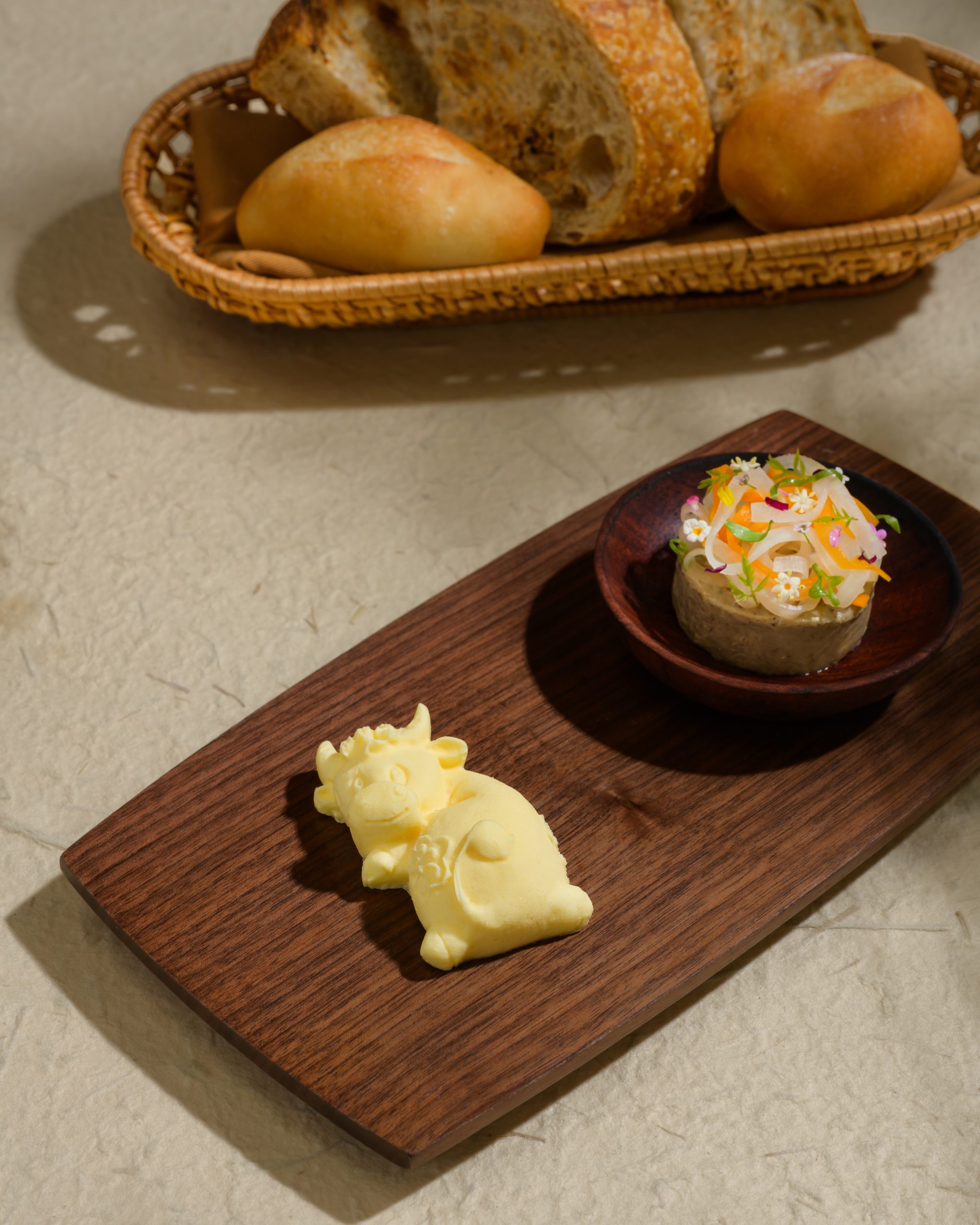
Within the Chapter Dining autumn menu, the course arrives as a tactile pause. After the delicate seafood courses, guests are invited to tear bread by hand and remain with familiar flavours before the journey continues towards seasonal fish, fermented rice, Wagyu and wild duck.
Experience Millet Sourdough Bánh Mì at Chapter Dining
At Chapter, millet bánh mì is served within the full seasonal tasting menu rather than as an individual à la carte order. Its position within the menu allows the bread to connect the lighter opening courses with the deeper flavours that follow.
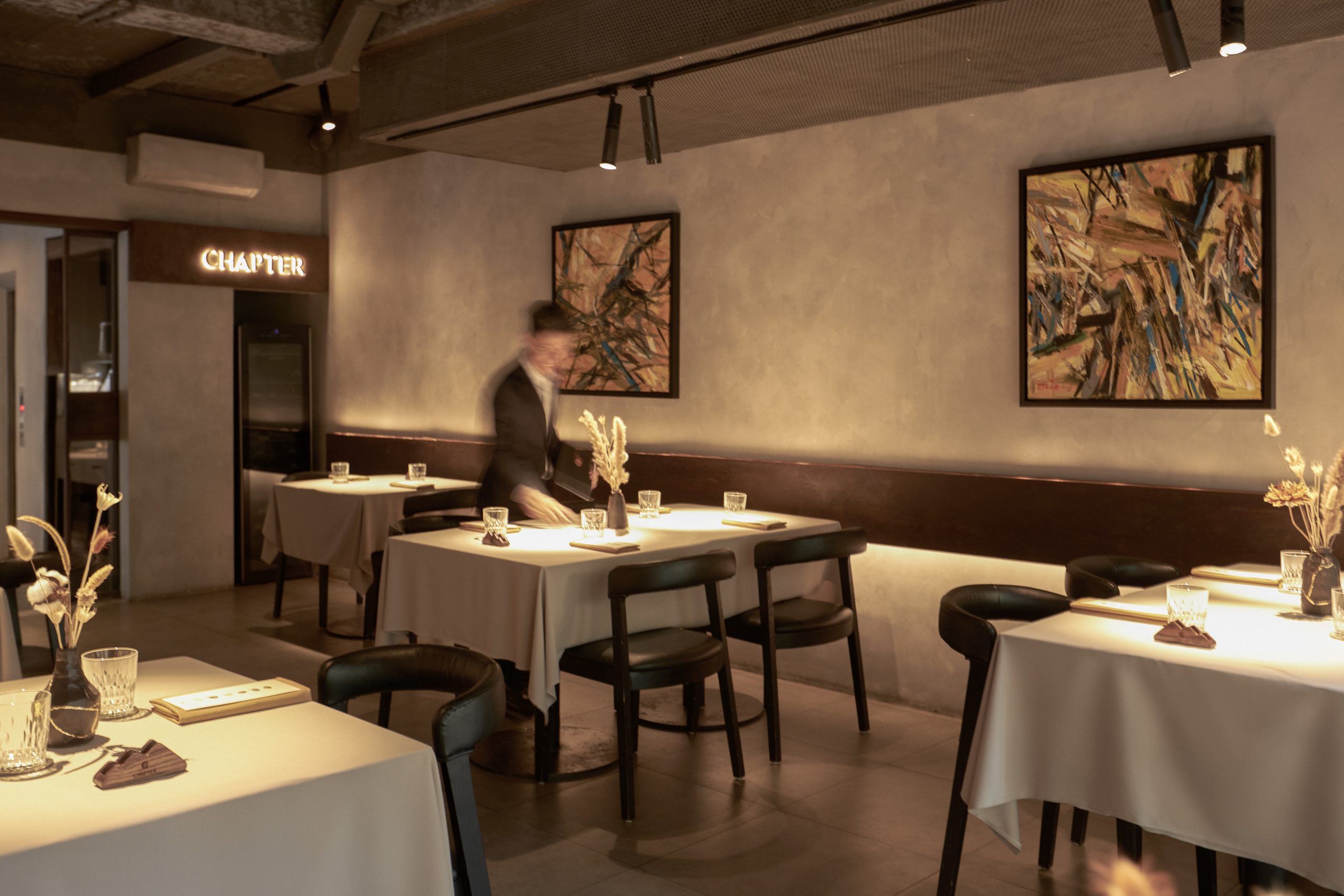
For international travellers, the course offers a closer look at how Vietnam adapted bread, butter and pâté into an essential part of its food culture. For Vietnamese diners, its aroma may recall something more personal: a bakery opening before dawn, the first warm loaf of the day and a simple breakfast carried through the morning streets.
Discover more about bread and breakfast traditions in Chapter’s guide to Hanoi morning food culture, then explore the current seasonal menu. Reserve your table at Chapter Dining to experience how millet sourdough bread, pâté, smoked butter and pickles bring a familiar Hanoi memory into the restaurant’s autumn tasting journey.
________
Chapter Dining
12C Chan Cam, Hoan Kiem, Hanoi
Mon – Sat from 18:00 – 23:00
Tel: +84 333 201 221 – Reserve a table
Email: reservation@chapter.vn