A sour note you cannot quite name. A slow heat that arrives late on the palate. In traditional Vietnamese cooking, fermentation rarely announces itself with loud acidity or overwhelming funk, yet it quietly holds complex flavor profiles together. From “mẻ” fermented rice to “chí chương”, authentic Vietnamese fermented ingredients serve as the subtle, unifying thread running through the kitchen at Chapter Dining. Here is how these time-honored artisanal elements lend profound depth and harmony to modern gastronomy in Hanoi.
Table of Contents
- 1 What are Vietnamese fermented ingredients, and how do they shape flavor
- 2 “Mẻ” fermented rice as the ancient souring agent of Northern Vietnam
- 3 “Chí chương” is the historic fermented chili sauce of Hải Phòng
- 4 Fermented rice and fermented chili across the Chapter menu
- 5 Why a quiet thread of fermentation matters on a modern tasting menu
What are Vietnamese fermented ingredients, and how do they shape flavor
Before exploring their elevated role in contemporary dining, it helps to look at how fermentation sits at the very heart of Vietnam’s culinary heritage.
Fermentation in the traditional Vietnamese kitchen
From North to South, fermentation is the foundational pillar of Vietnamese home cooking and street food alike. It breathes life into essential pantry items: nước mắm (fish sauce made from fermented anchovies), an endless variety of savory mắm (fermented seafood pastes), dưa muối (fermented pickled vegetables), and fermented rice preparations. Rather than acting merely as preservatives, these preparations function as complex seasoning agents that define the soul of regional dishes.
How fermented ingredients create depth beyond instant seasoning
Fresh citrus juice or raw vinegar provides an immediate, sharp acidity, but fermented souring agents work on a much deeper level. Through the natural breakdown of starches and proteins by beneficial microorganisms, fermentation creates rounded lactic acidity, natural glutamates, and a lingering umami warmth. The resulting flavors feel soft, integrated, and layered—offering a subtle complexity that fresh ingredients alone can rarely achieve.
“Mẻ” fermented rice as the ancient souring agent of Northern Vietnam
Among Northern Vietnam’s most prized traditional fermentations, mẻ fermented rice occupies a cherished place in rural and urban home kitchens alike.
Understanding mẻ and its distinctive lactic acidity
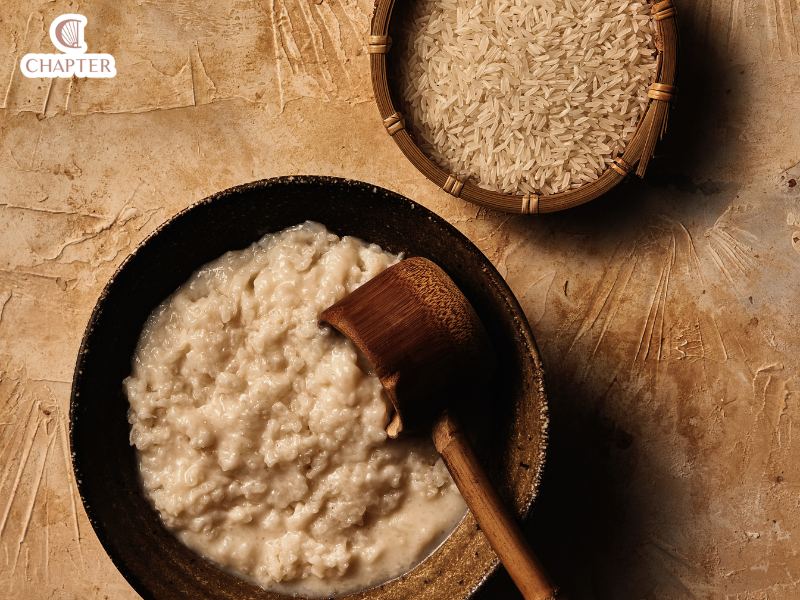
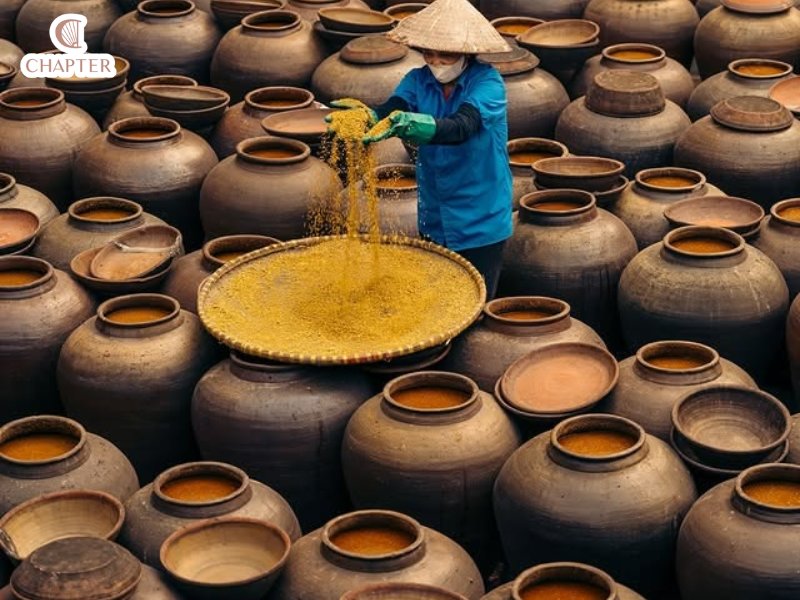
Mẻ is traditionally made by fermenting leftover cooked rice or rice noodles (bún). As Lactobacillus bacteria convert the carbohydrates into lactic acid, the rice transforms into a velvety, pale paste with a distinctively gentle sourness and a soothing, yeasty aroma. Unlike harsh industrial vinegars, the sour notes of mẻ carry a soft, rounded creaminess that coats the tongue gracefully.
How mẻ is traditionally crafted in Northern households
In Northern homes, crafting mẻ is a quiet, continuous domestic ritual. Cooked rice is cooled, mixed with a starter culture from a previous batch (known as mẻ cái), and sealed inside a covered earthenware jar. Kept in a warm corner of the kitchen for weeks or even months, the batch matures slowly as the microorganisms thrive. A well-maintained jar of mẻ can be kept alive for years, replenished regularly with fresh rice.
How Northern cooks use mẻ in rustic everyday dishes
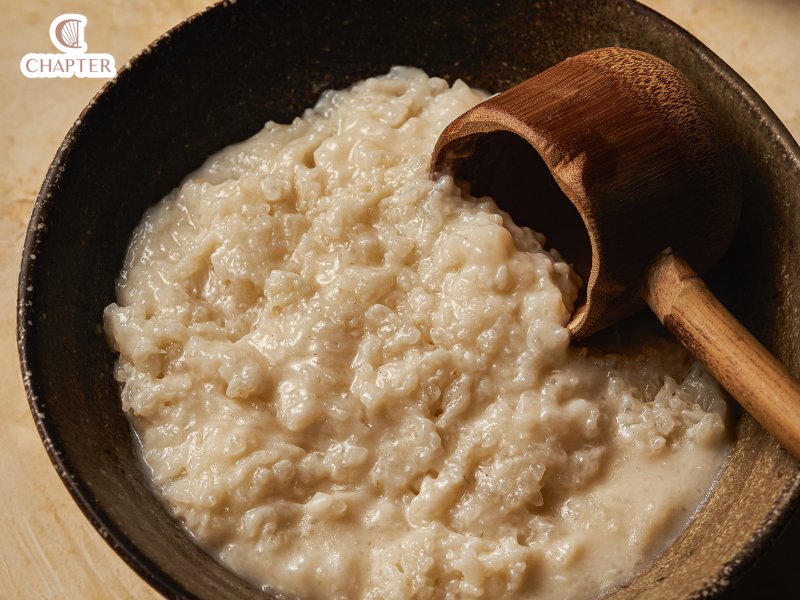
Northern Vietnamese cuisine features at least twelve distinct natural souring agents, but mẻ holds a unique position for warm, comforting dishes. It is the defining base for canh cá nấu mẻ (freshwater fish soup with fermented rice) and cà tím nấu mẻ (braised eggplant with tofu and fermented rice). In these classic recipes, mẻ tenderizes fish and meats while imparting a delicate, aromatic tang that elevates humble countryside ingredients.
The relationship between mẻ and giấm bỗng
No discussion of Northern rice souring is complete without mentioning giấm bỗng, the historic rice wine vinegar produced from the distilled lees of traditional rice wine. While giấm bỗng offers a lighter, fruitier floral note, mẻ fermented rice delivers a richer, more textured mouthfeel—making the two ingredients close culinary siblings in the Northern art of souring.
“Chí chương” is the historic fermented chili sauce of Hải Phòng
While mẻ provides gentle acidity, chí chương brings a glowing, complex warmth that originates from Vietnam’s northern coastal tradition.
What is chí chương and its coastal origins?
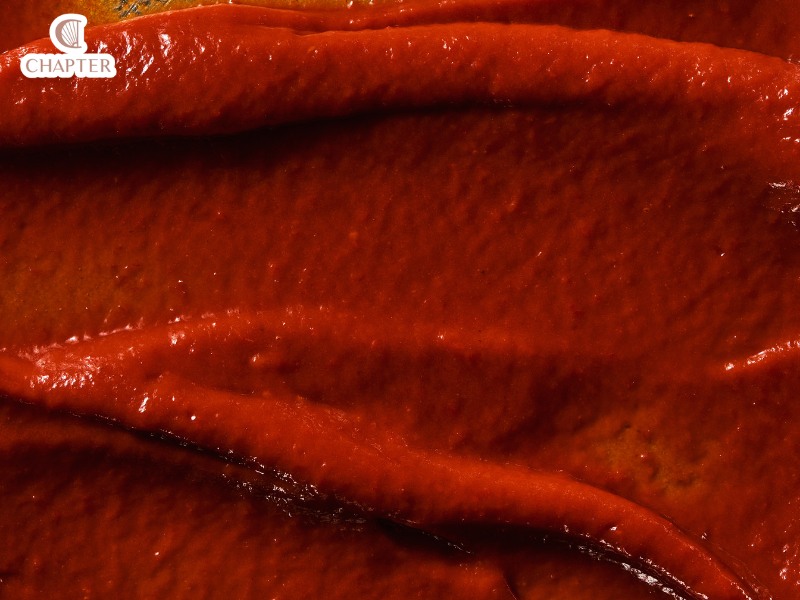
Originating from the port city of Hải Phòng, chí chương is a historic fermented chili sauce Vietnam has cherished for generations. Crafted from fresh red chilies, garlic, sea salt, and sometimes ripe tomatoes, the mixture is mashed and left to ferment naturally over time. The name itself reflects the unique Sino-Vietnamese linguistic heritage of Hải Phòng’s historical trading quarter.
How chí chương differs from ordinary fermented chili sauce in Vietnam
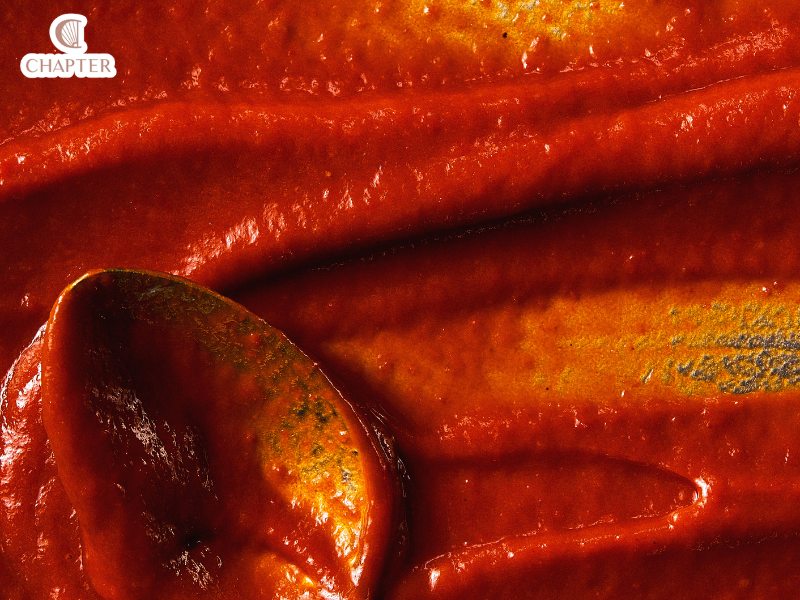
Unlike mass-produced chili sauces that rely on sugar and distilled vinegar for instant bite, authentic chí chương boasts a bright crimson hue, a thicker artisanal texture, and a deeply rounded savory profile. The heat does not strike sharply on the tip of the tongue; instead, the fermentation process mellows the raw fiery bite of the chili, allowing a warm, comforting glow to build gradually and linger pleasantly on the finish.
At Chapter Dining, these traditional fermented elements are not presented as rustic relics, but as precise, elevated components woven subtly into the curated autumn menu.
Fermented rice in the Kinmedai dish
In the signature dish featuring Kinmedai – Fermented rice – Herb, the rich, fatty profile of golden eye snapper is balanced perfectly by a delicate reduction of mẻ fermented rice. The gentle lactic acidity cuts through the fish’s natural oiliness, highlighting the pristine sweetness of the seafood without overpowering its delicate texture.
Fermented rice in the A5 Wagyu dish
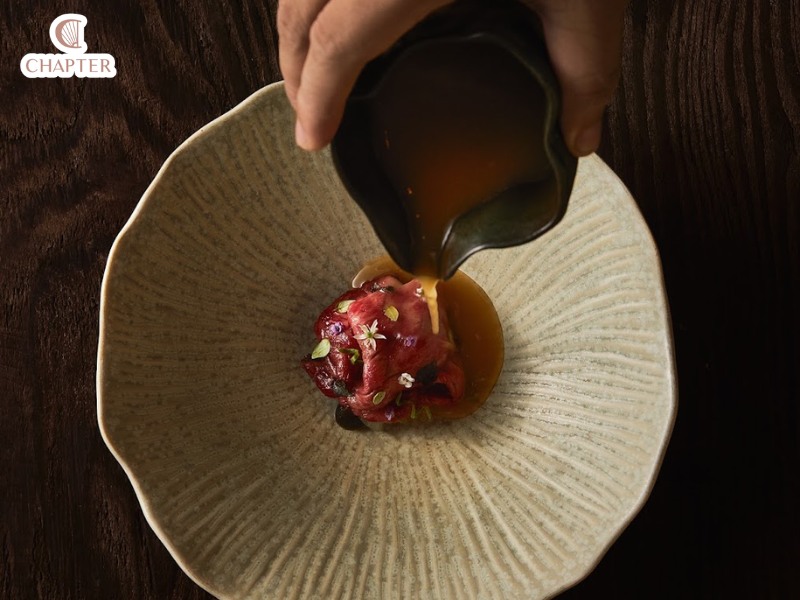
In the luxurious preparation of A5 Wagyu beef – Fermented rice – Onion, mẻ takes on a sophisticated secondary role. The intense marbling of Japanese A5 Wagyu demands an acidity that can clean the palate between bites. The velvety sourness of fermented rice provides an elegant counterweight to the beef’s rich tenderness.
Fermented chili in the Smoked Eel dish
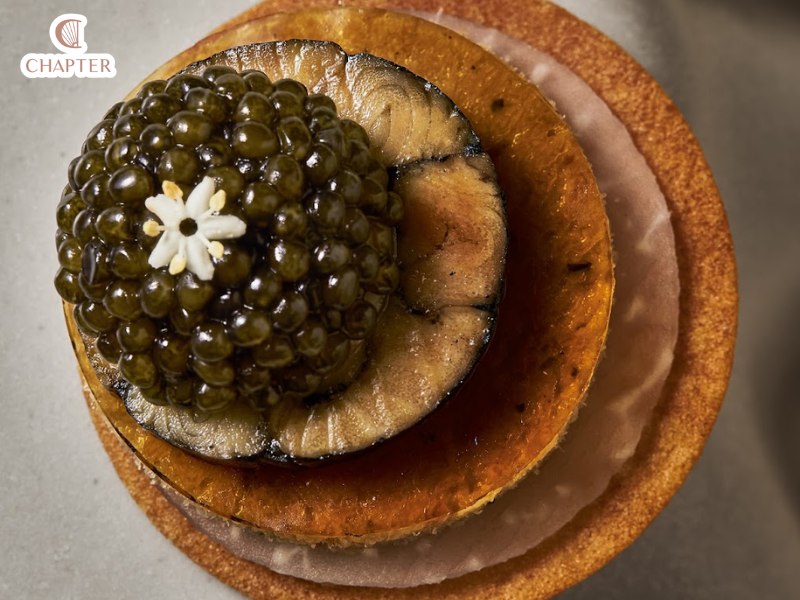
In the complex course of Smoked Eel – Caviar – Fermented chili, chí chương delivers a subtle wave of warmth. The wood-smoked richness of the eel and the salty pop of caviar find their anchor in the fermented chili sauce, where the slow-building heat ties the ocean and earth elements together in seamless balance.
On a modern multi-course tasting menu, heavy sauces and aggressive seasonings can easily exhaust the palate. The art of incorporating subtle Vietnamese fermented ingredients lies in their quiet restraint—they enhance, brighten, and harmonize without ever dominating the plate.
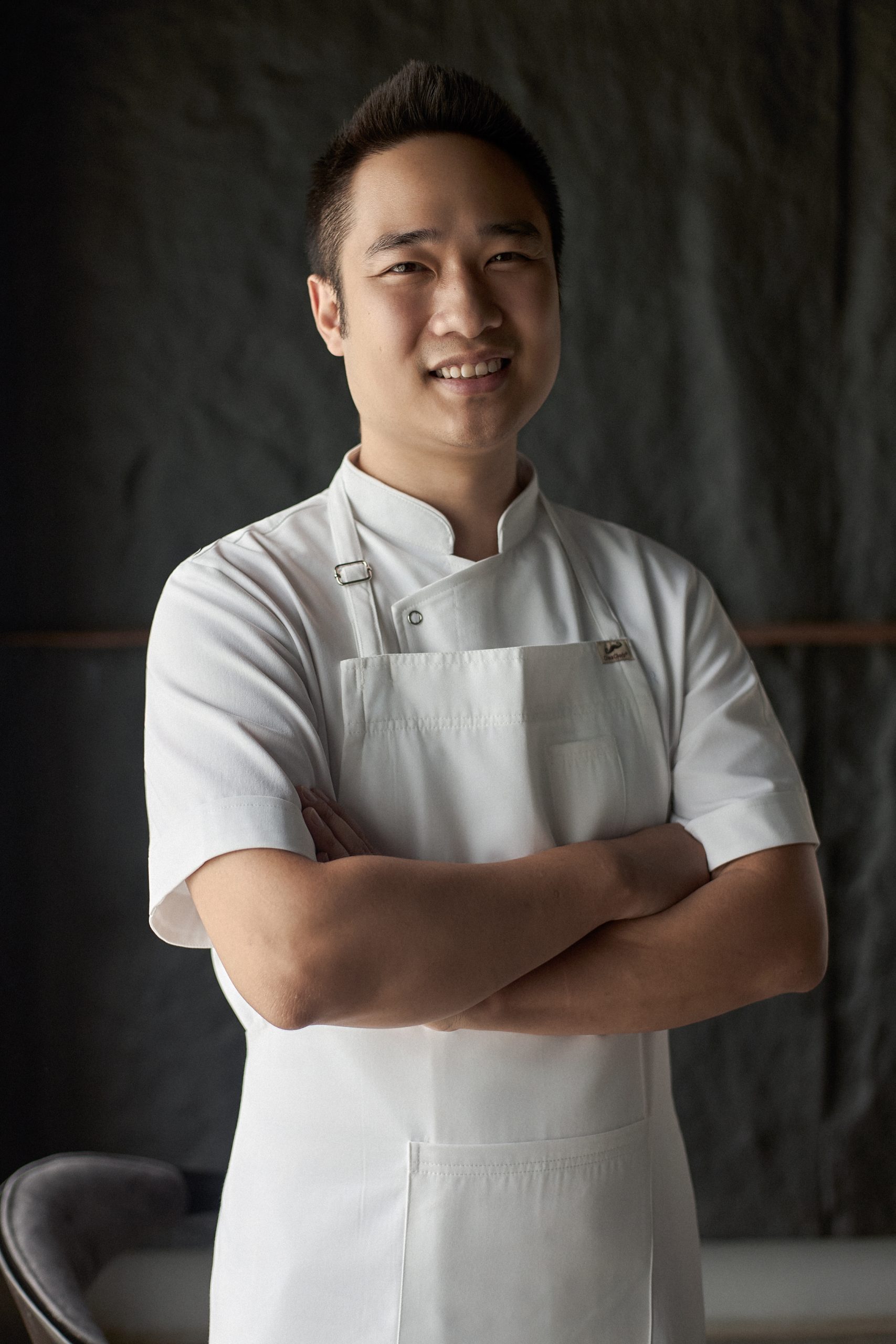
This thoughtful balance reflects the guiding culinary vision of Chef Quang Dũng and the kitchen team at Chapter. By honoring Northern Vietnam’s native fermentation heritage, each dish allows peak seasonal produce to express its inherent character while remaining connected to a deeper cultural memory.
We invite you to visit Chapter Hanoi to experience our seasonal tasting menu, where ancient techniques and modern gastronomy weave together in quiet, unforgettable harmony.
________
Chapter Dining
- 12C Chan Cam, Hoan Kiem, Hanoi
- Mon – Sat from 18:00 – 23:00
- Tel: +84 333 201 221 – Reserve a table
- Email: reservation@chapter.vn