Some memories return through photographs; others need only a familiar aroma. For Chef Quang Dũng, the scents of Hanoi kitchens, family meals and ingredients enjoyed at their seasonal best have remained long after the table was cleared. These memories now shape Chapter Dining’s new autumn–winter menu, where Northern Vietnamese cuisine is reimagined through precise contemporary techniques while retaining the warmth and character of its origins. Read on to discover the memories behind its creation and experience the menu before Chapter begins its next seasonal story.
Table of Contents
Food memories that began long before Chapter Dining
When asked which food memory from Hanoi has stayed with him most clearly, Chef Dũng does not begin with a luxurious restaurant or an elaborate dish. He returned to Cây Si in the 1990s, where his family occasionally went for gà tần and mixed fried rice. Restaurants were still a rare pleasure for many families at the time.
“It was simple, but I remember it being incredibly good,” Chef Dũng recalls. “Perhaps it was because we were hungry and because the opportunity felt rare.” The memory has remained vivid not only because of the flavour. It also holds the anticipation of going out, sitting down with family and discovering something beyond an everyday meal.
Other experiences gradually followed. At a restaurant on Phố Huế, he tasted a grilled chicken leg so crisp and fragrant that it stayed in his mind for years. He did not yet know how to handle a knife and fork, so his father cut the meat for him. Later came meals in Lệ Mật, Nghi Tàm and other familiar corners of Hanoi, each adding another flavour to his growing understanding of food.
The first dish that gave Chef Dũng confidence in the kitchen
Chef Dũng began cooking when he was around ten, but thịt kho tàu was the dish that first made him feel he might have a natural ability in the kitchen. His mother taught him the foundations, leaving enough room for him to adjust the quantities by instinct.
Years later, while studying abroad, he returned to the same dish when cooking Vietnamese food for friends from Hanoi. The pork was different from what he knew at home, but the slow braise remained forgiving. With time, heat and seasoning, the familiar flavour returned.
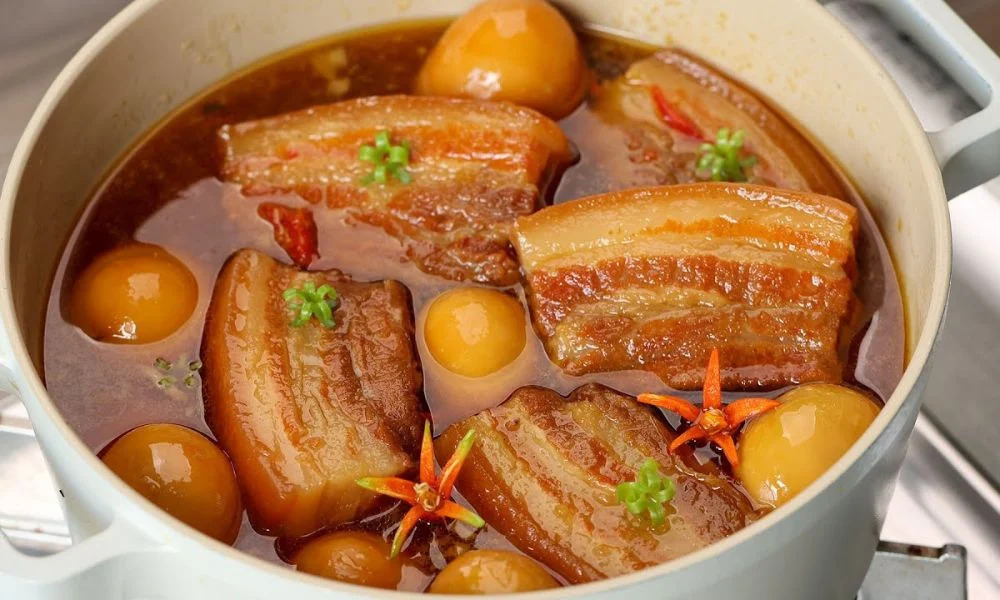
That lesson would later become important at Chapter. Ingredients may change, and modern equipment may offer greater precision, but the cook still needs to understand the flavour the dish is meant to carry.
Northern Vietnamese cuisine begins with what is in season
Chef Dũng’s understanding of seasonality began at home. His mother would say, “This chicken is good,” rather than simply praising the finished dish. When an ingredient reached its best moment, her advice was equally direct: “It is in season—eat it.”
In Northern Vietnam, that moment may last only a few weeks and rarely arrives at exactly the same time each year. Fermentation, pickling and smoking help preserve the harvest while creating the deeper flavours associated with the region. “Even when we work with the same ingredient again, every year can be different,” Chef Dũng explains. “We have to reconsider how to use it and whether it suits the weather at that moment.”
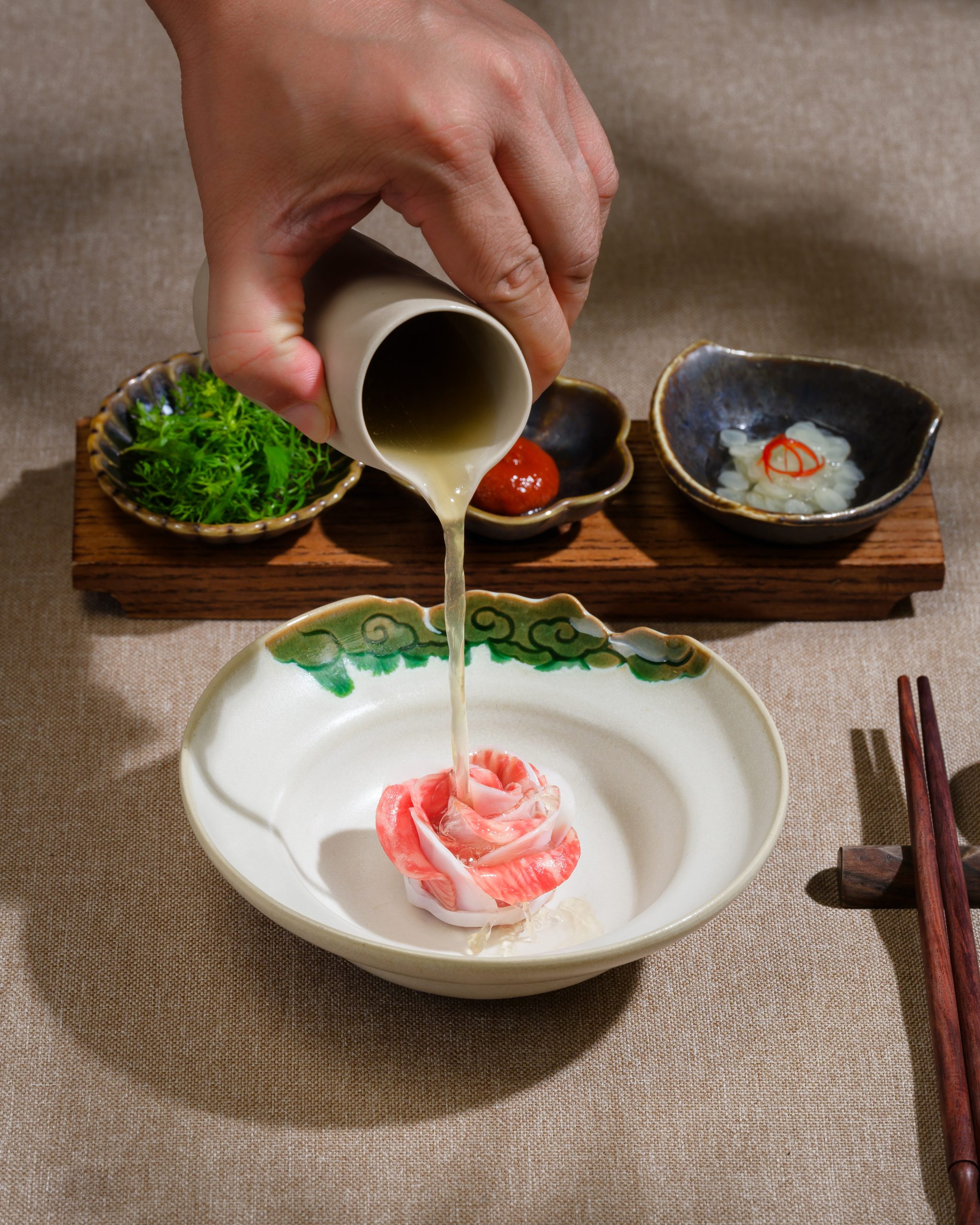
The new Chapter Dining seasonal menu follows this rhythm. While selected Lucent signatures remain, new courses respond to autumn and winter through ingredients at their seasonal peak.
The new Chapter Dining autumn menu retains several signatures from Lucent, but its new courses introduce the warmer aromas and deeper flavours of the colder months. Chicken phở, seasonal fish, fermented rice, wild duck, mắc mật and ripe fruit do not appear as nostalgic reproductions. They become starting points for a more precise expression of familiar Northern tastes.
Chicken phở returns as a cold-season memory
“Imagine entering a phở shop on a cold winter morning when you are hungry,” Chef Dũng says. “You have to order a poached egg with it. Everyone understands why that combination is good.”
At Chapter, the yolk of trứng gà so is gently confited in oil for a smooth, consistent texture. Native chicken bones and sá sùng give the broth depth, while Đông Tảo chicken feet, fresh herbs and pickled chilli complete the course. Rather than recreating a street-side bowl, the kitchen refines its familiar warmth through carefully controlled ingredients and techniques.
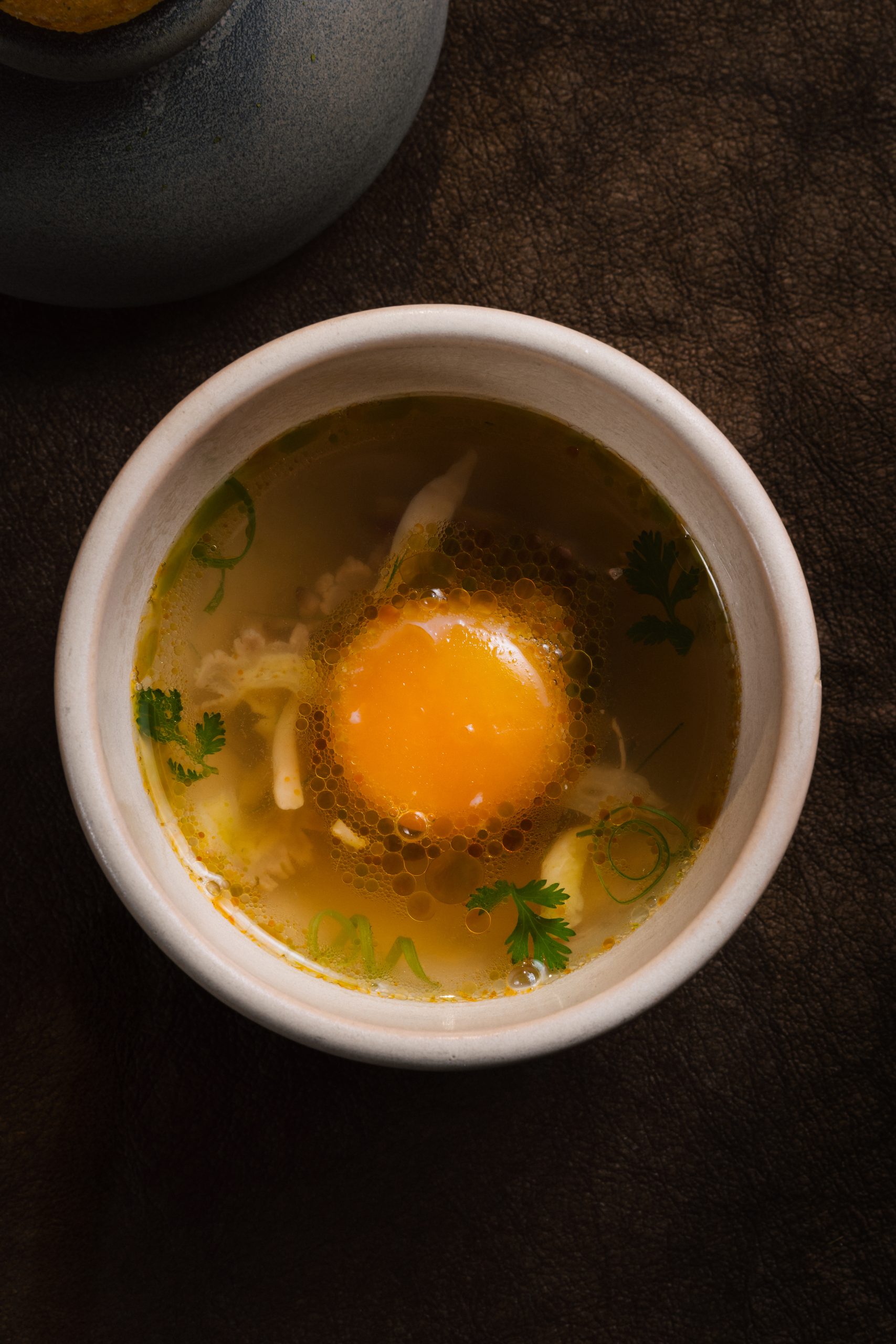
“These are things people already know are delicious,” Chef Dũng explains. “Our responsibility is to prepare every detail as carefully as possible and make the best version we can.” The result does not imitate a street-side bowl. It preserves the warmth of that experience and allows guests to encounter it through a different texture and pace.
For Chef Dũng, duck is not remembered as a single plate. “I enjoy the whole duck meal,” he says. “It is not only the plate of meat. It is the charcoal aroma, the soup, the offal and everything shared around the table.”
Those memories meet in wild duck, duck sausage and mắc mật. The sausage carries seasonings associated with Vân Đình, while mắc mật recalls roast duck from Lạng Sơn and Cao Bằng.
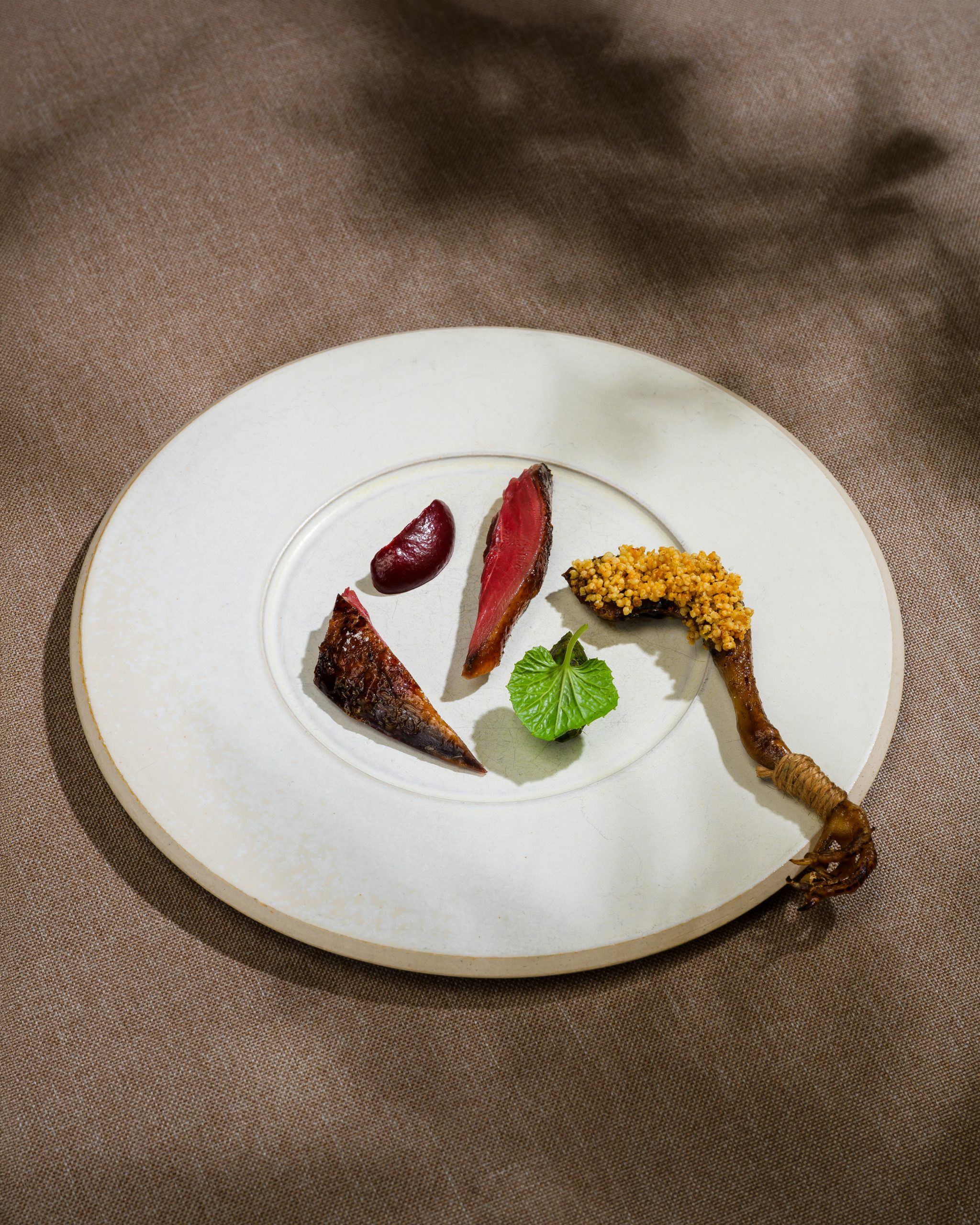
“If we followed the traditional cooking method exactly, we would not achieve the texture we want,” Chef Dũng explains. “The memory of Vân Đình remains in the sausage, while the aroma of mắc mật remains in the sauce.” The course does not place an entire countryside feast onto one plate. It collects the parts Chef Dũng remembers most clearly and gives each one space to speak.
Longan, lychee and rose carry a family memory
After the deeper flavours of fermented rice, Wagyu and wild duck, longan, lychee and rose moves the menu towards a lighter finish. The fruit refreshes the palate, while rose leaves a floral fragrance that develops gradually.
For Chef Dũng, lychee is connected with family, while rose carries the memory of his mother and the childhood garden in Hải Phòng. Together, the ingredients make the dessert more than a seasonal combination. They return the menu to the idea that began the entire conversation: a fragrance can open a memory that has been waiting quietly for years.
When asked what he hopes guests take away from the experience, Chef Dũng’s answer is uncomplicated.
“Most importantly, I want them to eat well and feel happy,” he says. “I want them to feel satisfied, learn something through the food cards and stories, and leave knowing that the time they spent here was worthwhile.”
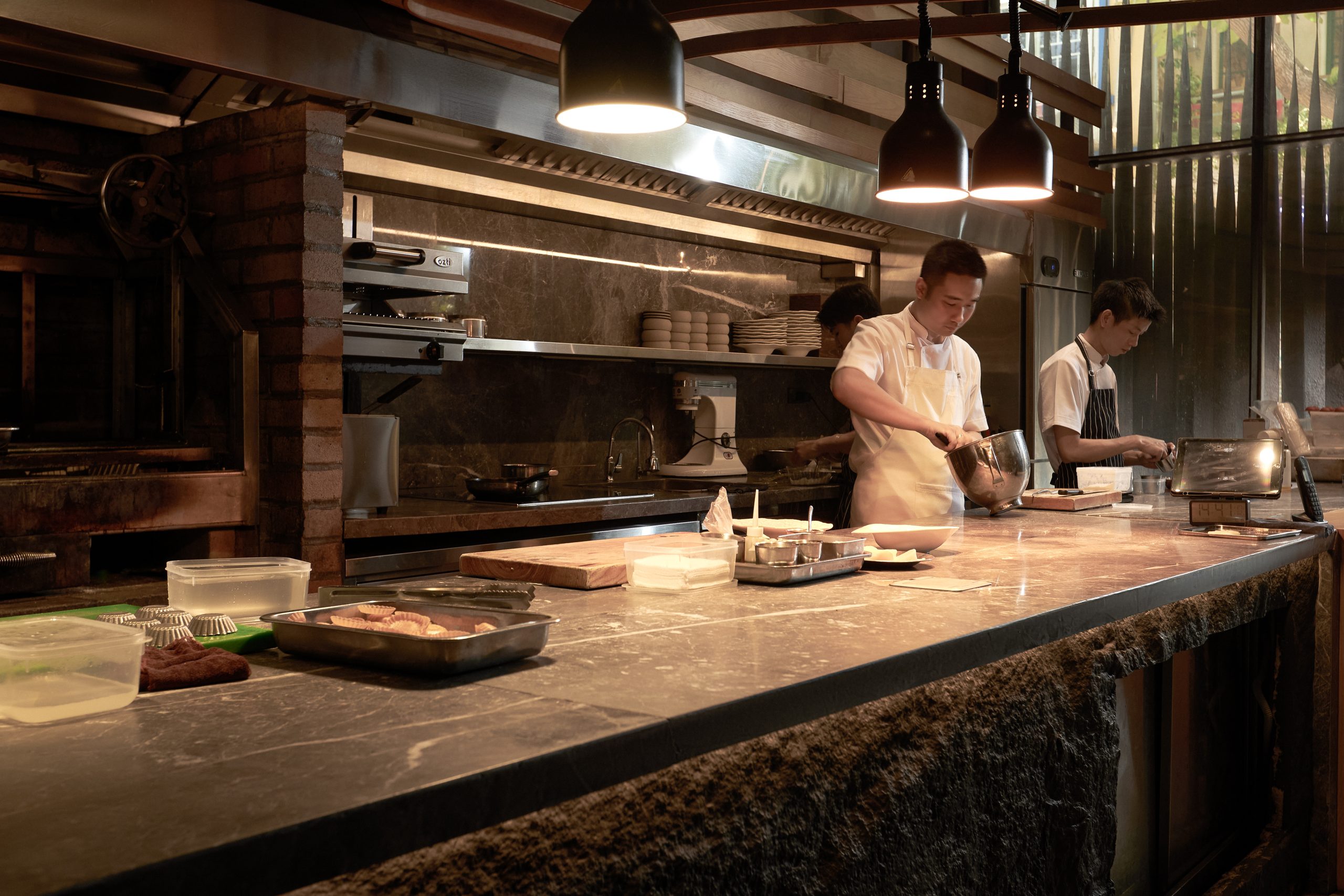
International guests may encounter an aroma they have never tasted outside Hanoi. Vietnamese diners may recognise something familiar before they can name the memory attached to it. For both, the menu offers a closer view of Northern Vietnamese cuisine—not as a fixed collection of recipes, but as food shaped by weather, family and lived experience.
Chapter’s autumn menu will remain only as long as the season allows. View the current tasting menu and reserve your table at Chapter Dining before these autumn memories give way to the restaurant’s next seasonal chapter.
________
Chapter Dining
12C Chan Cam, Hoan Kiem, Hanoi
Mon – Sat from 18:00 – 23:00
Tel: +84 333 201 221 – Reserve a table
Email: reservation@chapter.vn