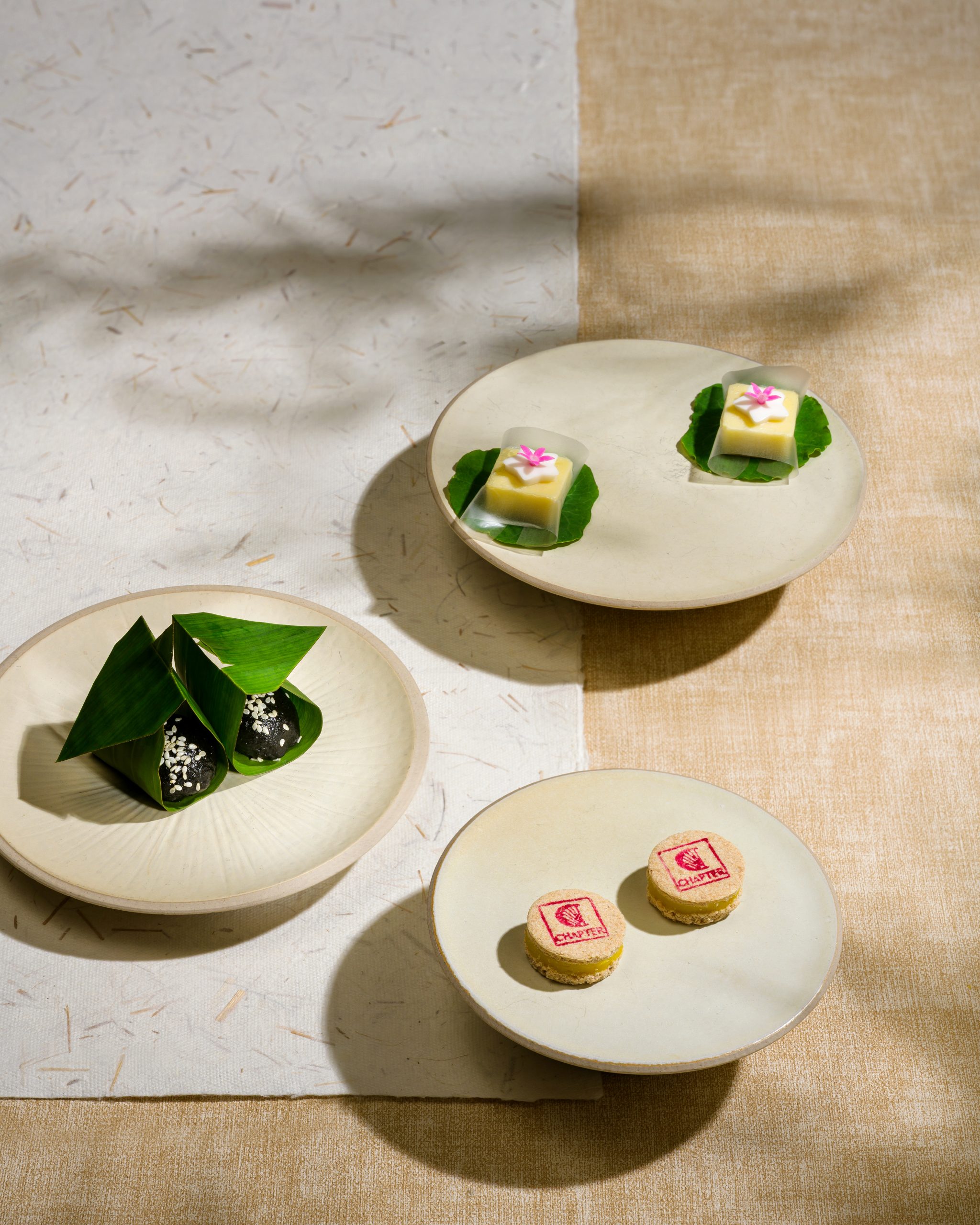
A memorable fine dining dessert should do more than satisfy a craving for something sweet. It should complete the rhythm of the meal, reflect the restaurant’s culinary point of view and leave one final memory after the last plate has been cleared. At Chapter Dining, the tasting journey ends with three Petit Fours created for a season of togetherness. Three small bites become a thoughtful farewell with the evening for just a little longer. Discover the full seasonal tasting menu and experience how Chapter writes the final lines of dinner through dessert.
Table of Contents
- 1 What makes a fine dining dessert different?
- 2 What happens at the end of a tasting menu?
- 3 Petit Fours at Chapter: three bites for a season of togetherness
- 4 How the flavours and textures unfold
- 5 Why travellers should save room for dessert
- 6 Where to experience a fine dining dessert in Hanoi
- 7 The final chapter of the evening
What makes a fine dining dessert different?
A traditional dessert is often chosen as an individual dish. Diners may order a cake, ice cream or pastry based on what they enjoy without considering the courses that came before it. A fine dining dessert serves a different purpose. It belongs to a carefully planned sequence in which every course influences the next. Sweetness, acidity, temperature and texture must respond to the savoury dishes already served while guiding the palate towards a satisfying conclusion.
This is why tasting menu desserts are not always the richest or sweetest part of dinner. A chilled fruit preparation may feel more rewarding than a dense chocolate cake after several courses. Floral notes can restore delicacy, while a steamed cake may bring comfort without making the ending feel heavy. The dessert course must feel complete on its own, yet still belong to the story of the menu.
The dessert course is part of a larger journey
A tasting menu is designed as a progression. The opening bites awaken the appetite, the central courses develop the main culinary story, and the sweet sequence slows the experience down.
By the time dessert arrives, diners have already encountered many aromas, flavours and textures. The pastry team therefore has to consider the palate’s condition at that exact moment. Freshness becomes as important as indulgence. Portion size matters. Even the transition from one texture to another can affect how the entire meal is remembered. The best tasting menu dessert does not compete with everything that came before it. It brings those experiences together.
Petit Fours are the restaurant’s final gesture
Petit Fours are small confections traditionally served after the principal dessert, often alongside coffee or tea. Despite their size, they are not decorative extras. Petit Fours offer the kitchen one last opportunity to express precision, generosity and personality. A successful selection may revisit an ingredient from earlier in the menu, introduce a childhood memory or create a final contrast between fruit, pastry and confectionery. Each bite should be distinct, yet the selection should feel coherent when experienced together.
The exact sequence differs between restaurants, but the sweet section of a longer tasting menu may include three stages:
- Pre-dessert: A light, fresh or acidic transition from savoury flavours to sweetness.
- Dessert course: The main composed dessert, often combining multiple preparations and textures.
- Petit Fours: A small collection of final bites that brings the dinner to a gentle close.
Not every restaurant follows this structure in the same way. Some serve one dessert followed by Petit Fours, while others create a longer progression of sweet courses.
Chapter exclusively serves a seasonal tasting menu rather than à la carte dishes. This allows its dessert and Petit Fours to occupy a deliberate place within the complete dining experience. Explore Chapter’s current menu
It is not a standalone dessert tasting menu designed only around sweets. Instead, the dessert sequence gains meaning from the Northern Vietnamese ingredients, stories and techniques introduced throughout the evening.
Petit Fours at Chapter: three bites for a season of togetherness
Chapter Dining’s current Petit Fours form a progression of their own. The sequence moves from bright and fruit-led to floral and delicate before settling into a soft, familiar Vietnamese flavour. Each bite has a different texture and emotional character, but together they express the same idea: a farewell can feel generous without becoming excessive.
Seasonal tropical fruit macerated in red wine and Lillet
The sequence begins with seasonal tropical fruit macerated in red wine and Lillet. Maceration allows the fruit to absorb the aromas and gentle warmth of the wine while retaining its natural freshness. The result is not simply sweet fruit. It brings together ripeness, acidity and a subtle alcoholic depth that prepares the palate for the richer bites that follow.
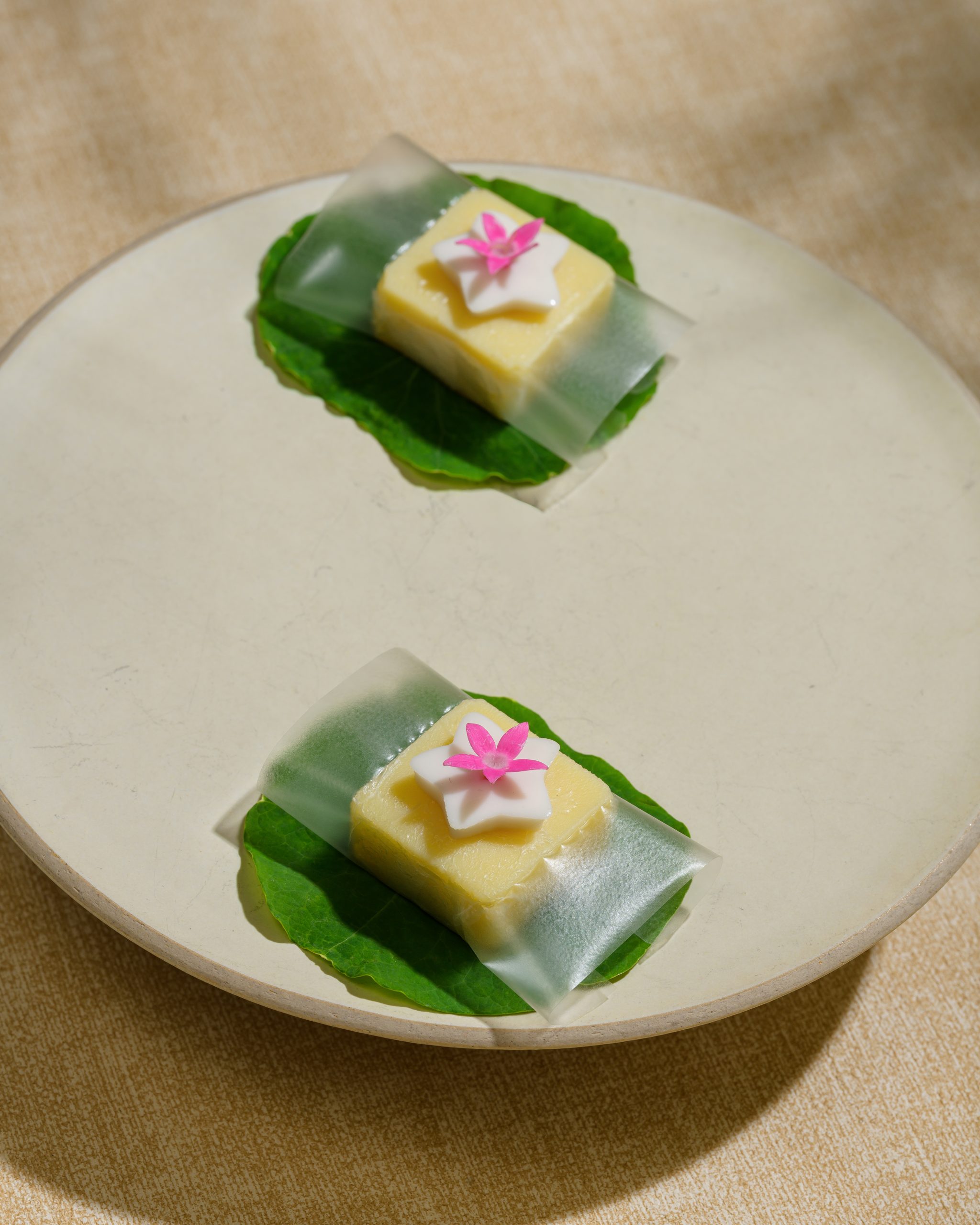
Using seasonal fruit also connects the dessert to a specific moment of the year. Its sweetness, fragrance and texture depend on what nature offers at its peak, giving the first Petit Four a sense of time and place. For travellers, this is an accessible introduction to Chapter’s approach to contemporary dessert.
Jasmine macaron: floral, crisp and delicate
The journey continues with a jasmine macaron. Its shell is thin and crisp, giving way to a softer centre. This contrast makes the bite feel precise without becoming heavy, while jasmine adds a gentle floral note that lifts the sweetness.
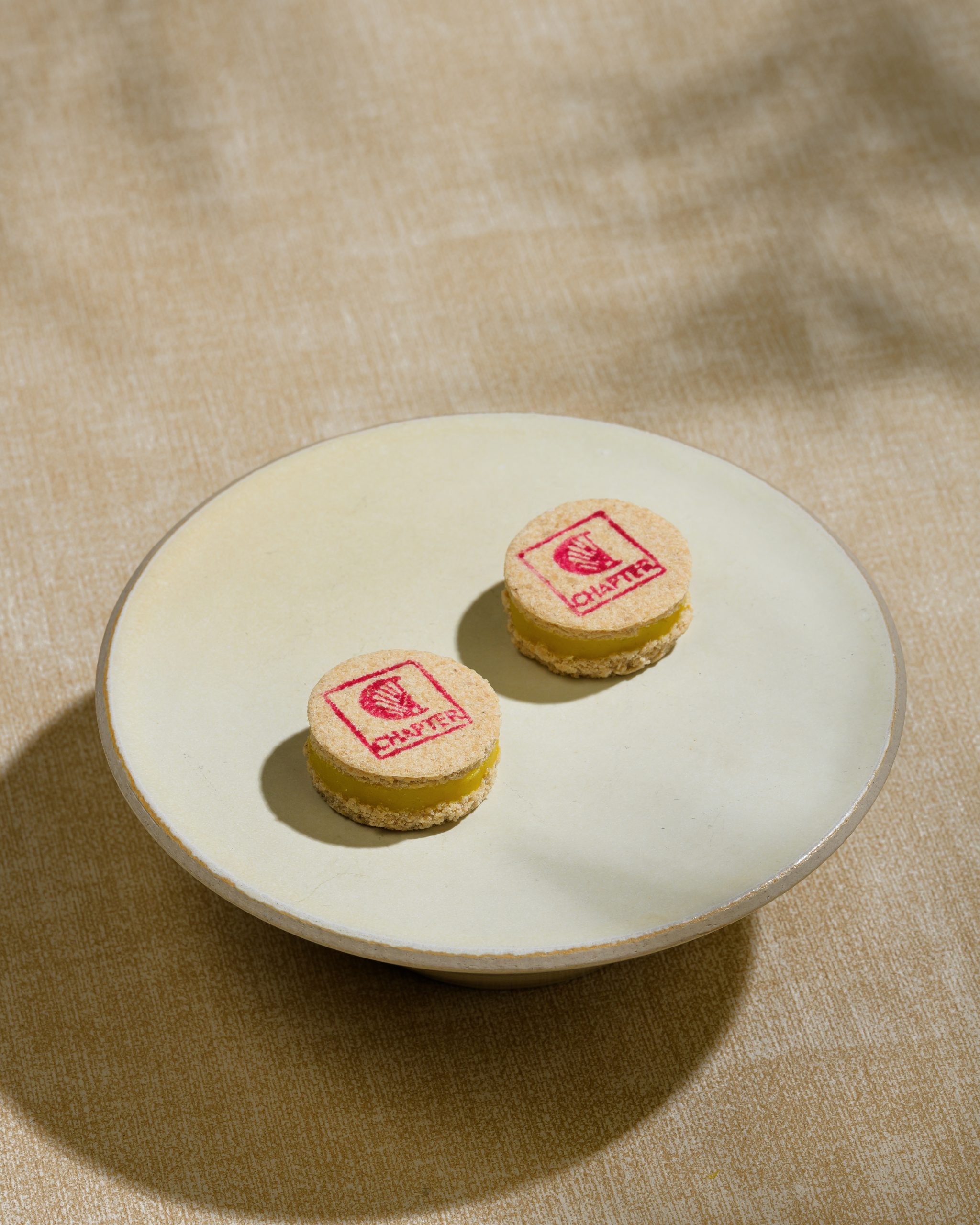
The macaron introduces a classical pastry form, but the jasmine aroma gives it a character that feels closely connected to Vietnam. Jasmine is familiar through tea, gardens and everyday fragrance, yet here it becomes part of a refined dessert course.
The floral quality also creates a natural bridge between the brightness of the macerated fruit and the deeper comfort of the final steamed cake. The transition is subtle, allowing the Petit Fours to unfold rather than compete for attention.
Steamed ramie cake with banana filling: a familiar final note
The trio closes with steamed ramie cake and banana filling. Unlike the crisp macaron, this final bite brings softness and gentle density. Its steamed texture recalls Vietnamese cakes made for gatherings, family occasions and moments of reunion. The banana filling adds familiar sweetness without separating the dessert from its local identity.
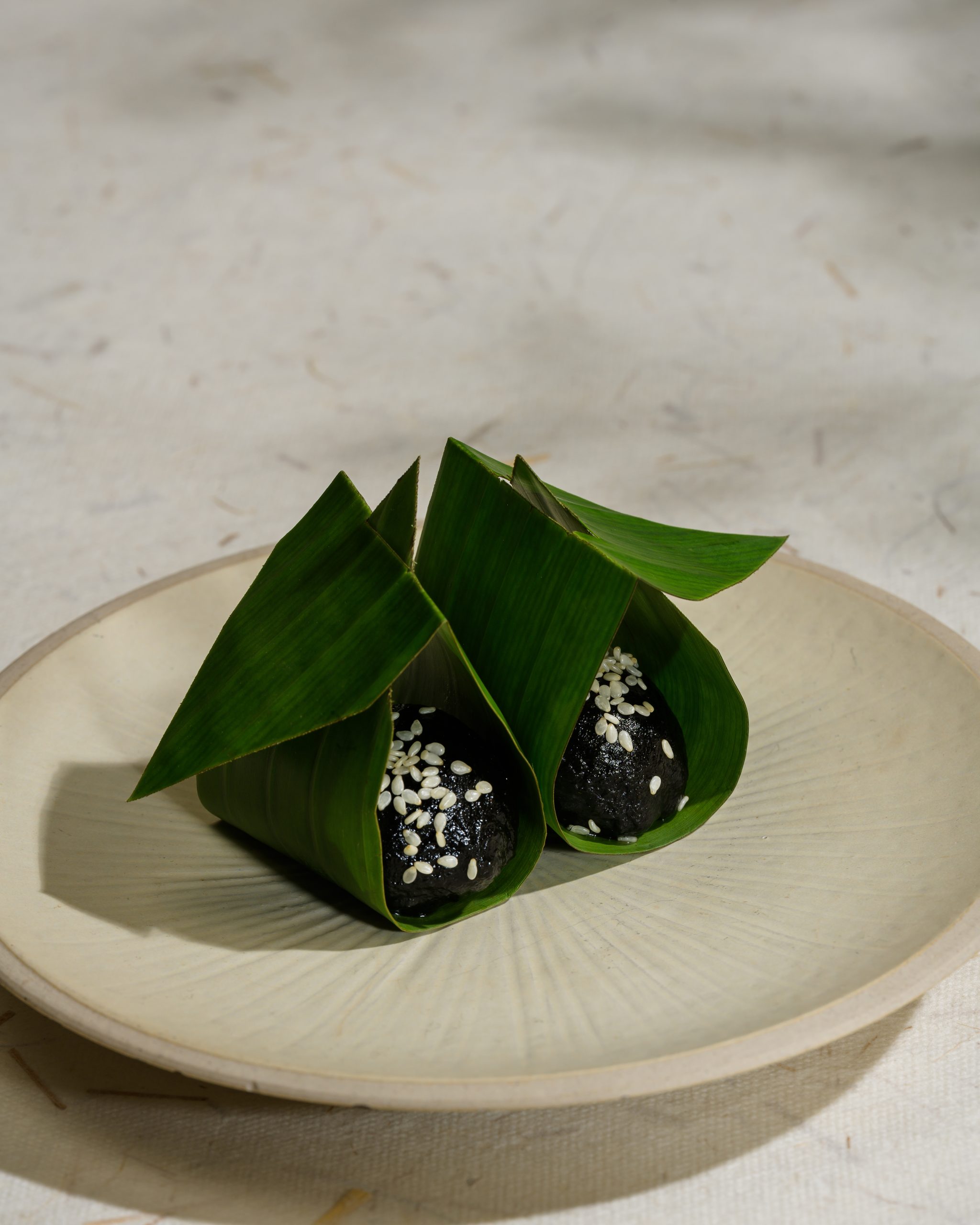
This is where Chapter’s contemporary approach becomes most apparent. The restaurant does not remove the cake from its cultural memory. Instead, it adjusts its scale, proportion and presentation so that a familiar flavour can sit naturally at the end of a fine dining menu.
Comforting yet never entirely predictable, the steamed ramie cake creates the emotional finish of the sequence. It is the bite most closely associated with memory, home and togetherness—an appropriate final note after an evening of discovery.
How the flavours and textures unfold
The three Petit Fours are most effective when understood as a sequence rather than separate sweets.
The tropical fruit begins with juiciness, freshness and gentle warmth from red wine and Lillet. The jasmine macaron then changes the rhythm through its crisp shell, soft centre and floral aroma. Finally, the steamed ramie cake slows the experience down with a softer texture and the comforting sweetness of banana.
This creates three clear movements:
- Fresh and aromatic: Seasonal tropical fruit, red wine and Lillet
- Crisp and floral: Jasmine macaron
- Soft and comforting: Steamed ramie cake with banana filling
The progression prevents the finale from feeling repetitive. Instead of presenting three similar pastries, Chapter offers contrast in temperature, texture, fragrance and cultural reference.
The smallest details become noticeable because each bite is concise. The crispness of the macaron matters more when it follows tender fruit. The softness of the steamed cake becomes more comforting after the delicate shell. The banana filling feels warmer and more familiar because it concludes a sequence that began with wine and tropical acidity.
Why travellers should save room for dessert
Hanoi’s food culture is often introduced through phở, bánh mì, bún chả, egg coffee and street-side snacks. These experiences are essential, but they represent only part of the city’s culinary identity.
A Vietnamese fine dining menu provides another perspective. It shows how local ingredients and familiar flavours can move through research, technique and contemporary presentation while maintaining a connection to their origin.
Dessert makes this exploration especially personal. Sweet flavours are often tied to childhood, celebration and family gatherings. A small cake or floral aroma can communicate cultural memory without requiring a long explanation.
Chapter’s Petit Fours allow visitors to encounter those memories in three concise bites. The experience begins with the brightness of tropical fruit, moves through the fragrance of jasmine and ends with a steamed cake associated with comfort and togetherness.
For guests searching for the best dessert in Hanoi, it is important to understand the type of experience Chapter offers. This is not a dessert café or pastry shop where visitors order one sweet dish. The Petit Fours form part of a full seasonal tasting menu, and their meaning develops from everything served before them.
Where to experience a fine dining dessert in Hanoi
Chapter Dining is located at 12C Chan Cam Street in Hanoi’s Old Quarter. The restaurant explores the culinary heritage of Northern Vietnam through contemporary gastronomy, seasonal ingredients and a tasting-menu format.
The MICHELIN Guide lists Chapter under Vietnamese contemporary cuisine and highlights its multi-course tasting experience. MICHELIN Guide – Chapter
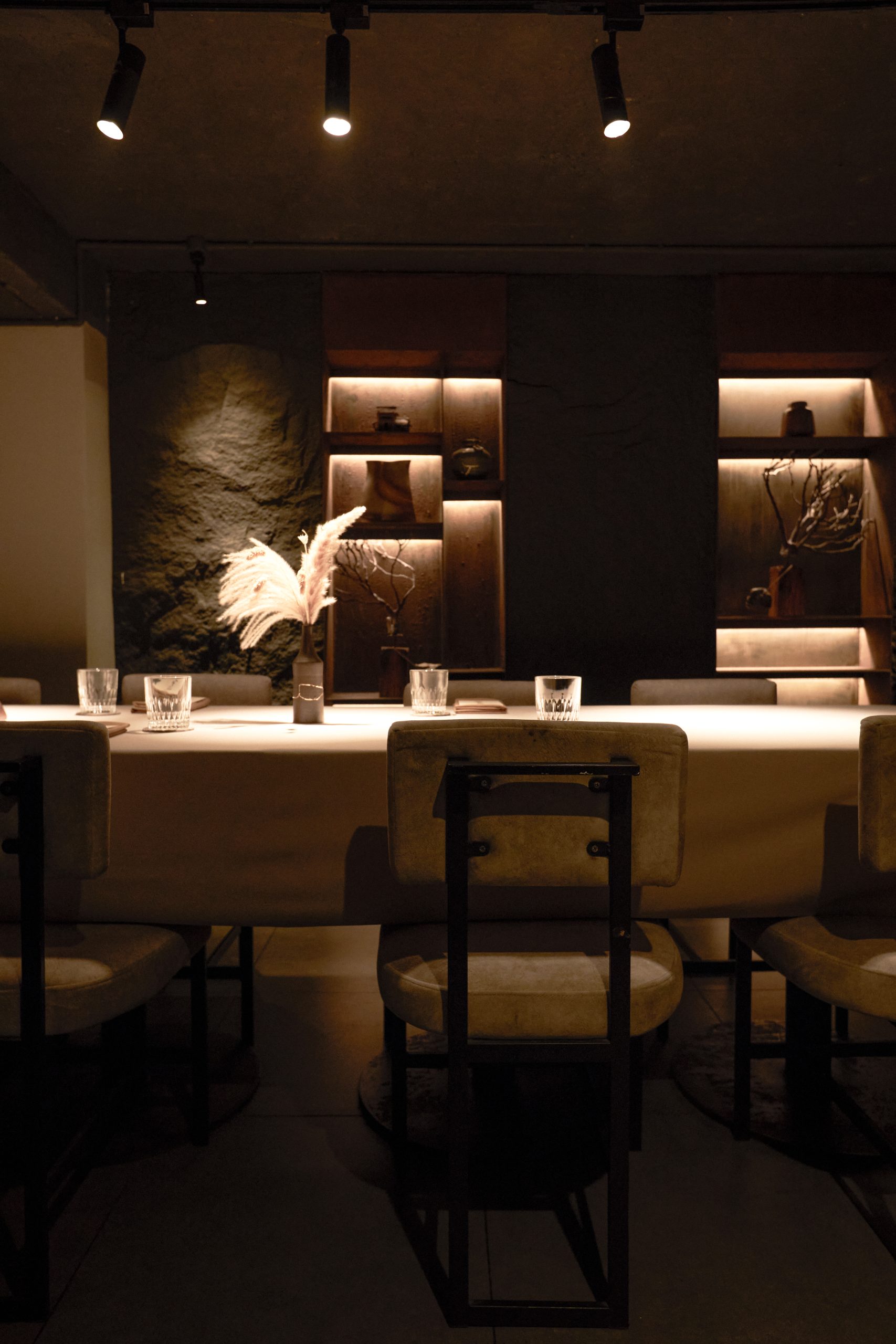
This central location makes the restaurant accessible for visitors staying around Hoan Kiem Lake or the Old Quarter. However, the experience feels distinct from a casual stop during a food tour. Dinner should be treated as the principal plan for the evening.
The final chapter of the evening
A memorable fine dining dessert is not measured only by sweetness or visual complexity. Its true role is to complete the meal and leave the diner with one final, distinctive memory.
Chapter Dining achieves this through three small but carefully connected bites. The savoury courses may tell the larger story of Northern Vietnam, but the Petit Fours write its final line. When planning a special dinner in Hanoi, do not think of dessert as an afterthought. Leave room for the moment when the plates become smaller, the flavours become quieter and the evening lingers for one last bite.
Explore Chapter’s seasonal tasting menu and reserve your table for a sweet farewell worth remembering.
_________
Chapter Dining
12C Chan Cam, Hoan Kiem, Hanoi
Mon – Sat from 18:00 – 23:00
Tel: +84 333 201 221 – Reserve a table
Email: reservation@chapter.vn