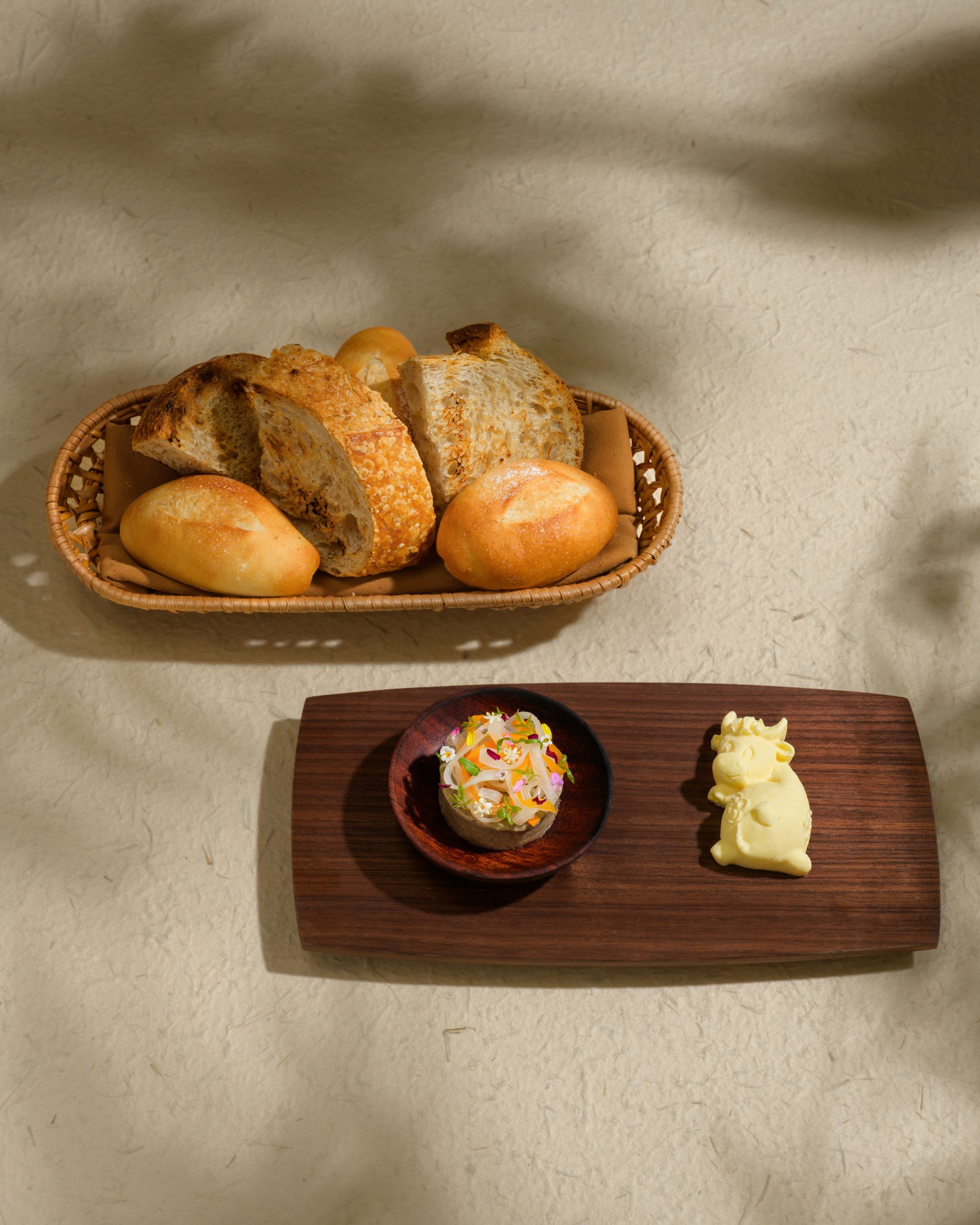
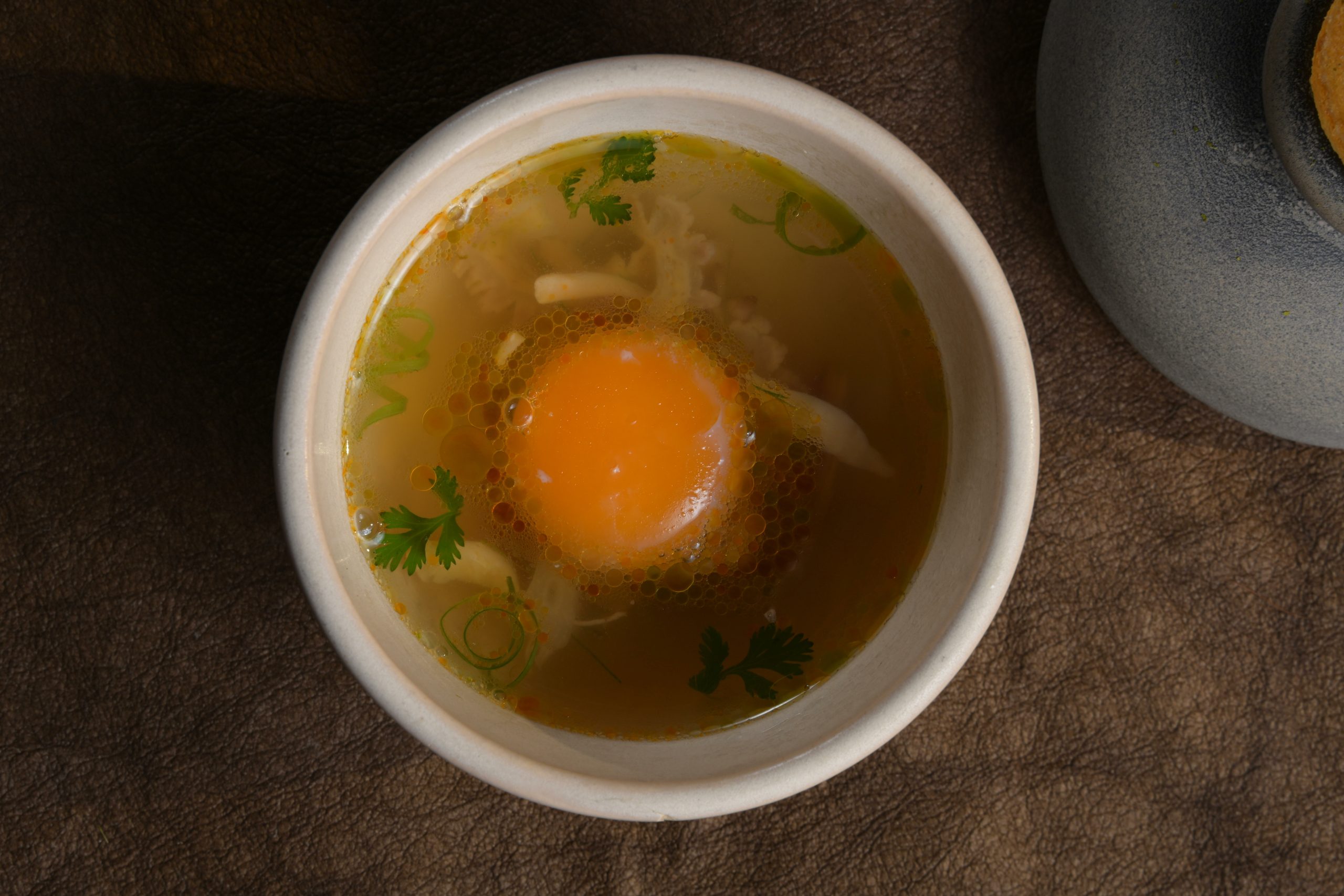
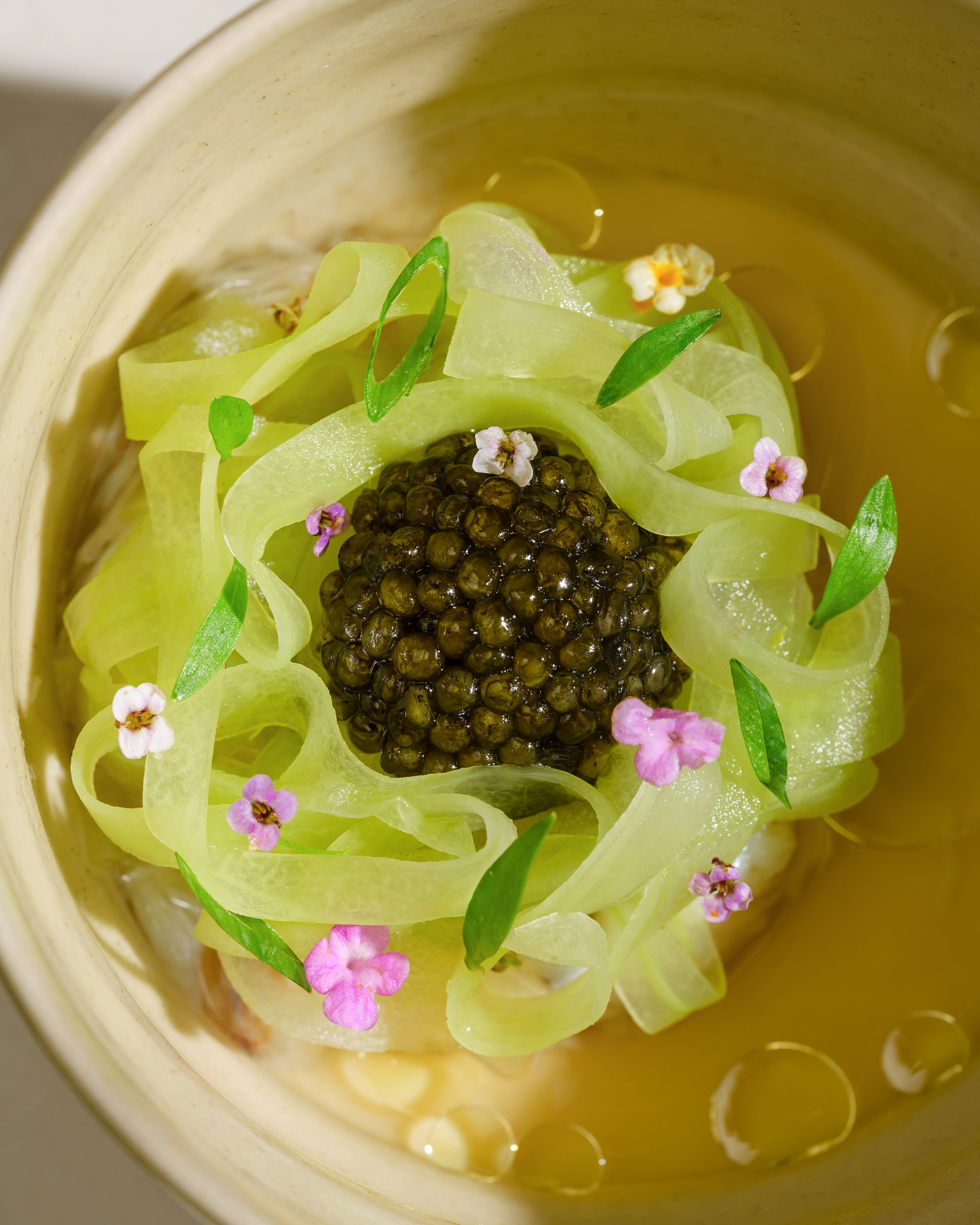
Looking beyond phở and bánh mì is where the discovery of Vietnamese cuisine truly begins. Chapter’s autumn tasting menu introduces five distinctive ingredients include sá sùng, mẻ, seasonal fish, swimmer crab, and aromatic herbs. They create through contemporary courses inspired by Northern Vietnam. Read on to discover what each ingredient tastes like, why it matters in Vietnamese food culture and how Chapter transforms it into a fine-dining experience worth adding to your Hanoi itinerary.
Table of Contents
- 1 Five local ingredients tell one Autumn story
- 2 1. Sá Sùng gives Chicken Phở its hidden sweetness
- 3 2. Fermented rice (Mẻ) gives A5 Wagyu a Northern Vietnamese Character
- 4 3. Seasonal Fish reflects Vietnam’s respect for timing
- 5 4. Swimmer Crab brings the sweetness of Vietnam’s coast
- 6 5. Aromatic Herbs reveal the dish before the first bite
- 7 Experience these Vietnamese ingredients at Chapter Dining
Five local ingredients tell one Autumn story
Vietnamese fine dining is not defined simply by placing expensive ingredients on an elegant plate. Its identity comes from the flavours that connect each dish to a particular landscape, season or way of eating. At Chapter, Sá sùng, fermented rice, seasonal fish, swimmer crab and aromatic herbs may appear in different parts of the tasting menu, yet they share one purpose: connecting contemporary cooking to the ingredients and eating habits of Northern Vietnam.
Together, these ingredients show why Vietnamese fine dining is not simply traditional food presented differently. It is a way of studying familiar flavours, understanding why people remember them and finding a new form without losing their original character. This approach allows travellers to experience familiar flavours in unfamiliar forms. A bowl of chicken phở becomes a composed opening course, a family soup inspires a savoury custard and humble fermented rice brings balance to richly marbled beef.
Sá sùng is one of the most intriguing ingredients on Chapter’s autumn menu. Sometimes translated as a peanut worm or sand worm, it lives beneath the sandy tidal flats along Vietnam’s northern coast, including the waters around Quan Lạn in Quảng Ninh. Harvesting it requires experience and careful timing. Once cleaned and dried, sá sùng becomes a prized ingredient for clear broths, valued for the natural sweetness and lingering umami it releases during slow cooking.
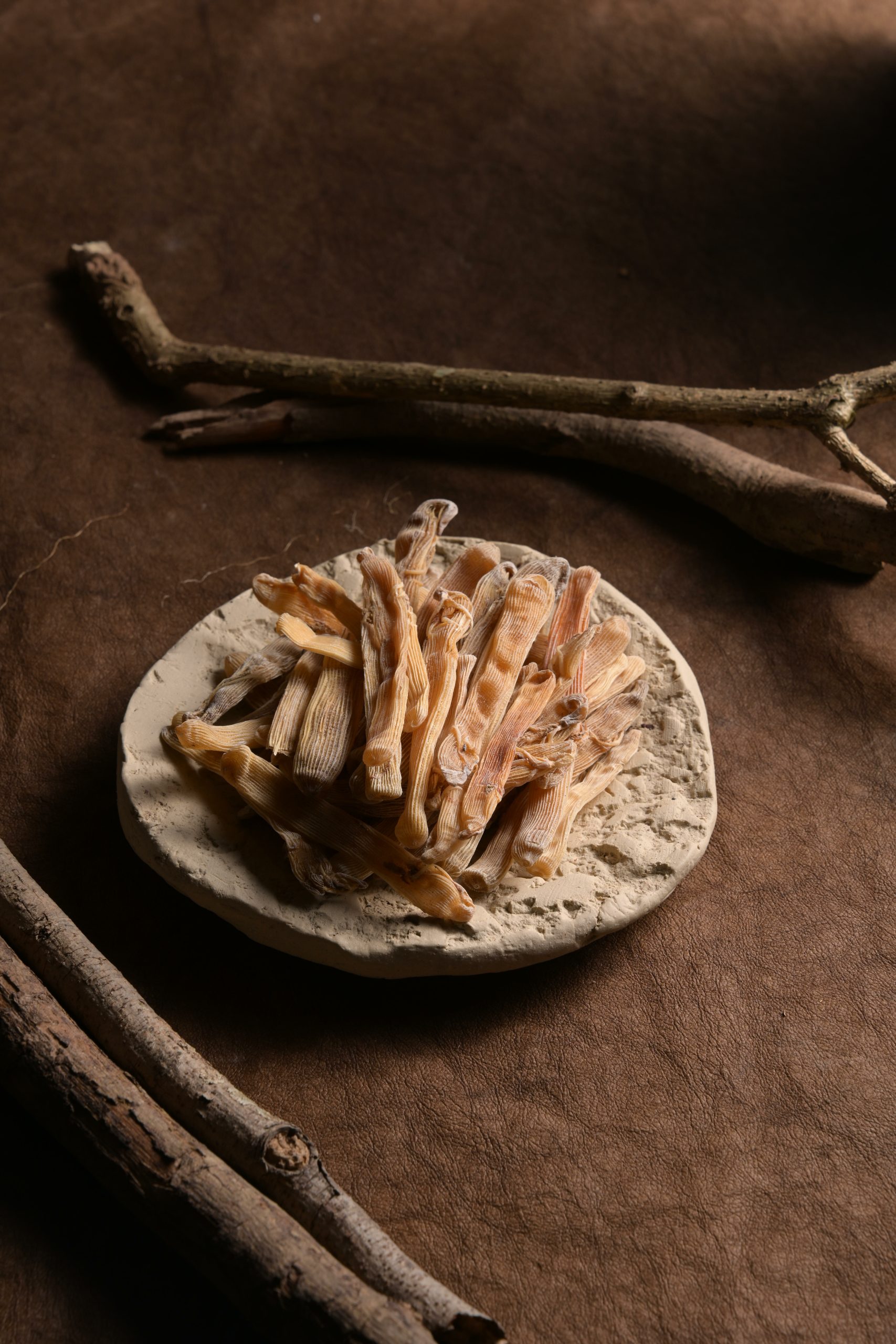
At Chapter, it is not presented as a visible garnish. Instead, sá sùng is simmered with chicken and bones to create the foundation for chicken phở, egg yolk and Đông Tảo chicken feet. The broth remains clear and delicate, yet carries a depth that salt or seasoning alone could not create. For international guests, this course is an opportunity to taste sá sùng in one of its most meaningful settings: quietly supporting the broth rather than drawing attention away from it.
2. Fermented rice (Mẻ) gives A5 Wagyu a Northern Vietnamese Character
Mẻ (fermented rice) develops a soft acidity and a distinctive aroma as cooked rice ferments. Northern Vietnamese cooks have long kept it in their pantry and used it in broths, hot pots and sauces to balance rich meat. Its flavour is gentler and more rounded than vinegar. Instead of producing one sharp sour note, mẻ brings acidity, light fermentation and a subtle rice character that spreads gradually across the palate.
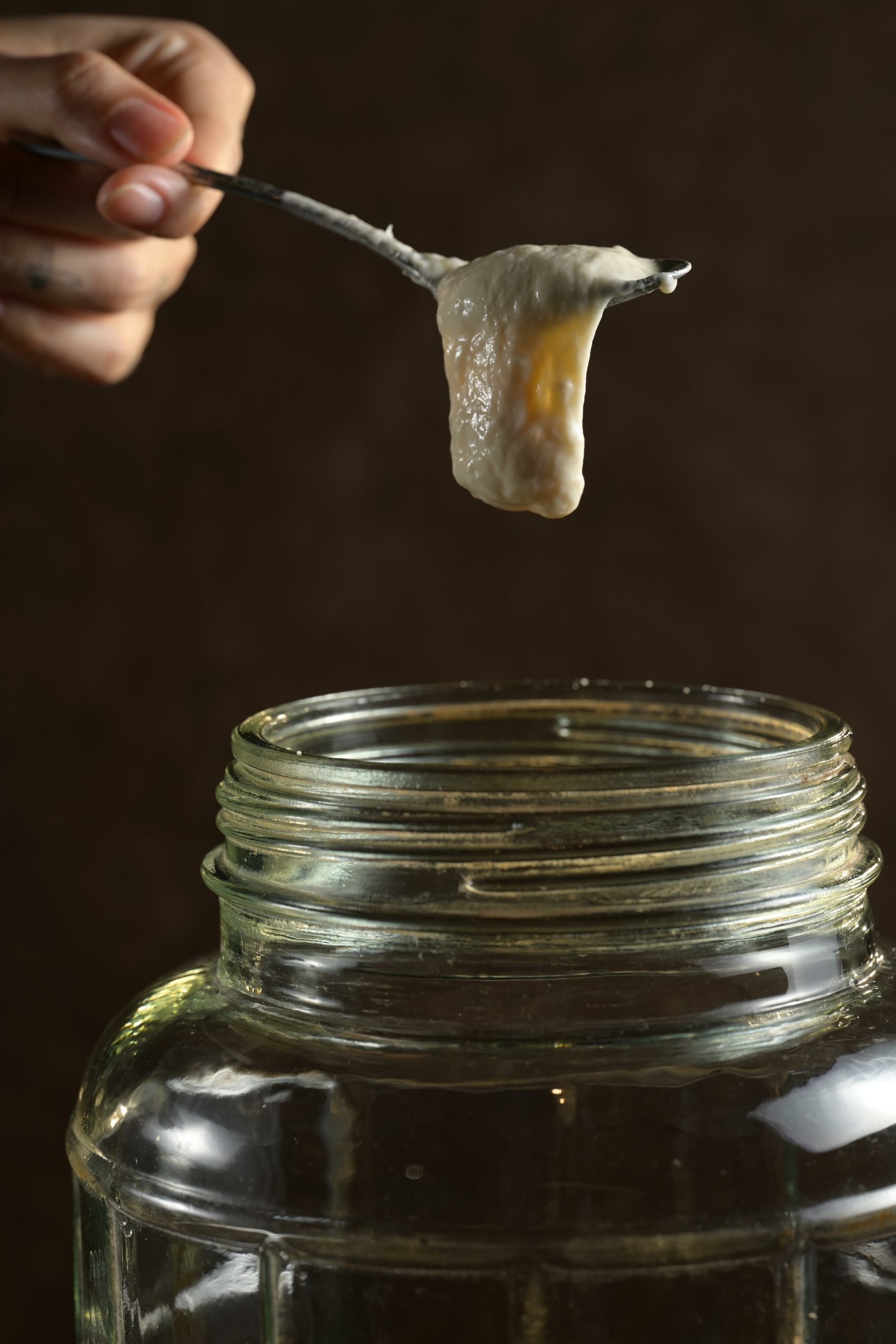
Chapter places this familiar ingredient beside A5 Wagyu beef and onion. The Wagyu requires only gentle cooking. Its fine marbling begins to soften with heat, creating a rich, almost creamy texture. Then the mẻ cuts through that richness, while onion introduces sweetness and aroma. This contrast gives the dish its identity. .
3. Seasonal Fish reflects Vietnam’s respect for timing
In Vietnamese cooking, the quality of an ingredient is closely connected to when it is eaten. Fish, fruit and vegetables are often chosen because they have reached the right moment rather than because a recipe demands the same ingredient throughout the year. Chapter’s seasonal fish, tomato and dill course follows that principle. The phrase “seasonal fish” places timing and quality before a fixed species name, allowing the central ingredient to reflect the character of the season.
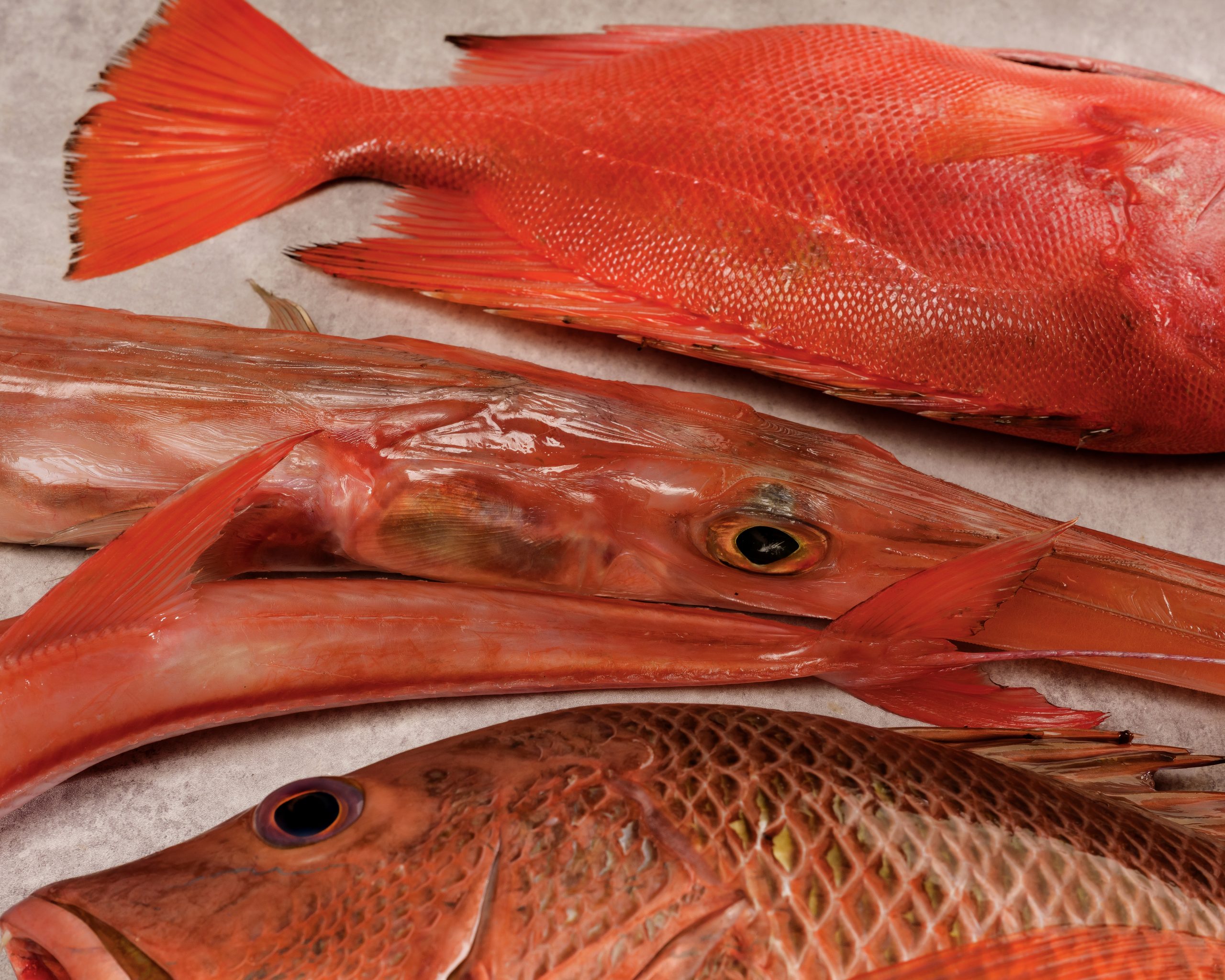
Tomato introduces a gentle balance of sweetness and acidity, while dill gives the course an aroma closely associated with Northern Vietnamese fish dishes. The combination may remind Hanoi diners of flavours they have known for years, although it arrives with the precision and restraint of a contemporary tasting menu. For travellers, the course demonstrates an important quality of Northern Vietnamese cuisine: flavour does not always need to be intense to feel distinctive. Freshness, temperature and aroma can carry as much meaning as spice.
4. Swimmer Crab brings the sweetness of Vietnam’s coast
Known locally as ghẹ, swimmer crab is loved for its moist white meat and clean, gently saline sweetness. At Chapter, the swimmer crab is steamed without additional seasoning. This restraint allows guests to taste the natural sweetness of the meat before encountering the other elements on the plate.
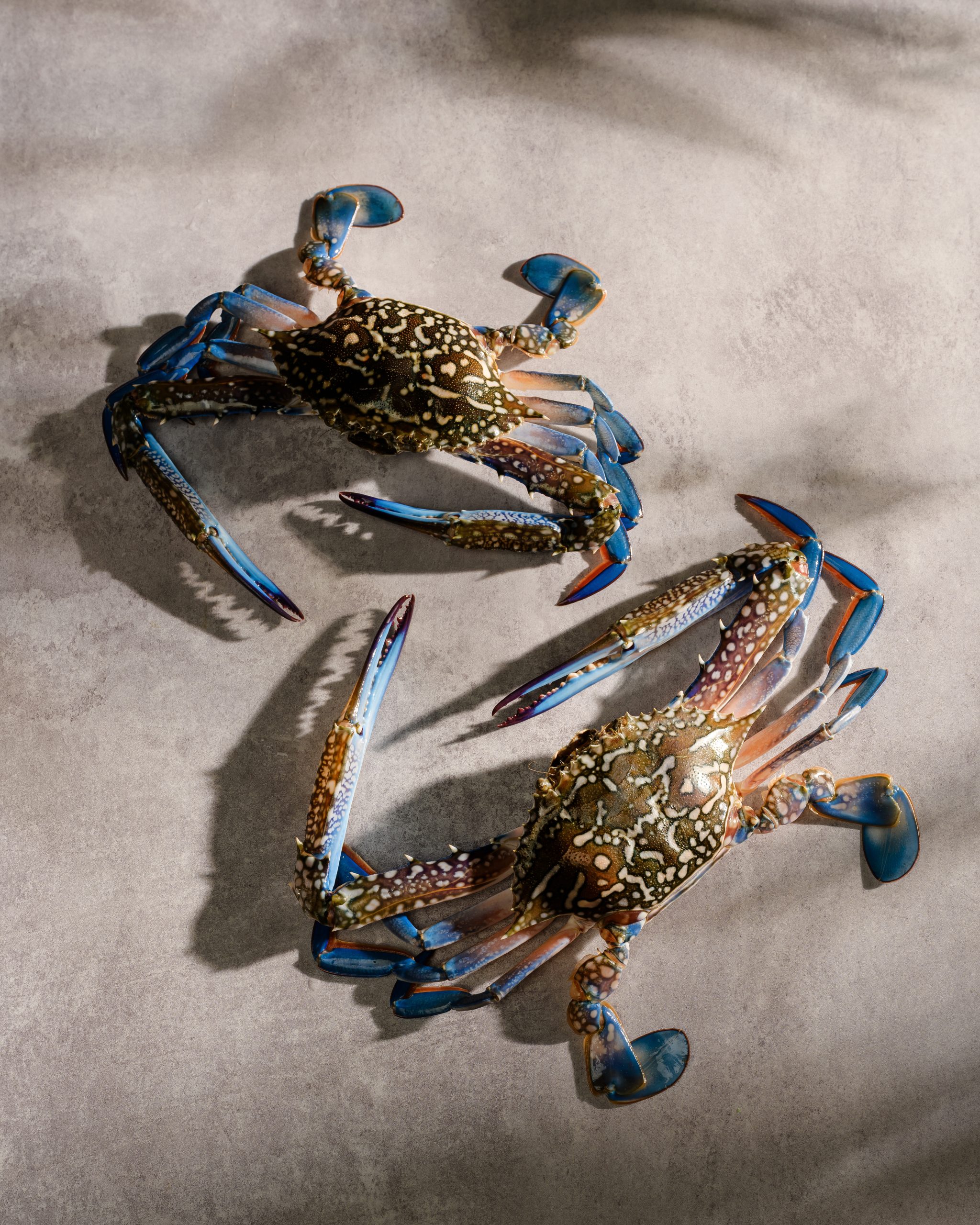
The crab is served over a savory custard made with caviar and a broth prepared from bottle gourd and crab shells. Crisp strands of young gourd add freshness, while Osetra caviar introduces salinity and a lingering richness.
Behind the fine-dining presentation is the memory of a simple Northern family soup. The gourd absorbs the sweetness of the crab while retaining its clean, cooling character.
5. Aromatic Herbs reveal the dish before the first bite
Fresh herbs are among the most recognisable elements of Vietnamese food culture. They are not simply decoration or an optional garnish. Their fragrance, freshness and occasional bitterness help shape how a dish is experienced. The chapter’s autumn menu uses herbs in several different ways. Dill gives seasonal fish a distinctly Northern aroma. Fresh herbs lift the richness of Kinmedai with fermented rice, while mắc mật brings a warm citrus fragrance to wild duck and duck sausage.
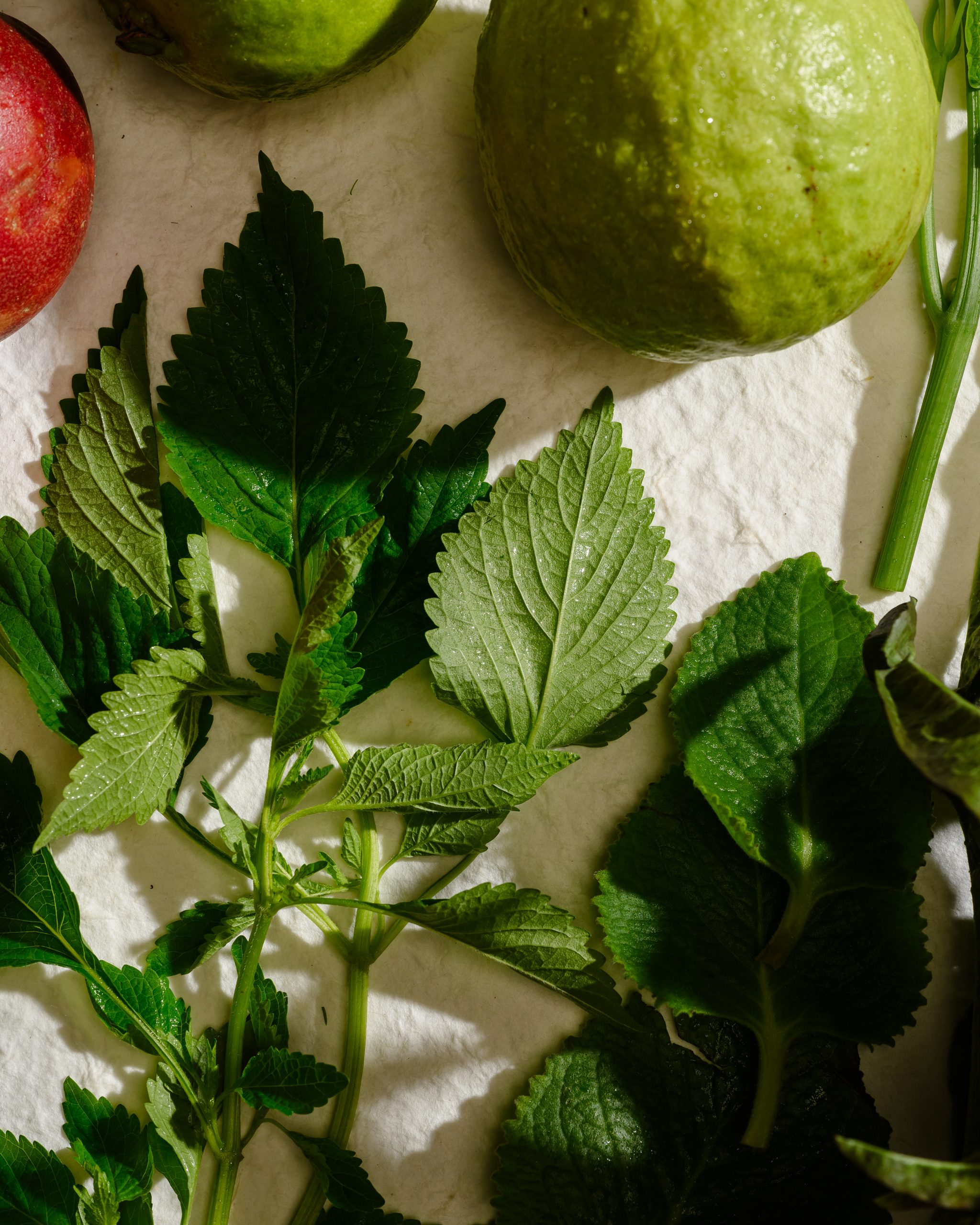
Each herb has a different role. Some refresh the palate after fermented or fatty ingredients. Others connect a dish to a specific region or familiar food memory. They reach the guest before the plate is tasted, preparing the senses for what follows. For travellers accustomed to treating herbs as a finishing touch, Vietnamese cuisine offers a different perspective. At Chapter, they can become the flavour that defines the course.
Experience these Vietnamese ingredients at Chapter Dining
Chapter exclusively serves a seasonal tasting menu rather than individual à la carte dishes. Guests therefore experience these five ingredients as part of a longer sequence. Then they begin with seafood and citrus before moving through broth, fermentation, smoke, meat, fruit and flowers.
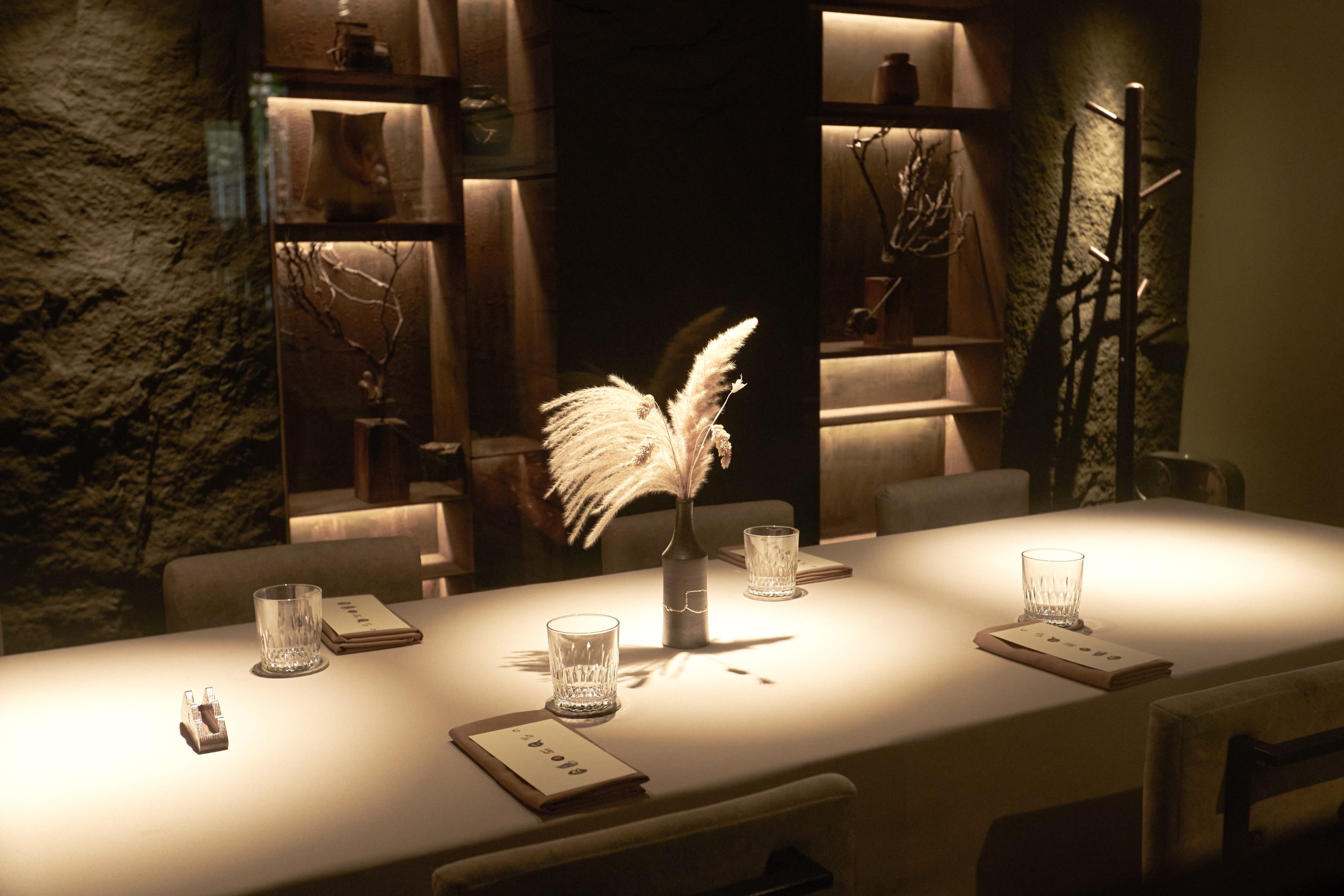
The menu may evolve as ingredients move through their seasons. For international travellers, the experience offers an introduction to Vietnamese cuisine beyond its most famous dishes. Come for ingredients that may be stay for the memories with a deeper understanding of how Northern Vietnam tastes in autumn.
Reserve your table at Chapter Dining and discover five Vietnamese ingredients that make this seasonal fine-dining experience possible.
________
Chapter Dining
12C Chan Cam, Hoan Kiem, Hanoi
Mon – Sat from 18:00 – 23:00
Tel: +84 333 201 221 – Reserve a table
Email: reservation@chapter.vn