Northern Vietnamese cuisine extends far beyond familiar dishes such as phở, bún chả and bánh cuốn. Across the country’s northern mountains, cooler climates and distinct landscapes produce tart summer fruits, earthy rhizomes and aromatic plants rarely explained on conventional food tours. The chapter brings these Vietnamese highland ingredients into its Lucent menu through two particularly expressive courses. This guide explores where these ingredients come from, how they shape each tasting journey, and why summer offers the most complete moment to experience them. Read on to discover how Chapter transforms highland flavors into contemporary fine dining, then reserve your Lucent experience while its summer ingredients remain at their peak.
Table of Contents
- 1 Why highland ingredients matter to Northern Vietnamese cuisine
- 2 Local ingredients offer a deeper understanding of Vietnam’s highland culture
- 3 Two highland-inspired dishes to try on your first visit to Hanoi
- 4 Why travelers should experience Lucent in summer
- 5 What to expect from Chapter’s Lucent menu
Why highland ingredients matter to Northern Vietnamese cuisine
Northern Vietnam changes dramatically beyond the plains surrounding Hanoi. Provinces such as Sơn La, Lào Cai, Cao Bằng and Lạng Sơn contain plateaus, mountain valleys and forested terrain with cooler temperatures and distinctive growing conditions.
These landscapes produce ingredients with strong identities. Plums develop lively acidity during a short harvest. Rhizomes accumulate earthy warmth beneath the soil. Aromatic plants such as mắc mật carry citrus, herbal and lightly peppery notes that have long accompanied roasted meat in northeastern Vietnam.
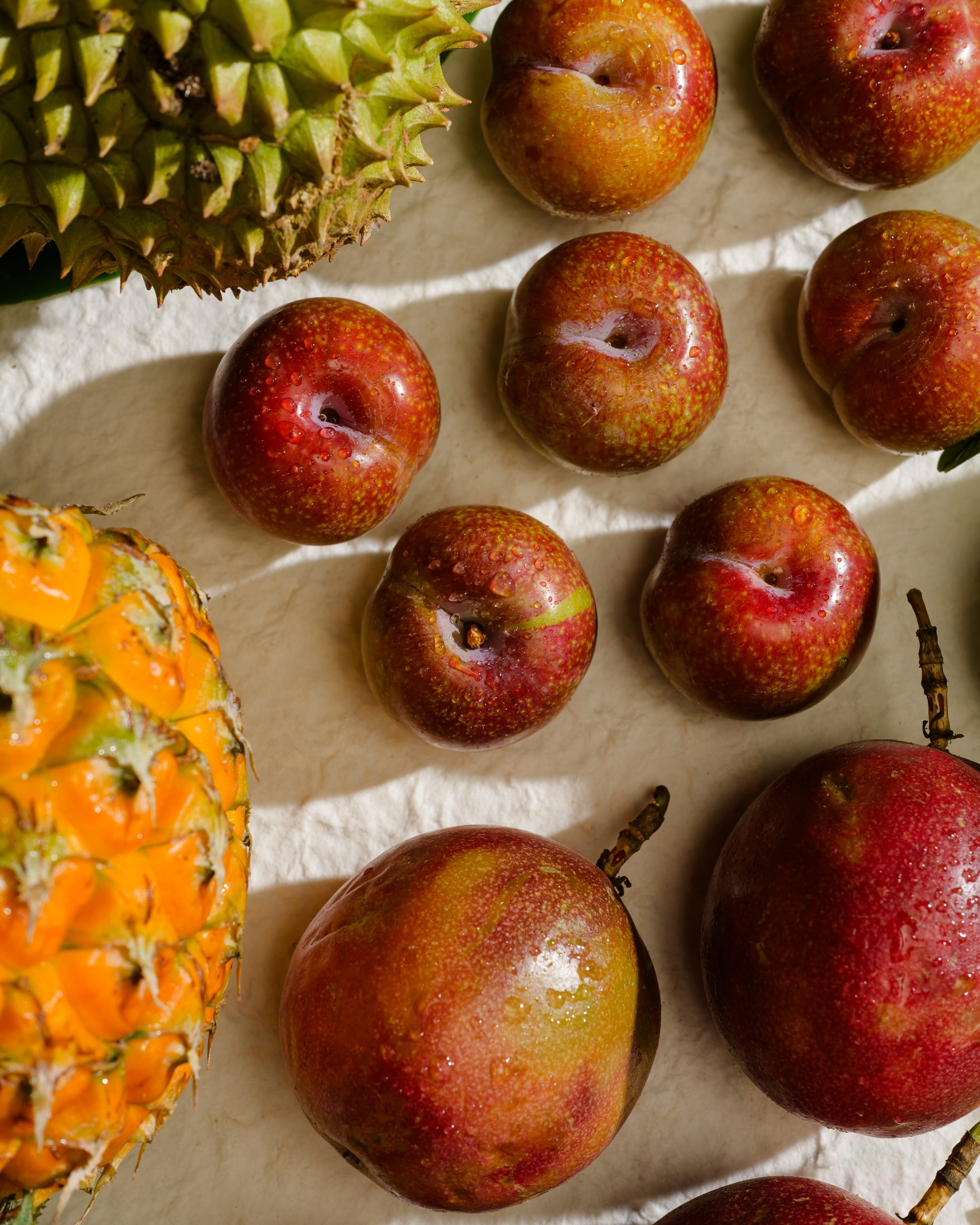
Their value lies not only in rarity. Each ingredient performs a culinary function. Plum cuts through richness. Black ginger extends warmth across the palate. Mắc mật connects savoury flavours with a fresh, citrus-like finish.
The Lucent menu treats these ingredients as structural parts of each course rather than decorative references to local culture. Through this approach, the chapter allows international guests to experience Northern Vietnamese cuisine through aroma, texture, and season.
Local ingredients offer a deeper understanding of Vietnam’s highland culture
Local ingredients allow travellers to understand highland culture through the way communities respond to landscape and season. Black ginger carries earthy warmth, northern plum reflects the short summer harvest, and mắc mật brings the citrus-herbal fragrance associated with Lạng Sơn’s cooking traditions.
Early summer creates a brief overlap between baby squid season from April to June and the northern plum harvest from May to July. During this period, the squid offers tender flesh and natural sweetness, while Mộc Châu plums provide the acidity and developing sweetness needed to balance richer flavors.
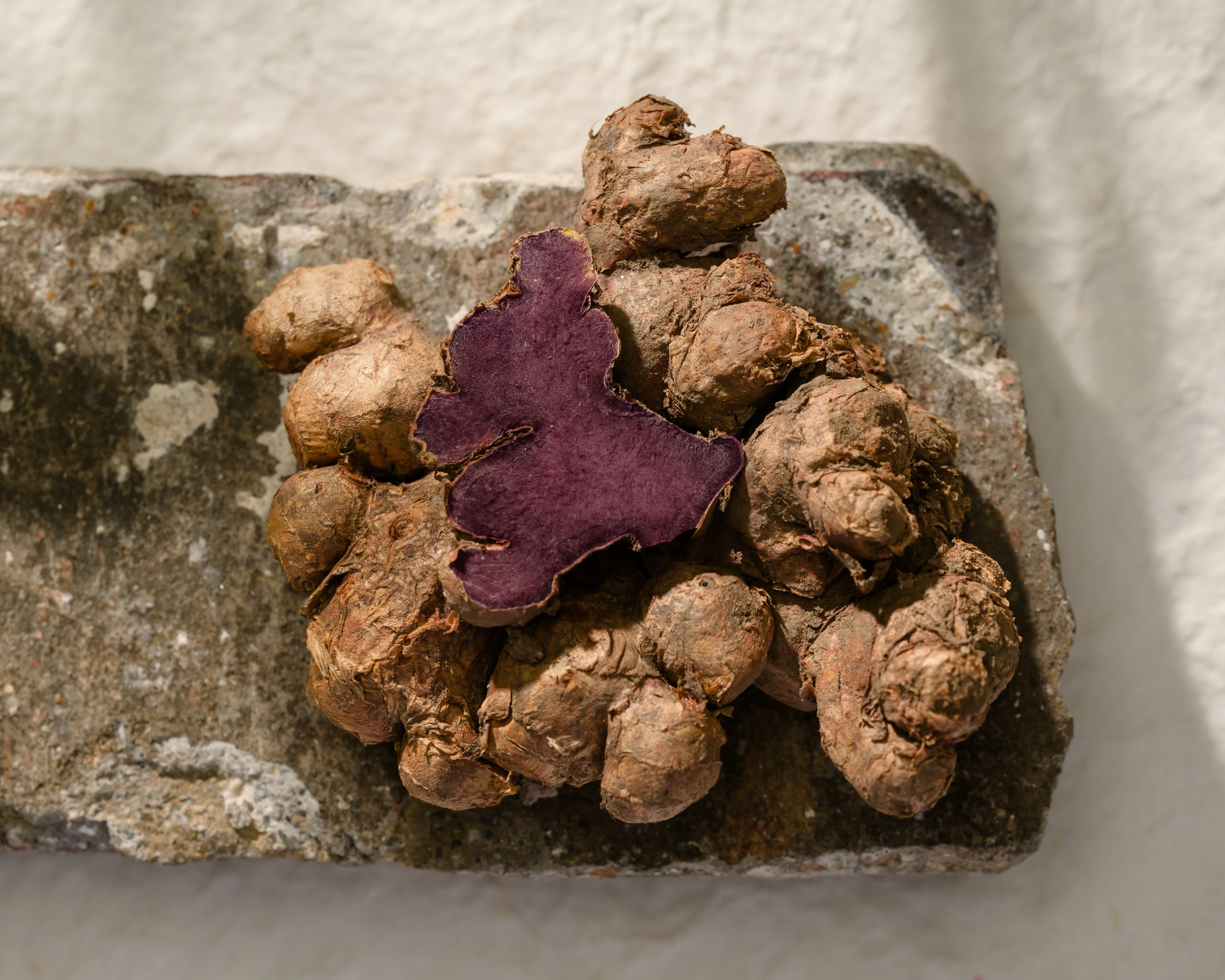
Chapter gives each ingredient a meaningful role. These Vietnamese highland ingredients therefore express more than rarity or provenance. they show how local cooks use season, fragrance and contrast to create balance.
Through these relationships, the Lucent menu transforms Vietnamese geography into a tasting journey. Guests experience the connection between coast and mountains while gaining a deeper understanding of the landscapes and food traditions that shape Northern Vietnamese cuisine.
Two highland-inspired dishes to try on your first visit to Hanoi
For travellers discovering Northern Vietnamese cuisine beyond familiar street food, Lucent introduces two courses shaped by the ingredients and aromas of Vietnam’s upland regions. One connects early-summer seafood with black ginger, while the other brings together pigeon, northern plum, and mắc mật in a distinctly mountainous expression.
Baby Squid, Pig’s Ear and Black Ginger: coastal sweetness meets highland warmth
The journey begins with grilled baby squid, whose tender flesh, delicate roe, and natural sweetness reflect Vietnam’s early-summer coast. Fish sauce-simmered pig’s ear follows with savoury depth and an elastic bite, creating contrast without overpowering the seafood.
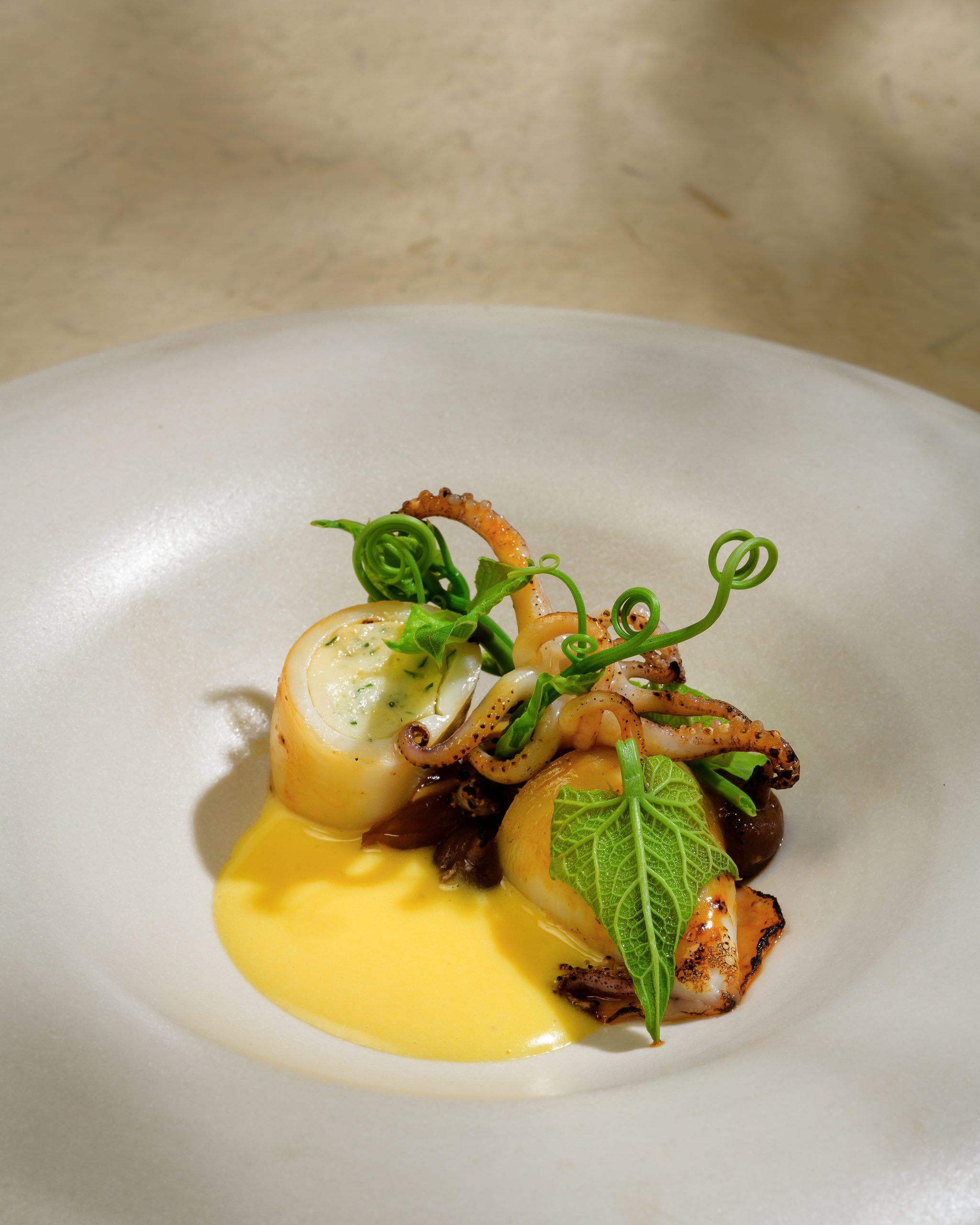
Black ginger completes the course as a smooth purée. Its earthy warmth develops gradually, carrying the palate from ocean sweetness and light smoke towards a lingering spicy finish. For first-time visitors, the course reveals how Vietnamese highland ingredients can transform a familiar seafood dish through aroma and contrast.
The baby squid reaches its preferred quality from April to June, making summer the best time to experience this balance of tenderness, richness, and upland spice.
Pigeon, Plum and Mắc Mật: A Taste of Northern Vietnam’s Mountains
Pigeon – Plum – Mắc Mật offers the clearest highland expression in the Lucent menu. This Pigeon creates a rich, savory foundation, while northern plum introduces the acidity and seasonal sweetness needed to keep the course bright.
Harvested mainly between May and July, plums from Mộc Châu, Sơn La and Lào Cai can move from crisp tartness to softer sweetness as summer progresses. The chapter uses this changing character to balance the depth of the pigeon rather than treating the fruit as a dessert element.
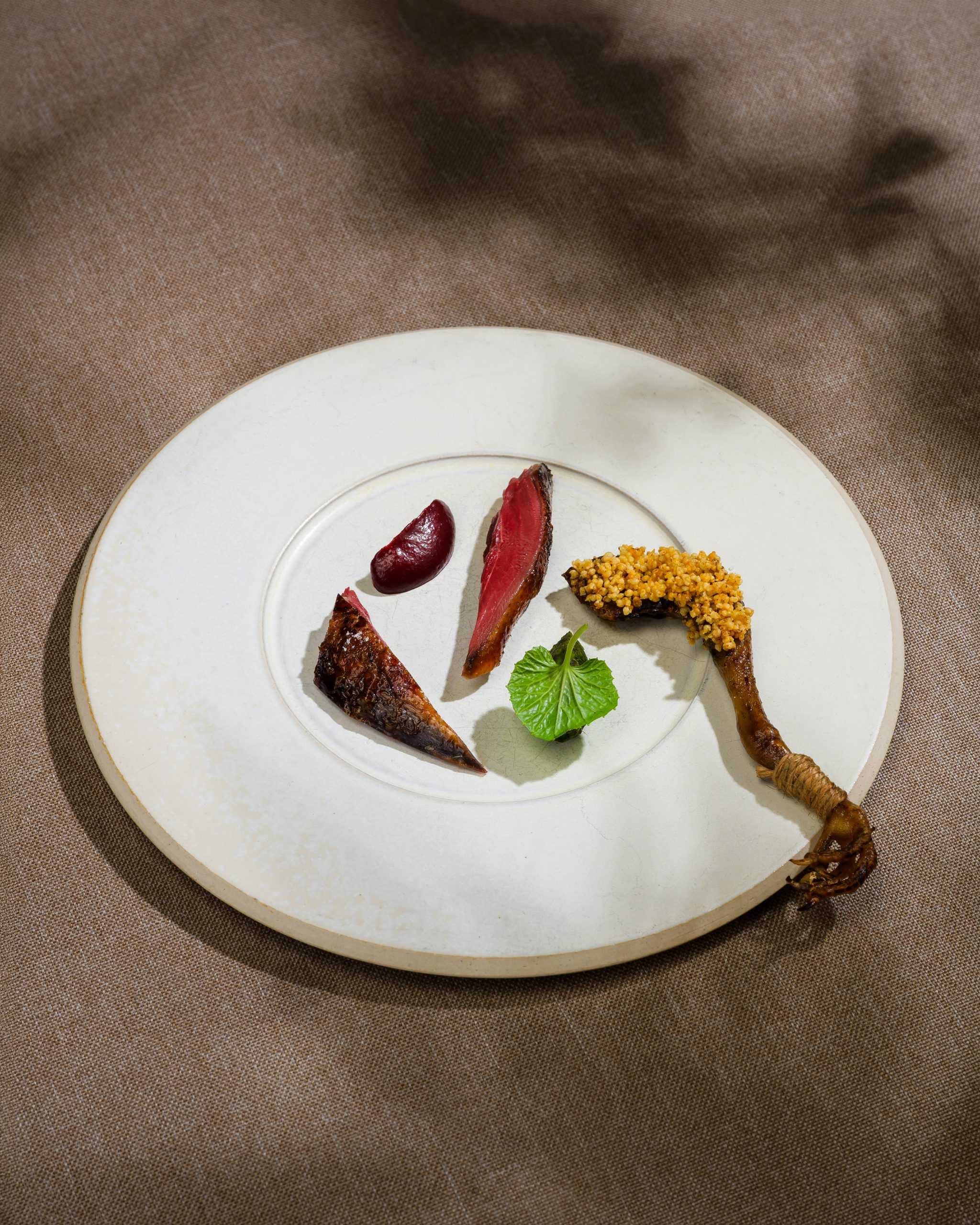
Mắc mật completes the experience with citrus, herbal, and lightly peppery aromas associated with Lạng Sơn’s food culture. The tasting journey moves from rich pigeon to tart summer plum before ending with the fresh fragrance of mắc mật.
For travellers visiting Hanoi for the first time, these two courses offer more than unfamiliar combinations. They provide an opportunity to experience the coast, plateaus and northern mountains of Vietnam within one seasonal tasting menu.
Why travelers should experience Lucent in summer
Travellers can find dried spices, preserved fruits, and frozen seafood throughout the year. Yet availability does not always mean peak expression. Lucent depends on the moment when baby squid remains naturally tender and northern plum carries enough acidity, fragrance, and sweetness to balance pigeon. These ingredients create the time-sensitive foundation of the two courses.
Meanwhile, black ginger and mắc mật give the menu geographic depth. They introduce flavors that international travelers may struggle to identify outside the northern regions where these plants belong to local cooking traditions.
The experience is limited not because the kitchen adds artificial scarcity. But because the menu responds to an ingredient window that eventually closes.
Chapter’s Lucent menu shows how Vietnamese highland ingredients can contribute more than novelty to contemporary dining. Lucent is an 11-course summer tasting menu in Hanoi designed around freshness, moisture, and balance during the warmer season. Together, these courses offer an experience that travelers cannot fully separate from the season. The flavors rely on the brief overlap between coastal seafood and highland fruit at their most expressive.
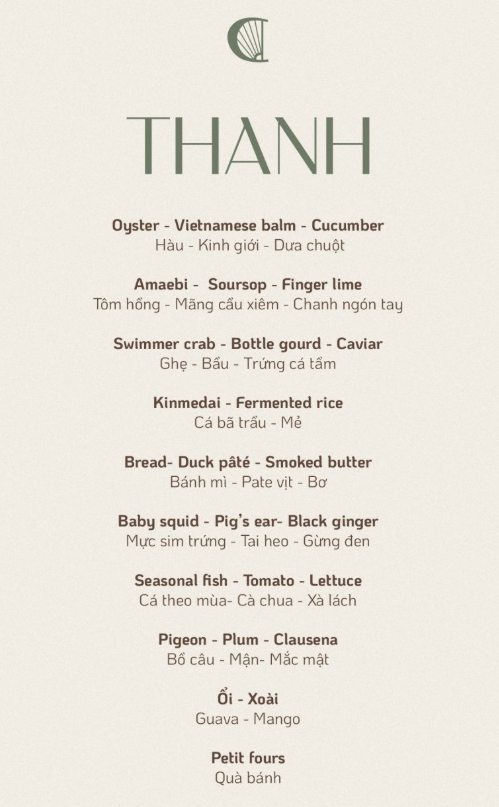
The early courses introduce cool, bright combinations such as Oyster – Vietnamese Balm – Cucumber and Amaebi – Soursop – Finger Lime. This pacing matters. Baby Squid – Pig’s Ear – Black Ginger would feel heavier without the brighter courses surrounding it. Likewise, Pigeon – Plum – Mắc Mật prepares the palate to move from the savory sequence towards fruit and petit fours.
For guests searching for fine dining in Hanoi with a strong sense of the Vietnamese place, Lucent offers an opportunity to taste the country through ingredients rarely explained on a conventional itinerary. Explore Chapter’s current Lucent menu and reserve your table while its summer ingredients remain at their peak.
_________
Chapter Dining
12C Chan Cam, Hoan Kiem, Hanoi
Mon – Sat from 18:00 – 23:00
Tel: +84 333 201 221 – Reserve a table
Email: reservation@chapter.vn