A delicate cold-water sweet shrimp, a briny ocean oyster, and a scatter of luminous finger lime pearls: three pure ingredients joined side-by-side to compose the signature amaebi oyster course at Chapter Dining. Designed to awaken the palate with harmonious contrast, this opening dish pairs the velvety sweetness of raw amaebi sweet shrimp with clean marine salinity and a bright citrus pop. As the first course of our seasonal tasting menu Hanoi , the dish offers an elegant introduction to Chef Quang Dũng’s minimalist philosophy—where peak seasonal ingredients are presented with clarity, setting a thoughtful tone for the multi-course journey that follows.
Table of Contents
- 1 What is amaebi and why is it celebrated in modern dining
- 2 Why amaebi and oyster work together in culinary harmony
- 3 Where finger lime fits in an amaebi oyster dish to balance seafood richness
- 4 The amaebi oyster course at Chapter Dining and its signature preparation
- 5 Why autumn suits amaebi at peak season
- 6 How the amaebi oyster course sets the tone for a Chapter tasting menu
What is amaebi and why is it celebrated in modern dining
Before understanding its role on the tasting table, one must appreciate why this cold-water delicacy has captured the imagination of modern chefs worldwide.
Amaebi as the sweet shrimp of cold waters
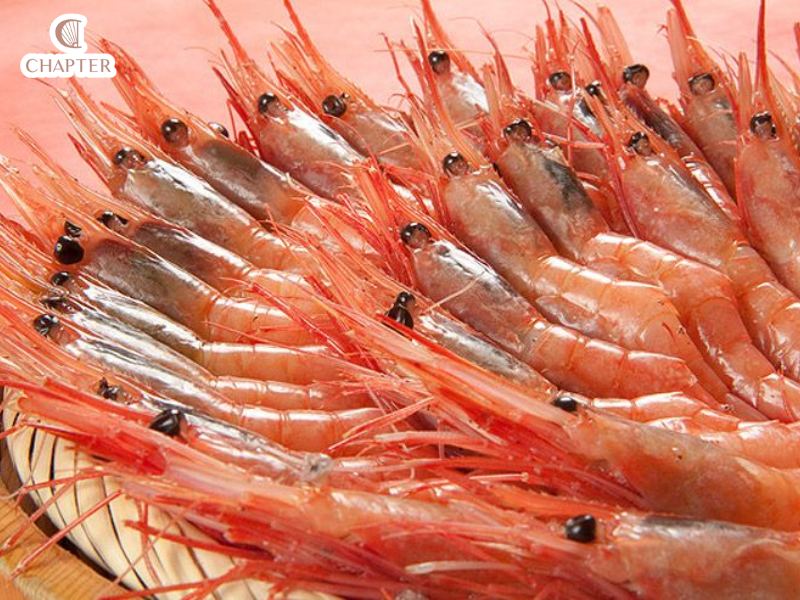
Amaebi stems from two Japanese words: ama meaning sweet, and ebi meaning shrimp. Harvested from the deep, frigid ocean waters of the North, this unique crustacean is renowned for its intense natural sweetness. On Chapter’s Vietnamese menu, this exquisite ingredient is listed under the warm, descriptive name “tôm đỏ” (red shrimp). Though referred to by different terms across continents, both names celebrate the exact same ingredient prized for its pristine purity.
Why amaebi is served raw to highlight its natural sweetness
Unlike warm-water prawns that firm up when exposed to heat, cooked amaebi loses the subtle nuances that make it extraordinary. When enjoyed raw, the flesh reveals a soft, moist, almost velvety texture that gently melts on the palate. The initial taste delivers a clean, lingering sweetness, making raw preparation the most honest way to showcase its delicate flavor profile.
Why amaebi and oyster work together in culinary harmony
Combining two distinct treasures from the ocean requires a deep understanding of flavor contrast and balance.
Sweetness meets the saline taste of the sea
When pairing seafood, contrast often yields the most compelling results. The innate, creamy sweetness of amaebi sweet shrimp finds its natural counterpart in the cool, briny salinity of a fresh ocean oyster. As the rich, mineral notes of the oyster wash over the tongue, the underlying sweetness of the shrimp becomes even more pronounced, creating a balanced dialogue between sea salt and natural sugar.
Combining two soft textures into one mouthful
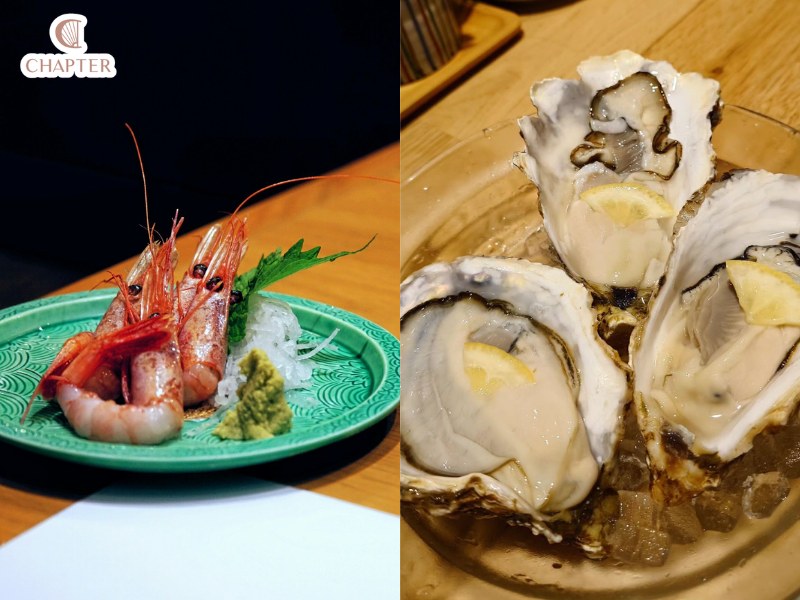
Both amaebi and oysters possess tender, yielding textures. Enjoyed together in a single bite, they create a luxurious, silky sensation across the palate. However, two soft components paired without structural contrast risk feeling overly rich. To elevate the dish from pleasant to unforgettable, a third element is essential to add brightness and texture.
Where finger lime fits in an amaebi oyster dish to balance seafood richness
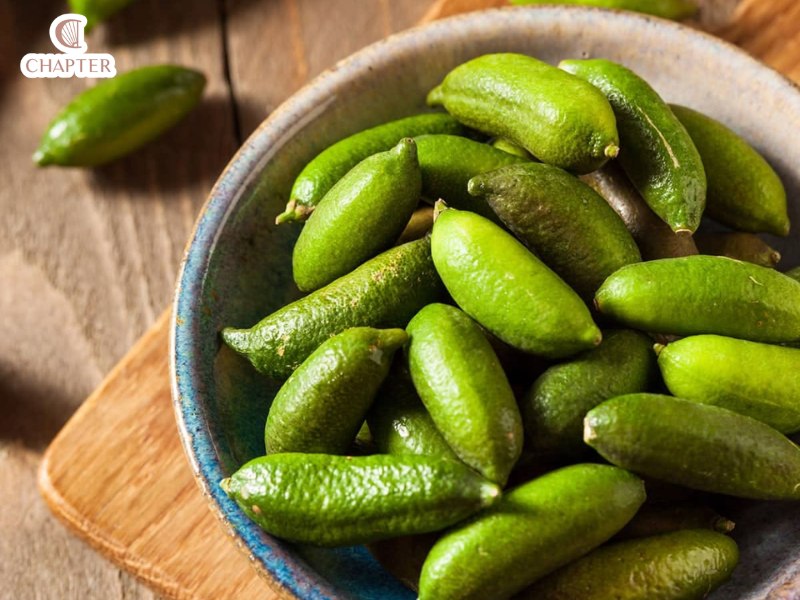
This is precisely where finger lime transforms the combination. Often referred to as citrus caviar, finger lime contains tiny, jewel-like vesicles filled with concentrated tart juice. When bitten, these micro-beads burst open, delivering a sharp, clean acidity that cuts through the creaminess of the seafood.
For a deeper look into this remarkable ingredient, explore Finger Lime: The “Citrus Caviar” and How It Works on a Plate. In this opening dish, it provides the precise vibrant pop needed to refresh the palate without overwhelming the delicate amaebi oyster profile.
The amaebi oyster course at Chapter Dining and its signature preparation
At Chapter Dining, dishes are presented with quiet clarity, honoring a minimalist naming philosophy that highlights three core components: Amaebi, Oyster, and Finger Lime. Served as the opening chapter of the curated autumn menu, this dish introduces guests to Chapter’s approach to modern gastronomy in Hanoi.
How the amaebi oyster dish is crafted at Chapter
The kitchen handles each ingredient with extreme delicacy. Chilled to the exact temperature where ocean flavors shine brightest, the fresh red shrimp and oyster are carefully dressed with vibrant finger lime pearls. Every element is arranged side by side to ensure that no single ingredient masks another, honoring both local sensibilities and international finesse.
The sequence of flavors in every bite
Dined as a single, deliberate bite, the course unfolds in three distinct waves. First comes the cool, silky sweetness of the amaebi sweet shrimp. Immediately following is the clean, mineral salinity of the cold oyster. Finally, as the teeth crush the finger lime vesicles, a burst of citrus acidity sweeps across the tongue, binding the ocean flavors into a harmoniously rounded finish.
Why autumn suits amaebi at peak season
The arrival of autumn marks a key moment for northern cold-water seafood. As ocean temperatures drop toward the colder months of late autumn and winter, cold-water crustaceans accumulate rich natural fats and sugars, reaching peak flavor quality.
This seasonal rhythm aligns seamlessly with the philosophy of Chef Quang Dũng and the culinary team at Chapter Dining. Rooted in Northern Vietnam’s seasonal sensibilities, the kitchen selects ingredients at their absolute moment of abundance and maturity. Presenting amaebi and oyster during the fall season allows guests to experience these marine treasures at their finest.
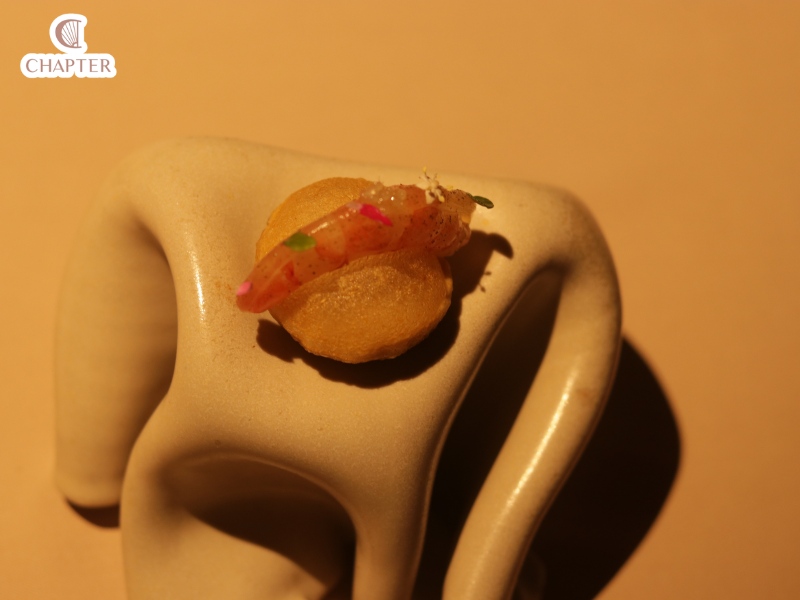
As the first course presented at the table, the amaebi oyster dish performs a vital role. Its light, crisp, and clean profile awakens the senses, preparing the palate for the richer, more complex narratives that follow.
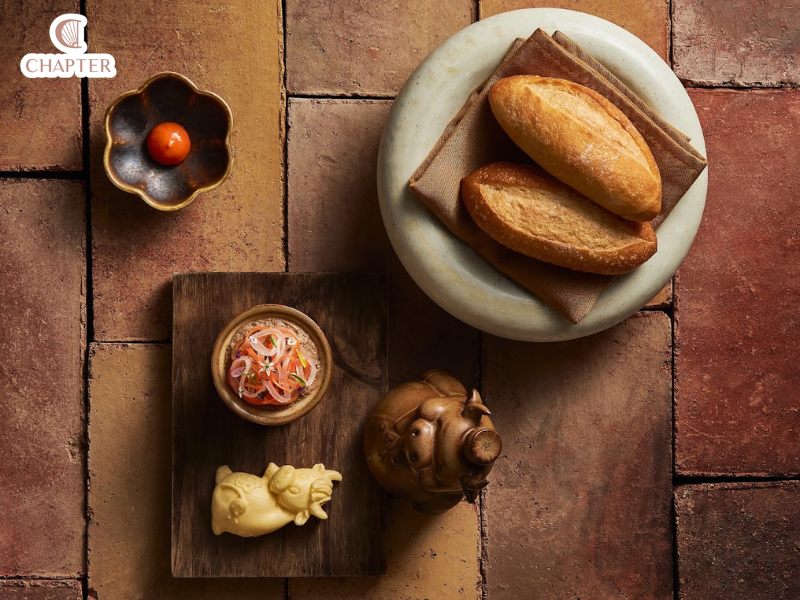
From this refreshing ocean opening, the tasting menu at Hanoi unfolds gracefully into comforting Vietnamese street food reimaginings, such as elevated “phở gà” featuring Đông Tảo chicken feet and cured egg yolk, as well as refined bánh mì pâté served with smoked butter.
We warmly invite you to visit Chapter Hanoi to experience our seasonal tasting menu, where each dish tells a thoughtful story of Vietnamese culinary heritage redefined.
________
Chapter Dining
- 12C Chan Cam, Hoan Kiem, Hanoi
- Mon – Sat from 18:00 – 23:00
- Tel: +84 333 201 221 – Reserve a table
- Email: reservation@chapter.vn