Vietnamese pâté is often remembered as a rich layer inside bánh mì, spread generously beneath meat, herbs and pickles. At Chapter Dining, this familiar combination is reduced to three essential elements: bread, duck pâté and smoked butter. Presented within the Lucent tasting menu, the course becomes a point of balance. This is not simply a bread course. It is a contemporary expression of how opposing qualities can support one another—a principle deeply connected to the art of Yin and Yang in Vietnamese cuisine. Read on to discover the cultural story and sensory contrasts behind the dish.
Table of Contents
What is Vietnamese pâté?
Vietnamese pâté is a seasoned meat spread adapted from French pâté and absorbed into Vietnam’s everyday food culture. It is most closely associated with bánh mì, although it can also be eaten with plain bread, sticky rice, pastries or as part of a larger meal.
French bread, butter and pâté arrived in Vietnam during the colonial period. Over time, Vietnamese cooks changed their flavour, texture and context. Bread became lighter and more suitable for the tropical climate. Pâté was seasoned according to local preferences and combined with herbs, chilli, pickles and other Vietnamese ingredients.
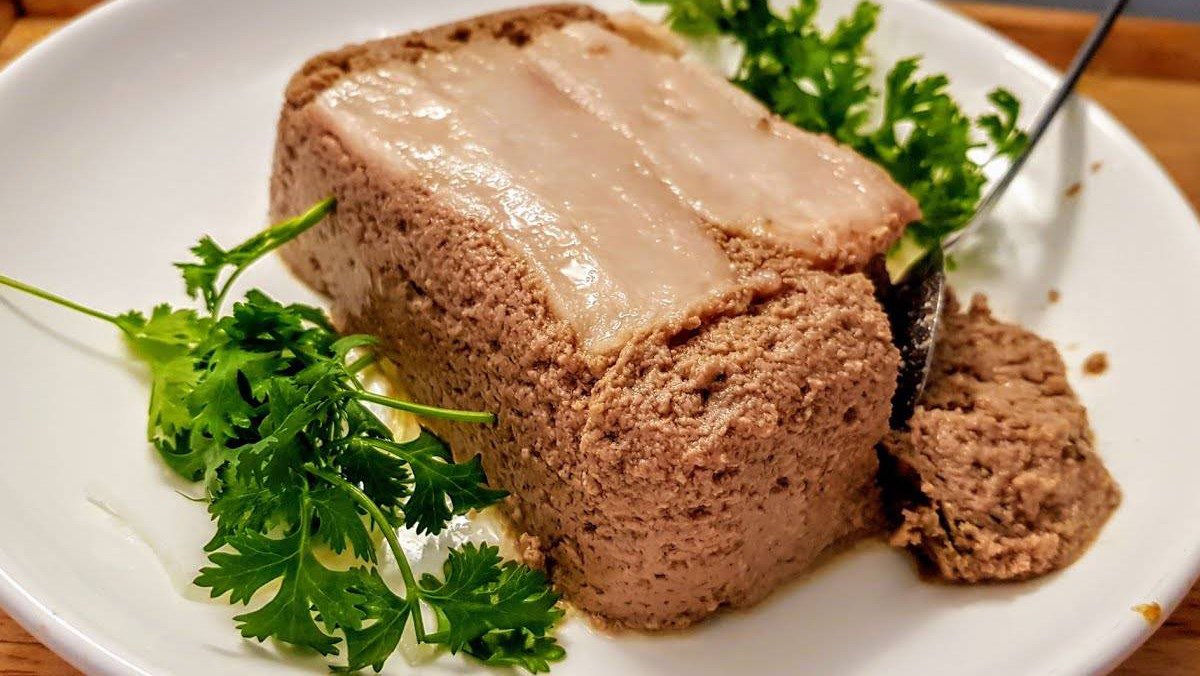
Most familiar versions use pork or chicken, often with liver and aromatics. Chapter shifts the focus to duck pâté, giving the spread a deeper flavour while connecting it with a traditional Vietnamese understanding of seasonal balance.
Yin and Yang in Vietnamese cuisine
Yin and Yang in Vietnamese cuisine describe a dynamic relationship between opposing but complementary qualities. Cooling and warming, wet and dry, soft and crisp, light and rich are brought together so that one quality does not overwhelm the others.
In traditional food culture, duck is commonly considered cooling or Yin. Fire, smoke and intense heat carry a more warming, active or Yang character. Vietnamese duck dishes are therefore frequently served with warmer aromatics such as ginger, pepper or chilli.
The principle also appears through flavour and texture. A rich ingredient may be balanced by acidity. Something soft may need crispness. A cooling summer dish may contain a small element of warmth so that refreshment does not become flatness.
Bread, duck pâté and smoked butter: three parts of one balance
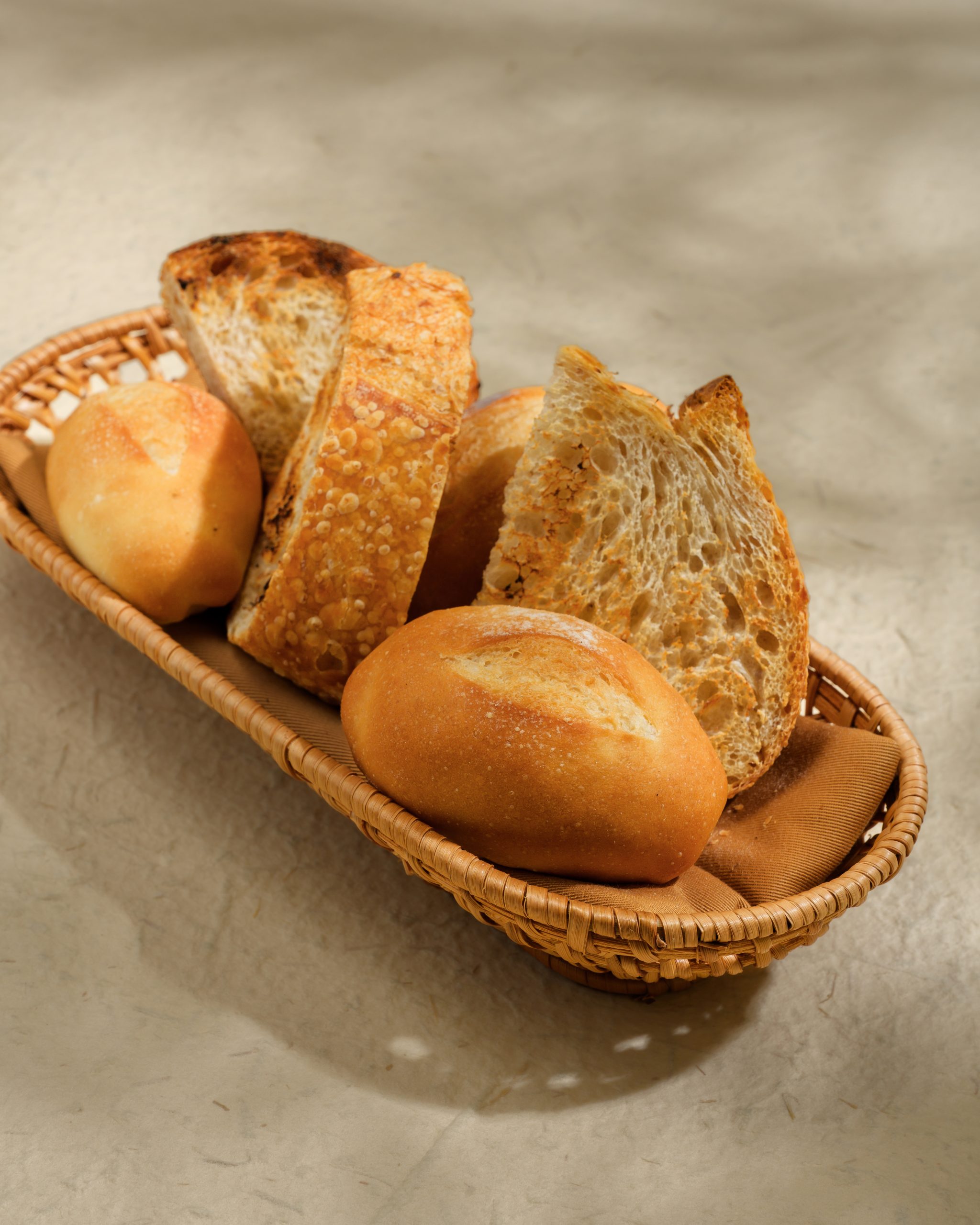
The chapter’s course appears simple on the menu. Yet each component performs a different role. Bread creates structure, duck pâté brings savoury depth, and smoked butter introduces the aroma of fire. The dish becomes complete through the tension between them.
Bread: air and structure
Bread gives the course its lightest and firmest element. Its crumb holds the pâté and butter, while its surface creates resistance before yielding to the softer spreads. Without bread, the richness of duck pâté and butter could become too concentrated. The bread creates space between flavours, allowing smoke and savoury depth to develop gradually rather than arriving all at once. It also connects the course with a familiar Vietnamese ritual: tearing bread, spreading pâté or butter, and adjusting each mouthful according to personal taste.
Duck pâté: cooling richness
Duck pâté forms the centre of the course. It is smooth and generous, carrying a deeper flavour than many everyday bánh mì pâtés. Its richness is important, but so is its cultural character. Duck is traditionally regarded as cooling, making it particularly relevant to Lucent—a menu created in response to Hanoi’s summer heat.
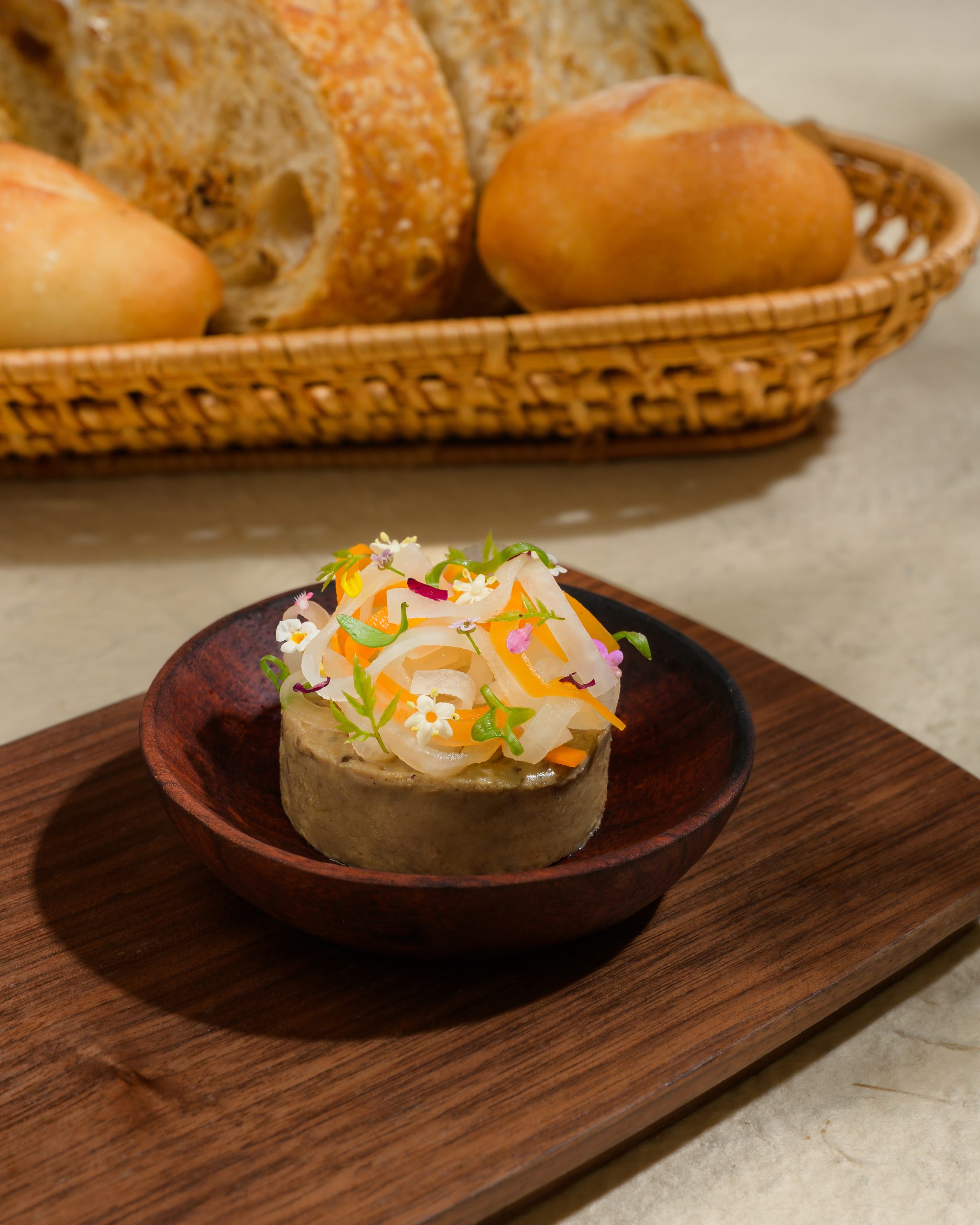
This cooling classification does not refer simply to the temperature at which the pâté is served. It reflects a traditional understanding of how an ingredient affects the overall balance of a meal. Chapter uses that idea as a starting point rather than a restriction. Duck brings Yin character, but its depth also needs a warmer element to prevent the course from feeling heavy or passive.
Smoked butter: warmth without visible flame
Smoked butter supplies that warmth. Its texture echoes the softness of the pâté, but its aroma moves in another direction. Smoke recalls fire, charcoal and transformation. Butter also softens the bread and carries aroma across the palate. Used beside duck pâté, it does not simply add more richness. The smoke gives that richness definition.
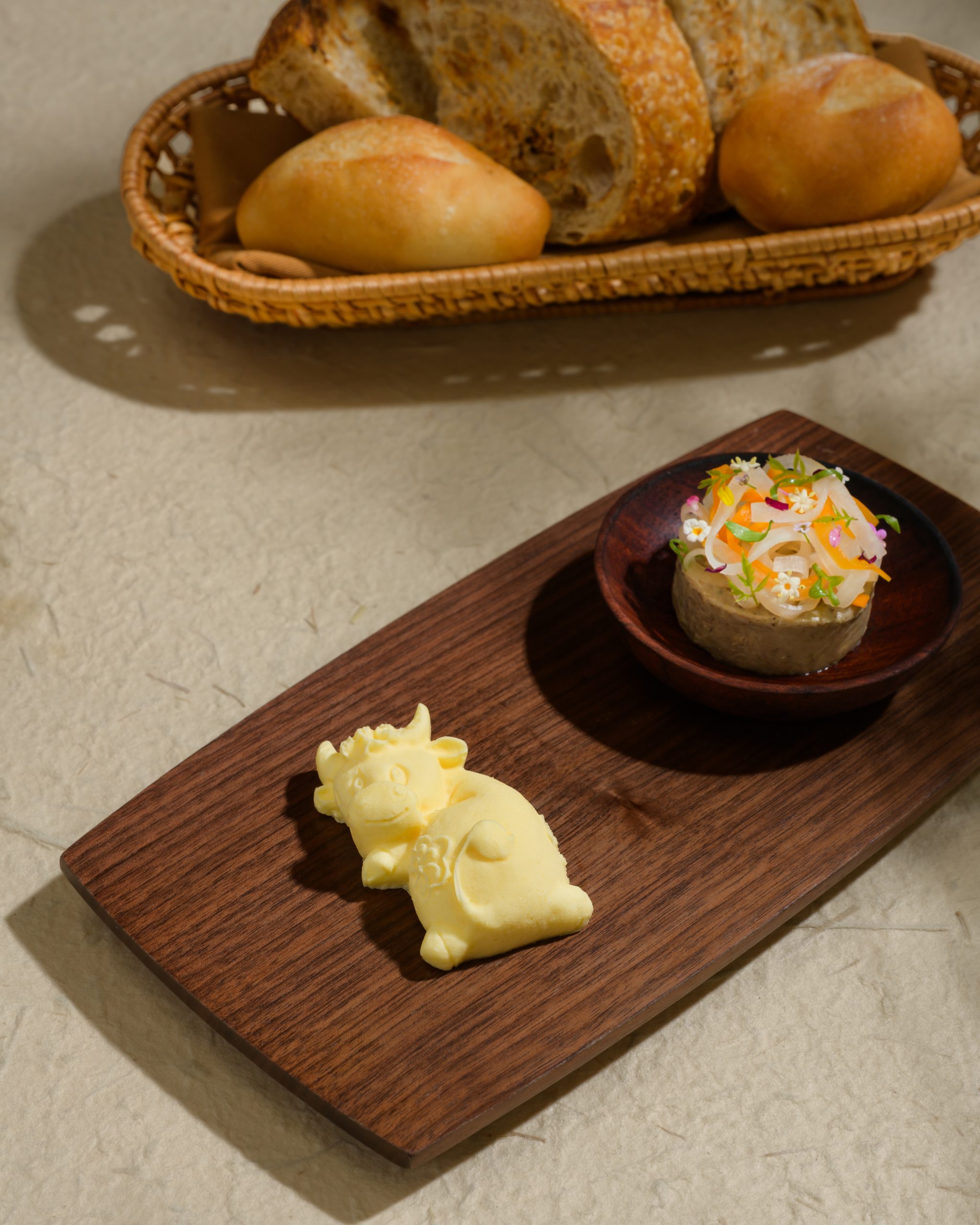
The Yang element is therefore expressed less through chilli or aggressive spice than through fragrance. Fire is present, but only as a trace which enough to warm the composition without overwhelming the cooling identity of the duck.
Five contrasts within one seemingly simple course
The balance of the dish can be understood through five complementary relationships.
- Cooling and warming: Duck carries a traditional cooling character, while smoke introduces the memory of fire.
- Soft and structured: Pâté and butter spread easily, while bread provides shape and resistance.
- Rich and airy: Duck and butter offer concentration; bread creates space and lightness.
- Familiar and unexpected: Bread with pâté and butter is immediately recognisable, but duck and smoke move the combination beyond an everyday breakfast.
- Vietnamese and French-influenced: The ingredients recall a period of culinary exchange, while their reinterpretation belongs to contemporary Vietnamese dining.
None of these qualities cancels out the other. Their tension gives the course its character. Yin and Yang are expressed not as decoration or symbolism added after cooking, but through the actual experience of eating.
How to experience the course
Because the elements are presented separately, each guest can explore the balance differently. A useful approach is to begin by tasting a small amount of each component on its own.
First, notice the bread’s structure and aroma. Taste the duck pâté separately to understand its savoury depth. Then try the smoked butter and allow its fragrance to develop before combining all three.
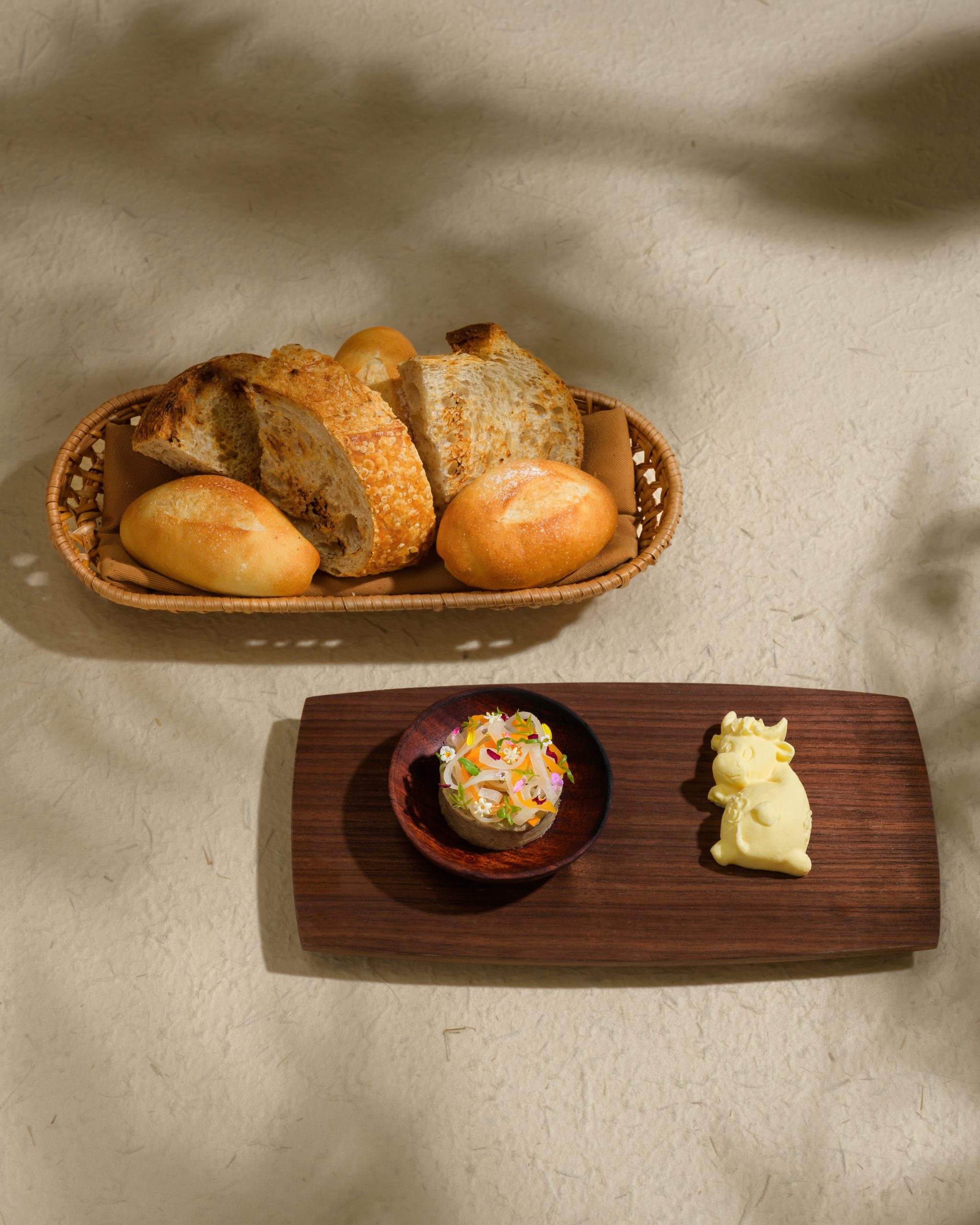
For the complete bite, spread a restrained layer of smoked butter onto the bread before adding duck pâté. Too much of either spread may conceal the bread and blur the contrast. A more measured ratio allows the sequence to remain clear: bread first, followed by duck, then smoke.
The course rewards slower eating. Its impact does not come from a dramatic garnish or sudden acidity, but from the way the three components gradually meet.
Who will appreciate this course?
Bread, duck pâté and smoked butter may particularly appeal to:
- Travellers interested in the French influence on Vietnamese food culture
- Guests who already enjoy bánh mì pâté but want a contemporary interpretation
- Diners curious about Yin and Yang in Vietnamese cuisine
- Food lovers who appreciate smoke, fermentation and fire-led cooking
- Couples seeking a thoughtful fine-dining experience in central Hanoi
- Returning visitors looking beyond Vietnam’s best-known street foods
Guests should note that the course contains animal products and is not suitable for vegetarian or vegan diets. It is also likely to contain dairy and gluten. Anyone with allergies or dietary restrictions should contact Chapter before booking.
Where to experience Vietnamese pâté in Hanoi
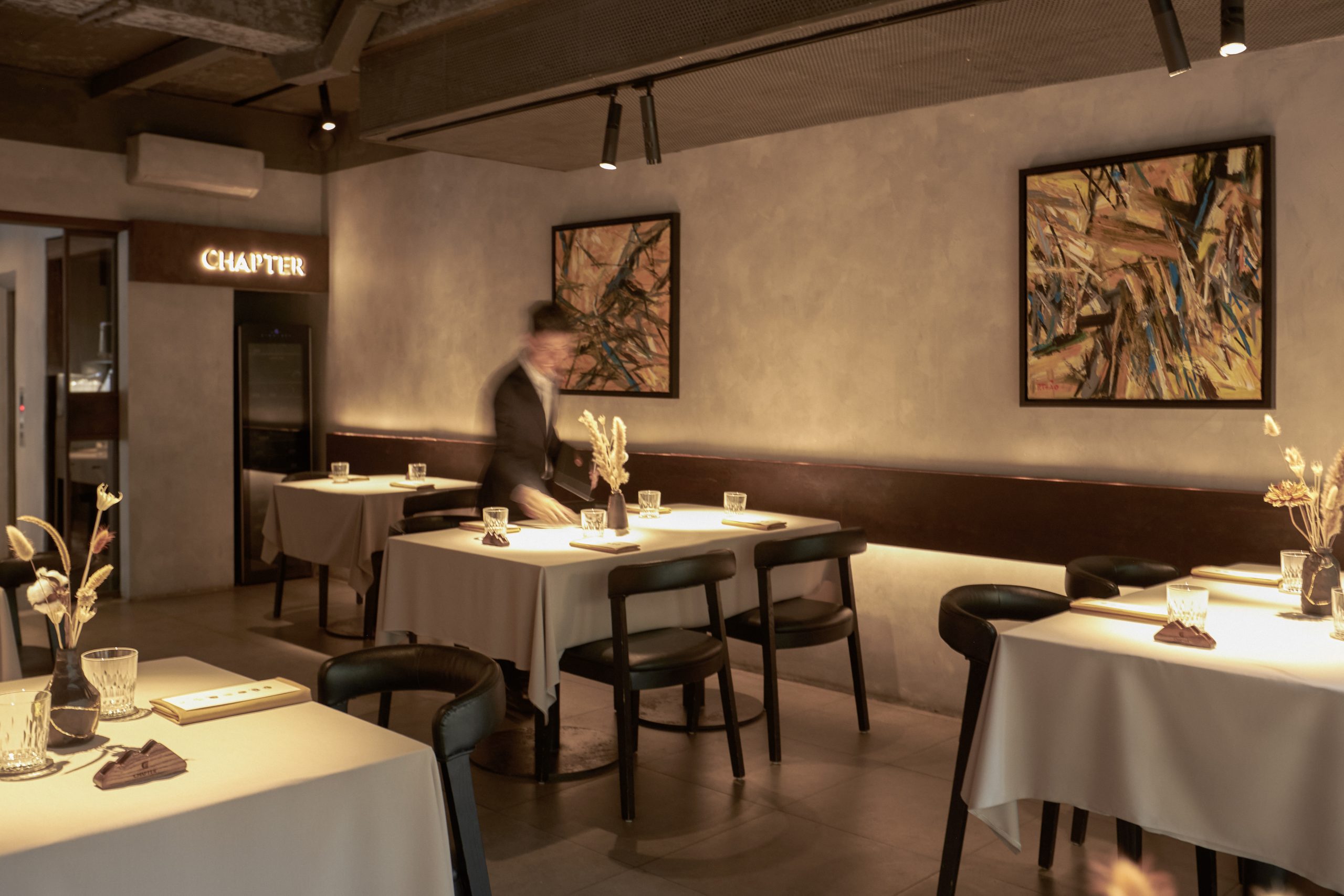
Bread – Duck Pâté – Smoked Butter is served as part of Lucent, Chapter Dining’s seasonal tasting menu in Hanoi. The restaurant does not offer an à la carte menu, so the course should be experienced within the wider sequence designed by the kitchen.
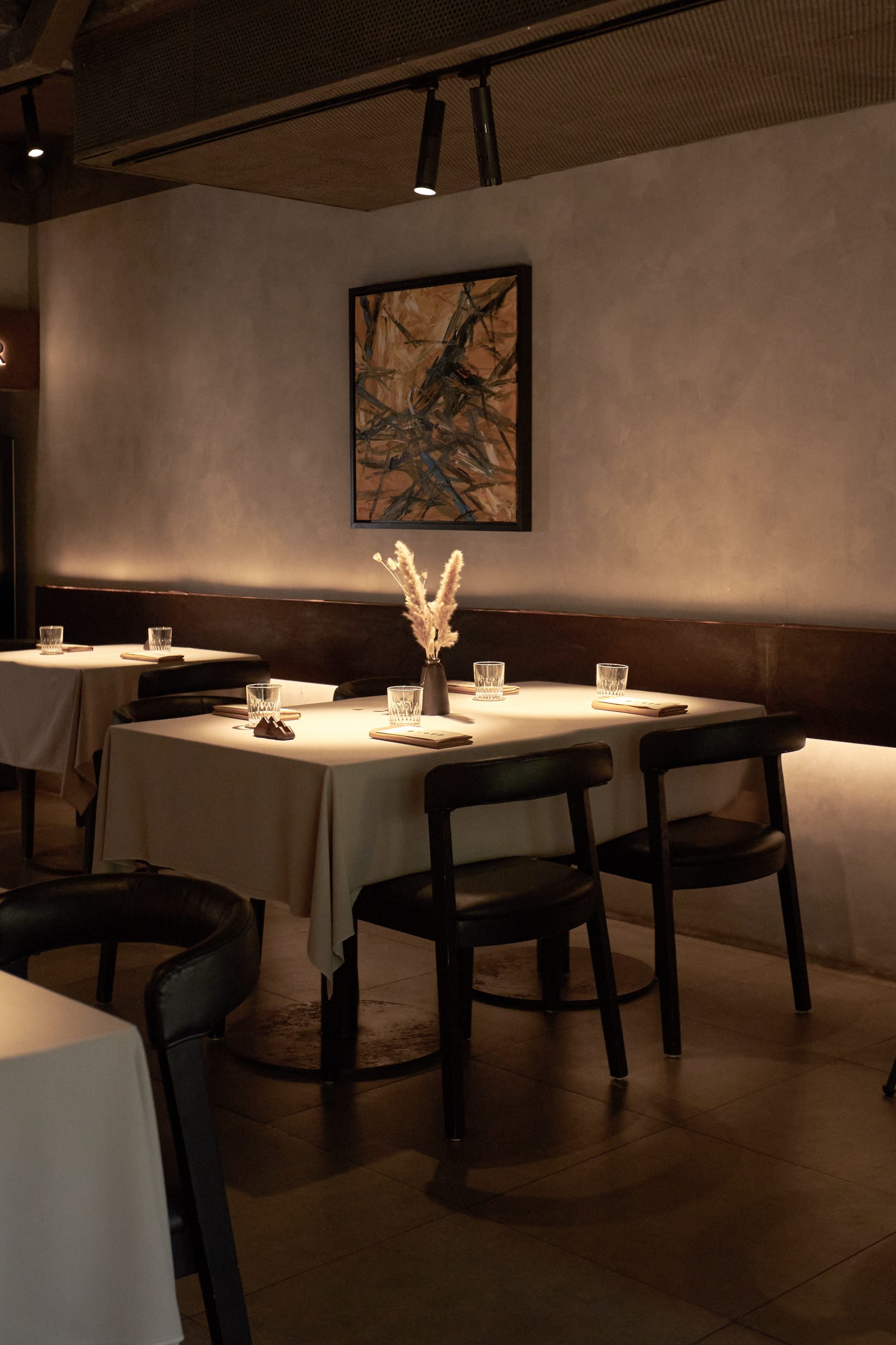
Chapter’s tasting menu presents Northern Vietnamese ingredients and culinary memories through contemporary techniques, storytelling and fire. The restaurant is also listed in the MICHELIN Guide, which describes its single tasting menu as a journey anchored in Vietnamese heritage.
Vietnamese pâté carries a complex history inside a seemingly simple spread. It reflects French influence, Vietnamese adaptation and the everyday pleasure of tearing bread and adjusting each bite by hand. In Chapter’s Lucent menu, bread, duck pâté and smoked butter bring that story into a new setting. Reserve your table at Chapter Dining to experience how Bread – Duck Pâté – Smoked Butter finds its place within the balance of Lucent.
_________
Chapter Dining
12C Chan Cam, Hoan Kiem, Hanoi
Mon – Sat from 18:00 – 23:00
Tel: +84 333 201 221 – Reserve a table
Email: reservation@chapter.vn