A tasting menu does not end abruptly with the last course. It concludes with a small, thoughtful plate that lingers: a few sweet bites set down quietly while conversation slows at the table. At Chapter Dining, that final offering is known as quà bánh, our interpretation of Vietnamese petit fours that marks the gentle closing page of the culinary journey.
Table of Contents
Before exploring Chapter’s distinct interpretation, it is worth understanding the traditional role of petit fours in high gastronomy.
Petit fours as the final sweet bite after dessert
Originating in classic French culinary traditions, petit fours are delicate, bite-sized sweet confections served right at the end of a multi-course meal. Typically enjoyed in one or two small bites alongside coffee or tea, these small treats follow the main dessert course, offering a graceful transition rather than a heavy final dish.
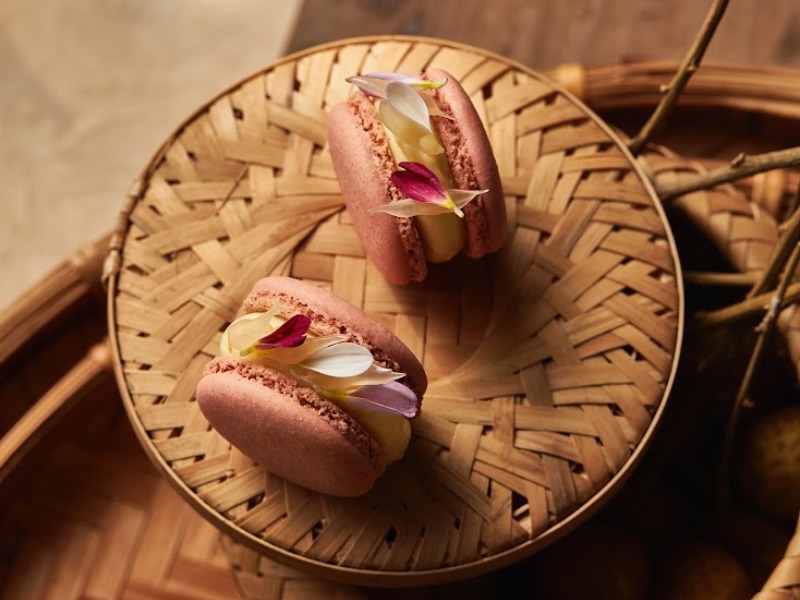
Why petit fours matter at the end of a tasting journey
In an extended tasting menu, the pace of the meal gradually slows toward the conclusion. Petit fours serve an essential psychological and sensory purpose: they signal that the formal dining progression has drawn to a close, inviting guests to relax, linger over warm beverages, and reflect on the flavors experienced throughout the evening.
“Quà bánh” as the Vietnamese petit fours at Chapter Dining
At Chapter Dining, classical global dining traditions are thoughtfully re-examined through the lens of Northern Vietnamese food heritage.
What the phrase quà bánh signifies in Vietnamese tradition
In the Vietnamese language, the word quà translates to a gift, a thoughtful token, or a treasured snack given with affection, while bánh encompasses the rich world of traditional pastries, rice cakes, and sweet bites. Calling the final course quà bánh transforms standard Vietnamese petit fours into a warm gesture of hospitality—a small culinary gift from the kitchen to conclude the evening. Presented as part of the seasonal autumn menu, this course honors native flavors with quiet sophistication.
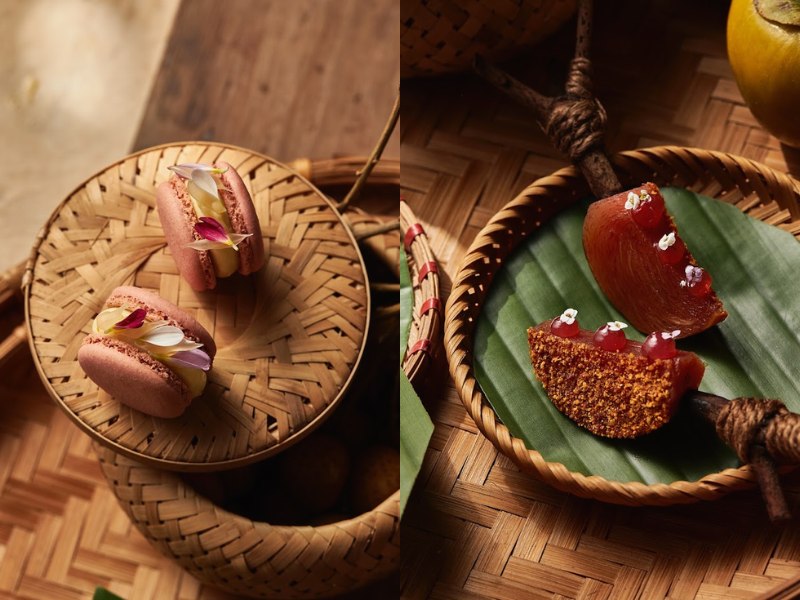
The thoughtful selection on the quà bánh plate
Presented on custom tableware, the quà bánh plate curates a harmonious blend of textures, temperatures, and nostalgic flavors. The assortment pairs refined modern confections such as light macarons or fresh fruit patisserie with authentic Northern Vietnamese delicacies, ensuring that every bite offers a distinct interplay of sweetness, aroma, and heritage.
“Bánh gai” as a Northern sweet reimagined in modern gastronomy
Among the traditional treats featured in classic Northern confectionery, few hold as rich a history as the iconic black sticky rice cake.
What is bánh gai and how is it traditionally crafted
Bánh gai is a celebrated Northern delicacy distinguished by its deep jet-black hue and aromatic herbal notes. The dark outer crust is crafted by grinding sticky rice with the boiled paste of thorn-leaf (lá gai). Wrapped traditionally in dried banana leaves and steamed to perfection, the chewy exterior encases a comforting center of mung bean paste, shredded coconut, and subtle hints of lotus seed or lard.
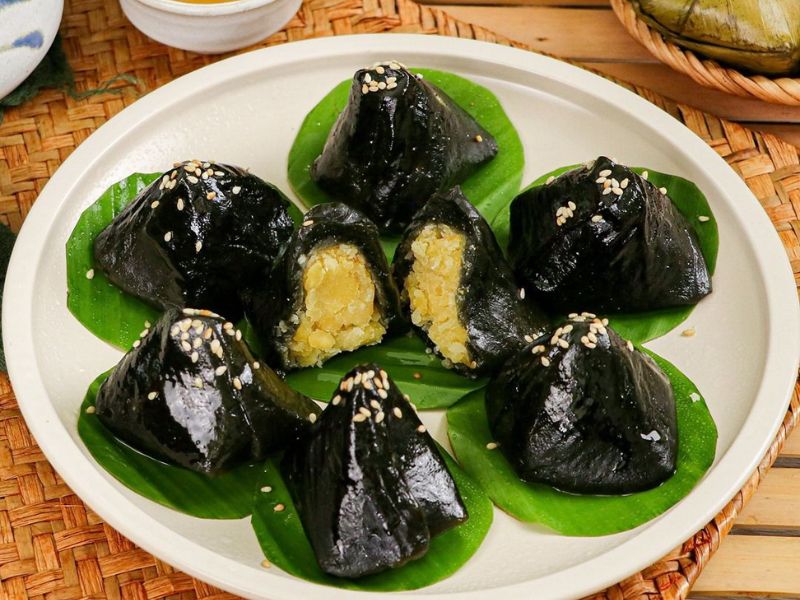
Bánh gai as a gift, memory, and cultural token
Historically rooted in regions like Hải Dương since the 13th century, bánh gai has long served as an essential ceremonial gift during weddings, ancestral rituals, and festive celebrations. By recrafting bánh gai into a refined, bite-sized format for quà bánh, the kitchen pays homage to the nostalgic food memories of Northern Vietnam, presenting a rustic street classic within a contemporary fine dining context.
Why the final bite holds lasting memory in a Chapter meal
The last course presented at the table often forms the lasting sensory impression a guest carries home. Positioned right after the vibrant fruit notes of the main dessert—such as the seasonal Longan – Lychee – Rose creation—the quà bánh course gently settles the palate.
This final plate embodies the overarching philosophy of Chef Quang Dũng and the team at Chapter: allowing every native ingredient to express its authentic character without unnecessary ornamentation. Like the closing lines of a memorable book chapter, these sweet morsels linger quietly in memory.
Ending a meal with quà bánh at Chapter Hanoi
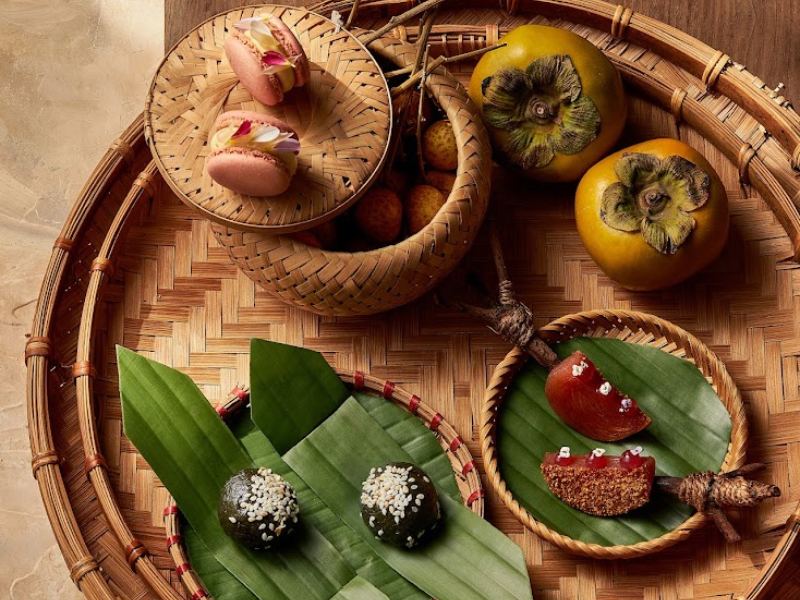
Served alongside freshly brewed artisanal tea or Vietnamese coffee, enjoying quà bánh encourages guests to unhurriedly savor the final moments of their dining experience. The course requires no formal ceremony; it is designed to be enjoyed simply by hand, celebrating warmth, intimacy, and sweet reflection.
We invite you to visit Chapter Hanoi to discover our seasonal tasting menu, where every course—from the opening ocean bite to the final gift of quà bánh—tells a captivating story of Vietnamese culinary heritage.
________
Chapter Dining
- 12C Chan Cam, Hoan Kiem, Hanoi
- Mon – Sat from 18:00 – 23:00
- Tel: +84 333 201 221 – Reserve a table
- Email: reservation@chapter.vn