For many people, guava is a familiar fruit. It appears in local markets, roadside stalls, and childhood memories across Vietnam. Yet few ingredients create as much surprise when they appear within a contemporary tasting menu. The reason lies in the guava taste itself. Within Chapter Dining’s Lucent menu, pink guava becomes more than a tropical fruit. It becomes a study of balance, memory, and seasonality.
Table of Contents
- 1 Pink Guava: A fruit rooted in Vietnam’s tropical landscape
- 2 Beyond sweetness: Understanding the character of pink guava taste
- 3 Why Guava taste works so well in fine dining
- 4 Pink Guava, Black Tea, and Yogurt: A seasonal expression at Chapter Dining
- 5 Why guava taste captures the spirit of Lucent menu
Pink Guava: A fruit rooted in Vietnam’s tropical landscape
Before becoming part of a contemporary tasting menu, pink guava begins its journey in the orchards and fertile growing regions that define Vietnam’s tropical landscape. Understanding where pink guava comes from reveals why its flavor continues to inspire chefs seeking seasonal ingredients that are both deeply local and full of culinary potential.
Where does pink guava come from?
Pink guava thrives throughout Vietnam’s tropical and subtropical regions, particularly in the Mekong Delta, the Southeast, and selected Northern provinces.
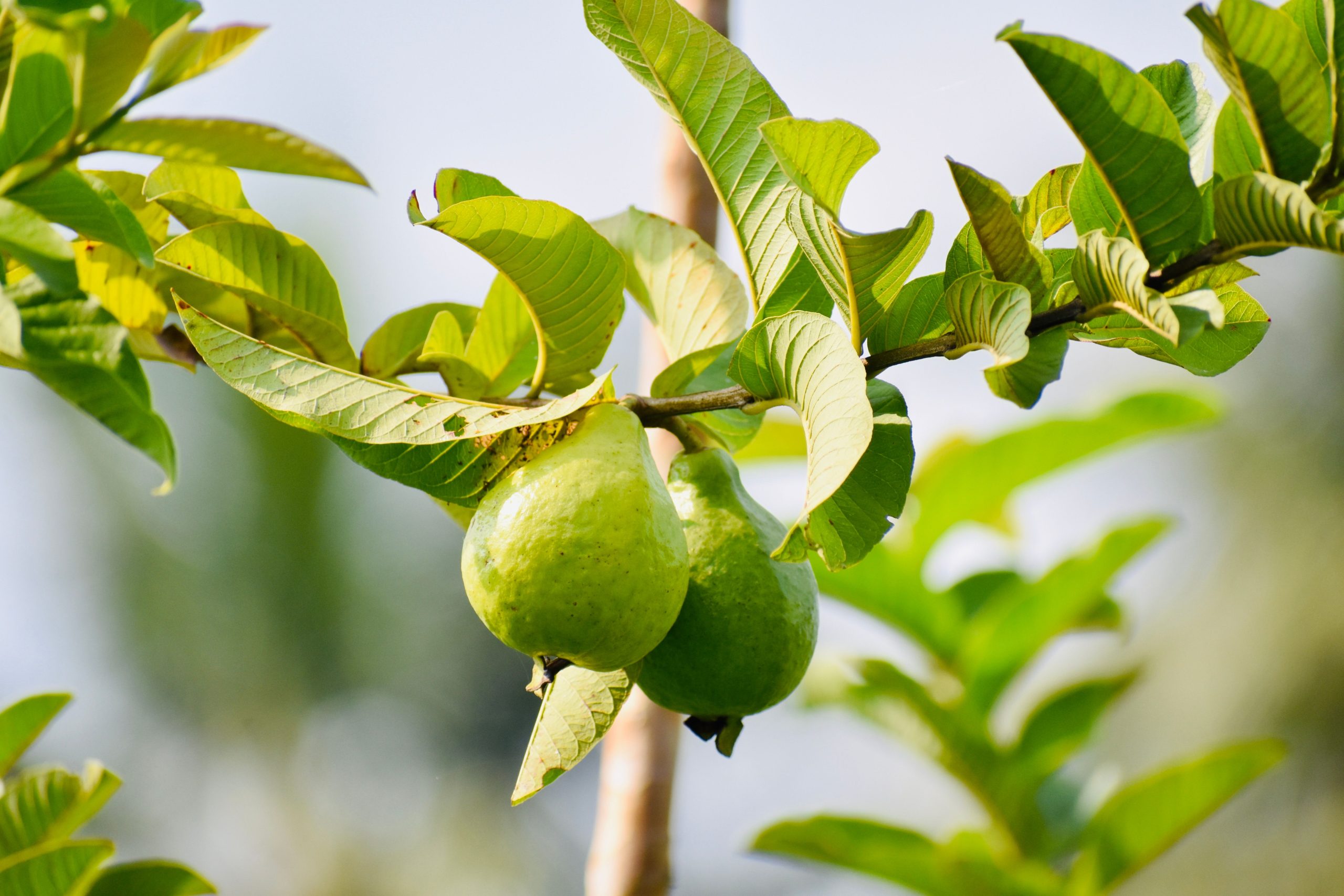
Unlike many imported fruits used in fine dining, guava remains deeply connected to everyday Vietnamese life. It grows abundantly, yet its versatility often goes unnoticed. Its popularity often stems from accessibility, yet this familiarity can overshadow the fruit’s true character. When harvested at peak ripeness, guava captures a unique balance between freshness and concentration.
The seasonality of pink guava
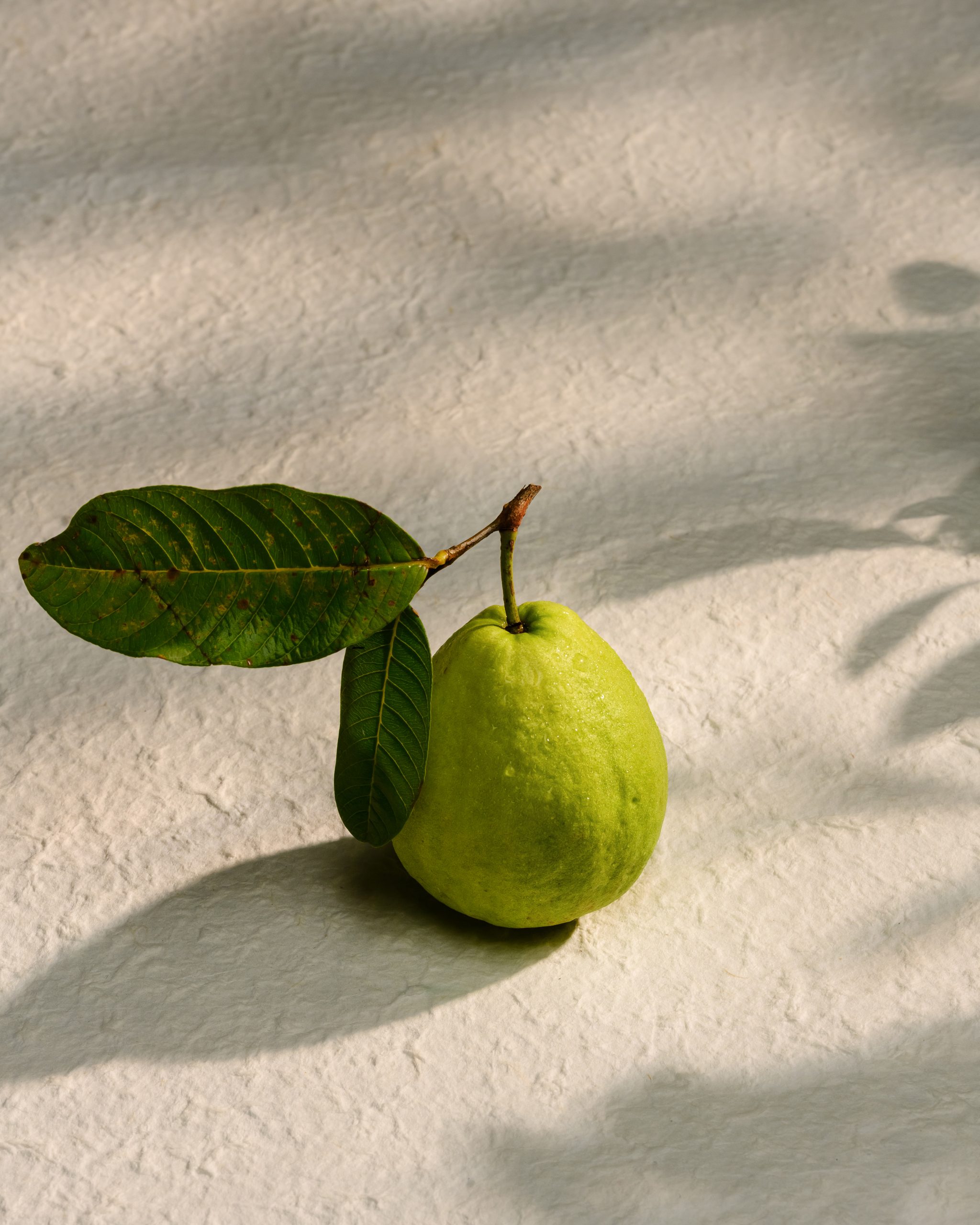
Although available throughout much of the year, pink guava reaches its best quality during warmer months when natural sugars, aroma, and juiciness become more concentrated. This seasonality allows chefs to work with fruit at its most expressive moment.
Beyond sweetness: Understanding the character of pink guava taste
The texture that makes guava taste unique
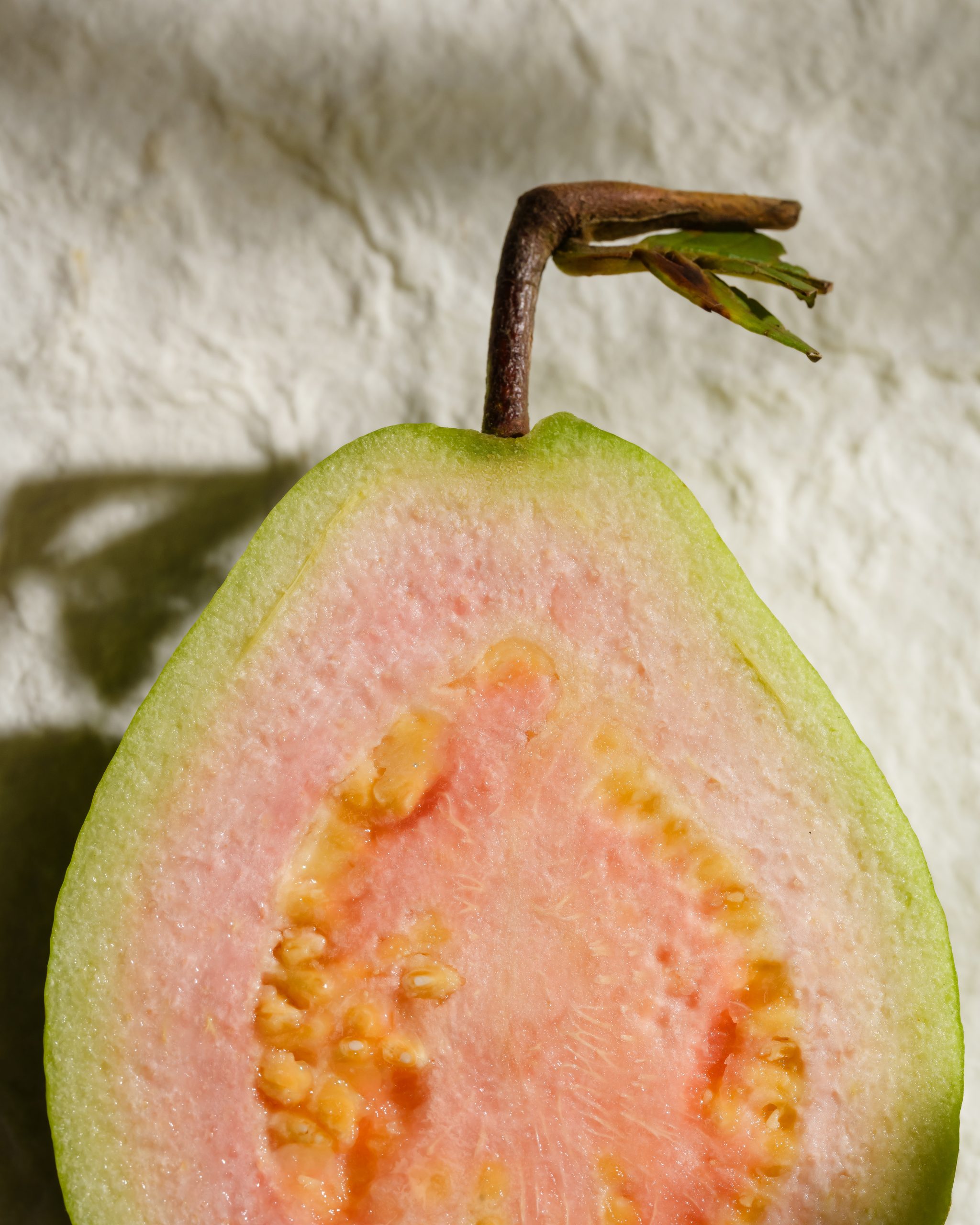
One of the most fascinating qualities of pink guava is its texture. Firm yet juicy. Delicate yet structured. Unlike softer tropical fruits, guava maintains its shape while delivering a refreshing bite. This characteristic allows it to perform beautifully in contemporary plating and multi-textural desserts.
A balance of sweetness, freshness, and aroma
Pink guava is not simply sweet. A perfectly ripe pink guava offers a layered sensory experience. The first impression is sweetness, followed by gentle acidity that brightens the palate. As the fruit develops, floral notes begin to emerge, accompanied by subtle herbal nuances and a lingering tropical fragrance. Unlike fruits that deliver a single dominant flavor, guava reveals itself gradually. This complexity is one of the reasons chefs continue to explore its potential in contemporary cuisine.
Why Guava taste works so well in fine dining
Not every fruit adapts naturally to a fine dining environment. Pink guava stands out because it brings all of these qualities together while offering something equally important.
Acidity creates balance
Pink guava can appear fresh, fermented, frozen, roasted, infused, or preserved. Each preparation reveals a different aspect of the fruit.
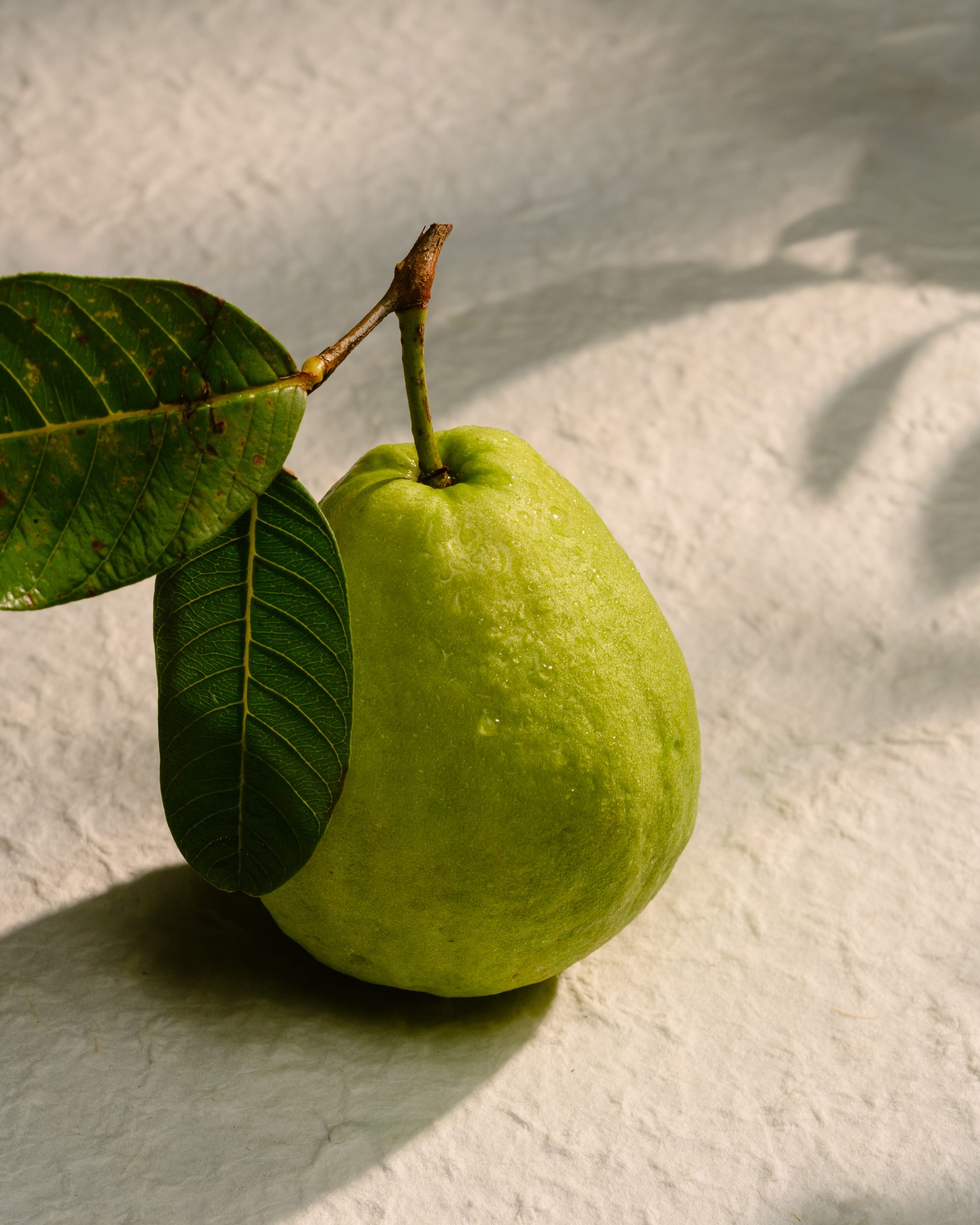
Many successful desserts rely on contrast. Its acidity provides structure. Sweetness alone can feel heavy, while acidity introduces energy and precision. Guava naturally provides this balance, allowing chefs to create tropical desserts that feel refreshing rather than overwhelming. This versatility enables chefs to build dishes around guava without overwhelming other ingredients.
A fruit that bridges familiarity and discovery
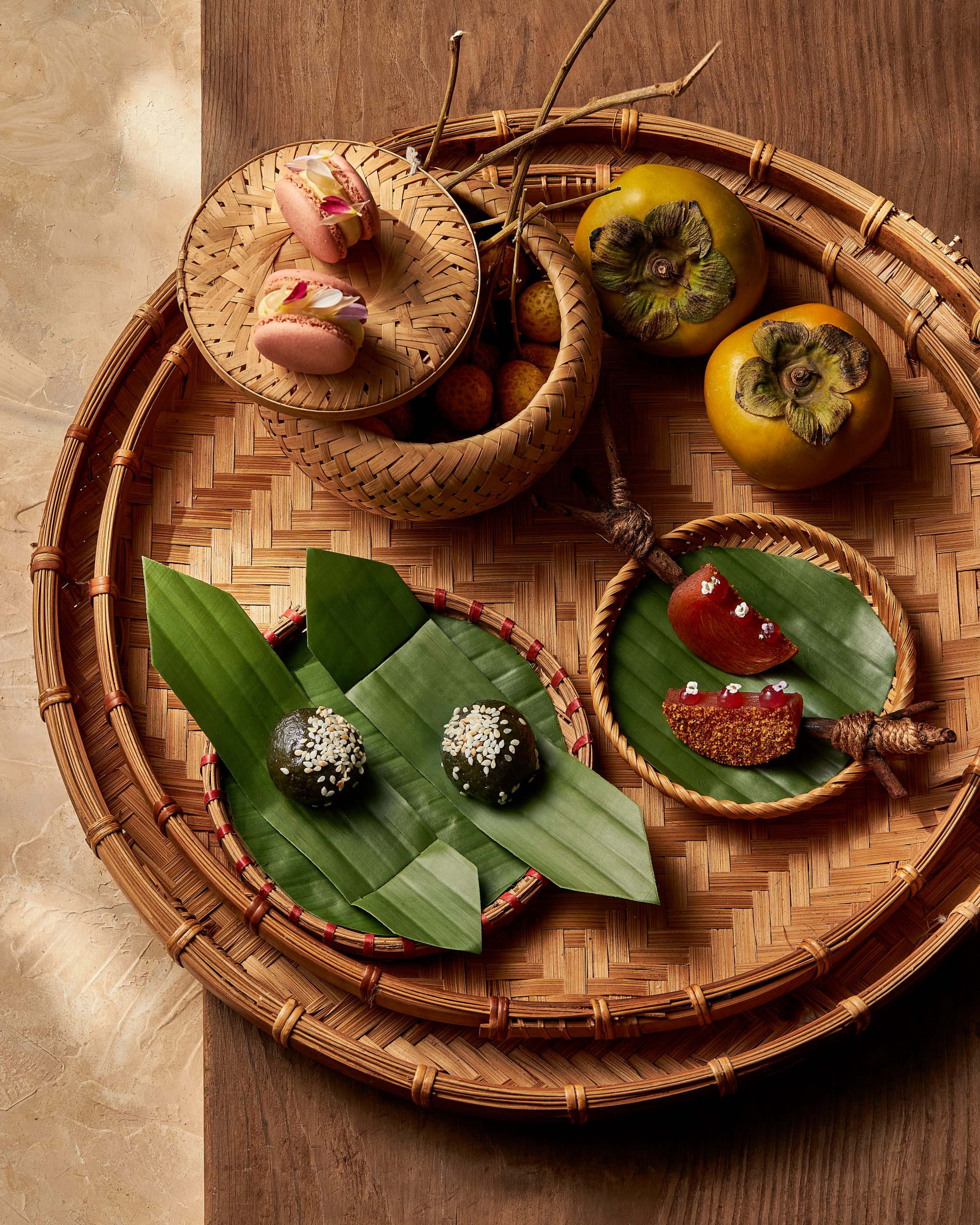
Most guests already recognize guava. However, very few have experienced it within a contemporary tasting menu. This balance between familiarity and surprise often creates some of the most memorable dining moments.
Pink Guava, Black Tea, and Yogurt: A seasonal expression at Chapter Dining
Within the Lucent menu, pink guava provides freshness and vibrant tropical character.The journey begins with pink guava. It introduces the palate to the freshness of Vietnam’s tropical landscape. The first impression is lively acidity, followed by gentle sweetness that unfolds gradually, creating a sense of lightness and anticipation.
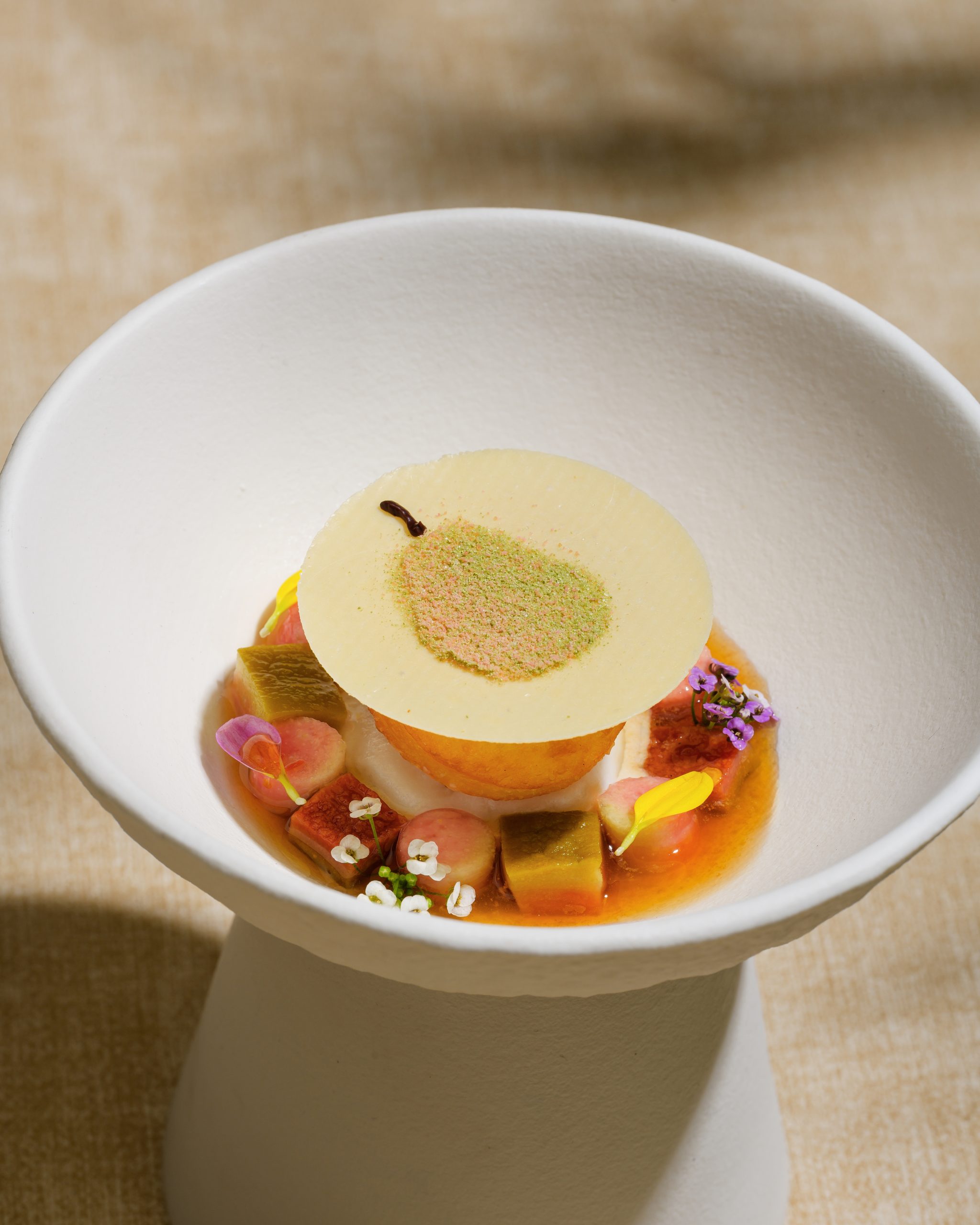
As the experience evolves, black tea enters quietly. Its delicate tannins and lingering aromas add depth and structure, guiding the fruit into a more complex expression. The contrast between the tea’s subtle bitterness and the guava’s brightness creates a balance that feels both familiar and unexpected.
Finally, yogurt softens the journey. Its silky texture and gentle tanginess bring the elements together, allowing each flavor to linger a little longer. What begins as a refreshing tropical note slowly develops into a layered composition of fruit, aroma, and texture.
Together, pink guava, black tea, and yogurt capture the essence of Lucent menu — a seasonal expression that feels bright, elegant, and deeply connected to the warmth of Hanoi’s summer..
For guests exploring contemporary Vietnamese cuisine, the Pink Guava – Black Tea – Yogurt course offers a fresh perspective on one of Vietnam’s most beloved tropical fruits.
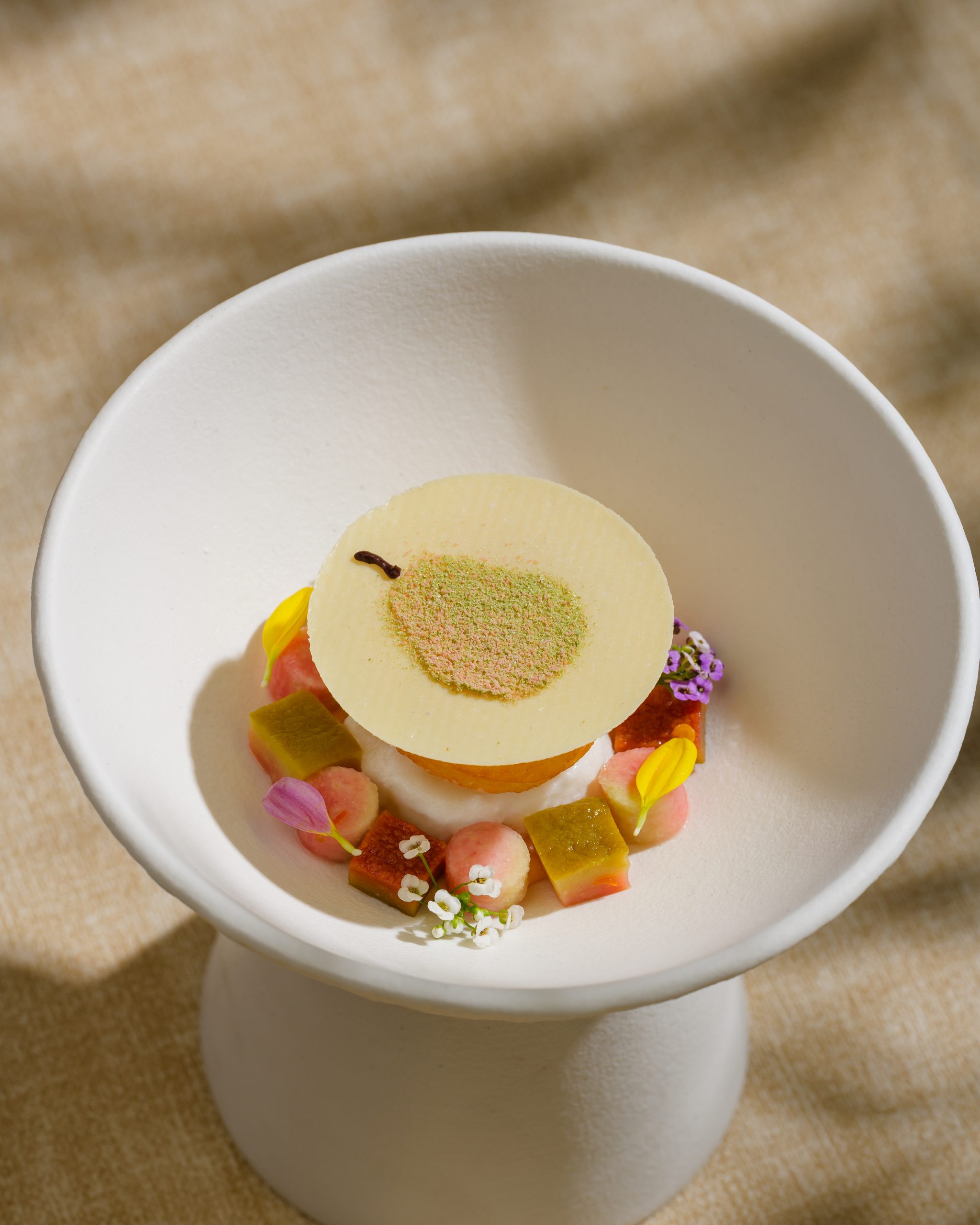
The Lucent menu celebrates ingredients at their most vibrant. Pink guava embodies this philosophy perfectly. Bright, expressive, and unmistakably tropical, it reflects a season filled with abundance and energy.
Rather than masking the fruit’s identity, the dish allows guava taste to remain the focal point while supporting flavors create balance around it. Visit Chapter Dining and discover how pink guava in fine dining becomes more than a fruit—it becomes a story, a memory, and a celebration of Vietnam’s tropical landscape.
_________
Chapter Dining
12C Chan Cam, Hoan Kiem, Hanoi
Mon – Sat from 18:00 – 23:00
Tel: +84 333 201 221 – Reserve a table
Email: reservation@chapter.vn