Vietnamese seasoning is not always about adding more salt, heat or intensity. Sometimes, it is a leaf of kinh giới releasing a lemony fragrance, rice fermented into the gentle sourness of mẻ, or mắc mật carrying the aroma of Vietnam’s northern highlands. At Chapter Dining, these familiar flavours move beyond their conventional settings and enter a seasonal tasting menu. Discover how Vietnamese fine dining allows local ingredients to retain their cultural identity while revealing entirely new possibilities.
Table of Contents
- 1 What gives Vietnamese fine dining its identity?
- 2 Local Vietnamese ingredients throughout Chapter’s tasting menu
- 2.1 Begin your Vietnamese Fine Dining journey with Oyster, Vietnamese Balm and Cucumber
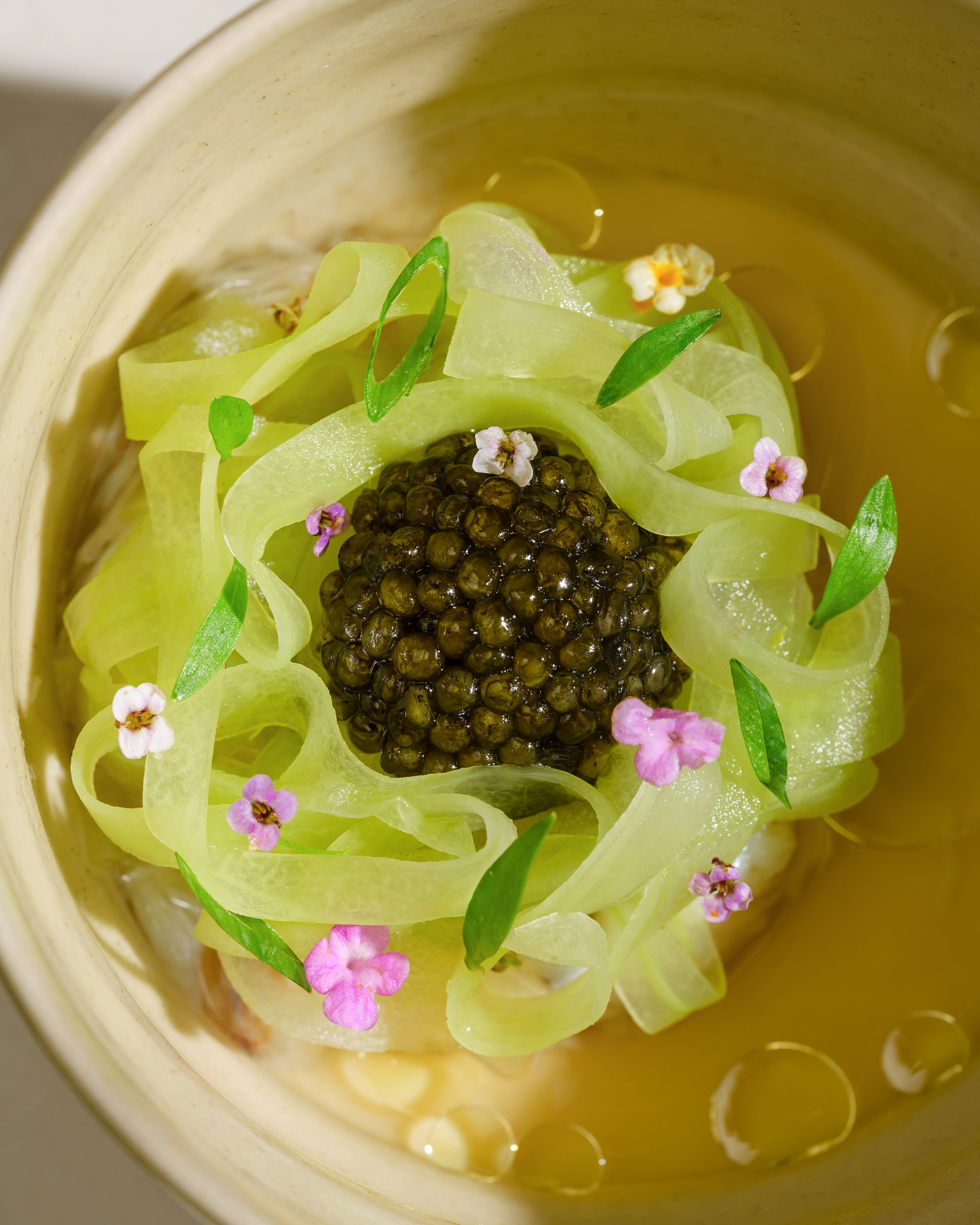
- 2.2 Continue your Vietnamese fine dining journey with Swimmer crab, bottle gourd and caviar
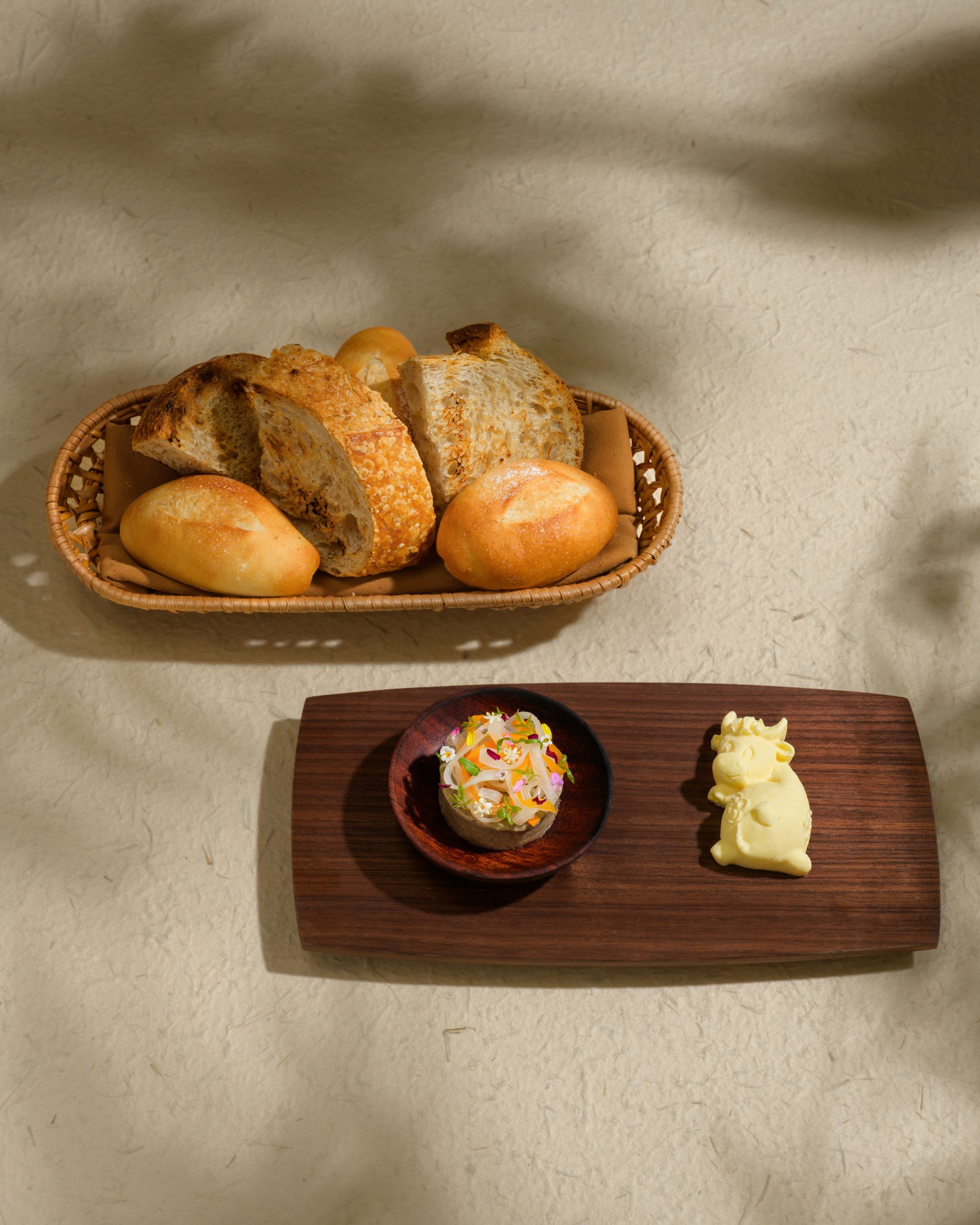
- 2.3 Bread, duck pâté and smoked butter: a familiar combination shaped by fire
- 2.4 Pigeon, plum and mắc mật: an aromatic journey to Northern Vietnam
- 2.5 Final your meal with Petit Fours: tropical fruit, jasmine and a Vietnamese steamed cake
- 3 Why these ingredient pairings matter to travellers
- 4 What to expect from Chapter’s Vietnamese tasting menu
What gives Vietnamese fine dining its identity?
A tasting menu can use precise techniques and international ingredients, but technique alone does not make it Vietnamese. Its identity comes from the ingredients that establish a sense of place: the herbs found beside familiar meals, the fruits appearing briefly with the season and the ferments that Vietnamese cooks have used to create depth for generations.
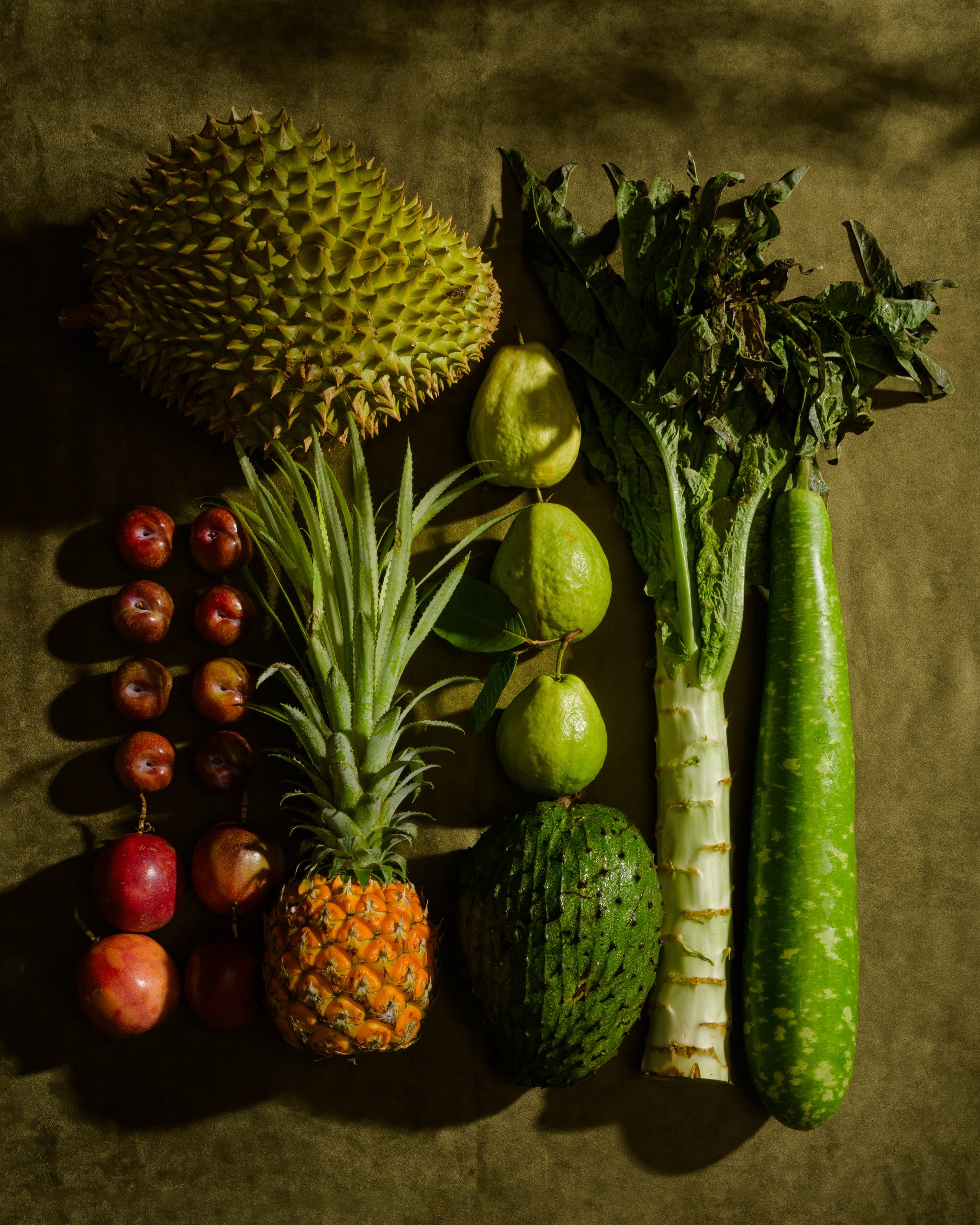
At Chapter, Vietnamese fine dining begins with these relationships. The menu does not claim that every ingredient is Vietnamese. Amaebi, finger lime, caviar and classical pâté techniques introduce international references. However, they are placed in conversation with soursop, bottle gourd, fermented rice and other local Vietnamese ingredients. These contrasts allow diners to recognise how a familiar Vietnamese flavour can direct an unfamiliar composition.
Chapter’s seasonal menu unfolds gradually, moving from clean oceanic flavours and cooling vegetables towards fermentation, smoke, spice and northern mountain aromatics. Each course gives one or more Vietnamese spices and herbs a distinct purpose within the wider journey.
Begin your Vietnamese Fine Dining journey with Oyster, Vietnamese Balm and Cucumber
The opening course brings together oyster, Vietnamese balm and cucumber. The oyster introduces salinity and a clean taste of the sea, while cucumber contributes moisture, crispness and a cooling sensation appropriate for Hanoi’s warmer months.
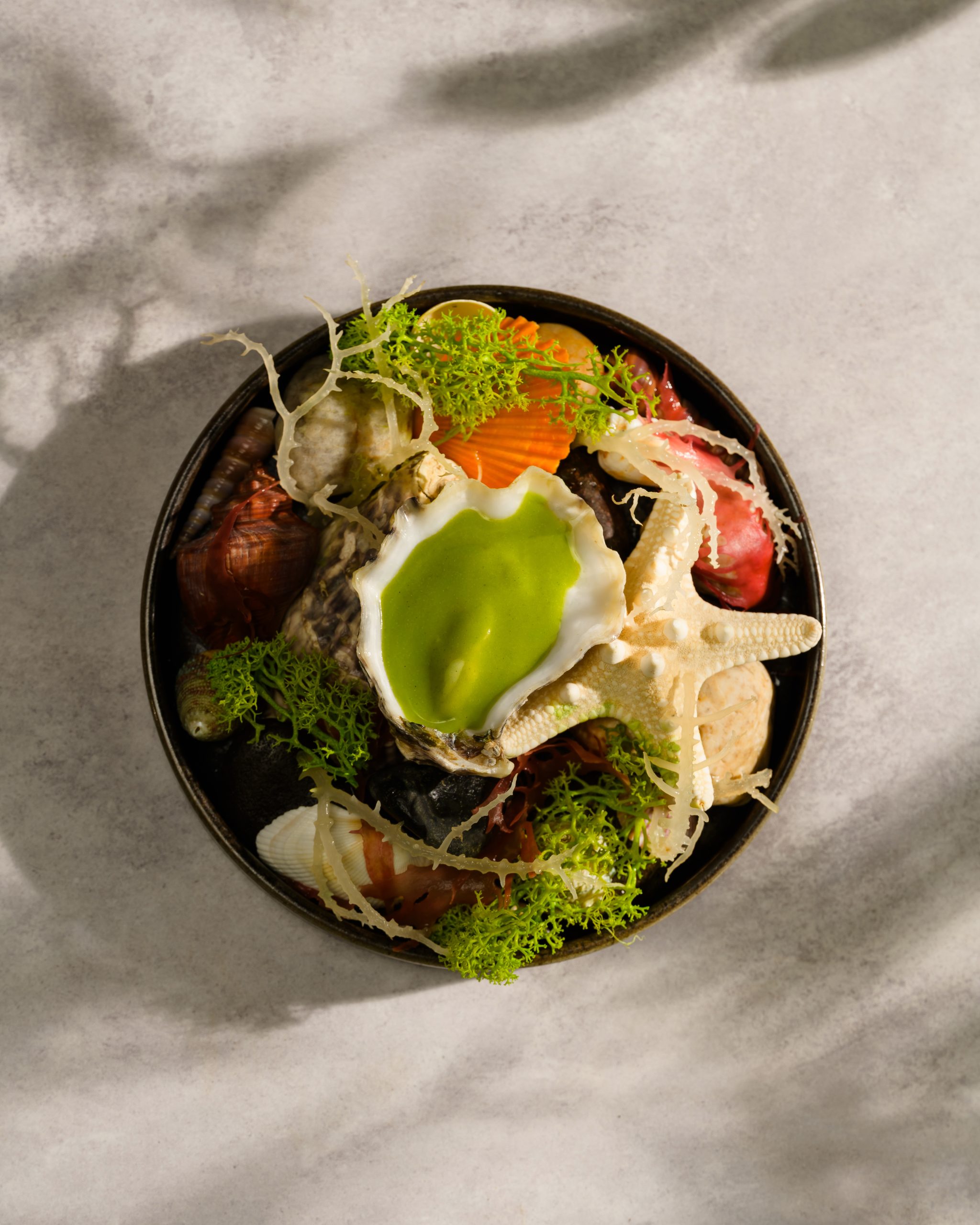
Vietnamese balm, known locally as kinh giới, gives the course its most recognisably Vietnamese aromatic note. Its character combines citrus-like freshness with a lightly peppery, herbal finish. This interaction establishes the logic of the Vietnamese tasting menu: every ingredient remains distinct, yet no element feels complete in isolation.
Continue your Vietnamese fine dining journey with Swimmer crab, bottle gourd and caviar
Bottle gourd, or bầu, is one of the menu’s quietest ingredients, yet it carries a strong connection to Northern Vietnamese home cooking. Its high water content, gentle sweetness and soft vegetal character make it particularly suitable for the hot season. In family meals, it often appears in light soups, sometimes cooked with prawns or crab.
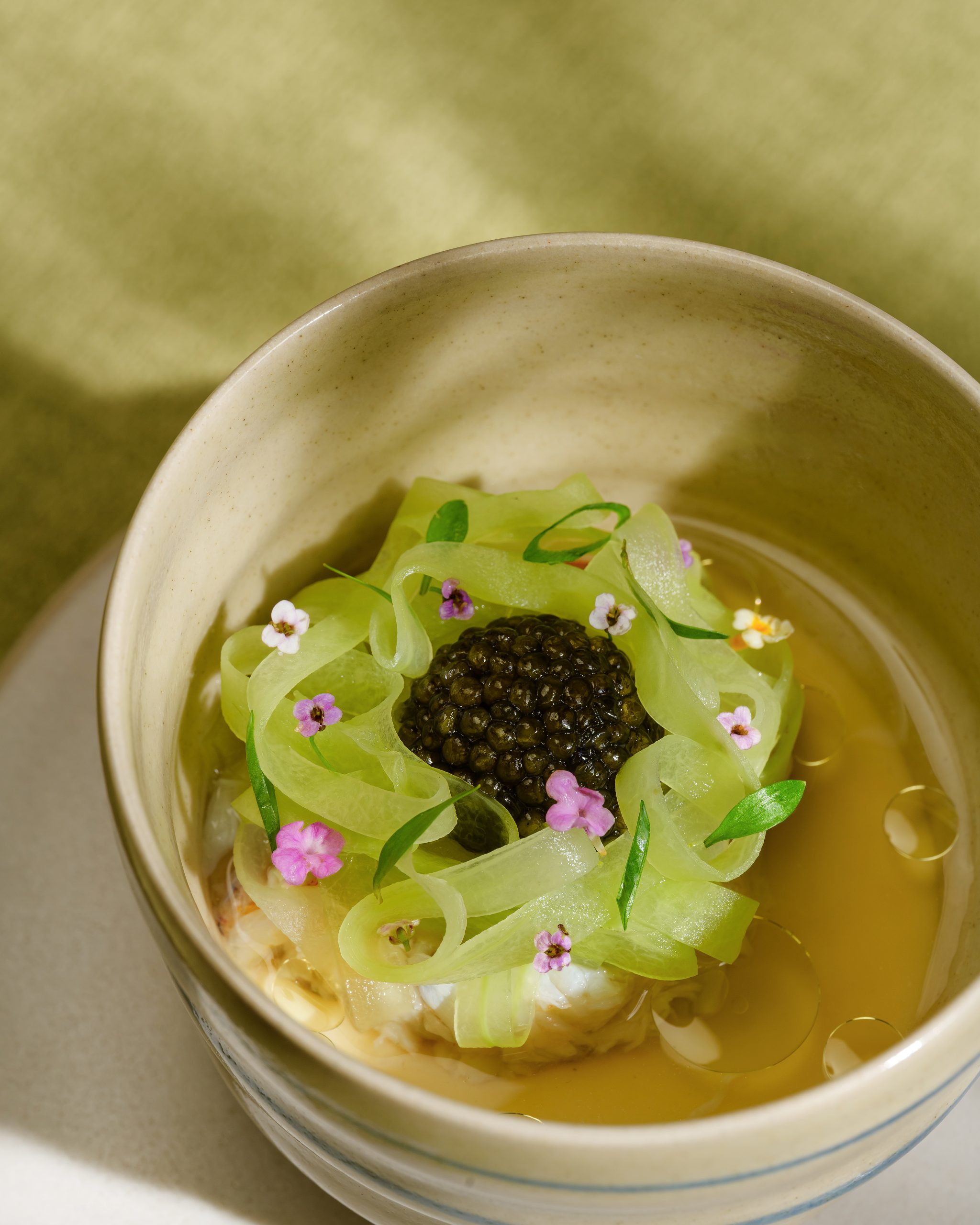
Chapter brings that familiar relationship into Vietnamese fine dining through swimmer crab, bottle gourd and caviar. The crab contributes natural sweetness and delicate salinity. Bottle gourd offers freshness and a clean vegetable finish, while caviar adds a concentrated marine note and a subtle textural pop. The pairing recalls the balance of seafood and cooling vegetables found in northern summer meals, translated into a more precise tasting-menu form.
Bread, duck pâté and smoked butter: a familiar combination shaped by fire
Bread and pâté reflect a history of French influence, but both have long been adapted into Vietnamese food culture. The Vietnamese baguette became lighter, while pâté found its place inside bánh mì and alongside sticky rice, pastries and simple breakfasts.
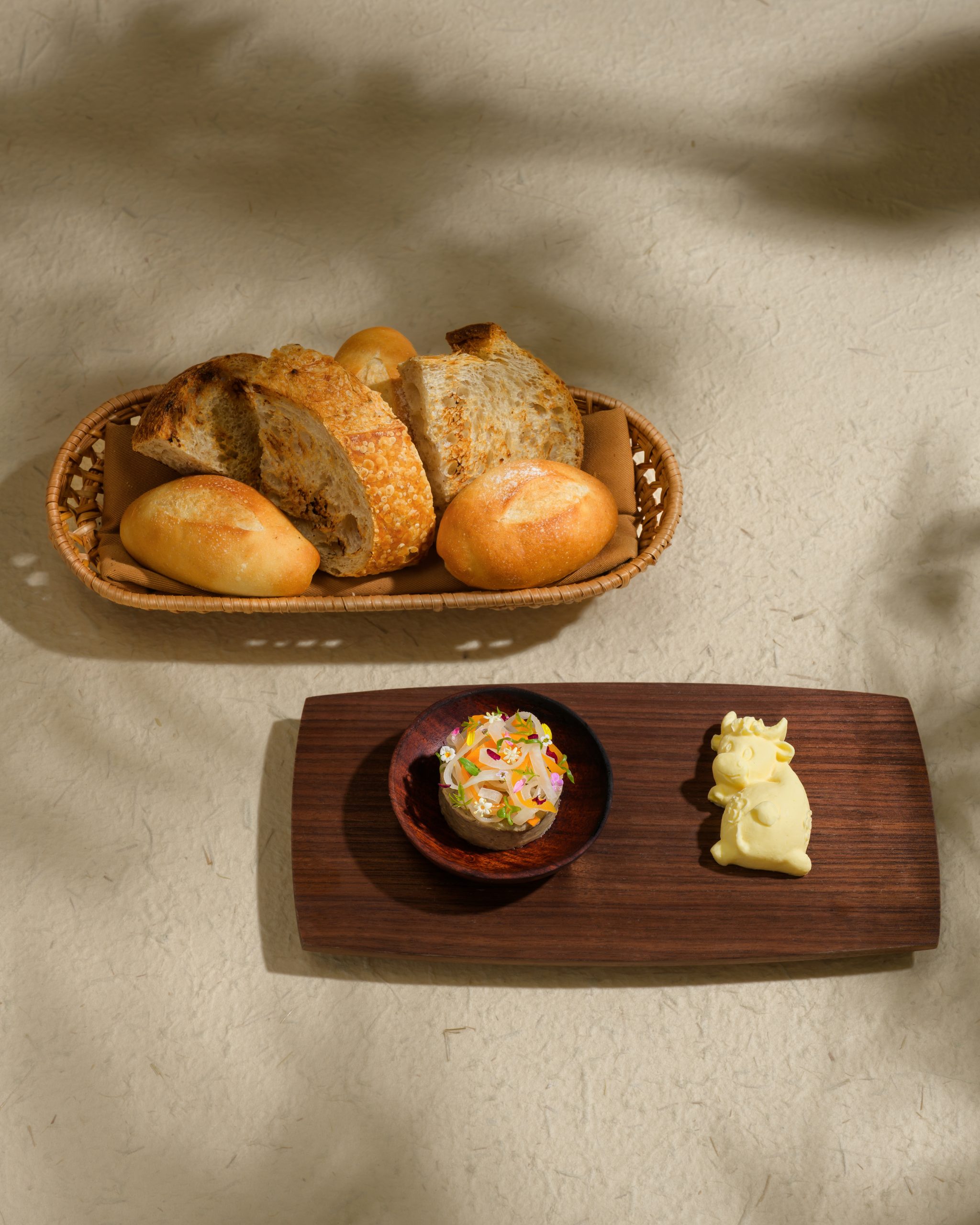
Bread creates structure and air. Duck pâté brings smoothness and savoury richness. Smoked butter leaves the aroma of fire across the palate. This is Vietnamese fine dining expressed through adaptation rather than a single indigenous spice. The course recognises that Vietnamese cuisine has always absorbed outside influences, reshaping them until they become part of local eating habits.
Pigeon, plum and mắc mật: an aromatic journey to Northern Vietnam
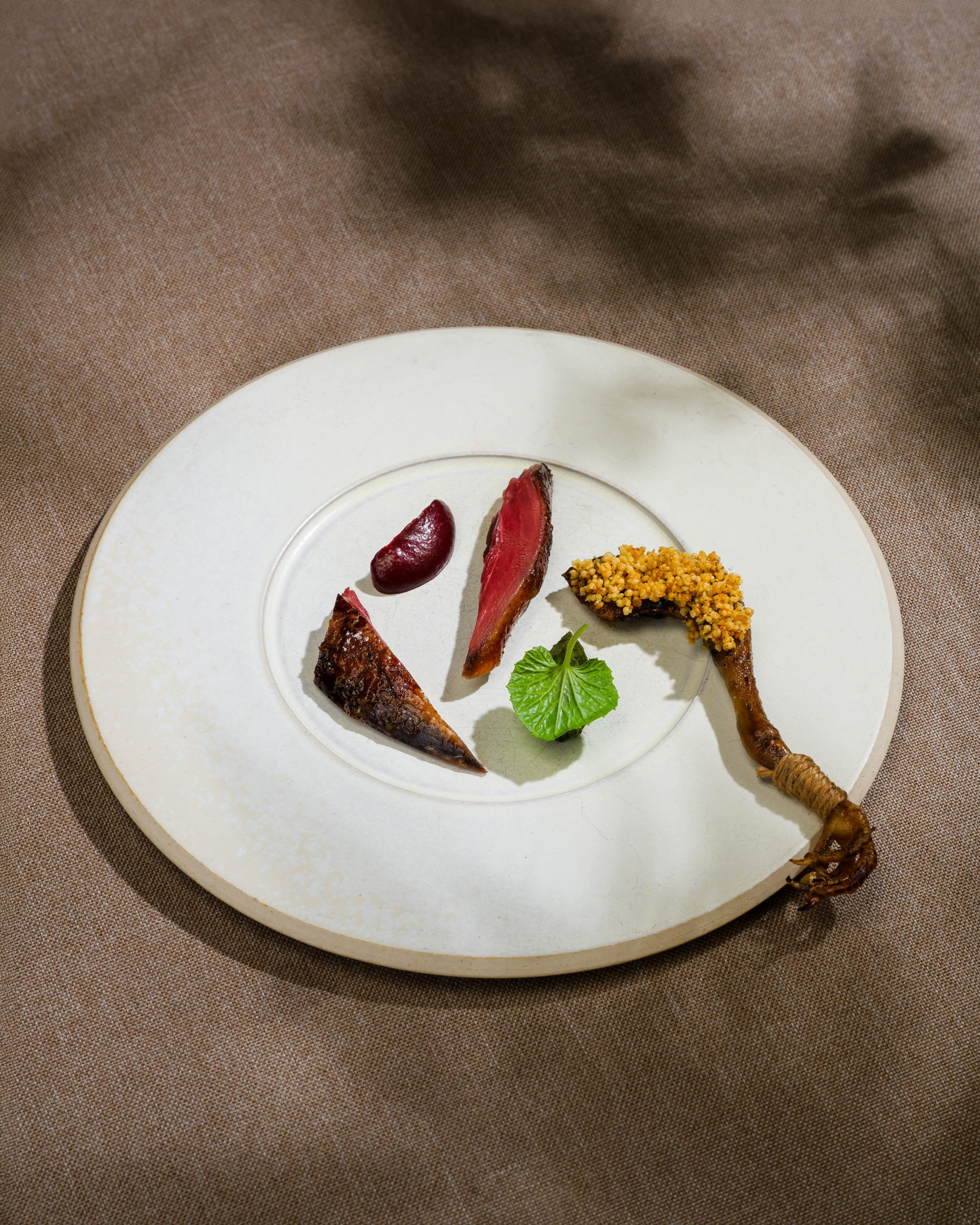
Pigeon provides a rich savoury base, balanced by the bright acidity of summer plums from Northern highlands such as Mộc Châu, Sơn La and Lào Cai. Mắc mật, or clausena, completes the course with a distinctive citrus, herbal and lightly peppery fragrance.
One of the menu’s most regionally expressive Vietnamese spices and herbs, mắc mật connects the richness of the pigeon with the freshness of the plum, giving international travellers a flavour closely associated with Northern Vietnam.
Final your meal with Petit Fours: tropical fruit, jasmine and a Vietnamese steamed cake
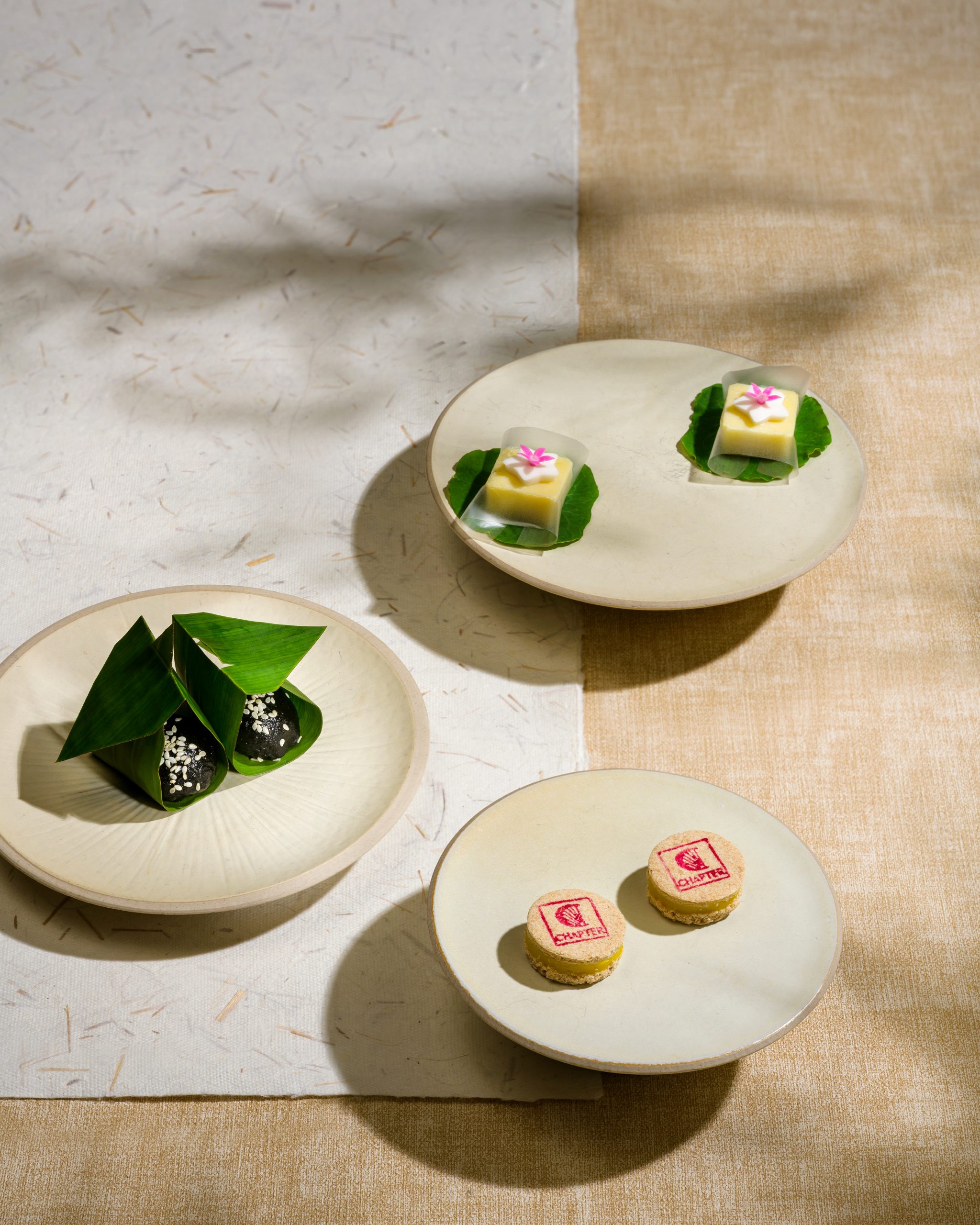
The final stage of Chapter’s tasting journey is expressed through Petit Fours. Small in size but deliberate in sequence, these bites allow the kitchen to conclude the evening through fruit, fragrance and memory.
Petit Fours show how contemporary Vietnamese cuisine can use a European pastry format while retaining local identity. Jasmine, tropical fruit, ramie leaf and banana ensure that the final memory of dinner remains connected to Vietnam.
Why these ingredient pairings matter to travellers
Many visitors first experience Vietnamese food through dishes such as phở, bánh mì and bún chả. These are essential parts of the country’s culinary identity, but they do not reveal the full vocabulary of Vietnamese seasoning.
A meal at Chapter introduces ingredients that travellers may have already seen without knowing their names. Kinh giới may have appeared among a plate of fresh herbs. Bottle gourd may have been hidden inside a family-style soup.
Through Vietnamese fine dining, these ingredients receive enough space to be noticed individually. The service team can explain their names and cultural associations, while the tasting-menu format allows guests to understand how each flavour changes from one course to the next. The experience is reconnected so that travellers can understand the logic behind Vietnamese balance: rich with fresh, warm with cooling, salty with sour and deep flavours with aromatic herbs.
Chapter exclusively serves a seasonal tasting menu rather than à la carte dishes. Guests experience the courses in an order designed by the kitchen, allowing freshness, acidity, fermentation, smoke, richness and sweetness to develop gradually. The menu changes according to season and ingredient availability. This responsiveness is central to Chapter’s use of local Vietnamese ingredients.
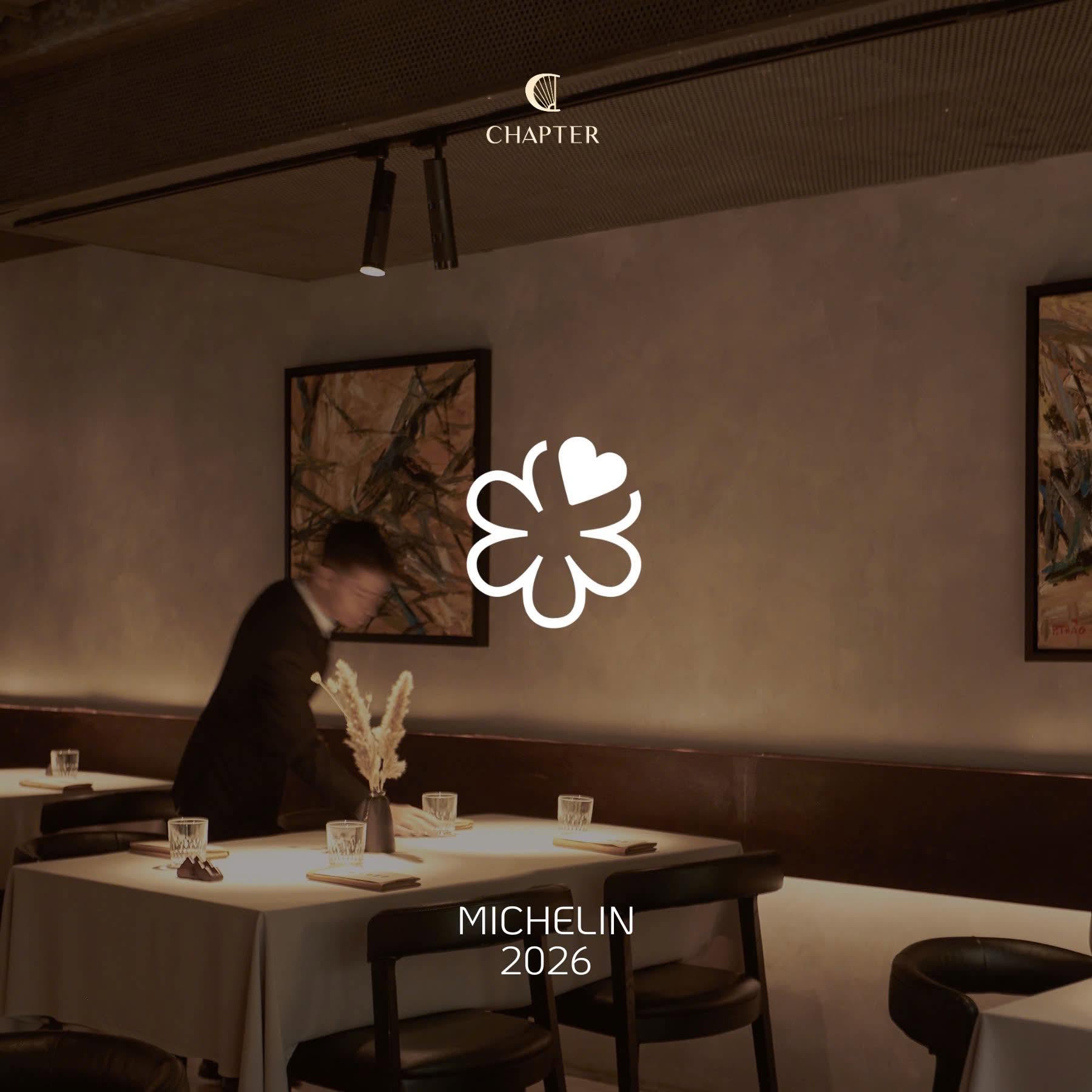
The MICHELIN Guide categorises Chapter as Vietnamese Contemporary and highlights its multi-course menu, local sourcing and connection to Northern Vietnamese heritage. Dinner takes place around the restaurant’s open kitchen, where fire and charcoal contribute to the flavours and atmosphere of the evening.
For travellers planning an evening of Vietnamese fine dining in Hanoi, Chapter dining offers an opportunity to experience Vietnam through ingredients that are often tasted but rarely introduced by name. Explore Chapter’s current seasonal menu and reserve your table to discover how one local flavour can open an entirely new chapter of Vietnamese cuisine.
_________
Chapter Dining
12C Chan Cam, Hoan Kiem, Hanoi
Mon – Sat from 18:00 – 23:00
Tel: +84 333 201 221 – Reserve a table
Email: reservation@chapter.vn