By late afternoon, Hanoi’s autumn heat begins to soften. On the pavement, glasses of iced green tea sit beside plates of sunflower seeds. Inside an old house, someone pours hot lotus tea into small porcelain cups. Tea appears almost everywhere in the city, yet each setting offers a different experience. Vietnamese tea culture is less about following a strict ceremony than knowing when to pause, welcome a guest and share a conversation. This guide introduces the teas Hanoi drinks in autumn, what to eat with them and where travellers can experience this everyday ritual. Read on, then complete your evening with a seasonal Vietnamese tasting menu at Chapter.
Table of Contents
What Vietnamese tea culture looks like in daily life
Tea in Vietnam rarely needs a special occasion. Families prepare it for guests, offices serve it during meetings, and restaurants bring it out after a meal. On the street, a glass of trà đá offers an inexpensive reason to sit down and watch the city move.
The setting may change, but the gesture remains familiar. Offering tea expresses welcome, respect and a willingness to spend time together. Hanoi’s tea traditions have evolved over generations, yet they still belong to daily life rather than museums or formal performances.
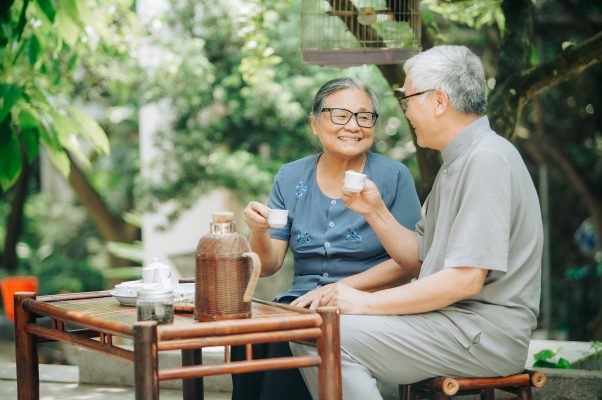
Visitors may encounter two very different sides of Hanoi tea culture. One is quick and casual: a tall glass at a pavement stall. The other unfolds slowly through a small teapot, several infusions and cups designed for short sips. Both are authentic expressions of how the city drinks tea.
Why tea feels different in Hanoi autumn
As the air becomes cooler and less humid, hot tea feels inviting again. Its fragrance becomes easier to notice, while its gentle bitterness balances the sweeter foods associated with the season. A pot of tea can accompany a quiet morning, an afternoon conversation or mooncakes shared beneath the full moon.
Autumn also brings ingredients closely connected to Hanoi, including young green rice, persimmon and pomelo. For travellers exploring Hanoi autumn drinks, tea is therefore the most meaningful place to begin.
Four Vietnamese teas to try in Hanoi during autumn
There is no single drink that represents all of Vietnamese tea culture. These four styles provide an accessible introduction.
Vietnamese green tea: fresh, brisk and slightly bitter
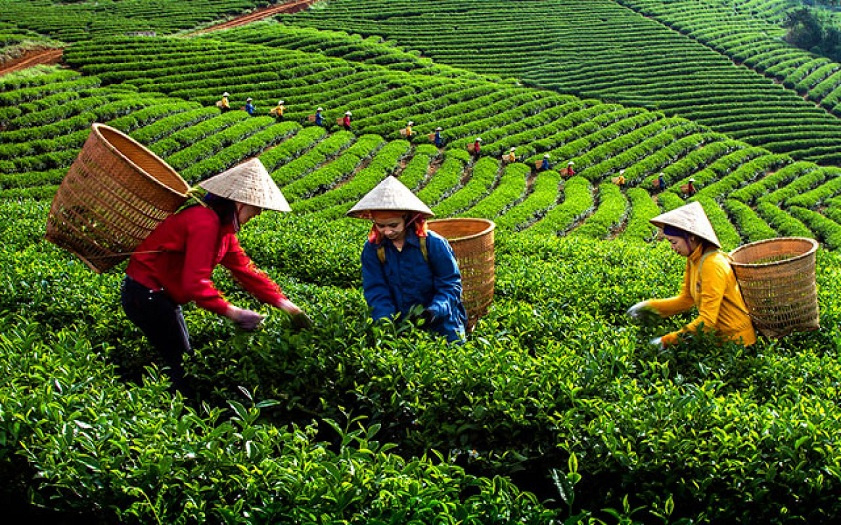
Green tea is one of the most widely consumed teas in Vietnam. It is usually served without milk and often without sugar, allowing the natural flavour of the leaves to remain clear. Tea from Thái Nguyên is particularly well known for its grassy aroma, brisk character and lightly bitter opening. A well-prepared cup may finish with a gentle sweetness after the sharper first impression fades.
West Lake lotus tea: Hanoi’s floral signature
Few teas carry such a close association with the capital as lotus tea. Traditionally, tea makers scent green tea with lotus flowers, allowing the leaves to absorb their delicate fragrance. Lotus season falls in summer, but the scented tea can be enjoyed well into autumn. In this way, a cup preserves the aroma of warmer months while matching the cooler pace of the new season.
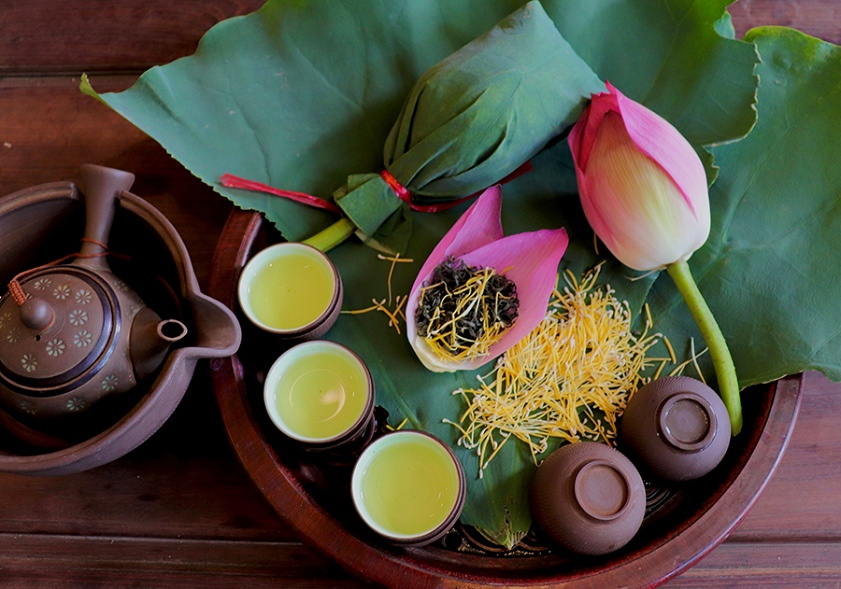
Good lotus tea in Hanoi should smell floral without resembling perfume. Beneath the lotus fragrance, the drink should still retain the freshness and light bitterness of green tea. Sip it without sugar first; sweetness can easily hide the details created by the scenting process.
Shan Tuyết tea: a taste of the northern highlands
Shan Tuyết comes from tea-growing communities in the mountainous north, particularly areas of Hà Giang. The name refers to the fine, pale down visible on young tea buds, which can resemble a light covering of snow.
For foreign visitors, Shan Tuyet tea extends the experience beyond Hanoi. Each cup introduces a landscape of high elevations, cool air and old tea-growing traditions that may otherwise remain distant from a short city itinerary.
Jasmine tea and oolong: approachable choices for beginners
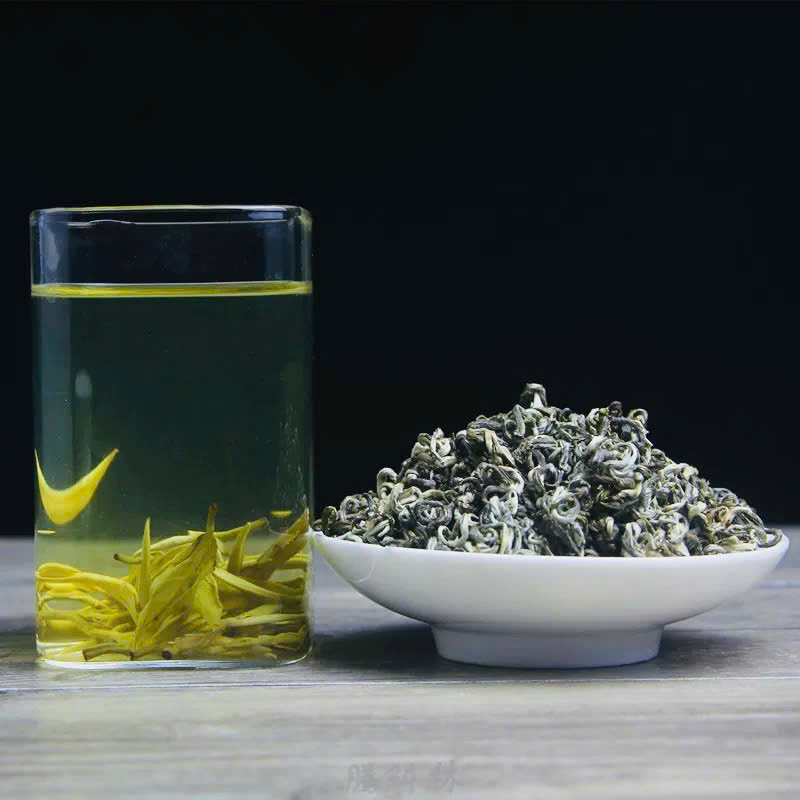
Jasmine tea combines a familiar green tea base with a clear floral aroma. It is often easier for first-time drinkers to understand than a strongly brewed plain green tea.
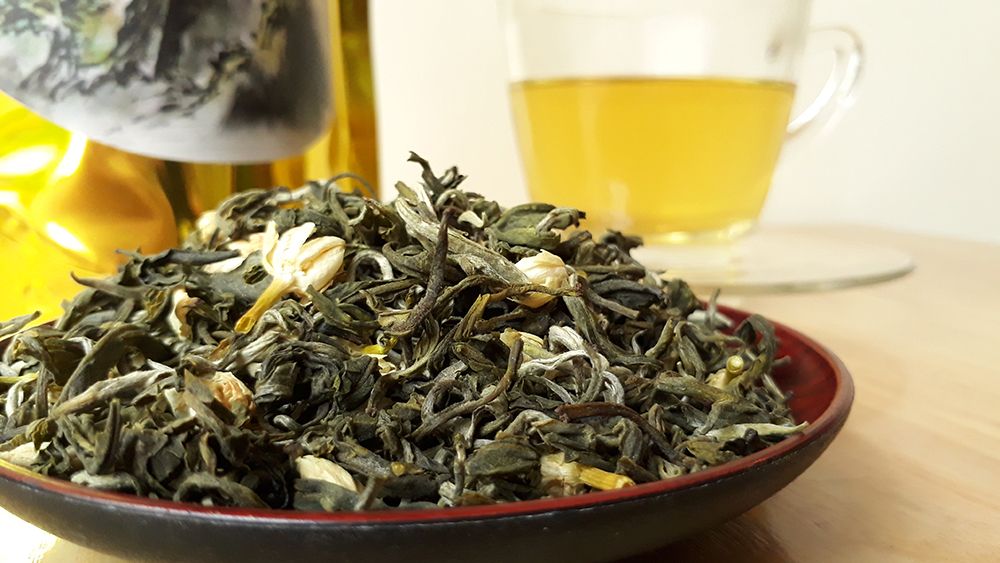
Oolong offers another approachable entry point. Its flavour sits between green and black tea, although the exact character varies with oxidation and roasting. Some styles taste floral and light; others feel rounder, toasted or slightly creamy without containing milk. Both work well for travellers who want to explore Vietnamese tea without beginning with the most bitter or intense cup.
Hanoi Autumn Foods to Enjoy with Vietnamese Tea
Tea becomes especially comforting when paired with the familiar flavours of Hanoi autumn. Its gentle bitterness balances sweet, fragrant or slightly rich foods, allowing each bite to feel lighter and more distinct.
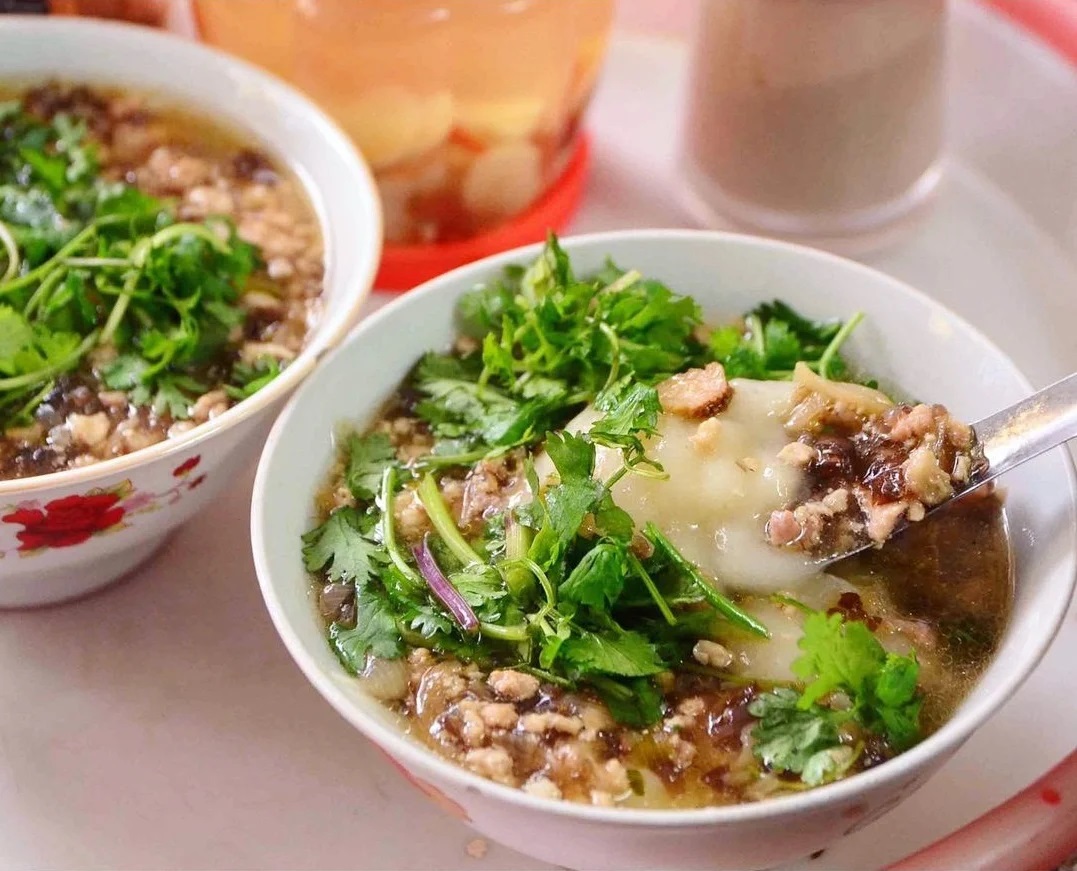
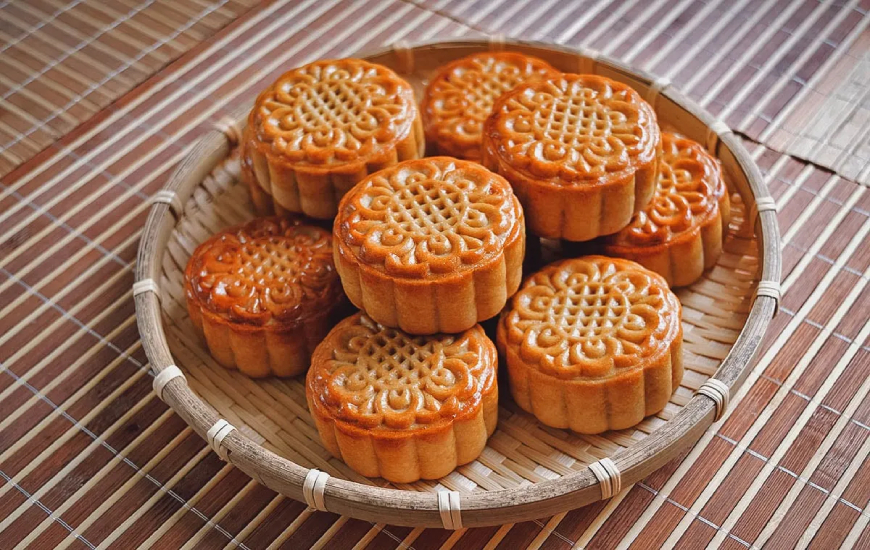
Mooncakes are the season’s most recognisable pairing. Hot green tea or oolong cuts through the rich mixed filling of Vietnamese Mooncake. Cut each cake into small wedges and share it over several cups as part of your one-day Mid-Autumn itinerary in Hanoi. Fresh Vietnamese rice cake offers a subtler experience. Its tender texture, delicate sweetness and young-rice fragrance work best with plain green tea that does not overpower the grain.
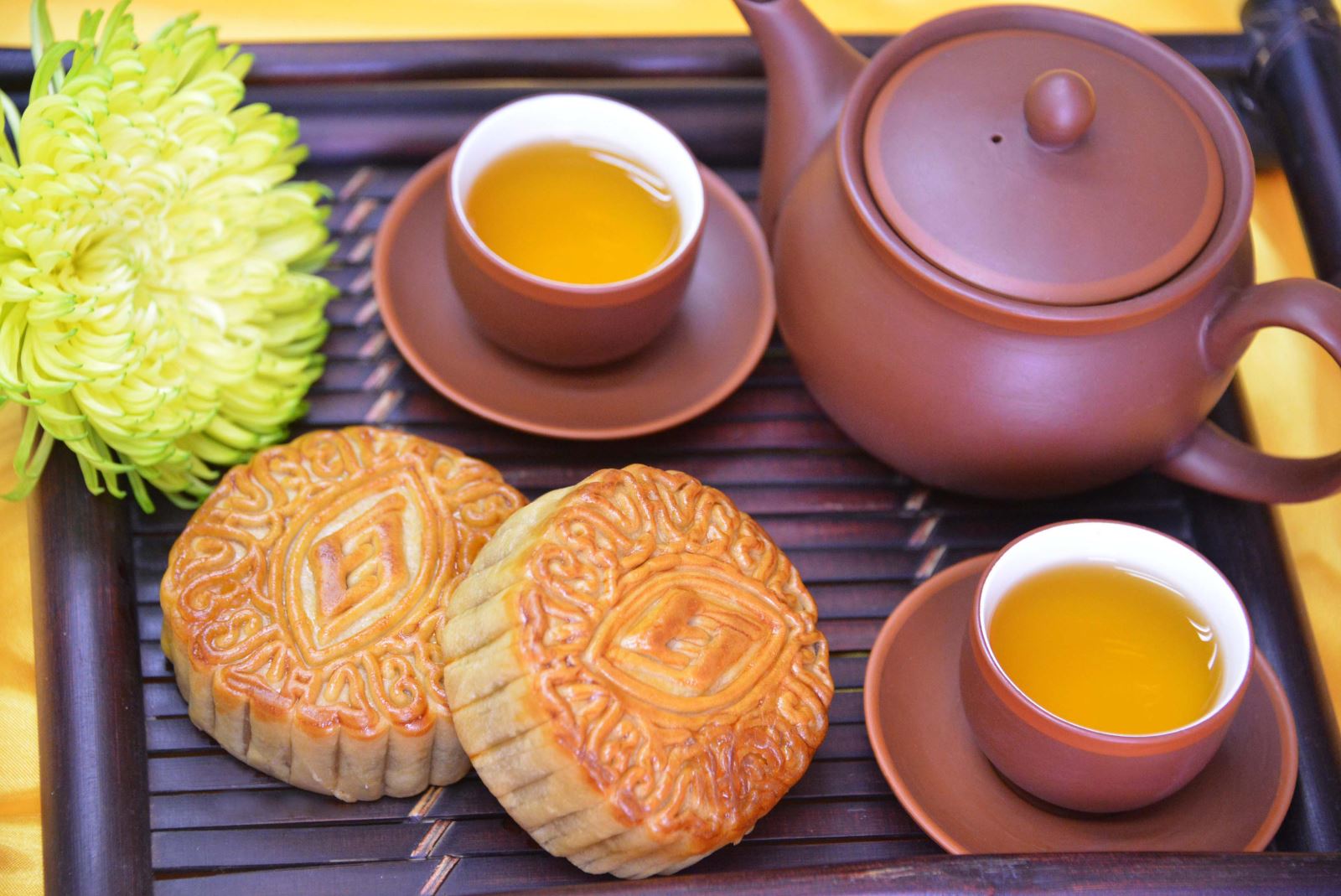
Crisp persimmon and pomelo can complete the table with freshness and gentle acidity. Together, tea, mooncakes, cốm and autumn fruit reveal how Vietnamese tea culture connects flavour with season, conversation and the pleasure of sharing.
Where to drink tea and experience Hanoi in Autumn
Your choice depends on how you want to experience the city. A glass of pavement tea brings you closer to Hanoi’s daily rhythm, while a traditional tea house offers a quieter way to appreciate the season.
Choose pavement trà đá (Tea with ice) for Hanoi street life
To observe local life and explore the city’s colourful Mid-Autumn streets, pull up a small stool and order a glass of trà đá. Tea stalls around Hoàn Kiếm Lake and the Old Quarter provide an easy pause before walking towards Phùng Hưng or Hàng Mã, where lanterns brighten the streets as evening approaches.
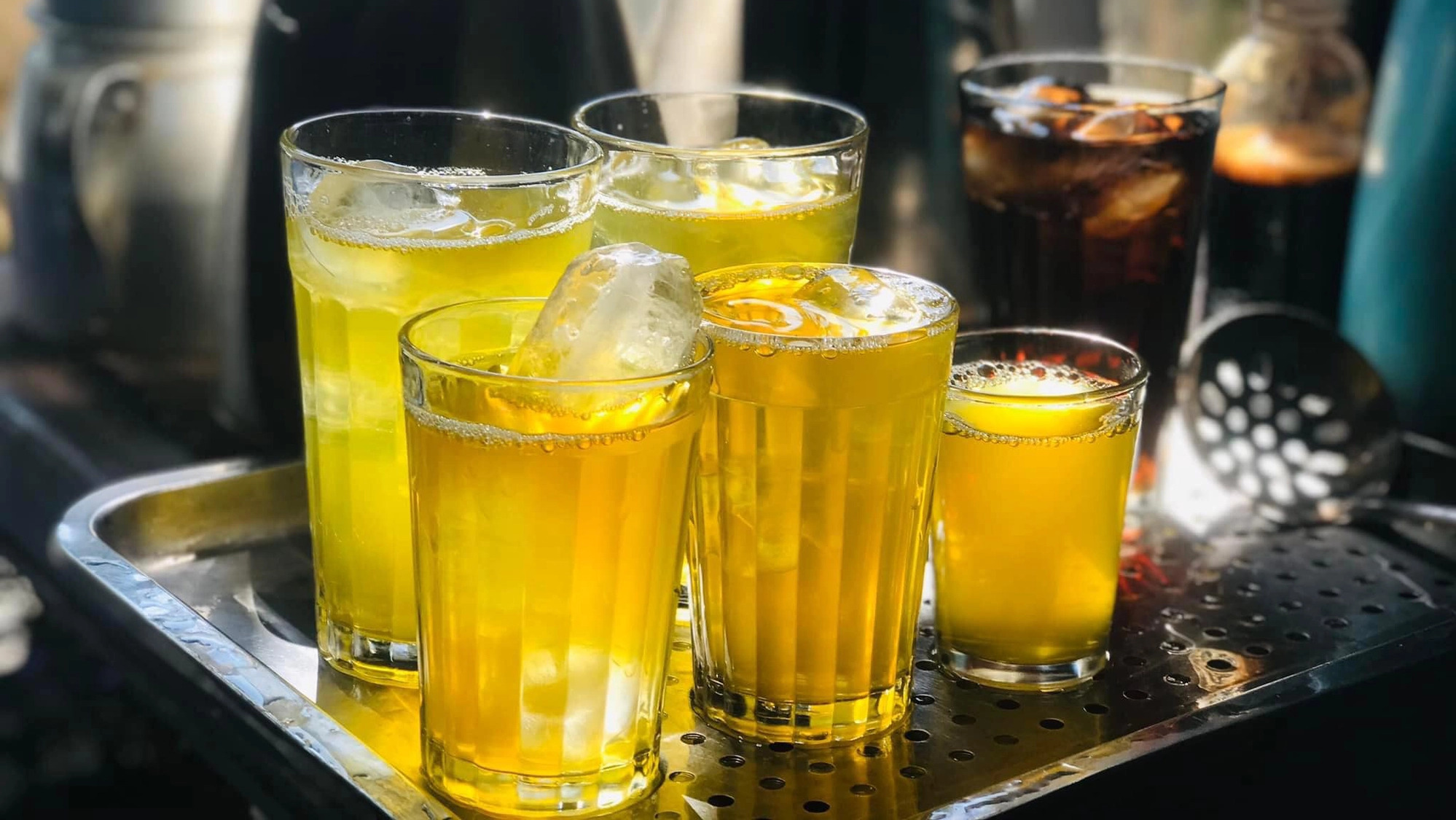
Its real appeal lies in the view: passing bicycles, neighbourhood conversations and families shopping for lanterns. This casual experience reveals one of the most familiar sides of Hanoi tea culture.
Choose a tea house for a slower autumn afternoon
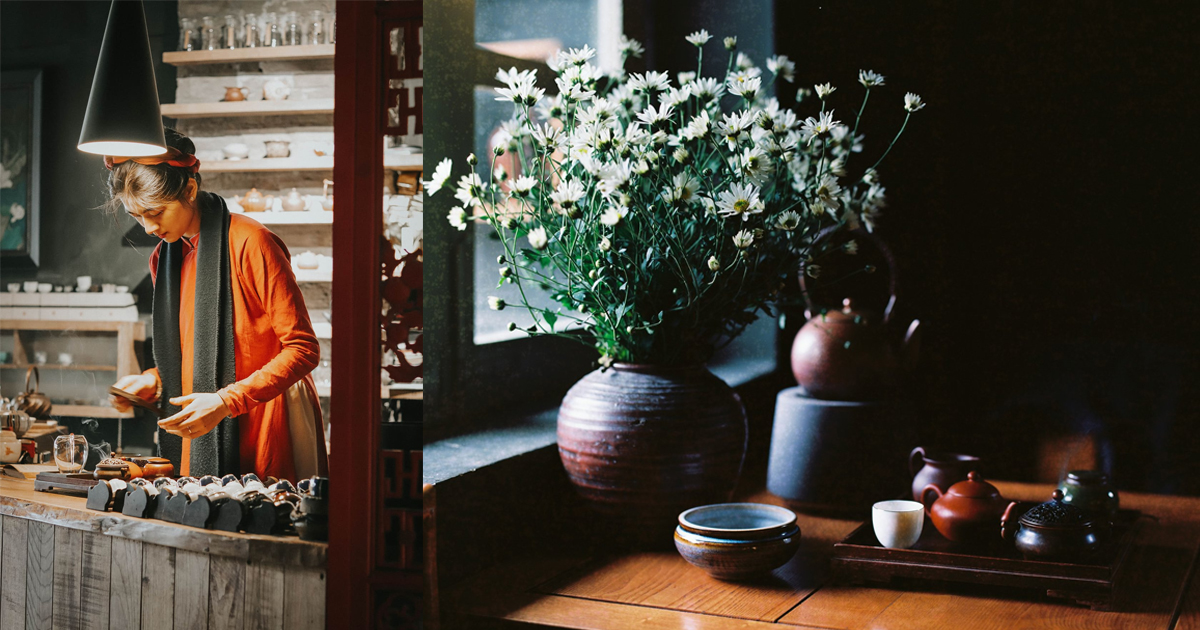
If you prefer to enjoy Hanoi autumn at an unhurried pace, visit a traditional tea house. Hiền Minh Tea House, at 13 Ngô Tất Tố, offers guided experiences exploring brewing methods, northern tea regions and the changing flavour of each infusion. To closer to the Old Quarter, Thưởng Trà Quán, at P301, Building 2, Tông Đản, provides a calm setting for enjoying tea in small cups away from the busier streets.
After an afternoon spent exploring Vietnamese tea culture, continue the experience at Chapter, where a special seasonal menu captures Hanoi autumn through local ingredients. The meal moves from the smoky richness of Smoked Eel, Caviar and Fermented Chilli to Chicken Phở with Egg Yolk and Đông Tảo Chicken Feet.
Like a slowly brewed pot of tea, each course reveals its aroma in stages, inviting guests to experience Hanoi through taste, scent and season. As this menu appears only for a limited time, reserve your table at Chapter and share any allergies or dietary requirements when booking.
________
Chapter Dining
12C Chan Cam, Hoan Kiem, Hanoi
Mon – Sat from 18:00 – 23:00
Tel: +84 333 201 221 – Reserve a table
Email: reservation@chapter.vn