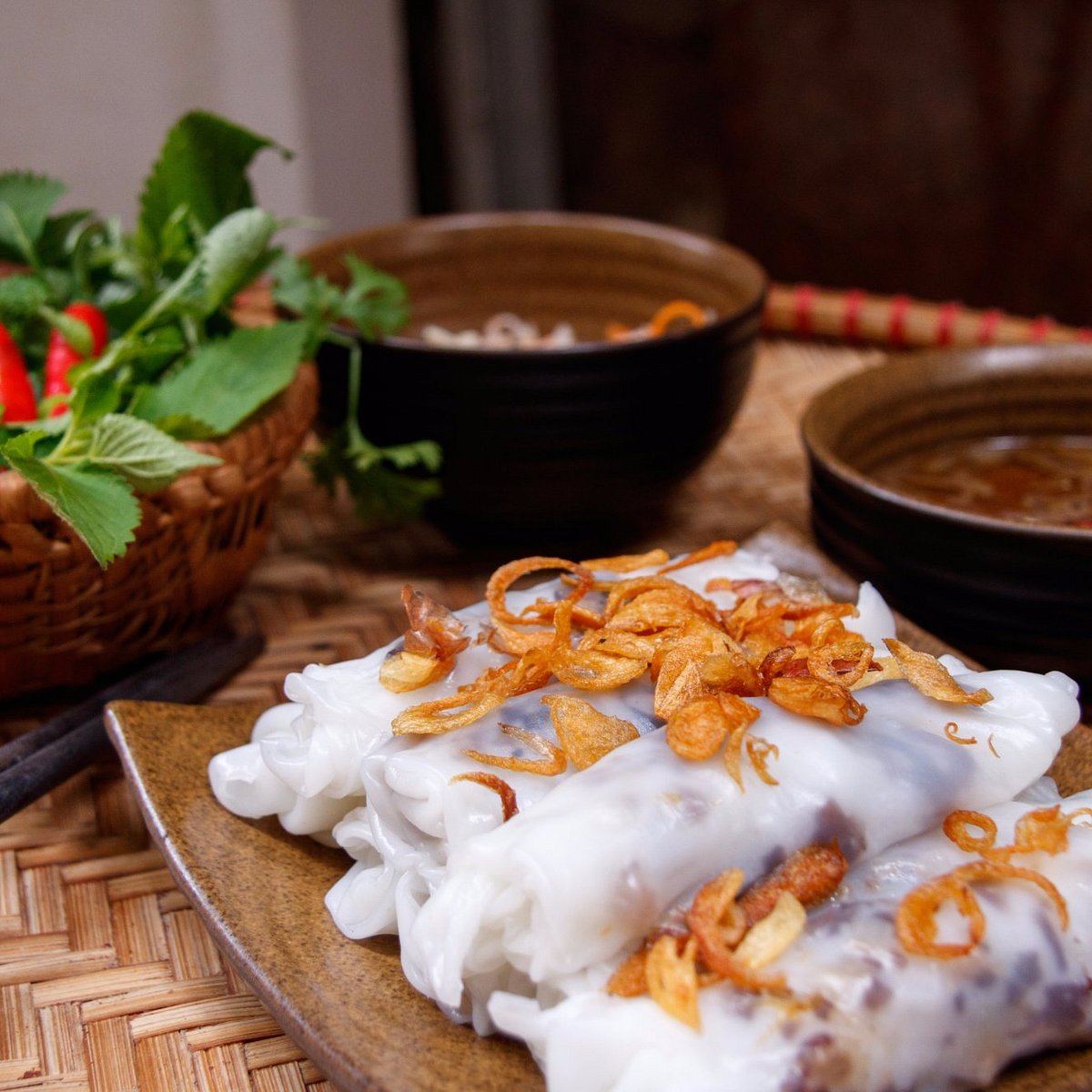
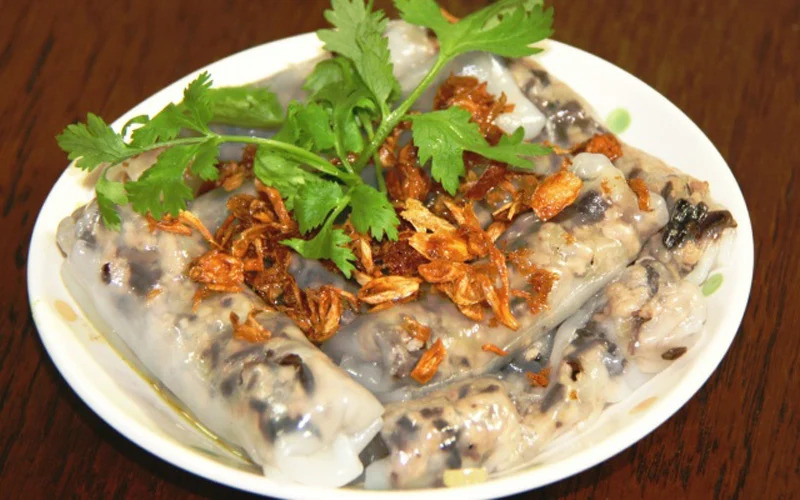
Banh cuon Hanoi is a delicate breakfast of thin steamed rice sheets, commonly filled with minced pork and wood ear mushrooms, then served with fried shallots, herbs, pork sausage and a balanced fish-sauce dressing. Behind its simple appearance lies a long-standing craft shaped by Thanh Trì heritage, precise steaming techniques and Hanoi’s preference for subtle, harmonious flavours. This guide explores the dish’s cultural origins, regional styles, preparation, tasting journey and accompaniments, with practical advice on what to order and where to find some of the best banh cuon in Hanoi. Read on to discover these Vietnamese steamed rice rolls and plan an authentic Hanoi breakfast.
Table of Contents
What is banh cuon Hanoi?
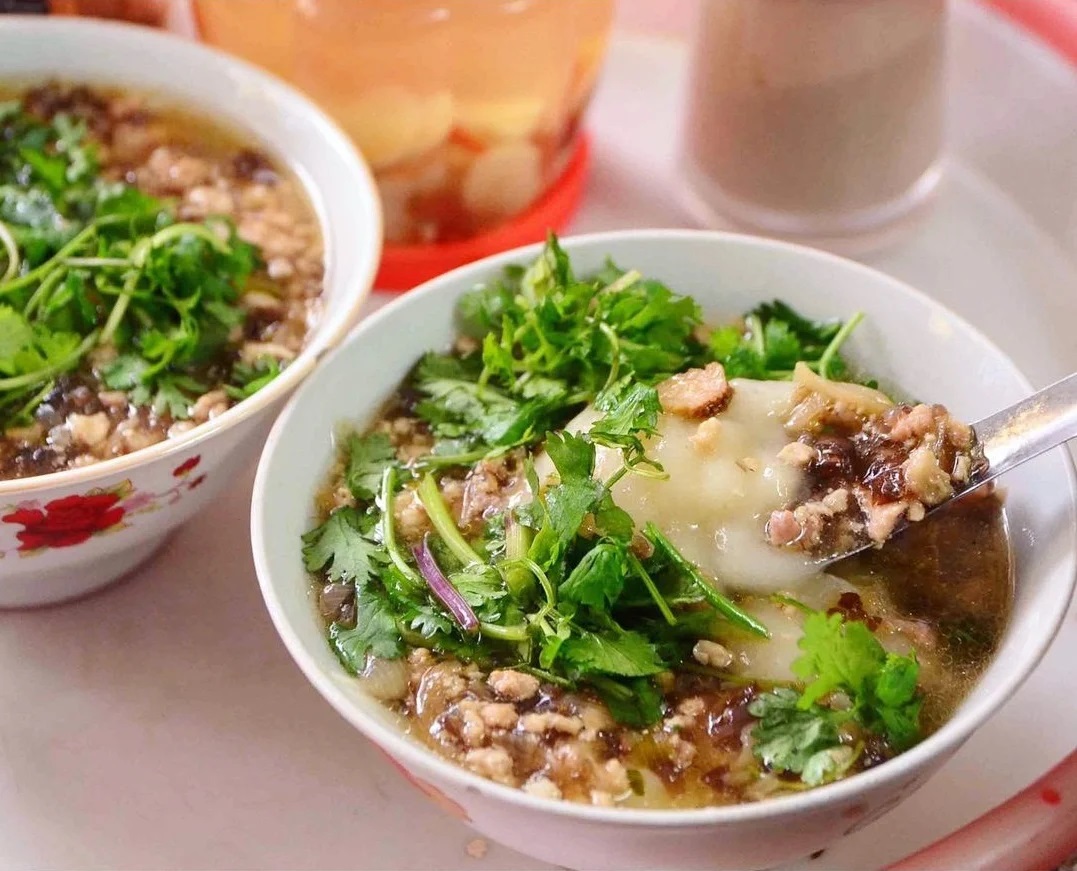
Bánh cuốn consists of thin rice sheets steamed over cloth and either served plain or wrapped around a savoury filling. In Hanoi, the filling commonly combines minced pork, wood ear mushrooms and fried shallots. The rolls arrive with a bowl of warm or room-temperature dipping sauce. Depending on the restaurant, the plate may also include coriander, fried shallots, cinnamon pork sausage, pork loaf, grilled pork or a softly steamed egg. Unlike spring rolls, bánh cuốn has no fried wrapper. Unlike fresh rice-paper rolls, the cook prepares each sheet from liquid rice batter immediately before folding it. The result feels softer, warmer and more fragile.
What makes banh cuon Hanoi different?
Bánh cuốn appears throughout Vietnam, but the Hanoi tradition values exceptionally thin sheets, a delicate rice aroma and restrained seasoning. This identity is most clearly expressed through Thanh Tri banh cuon, a long-standing Hanoi craft added to Vietnam’s National Intangible Cultural Heritage list and formally celebrated in March 2026.
Traditional Thanh Trì bánh cuốn comes in two forms: bánh cuốn lá, consisting of unfilled rice sheets folded into light layers and topped with fried shallots or scallion oil, and bánh cuốn nhân thịt, which wraps minced pork, wood ear mushrooms and shallots inside the soft wrapper.
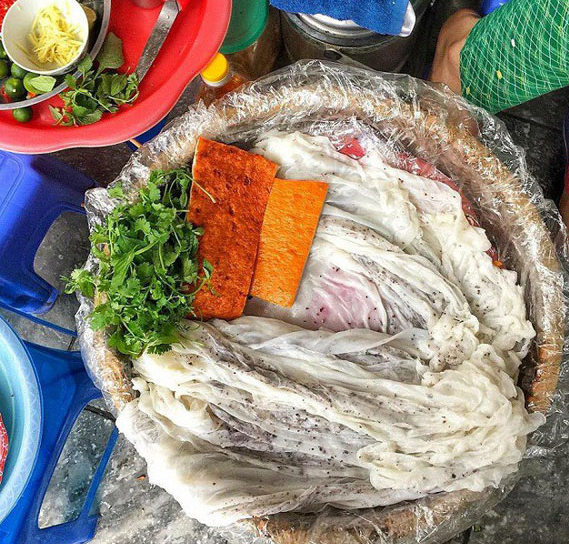
The first highlights the fragrance and quality of the rice, while the second adds savoury depth without overwhelming its delicate texture. Contemporary Hanoi restaurants may also offer egg, chicken or shrimp fillings, but the classic pork-and-mushroom version remains the most approachable introduction for first-time visitors.
How are Vietnamese steamed rice rolls made?
The technique behind banh cuon Hanoi begins before the cook heats the steamer. The texture of the finished roll depends on the rice, the amount of water and the consistency of the batter.
Preparing the rice batter
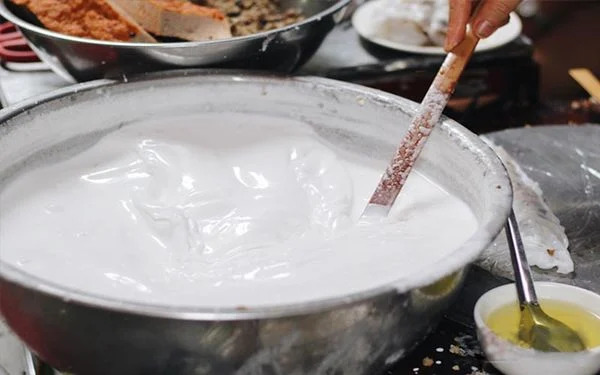
Traditional makers soak rice before grinding it with water into a smooth liquid. The batter must flow easily enough to form a thin layer, yet contain sufficient starch to hold together after steaming. A mixture that is too thick produces heavy sheets. Too much water makes them fragile and difficult to lift.
Steaming each sheet over cloth
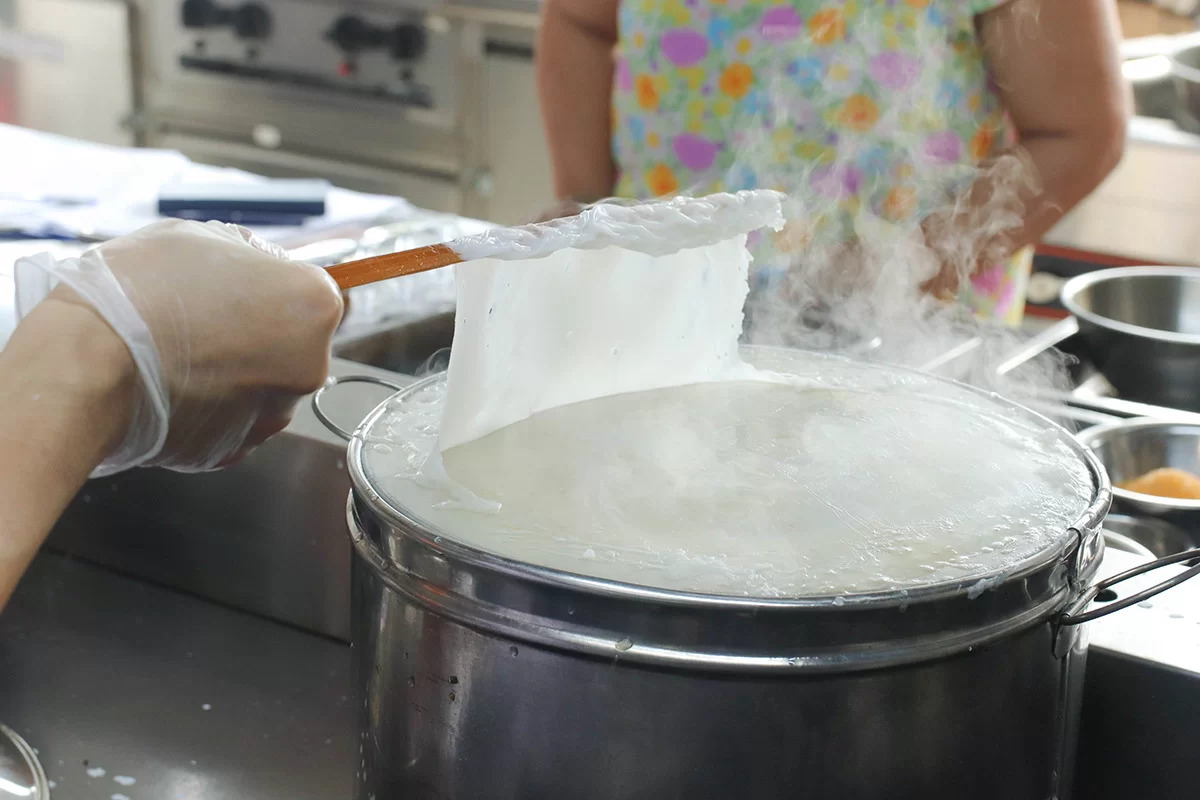
The cook stretches a fine cloth tightly over a pot of boiling water. She pours a small ladle of batter onto the surface and spreads it quickly into a thin circle. A lid traps the steam for several seconds. As the batter cooks, it changes from milky white to slightly translucent. The cook then slides a bamboo stick beneath the sheet, lifts it in one movement and lays it on an oiled tray or working surface.
Adding the filling without overwhelming the wrapper
For filled bánh cuốn, the cook places a narrow line of sautéed pork and mushrooms across the sheet before rolling or folding it. The filling should remain finely chopped and relatively dry. The cook then tops the finished rolls with fried shallots and herbs. From batter to plate, one serving may contain several sheets steamed individually to order.
Banh cuon dipping sauce completes the dish
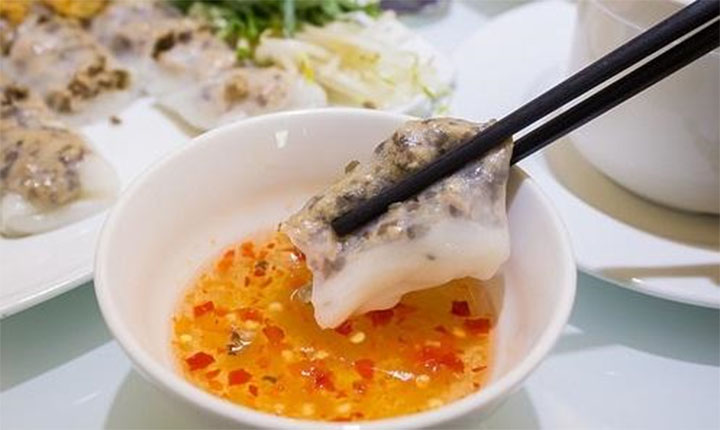
The banh cuon dipping sauce is usually lighter than the concentrated fish sauce placed on a dining table as a condiment. Cooks dilute fish sauce with water or broth, then balance it with sugar and vinegar or lime. The final sauce should taste savoury, gently sweet and lightly acidic. Chilli, garlic and kumquat may appear separately so diners can adjust their bowl.
Chả quế and cà cuống add distinctly Northern aromas
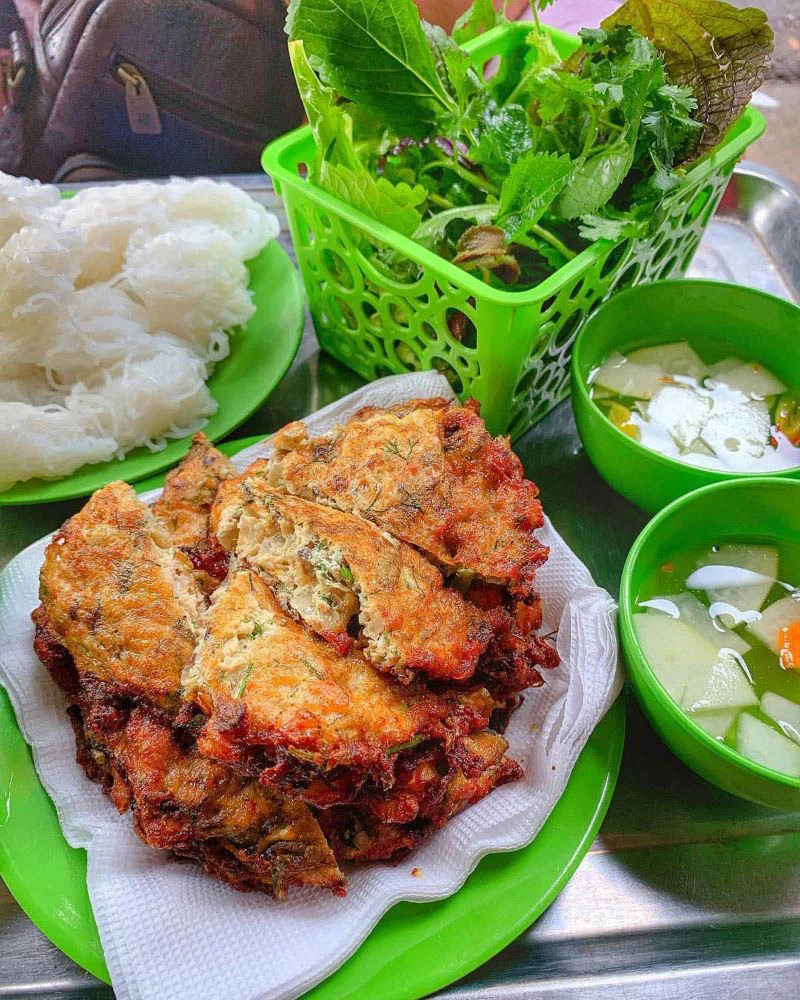
Many Hanoi restaurants serve bánh cuốn with chả quế, a smooth pork sausage scented with cinnamon. Its firmer bite contrasts with the soft rolls, while its warm aroma extends the flavour of the filling.
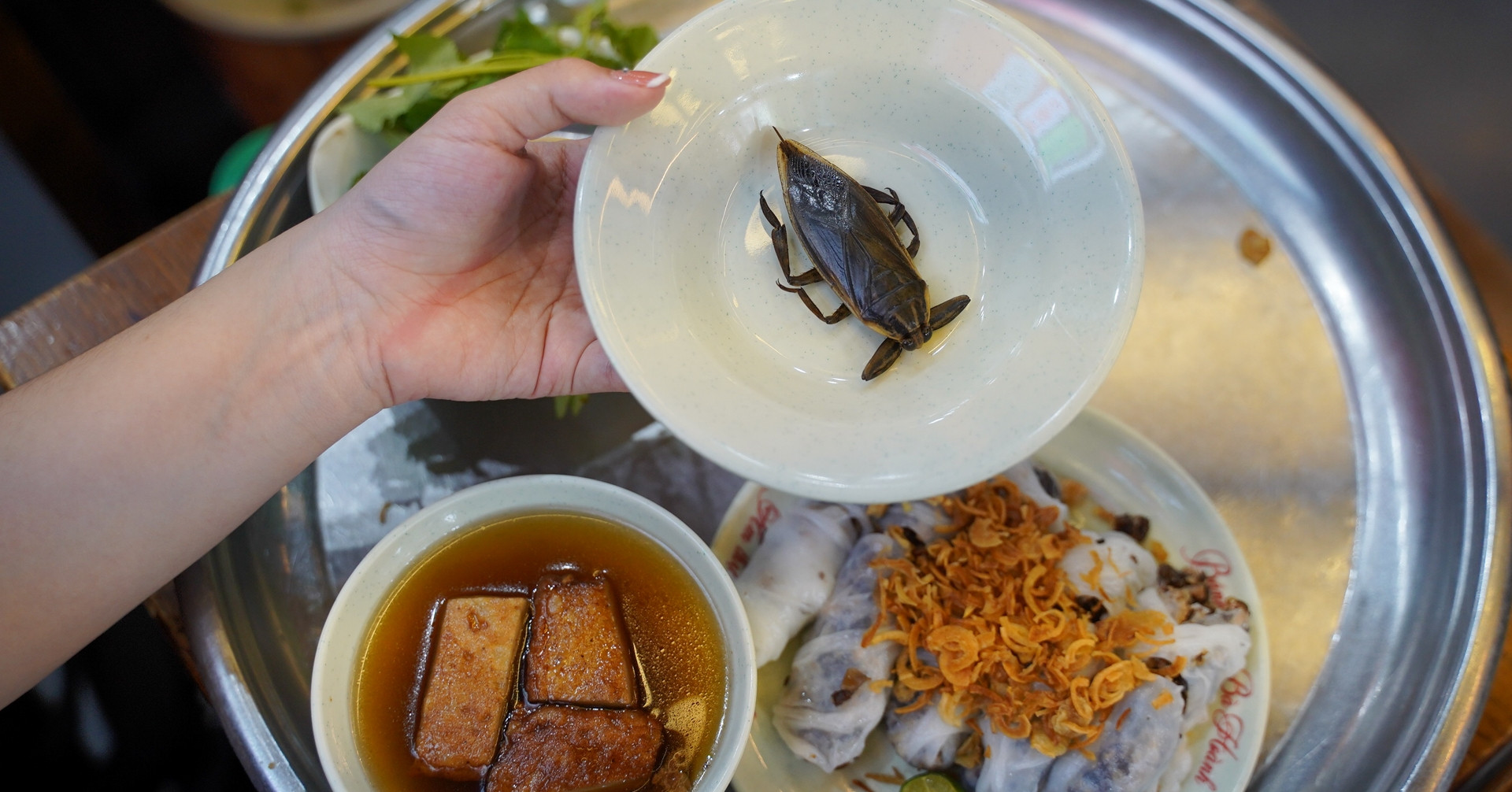
Some traditional shops also offer cà cuống, or giant water bug essence. A tiny amount produces an intense aroma that may suggest ripe fruit, cinnamon and something distinctly musky.
What does banh cuon Hanoi taste like?
The tasting journey begins with a smooth rice sheet, whose gentle sweetness gives way to the savoury warmth of pork and the light crunch of wood ear mushrooms. Fried shallots add crispness, coriander brings freshness and chả quế introduces a firm bite with a subtle cinnamon fragrance. The banh cuon dipping sauce completes the experience with a delicate balance of salt, sweetness and acidity. These Vietnamese steamed rice rolls feel soft, aromatic and satisfying without becoming heavy. Enjoy them as soon as they arrive, while the sheets remain tender and every texture stays distinct.
How to eat banh cuon like a local
Travellers learning how to eat banh cuon do not need to follow a complicated ritual. However, a few small choices make the texture and flavours easier to appreciate.
- Use chopsticks to separate one roll or folded sheet.
- Add a piece of chả quế or another side dish if provided.
- Dip the bite lightly into the sauce.
- Add herbs, garlic or chilli according to your preference.
- Eat the roll before the wrapper cools or absorbs too much liquid.
Taste the original sauce before changing it. Many shops already balance their sauce carefully, and adding chilli, lime or vinegar immediately may hide the rice aroma.
Where to eat banh cuon in Hanoi
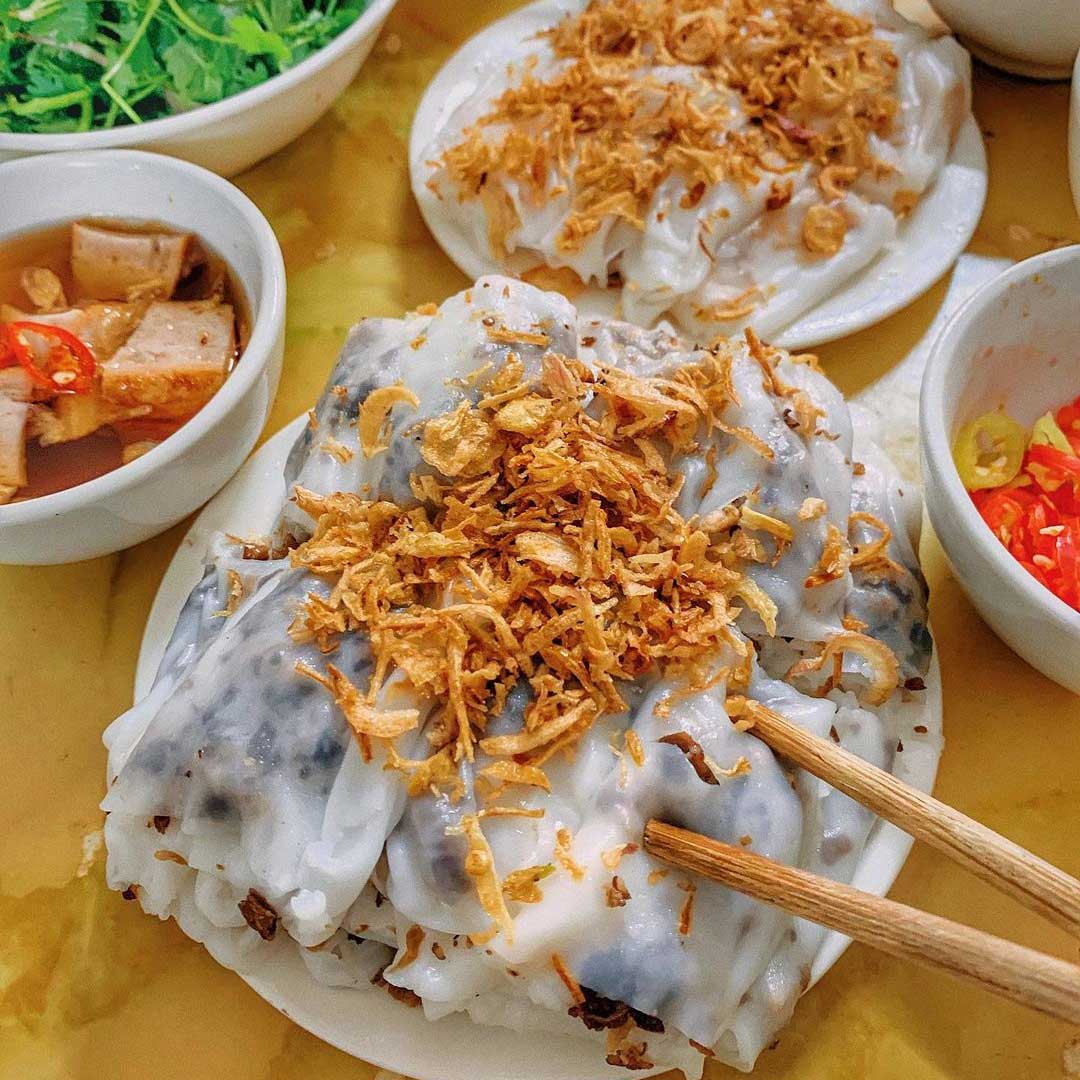
Searching for the single best banh cuon in Hanoi can be misleading because different shops specialise in different styles. One may focus on traditional Thanh Trì sheets, while another offers generous fillings or softly steamed eggs. The following Michelin-recognised restaurants provide three useful starting points. Prices and opening hours may change, so confirm them before making a special journey.
- Bánh Cuốn Gia Truyền Thanh Vân – 14 Hàng Gà: A convenient Old Quarter option serving pork, chicken, shrimp and egg fillings. Listed hours are 06:30–14:00 and 17:00–22:00, with prices starting at approximately VND 45,000.
- Bánh Cuốn Bà Hoành – 66 Tô Hiến Thành: Known for Thanh Trì-style plain sheets and pork-and-mushroom rolls, with chả quế, grilled pork and cà cuống available as extras. Listed hours are 06:00–21:00, and most portions cost VND 30,000–60,000.
- Bánh Cuốn Bà Xuân – 16 Dốc Hòe Nhai: A long-running family shop serving pork-and-mushroom rolls and bánh cuốn trứng with a soft yolk. Best for diners seeking a richer breakfast with sausage, herbs and house-made fried shallots.
Continue your Hanoi food journey at Chapter
After experiencing Hanoi breakfast food in a traditional setting, travellers can visit Chapter in the evening to see how contemporary techniques reshape local flavours, textures and memories. The two meals serve different purposes: bánh cuốn preserves a familiar morning ritual, while Chapter develops a chef-led tasting sequence around season and place.
For a wider itinerary, continue with Chapter’s guides to Hanoi breakfast and 24 hours in Hanoi for food lovers. For travellers looking beyond phở and bánh mì, these Vietnamese steamed rice rolls reveal a more subtle side of the capital.
_________
Chapter Dining
12C Chan Cam, Hoan Kiem, Hanoi
Mon – Sat from 18:00 – 23:00
Tel: +84 333 201 221 – Reserve a table
Email: reservation@chapter.vn