Every country has ingredients that may appear unfamiliar at first yet reveal something meaningful about its landscape and food culture. In Vietnam, one of the most intriguing examples lies beneath the tidal sands of the northern coast. Known as sa sung, this prized marine delicacy rarely appears in the finished dish. From the tidal flats of Quảng Ninh to the kitchen at Chapter, discover what makes sa sung Vietnam so distinctive and how an ingredient from the sea can deepen the warmth of a familiar bowl of chicken phở.
Table of Contents
What is Sa Sung Vietnam?
Sa Sung is a soft-bodied marine invertebrate commonly known in English as a peanut worm. Depending on the region, it may also be called sa trùng, trùn biển, địa sâm or con mồi. Unlike earthworms, sá sùng lives beneath sandy coastal flats shaped by the movement of the tides. Although it can be found in several areas along Vietnam’s coastline, Quảng Ninh is particularly well known for this unusual ingredient.
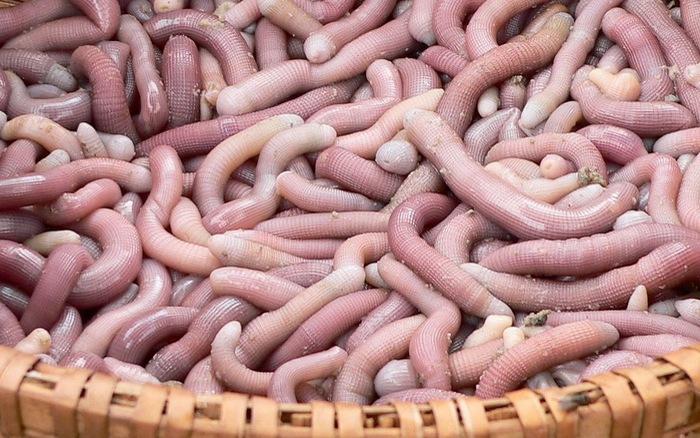
The island communities of Quan Lạn and Minh Châu in Vân Đồn have long been associated with its harvest. Here, sá sùng hides beneath layers of wet sand and emerges only through the knowledge and careful work of local harvesters. Fresh sá sùng has a pale, soft body with an internal cavity containing sand. Each one must be turned inside out and cleaned thoroughly before it can be cooked or dried.
The secret behind Sa Sung’s natural sweetness
The flavour of sá sùng is far gentler than its appearance might suggest. Once properly cleaned and prepared, it offers a mild natural sweetness followed by a broad, savoury finish.
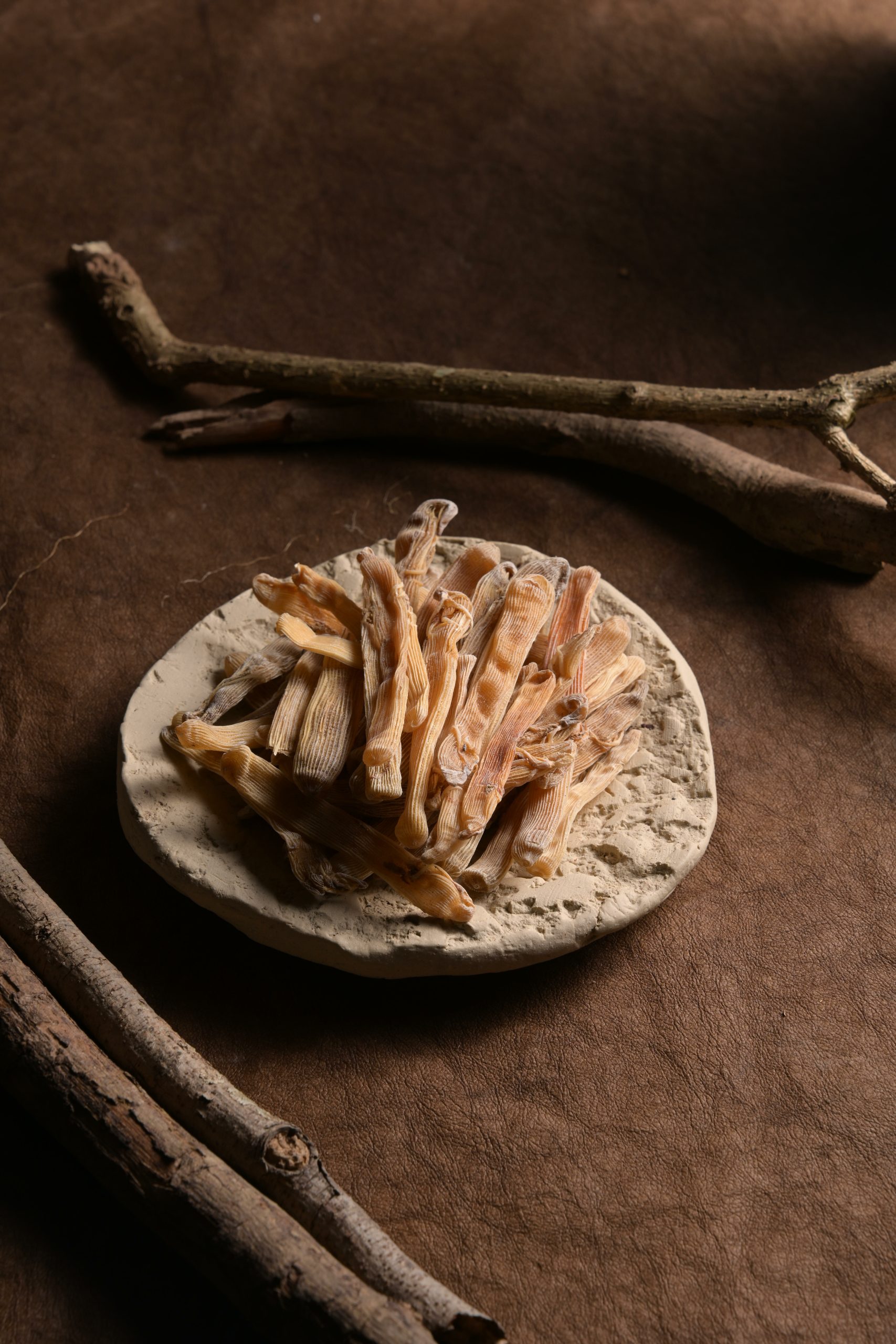
Dried sá sùng carries an aroma that may recall dried squid or cuttlefish. However, when used carefully in broth, it should not create an overpowering seafood taste. Instead, it supports the sweetness of bones and helps the finish linger more fully on the palate.
This quality is commonly described as umami. Yet its effect is easier to understand through taste: the broth feels rounder, its savoury character lasts longer and the flavours appear more connected.
Why Quảng Ninh Sa Sung is so highly prized
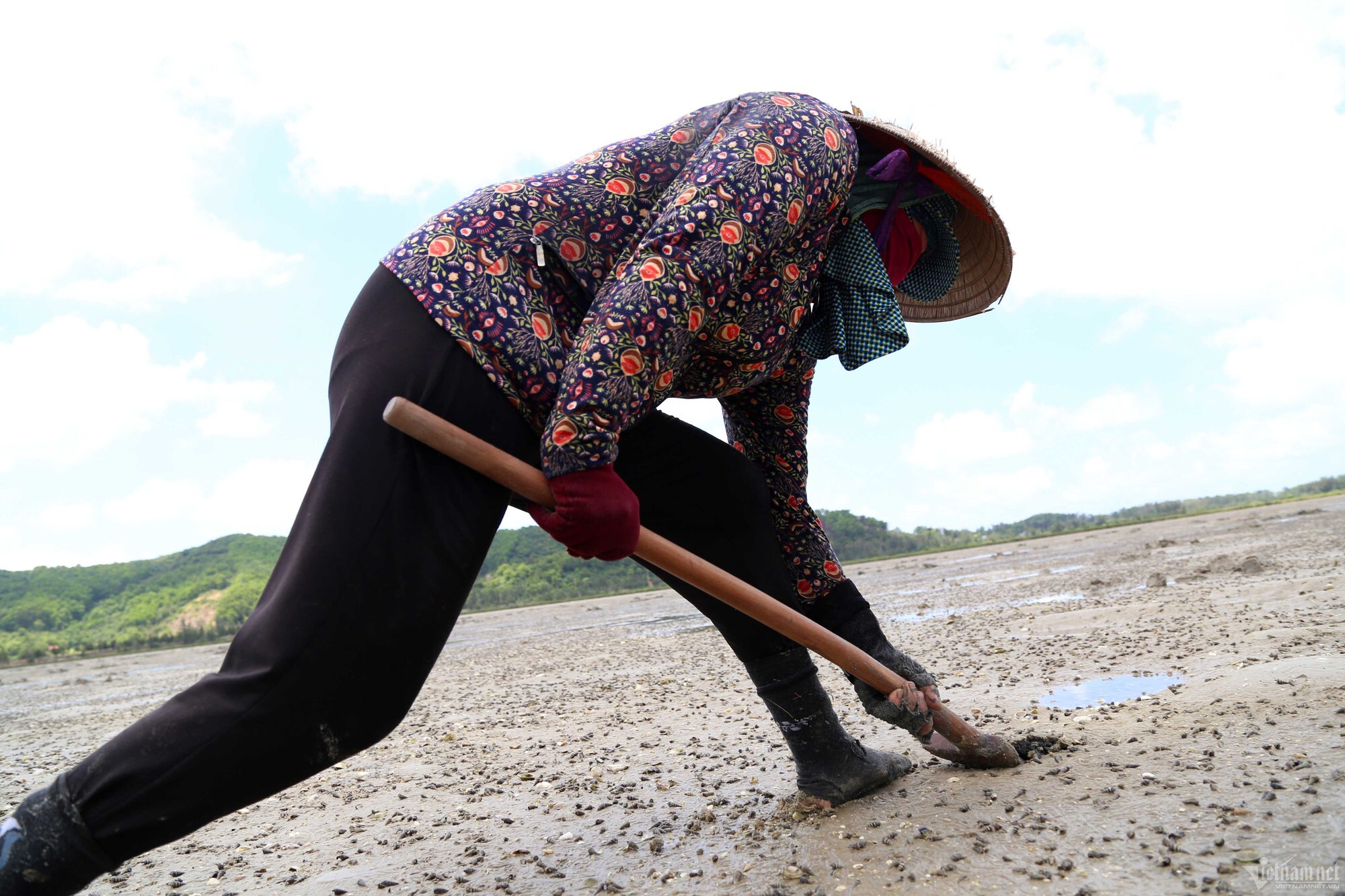
The value of sa sung Quảng Ninh begins with the difficulty of finding it. Harvesters enter the tidal flats when the water retreats, often early in the morning, and study the surface for marks left by the creatures hidden beneath the sand.
Locating sá sùng requires experience. Collecting it also demands speed and care, as it may retreat deeper into the sand or become damaged during the harvest. The work continues after the catch reaches shore. Every sá sùng must be cleaned individually to remove sand and internal matter without tearing its delicate body. Some are prepared fresh, while others are dried for longer preservation.
Its value therefore comes not only from limited availability. It also reflects the knowledge, timing and manual work required at every stage from reading the tide to preparing the ingredient for the kitchen.
From the Tidal Sands of Quan Lạn to the kitchen
Freshly harvested sá sùng carries the character of its coastal environment. Drying allows that character to travel beyond Quảng Ninh while concentrating the ingredient’s natural sweetness.
The process also changes its culinary purpose. Fresh sá sùng can become a dish in its own right, while the dried form often works quietly in the background, strengthening broths without remaining visible in the finished bowl.
This journey from tidal sand to stockpot explains why sá sùng is more than an unusual seafood. It represents the relationship between a particular landscape, the people who understand it and the cooking traditions that developed around its harvest.
Culinary mastery: How Sa Sung deepens Vietnamese Phở
Before dried sá sùng enters the stockpot, it may be toasted gently to develop its aroma and make any remaining sand easier to remove. It is then simmered slowly with bones, spices and other aromatics before being strained from the finished broth. When the balance is right, diners may never identify it as a separate ingredient. They simply notice that the broth tastes deeper, its sweetness feels more natural and the savoury finish remains for longer.
A Warm Beginning to Chapter’s Autumn Menu
A steaming bowl of chicken phở with a softly poached egg has long been a familiar beginning to a cool Hanoi morning. Chapter draws from this memory when placing the course near the opening of its autumn tasting menu.
The broth first welcomes the palate with clarity and warmth. Sá sùng and chicken bones then introduce greater depth, while lime leaves and fresh herbs keep the aroma light.
For international travellers, the dish reveals details that may be overlooked in an everyday bowl of phở: the pleasure of adding egg, the contrasting textures of different chicken cuts and the quiet role of sa sung viet nam. For Vietnamese diners, it may recall something more personal, the fragrance of broth rising from the table and the warmth of a breakfast that has begun countless mornings before.
How Chapter elevates Sá Sùng in fine dining
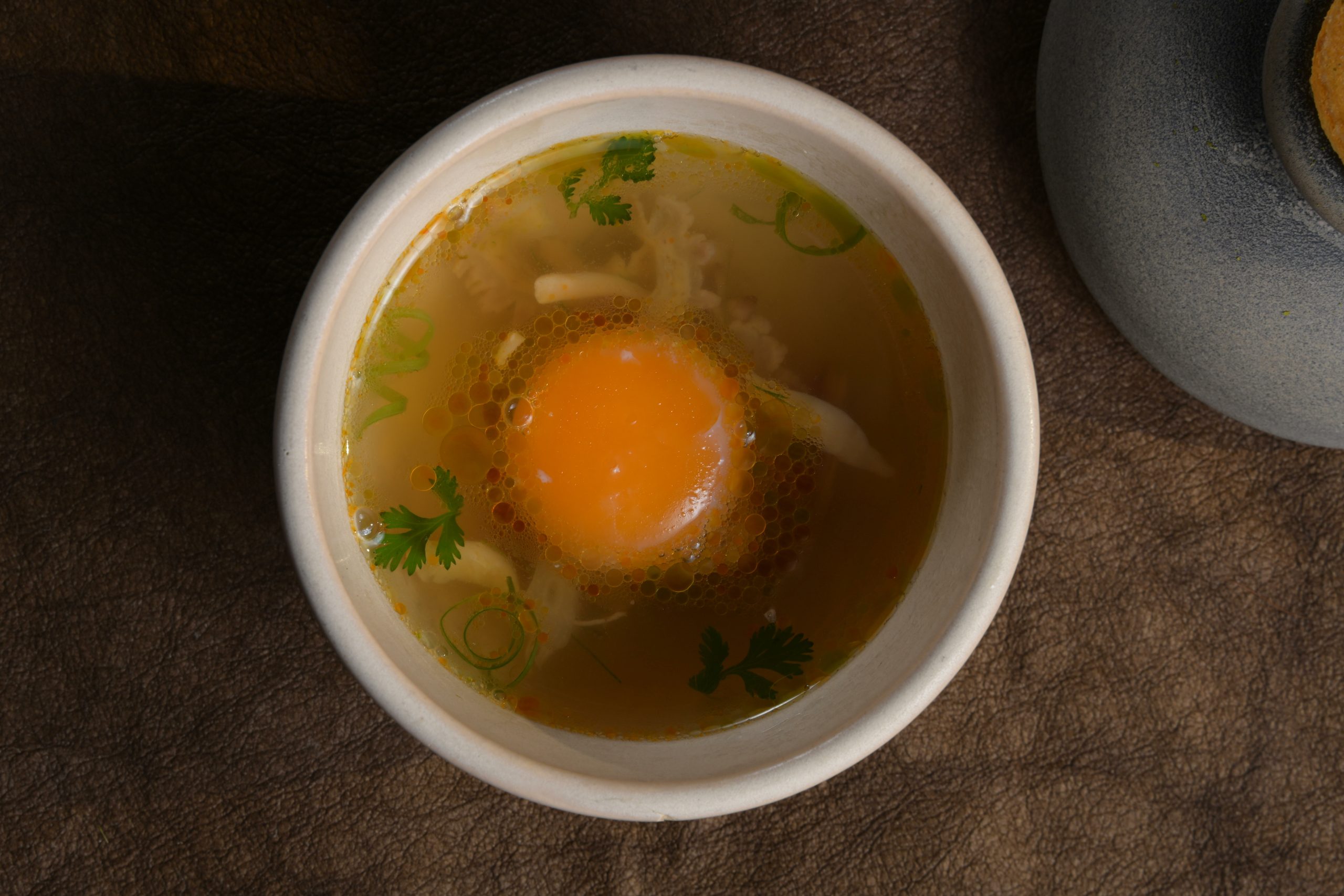
At Chapter, sá sùng appears in Chicken Phở with Egg Yolk and Đông Tảo Chicken Feet. It is not presented as a visual centrepiece. Its importance lies in the flavour it gives to the broth.
The kitchen slowly simmers dried sá sùng with chicken bones, allowing their sweetness to develop while keeping the liquid clear and composed. Scallions, coriander and lime leaves bring freshness to the aroma without covering the deeper flavour beneath them.
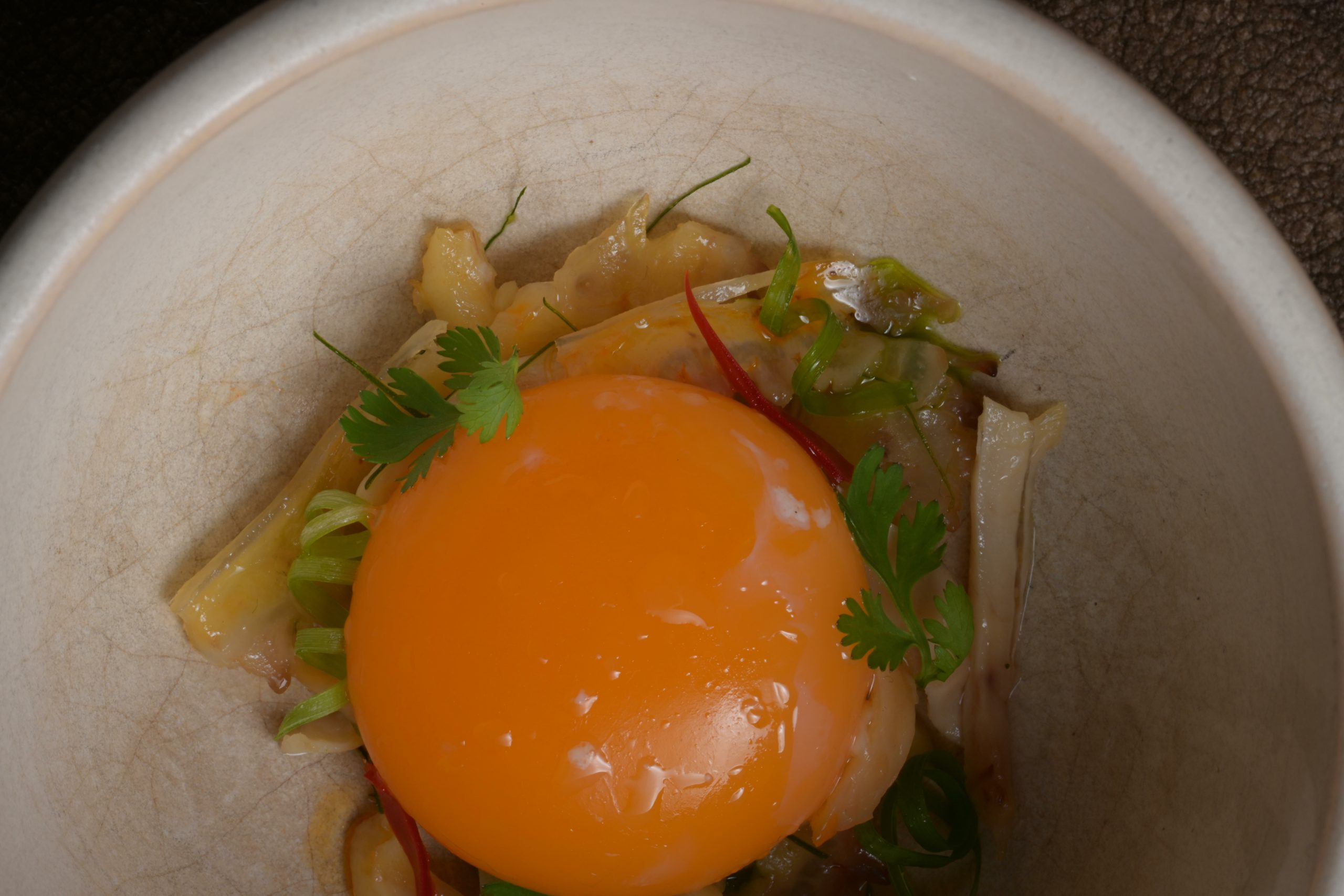
At the centre of the course is the yolk of eggs, the first eggs laid by young hens. Chapter confits the yolk at 63°C for one hour, creating an even, custard-like texture inspired by the familiar pleasure of ordering a poached egg with phở.
Dong Tao chicken from Hưng Yên completes the dish. Its meat brings clean poultry sweetness, while the breed’s distinctive feet offer a firm, lightly crunchy texture that contrasts with the delicate broth and smooth egg yolk. The result does not imitate a street-side bowl. Instead, Chapter preserves its most recognisable sensations and allows each one to appear at a more deliberate pace.
Final thoughts
Sá sùng demonstrates how Vietnamese cuisine can create remarkable depth from an ingredient that remains almost invisible. Its story begins beneath the tidal sands of Quảng Ninh, continues through patient harvesting and preparation, and reaches the table as a lingering sweetness in a clear broth.
At Chapter, this coastal ingredient meets Đông Tảo chicken and confit egg yolk in a course. It feels refined without losing the comfort of Hanoi phở. The dish reflects the restaurant’s approach to contemporary Vietnamese cuisine: preserve the memory, respect the ingredient and allow precise technique to reveal something new.
Explore the current Chapter Dining menu and reserve your table to experience how sá sùng gives one of Vietnam’s most familiar dishes a quieter, deeper expression.
________
Chapter Dining
12C Chan Cam, Hoan Kiem, Hanoi
Mon – Sat from 18:00 – 23:00
Tel: +84 333 201 221 – Reserve a table
Email: reservation@chapter.vn