The first spoonful of bun moc suon chua brings together savoury pork broth and a gentle sourness. Then come tender ribs, springy pork meatballs and soft rice noodles. For visitors exploring Hanoi beyond phở, this comforting bowl offers another way to discover Northern Vietnamese food. Yet the appeal goes beyond its ingredients. The pleasure lies in how the broth connects them. This guide explains what makes the dish distinctive, how to order your first bowl, and two Hanoi addresses to consider.
Table of Contents
What is bun moc suon chua?
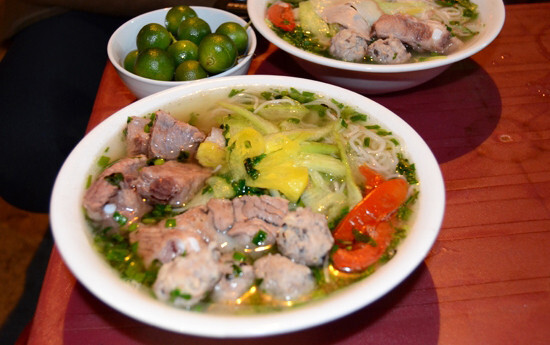
Bun moc suon chua is a rice noodle soup combining pork ribs and pork meatballs in a tangy broth. Depending on the recipe, the bowl may also contain tomatoes, mushrooms, herbs and dọc mùng, a vegetable with pale green, spongy stalks.
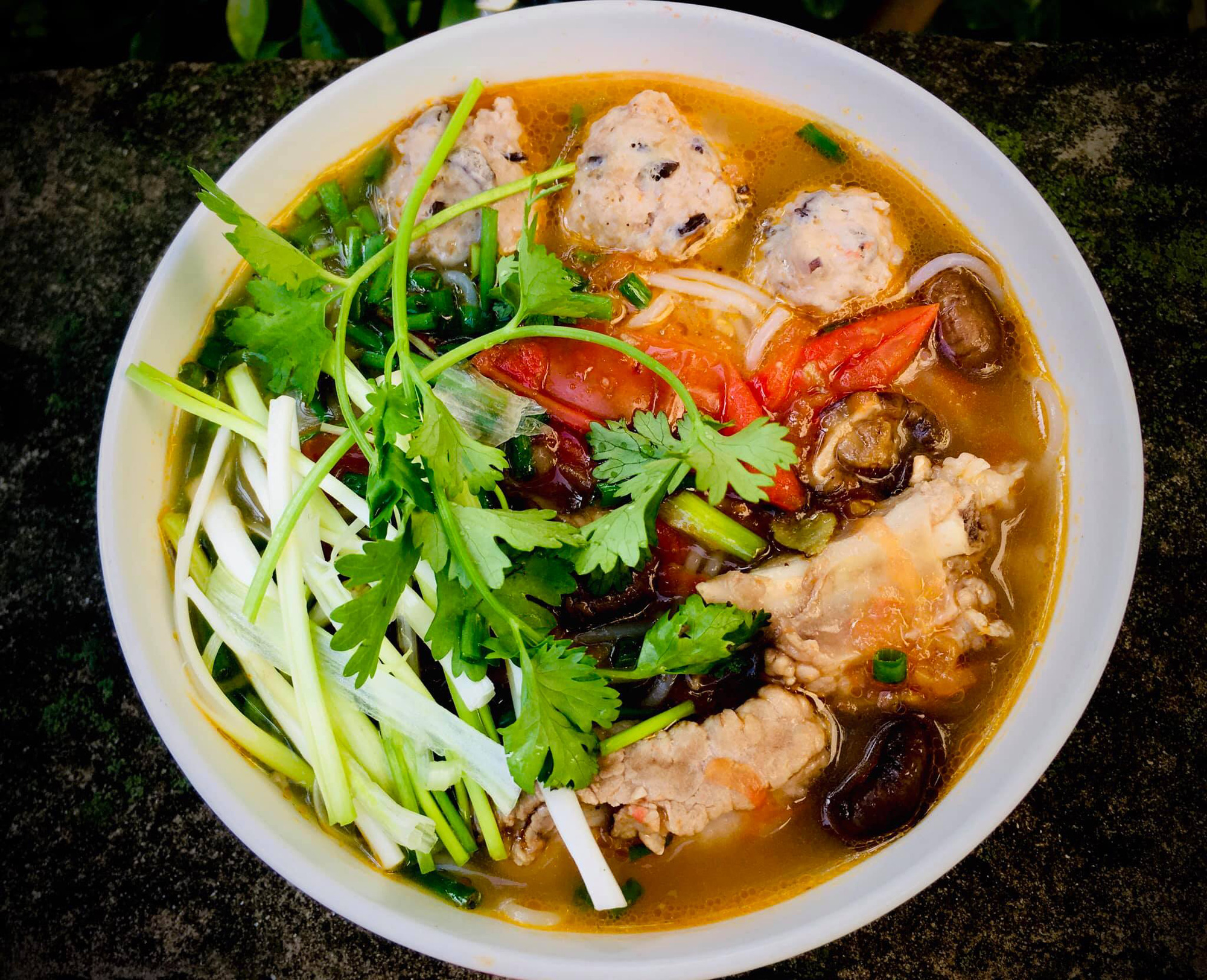
The meatballs distinguish it from a simple pork rib noodle soup. Cooks shape them from giò sống, a smooth raw pork paste. Some versions include chopped wood ear mushrooms, which add texture. Meanwhile, simmered ribs give the broth its savoury foundation. A souring ingredient brings brightness, balancing the richness of the pork.
There is no single formula for every bowl. One kitchen may use sấu and tomatoes, while another includes pineapple. These variations are part of the experience, rather than signs that one version is necessarily more authentic.
What gives the soup its distinctive flavour?
A gentle sourness that balances the pork
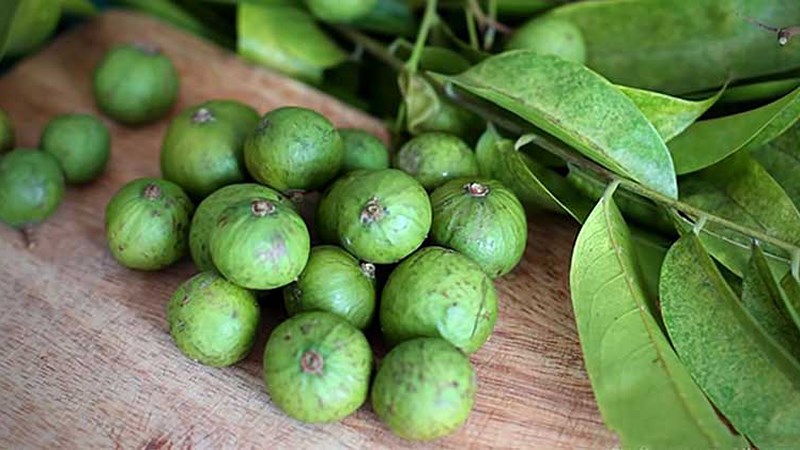
The word “sour” can make first-time diners expect a sharp broth. However, the aim is balance: enough acidity to lift the pork flavour without overwhelming it. One version uses sấu, a sour fruit closely associated with Northern Vietnamese cooking. Tomatoes contribute another layer of acidity and colour. Other recipes use different combinations, so the flavour can change noticeably between kitchens.
Tender ribs and springy pork meatballs
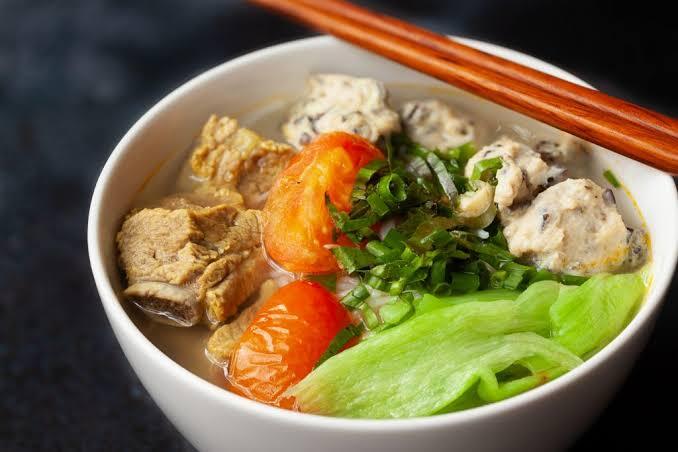
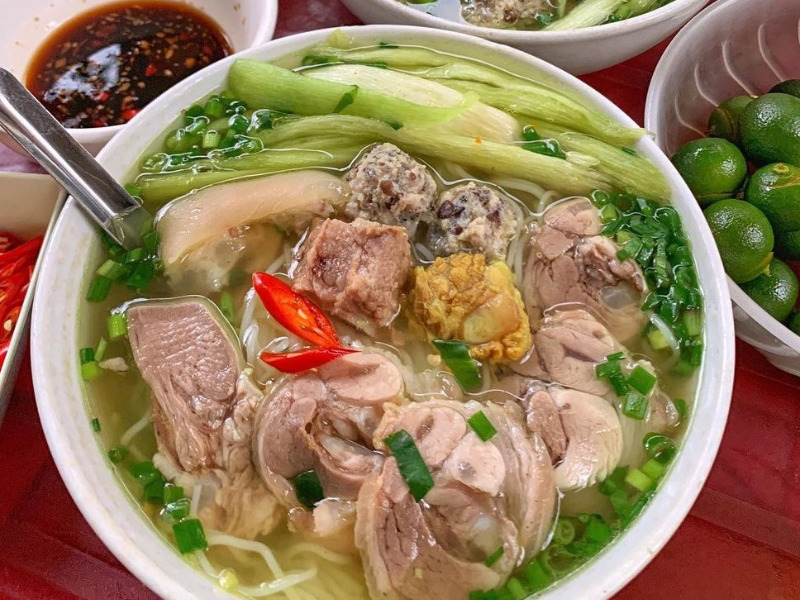
The two pork toppings offer different pleasures. Ribs bring meat you can gently pull from the bone. Mọc provides a more even, springy bite, sometimes interrupted by small pieces of mushroom. Try each topping separately before eating them with the noodles. You will notice how their textures change the same spoonful of broth.
Soft noodles and vegetables that hold the broth
Rice vermicelli forms the base, but the vegetables can be just as memorable. In versions containing dọc mùng, the porous stalks absorb broth while offering a different texture from the noodles. Tomatoes soften into the soup, while chopped herbs add freshness. A Northern-style recipe combining ribs, pork paste, wood ear mushrooms, tomatoes, sấu and dọc mùng shows how these ingredients work together. No single topping needs to dominate the bowl.
A familiar bowl in Hanoi’s everyday food culture
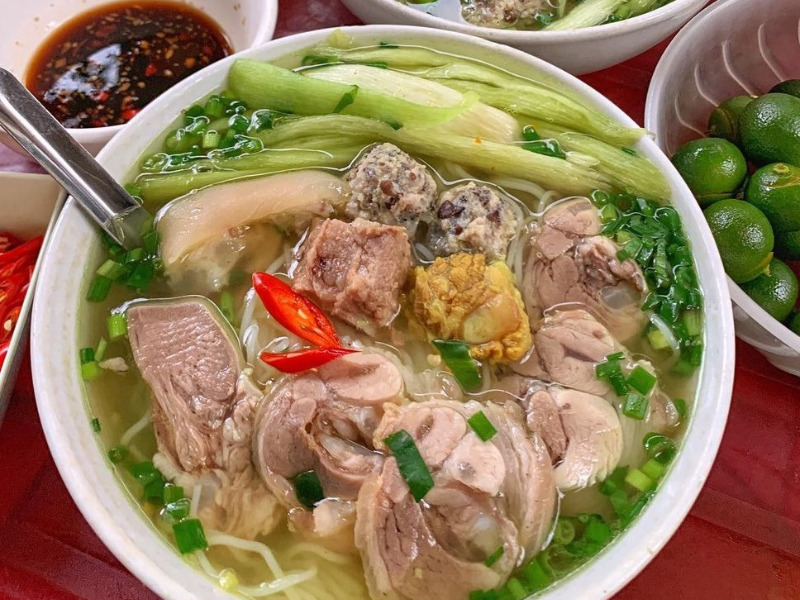
Bun moc suon chua can be eaten for breakfast, lunch or dinner, depending on when a shop serves it. Its appeal also reaches beyond street stalls. Vietnamese food writing connects the combination of ribs, tomatoes, dọc mùng and pineapple with home cooking. For a visitor, this makes the dish an opportunity to explore everyday tastes rather than follow only the best-known names.
Where to try bun moc suon chua in Hanoi
For this particular dish, begin with shops specialising in sour pork rib noodle soup. A general bún mọc shop may serve a different broth, so check the menu rather than relying on the name alone. The following two addresses offer starting points for exploring Hanoi’s sour noodle soups.
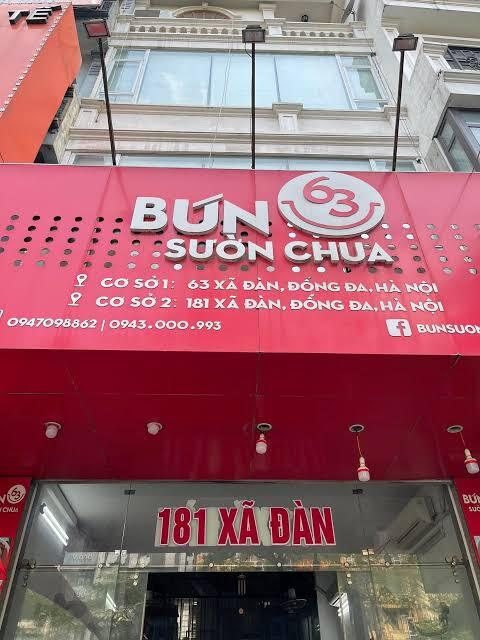
Bún Sườn Chua Xã Đàn
Address: 181 Xã Đàn, Hanoi.
Bún Sườn Chua Xã Đàn is a relevant stop if you want to explore the sour-broth style. Published descriptions mention a tangy broth alongside pork toppings, including ribs and mọc. Some also note pineapple, giving diners another version to compare with sấu-based recipes. When ordering, ask for a bowl with both ribs and pork meatballs. This keeps your first visit focused on the combination that defines bun moc suon chua.
Bún Sườn Chua – Số 8 Phạm Ngọc Thạch
Listed address: 8 Phạm Ngọc Thạch, at the entrance to the former Alley 97, Hanoi.
This shop is another address to consider when exploring sour pork rib noodles. Its ShopeeFood listing includes the older alley reference, which is useful when searching for the location. Before ordering, confirm that mọc is available and ask which toppings come with the standard bowl. If you visit both addresses, order a similar combination at each. Comparing ribs, meatballs and broth makes the differences easier to appreciate.
Bún Móng Sườn Mọc Hàng Gà: A gently sour bowl in the Old Quarter
Listed address: Opposite 25 Hàng Gà, Hanoi.
This Hàng Gà noodle stall offers another variation to explore in the Old Quarter. Diners describe a lightly sour broth with dọc mùng and a choice of pork toppings, including ribs, mọc, tongue and trotters. Order ribs and pork meatballs for a bowl closest to bun moc suon chua. Taste the broth before adding condiments, then alternate between the noodles, meatballs and rib meat.
Discover Northern Vietnamese food through one bowl
Bun moc suon chua rewards attention to small details: the sourness of the broth, the texture of the meatballs, and the tenderness of the ribs. You do not need to recognise every ingredient before enjoying it. Start with the broth, choose a simple combination, and let the bowl introduce itself.
For more stories behind Vietnamese ingredients and everyday dishes, continue exploring Chapter’s Food Culture. Each dish offers another perspective on the flavours that make eating in Hanoi so memorable.
________
Chapter Dining
12C Chan Cam, Hoan Kiem, Hanoi
Mon – Sat from 18:00 – 23:00
Tel: +84 333 201 221 – Reserve a table
Email: reservation@chapter.vn