A leaf that smells of citrus and lemongrass, growing wild in the mountains of Northern Vietnam. Clausena, known locally as mắc mật, has long flavoured roast duck and pork in Lạng Sơn and Cao Bằng, and it sits on the Chapter menu beside the wild duck. This is the story of the wild spice of the north.
Table of Contents
- 1 What is clausena and where does it grow in Northern Vietnam
- 2 What does clausena taste and smell like
- 3 How clausena leaves are used in Northern Vietnamese cooking
- 4 “Vịt quay lá mắc mật” and the roast duck tradition of “Lạng Sơn”
- 5 Where Clausena sits on the Chapter menu beside wild duck and duck sausage
What is clausena and where does it grow in Northern Vietnam
In the dense mountain forests of the northeast, clausena Vietnam flourishes as a wild aromatic tree whose leaves and small fruits serve as essential indigenous spices. Locally referred to as mắc mật—a name translating to “sweet fruit” or “honey fruit” in regional dialects—this botanical treasure is an indispensable element in traditional ethnic cookery.
Clausena indica as the wild tree of the northern mountains
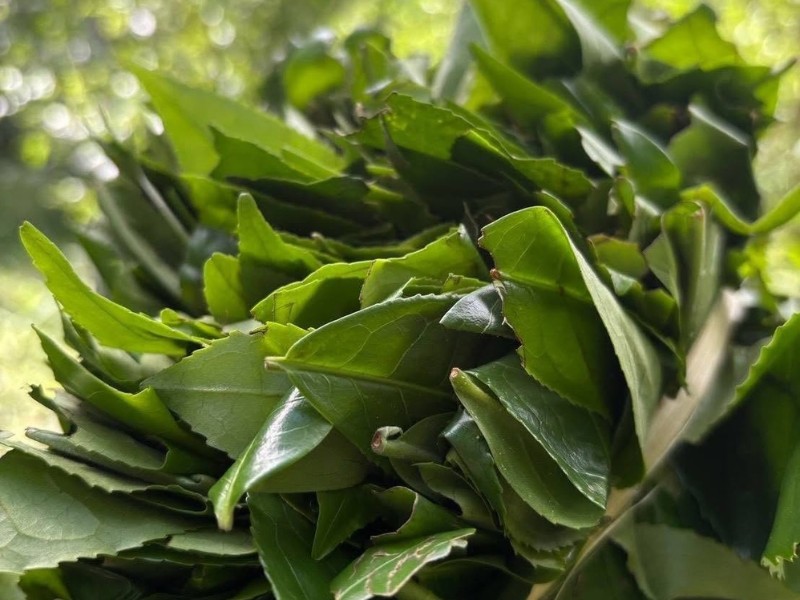
Scientifically known as Clausena indica, this evergreen shrub belongs to the Rutaceae family, making it a distant relative of citrus species. Indigenous to the karst limestone hills of provinces like Lạng Sơn and Cao Bằng, the plant thrives in cool, rocky mountain climates. Both its glossy green leaves and small round berries contain aromatic essential oils that give northeastern Vietnamese cuisine its signature fragrance.
How the “Tày” and “Nùng” peoples built dishes around “mắc mật”
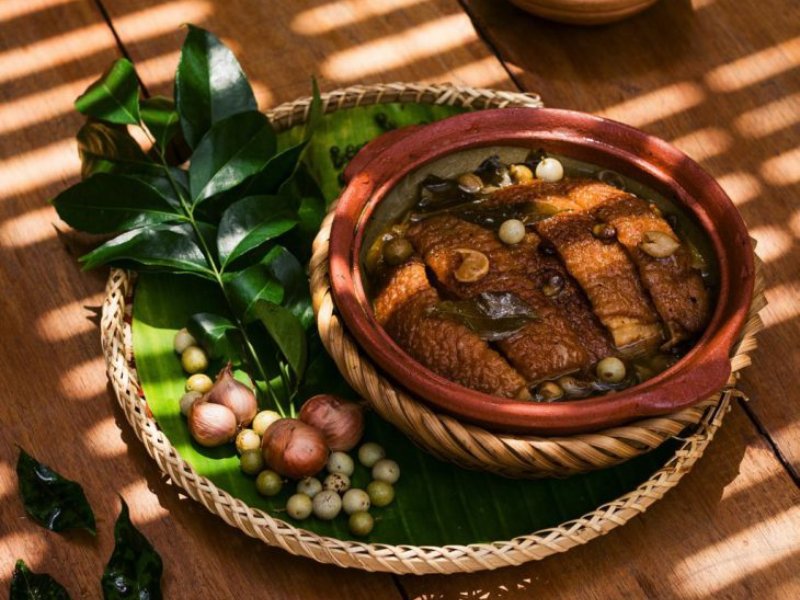
For generations, the indigenous Tày and Nùng communities of Northern Vietnam have harvested mắc mật from wild forests. Rather than using it merely as a garnish, regional cooks built iconic preparations around the leaf’s intense fragrance, pairing it with game, waterfowl, and fatty meats to balance richness with mountain freshness.
What does clausena taste and smell like
To crush a fresh leaf of clausena Vietnam between your fingers is to release a complex sensory bouquet. The aroma opens with bright notes of wild lemongrass and sun-warmed citrus peel, followed by a subtle resinous, pine-like undertone. On the palate, mắc mật offers a gentle tangy sweetness and a warm herbal astringency that cuts through heavy animal fats, allowing diners to enjoy rich proteins without feeling weighed down.
How clausena leaves are used in Northern Vietnamese cooking
In northeastern culinary traditions, mắc mật is utilized across multiple stages of cooking, serving as both an internal aromatic infuser and a finishing seasoning.
Clausena leaves stuffed into duck and pork before roasting
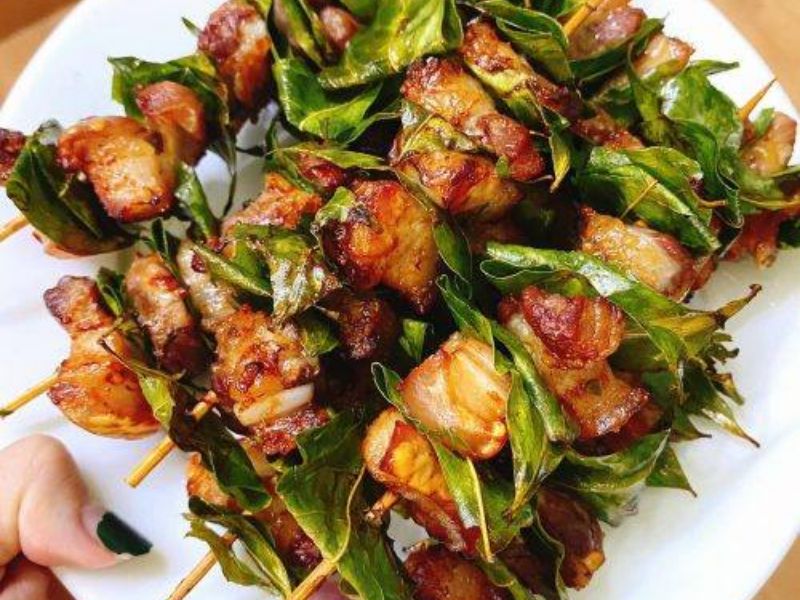
The classic Northern technique involves finely mincing fresh leaves and stuffing generous amounts inside poultry or whole pigs before charcoal roasting. In the famed roast pork preparations of Lạng Sơn, cooks often blanch the leaves briefly to soften their initial pungent bite before blending them with dried onions, garlic, and local spices. As heat permeates the meat, the trapped leaves release essential oils inward, perfuming the flesh from within.
Why Clausena suits rich meats such as duck
Culinary tradition holds that the concentrated aromatic compounds within Clausena indica possess natural neutralizing qualities. When paired with waterfowl, the bright essential oils in mắc mật help temper the gamey notes of duck, replacing heavy odors with a clean, woody citrus perfume.
Clausena fruit braised with pork or fish and preserved with bamboo shoots
Beyond its leaves, the pea-sized fruit of mắc mật plays a vital role in regional home kitchens. When fresh, the sour-sweet berries are braised alongside pork belly or freshwater fish. During peak harvest seasons, local villagers also preserve the berries with wild bamboo shoots, garlic, and fresh chilies in light brine, creating a tangy condiment enjoyed throughout the year.
“Vịt quay lá mắc mật” and the roast duck tradition of “Lạng Sơn”
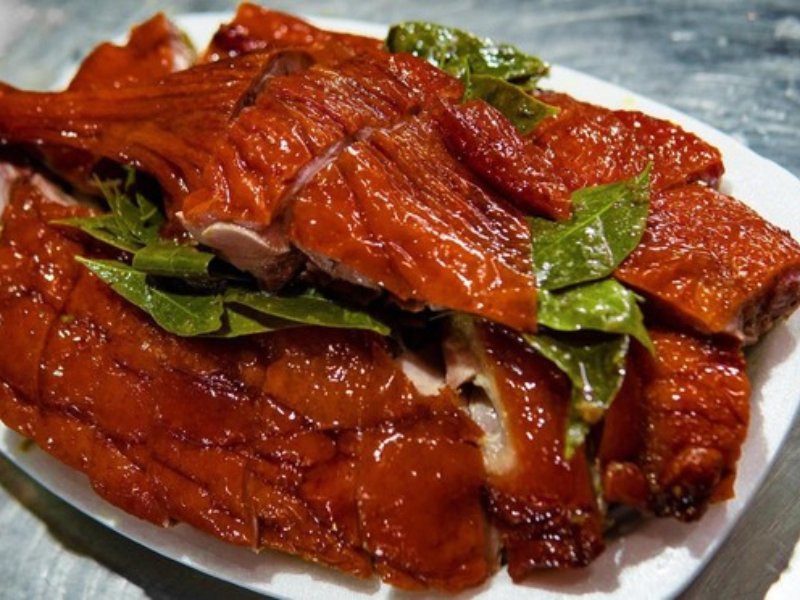
Among the culinary landmarks of the northeast, vịt quay lá mắc mật stands as the definitive expression of roast duck Lạng Sơn. Made famous by Tày and Nùng cooks, the dish relies on whole ducks marinated with ground mắc mật leaves and roasted over glowing charcoal. The skin is brushed with wild mountain honey, creating a crisp, golden-amber crust that seals in the aromatic, herb-infused juices beneath.
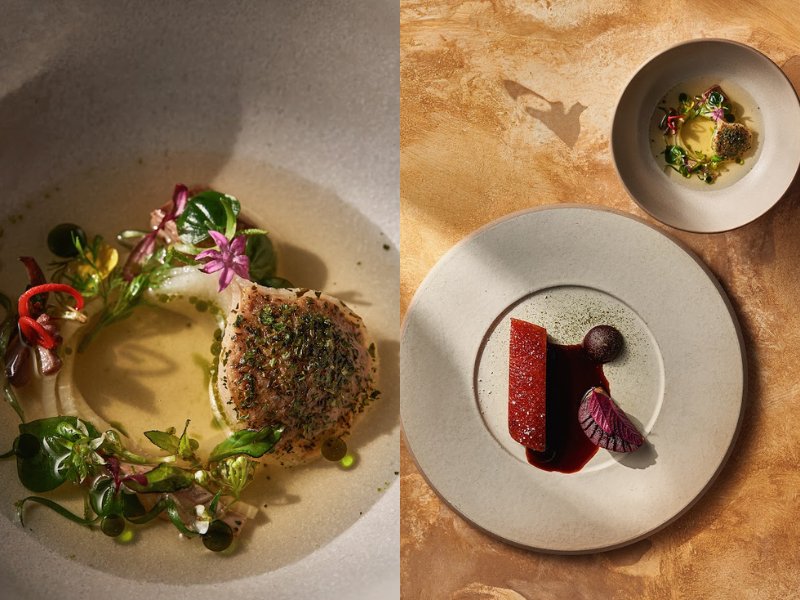
On Chapter’s curated autumn menu, the kitchen accords mắc mật equal dignity beside prime proteins, listing the course simply as Wild duck – Duck sausage – Clausena. By treating this mountain spice as a distinct core component rather than a background seasoning, the dish honors indigenous Northern heritage.
Here, the wild herb links the tender roasted wild duck breast with the rich, savory depth of duck sausage. Its bright citrus-resin notes cut through the dark meat, creating an authentic bridge between rural mountain tradition and contemporary gastronomy.
We invite you to experience this thoughtful tribute to Northern Vietnam’s wild foodways at Chapter Hanoi.
________
Chapter Dining
- 12C Chan Cam, Hoan Kiem, Hanoi
- Mon – Sat from 18:00 – 23:00
- Tel: +84 333 201 221 – Reserve a table
- Email: reservation@chapter.vn