A tasting menu is a meal told in many small chapters, and the glass beside each course changes how the narrative unfolds. Whether you choose a classic wine-pairing tasting menu or an artisanal non-alcoholic pairing, the goal remains the same: a thoughtful beverage that follows and enhances the food. As fine dining evolves in Vietnam, deciding between wine and zero-proof pairings comes down to personal preference, mood, and pace. Here is how to choose the pairing style that best suits your evening during a tasting menu Hanoi experience.
Table of Contents
- 1 What is a wine pairing tasting menu and how it enhances the meal
- 2 What is a non-alcoholic pairing in contemporary fine dining
- 3 Comparing a wine pairing versus a non-alcoholic pairing for a tasting menu
- 4 How to choose between a wine pairing and a non-alcoholic pairing
- 5 Experiencing wine pairing and non-alcoholic pairing at Chapter Hanoi
Before exploring modern alternatives, it is essential to understand why wine pairing has long served as the gold standard in multi-course dining.
How a wine pairing follows the rhythm of individual courses
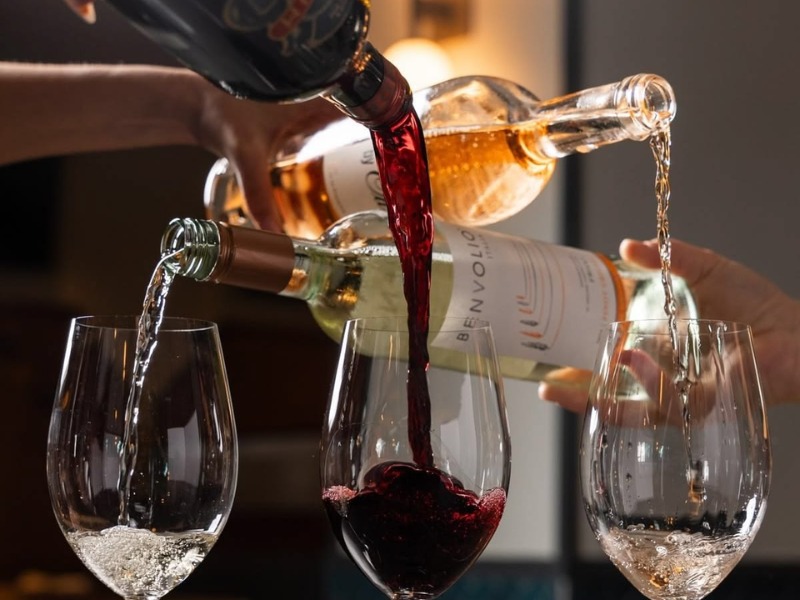
In a traditional tasting menu, each wine pour is selected to complement a specific dish based on acidity, body, sweetness, and structural weight. When a sommelier pairs a rich, fatty course—such as pan-seared fish or marbled beef—with a vibrant, high-acidity white wine or a structured red, the crisp acidity cuts through the richness of the food. This harmonious interplay cleanses the palate after every bite, ensuring that each new forkful tastes as fresh and expressive as the first.
What a traditional wine pairing adds to the dining experience
Beyond taste alone, a wine pairing introduces warmth, aromatic depth, and a sense of progression across the evening. As the kitchen transitions from delicate cold appetizers to robust warm proteins, the wines shift accordingly—from crisp sparkling and mineral-driven whites to complex reds and luscious dessert wines. This curated sequence creates an evolving dialogue between the kitchen and the cellar, turning a multi-course dinner into a guided sensory journey.
What is a non-alcoholic pairing in contemporary fine dining
In recent years, fine dining restaurants have elevated zero-proof pairings far beyond simple fruit juices or sodas, turning them into a sophisticated culinary craft.
How handcrafted drinks are built to match specific dishes
A modern non-alcoholic pairing is created with the exact same culinary rigor as the food menu itself. Kitchens and beverage teams craft bespoke infusions, house-made shrubs, botanical extracts, cold-brew teas, and fermented tonics designed specifically to mirror the weight and flavor profile of individual courses featured on the autumn menu. Rather than masking flavors, these drinks offer precision-tuned notes of fruit, spice, and herbal bitterness that highlight the core ingredients on the plate.
Balancing structure, acidity, and tannin with artisanal teas and ferments
To replicate the mouthfeel and length of wine without alcohol, beverage creators focus heavily on structure, acidity, and tannin. Premium teas—such as roasted oolongs, aged pu-erh, or delicate green teas—provide natural tannins that grip the palate similarly to red wine. Meanwhile, controlled fermentations and natural fruit acids offer bright acidity to balance rich sauces. This careful construction ensures that non-alcoholic options deliver the same palate-cleansing functionality as fine wine.
Why more modern diners are choosing non-alcoholic beverage pairings
Diners today opt for zero-proof pairings for a wide variety of reasons, including wellness, mindfulness, personal preference, or the simple desire to remain clear-headed throughout a lengthy meal. A non-alcoholic program ensures that every guest at the table experiences a fully curated beverage journey, receiving thoughtful pairings that match the creativity and elegance of the food without compromise.
Neither option is inherently superior; rather, each offers a distinct sensory texture and rhythm for your dinner.
How each beverage pairing tastes and feels across multiple courses
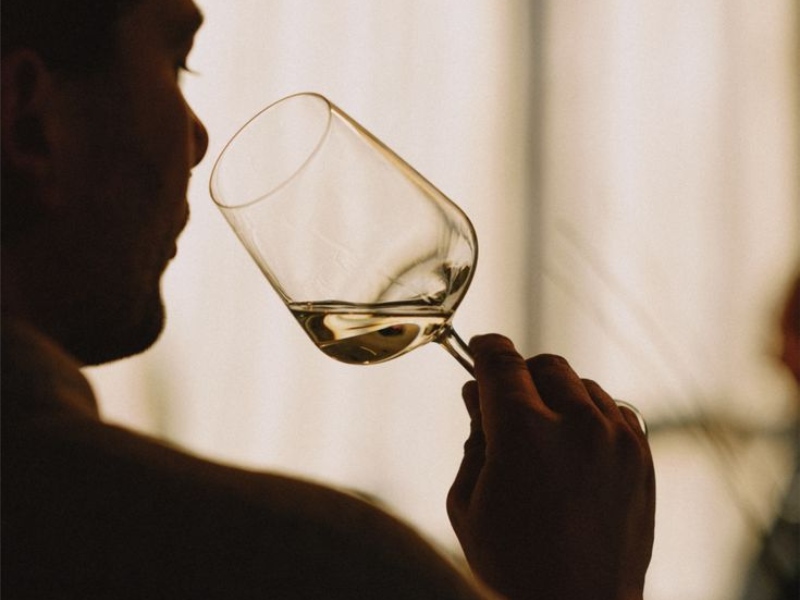
Wine offers natural alcohol warmth, lingering aromatic length, and classic flavor notes shaped by terroir and oak aging. In contrast, non-alcoholic pairings tend to feel lighter, crisper, and remarkably expressive in their botanical aromatics. Because zero-proof drinks rely on fresh teas, spices, and fruit fermentations, they often introduce surprising herbal or floral layers that highlight subtle notes in delicate dishes such as raw amaebi sweet shrimp or ocean oysters.
How your drink choice changes the pace and energy of the evening
A full wine pairing across seven or eight courses delivers a noticeable alcoholic arc, bringing warmth and relaxed sociability that deepens as the evening progresses. A non-alcoholic pairing maintains a steady, refreshing energy level from the first course to the final dessert. Considering how you want to feel during and after a long dinner is one of the most practical ways to select your beverage path.
Considering sugar levels and wellness in non-alcoholic pairings
For guests choosing zero-proof options for health or dietary reasons, it is worth noting that some non-alcoholic components can contain natural fruit sugars or syrups. High-end beverage programs actively manage sweetness by emphasizing savory, bitter, and botanical profiles over sugary bases. Diners concerned about sugar intake can comfortably ask the sommelier about the sweetness profile of the non-alcoholic menu.
How to choose between a wine pairing and a non-alcoholic pairing
When deciding which route to take for your dinner, asking yourself a few simple questions can help clarify the ideal choice for your table.
Thinking about how you want to feel throughout the evening
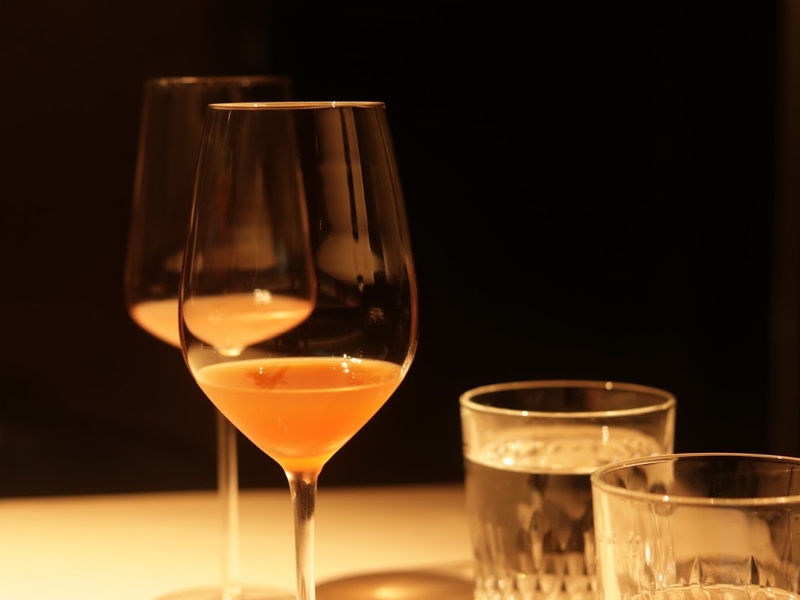
Consider the atmosphere you wish to create for your night out. Are you celebrating a milestone where classic vintages and alcohol warmth feel essential to the occasion? Or are you seeking a light, restorative dining experience where you leave the table feeling fully energized? Matching your drink choice to your personal mood ensures a more satisfying evening.
Considering the guests at your table and designated drivers
The composition of your dining party often dictates the best beverage approach. If members of your group do not consume alcohol, or if someone in your party is serving as the designated driver, opting for non-alcoholic options guarantees that everyone shares in the pairing experience. Dining rooms welcoming mixed preferences can also accommodate tables where some guests choose wine while others select zero-proof pairings.
Consulting with the sommelier before your first course arrives
Never hesitate to speak directly with the sommelier or service team before service begins. Sharing your personal preferences, dietary restrictions, or curiosity about specific drinks allows the team to guide your choice or even tailor pairings to your exact liking.
Experiencing wine pairing and non-alcoholic pairing at Chapter Hanoi
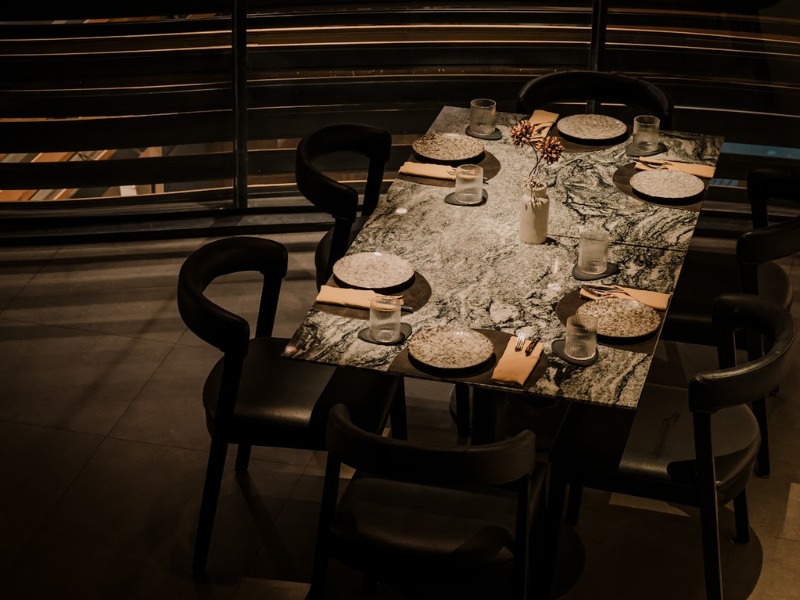
At Chapter Dining, beverage pairing is treated as an integral component of the seasonal tasting menu. To complement the culinary narrative, the restaurant offers two distinct, thoughtfully curated pairing paths: an artisanal non-alcoholic pairing priced at 3,800,000 VND++ per guest, and a premium wine pairing priced at 4,550,000 VND++ per guest (prices subject to prevailing taxes and a 7% service charge).
Each pairing option is calibrated to enhance specific courses. Crisp, mineral-driven pours lift ocean starters like raw amaebi, while complex savory courses like smoked fish with kinmedai or rich mains accompanied by duck sausage demand structured warmth and deeper umami notes.
We invite you to visit Chapter Hanoi to experience our seasonal tasting menu, where every dish and glass is crafted to tell a unified story of modern Vietnamese gastronomy.
________
Chapter Dining
- 12C Chan Cam, Hoan Kiem, Hanoi
- Mon – Sat from 18:00 – 23:00
- Tel: +84 333 201 221 – Reserve a table
- Email: reservation@chapter.vn