Autumn in Hanoi is often remembered through cool mornings, yellow leaves and the delicate fragrance of young green rice. Yet for local food lovers, the season also arrives with the sound of chả rươi sizzling in a hot pan.. Its unusual main ingredient may surprise first-time visitors. But its layered flavor explains why generations of Hanoians wait for it every year. For travellers wondering what to eat in Hanoi in autumn, chả rươi offers more than novelty. It is a fleeting taste of the Northern Vietnamese delta, a lesson in seasonal eating and one of the most distinctive expressions of Hanoi food culture.
Table of Contents
What is chả rươi?
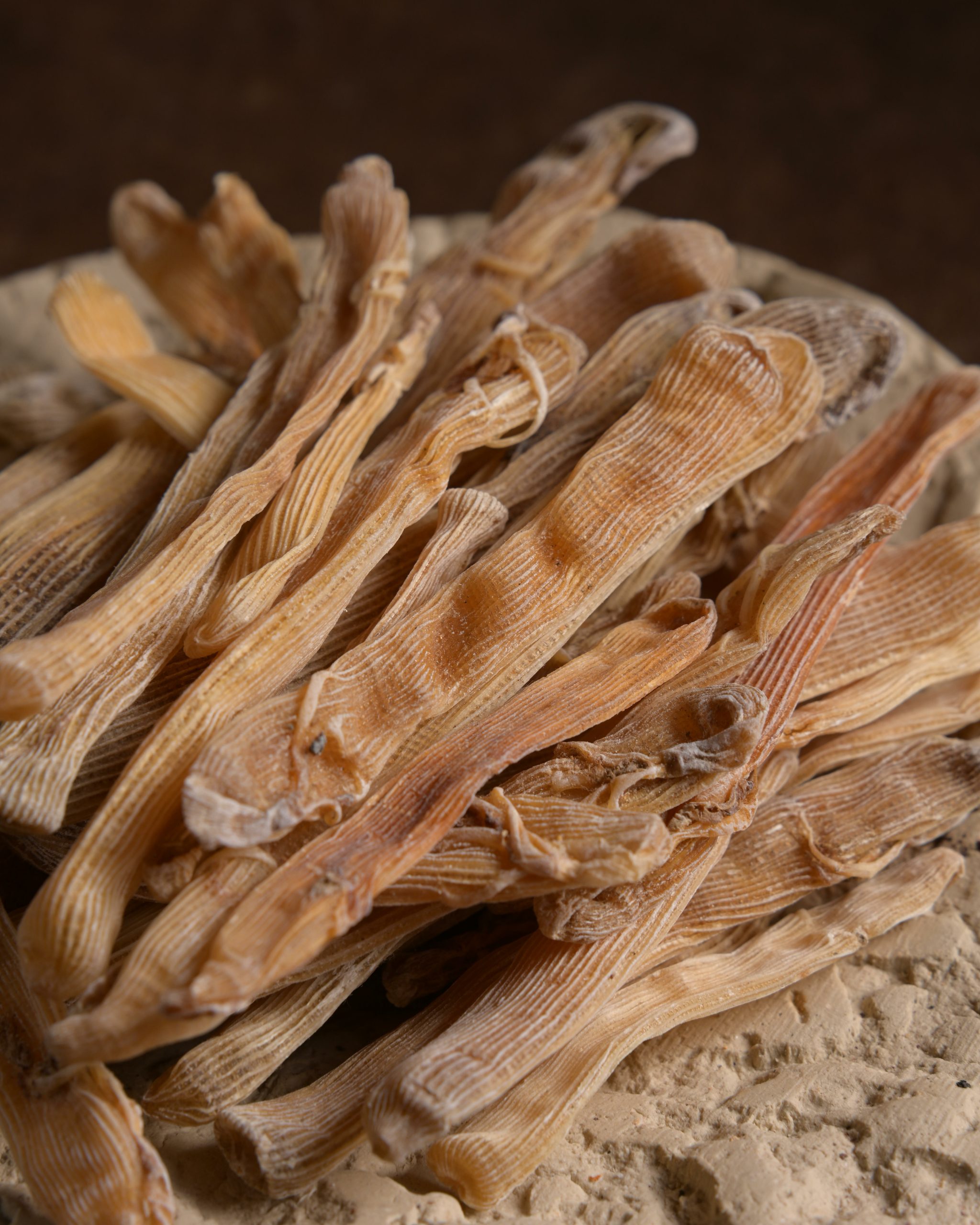
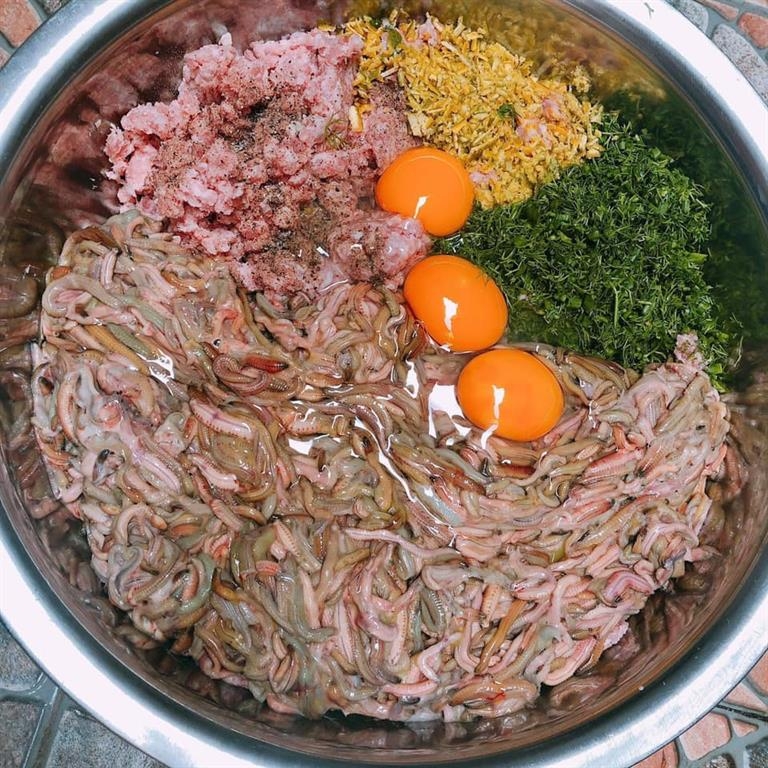
Chả rươi is a Northern Vietnamese fried patty made from rươi—seasonal ragworms harvested from brackish wetlands. After being cleaned and briefly blanched, the rươi are mixed with eggs, minced pork, dill, spring onion, spices and fragrant tangerine peel.
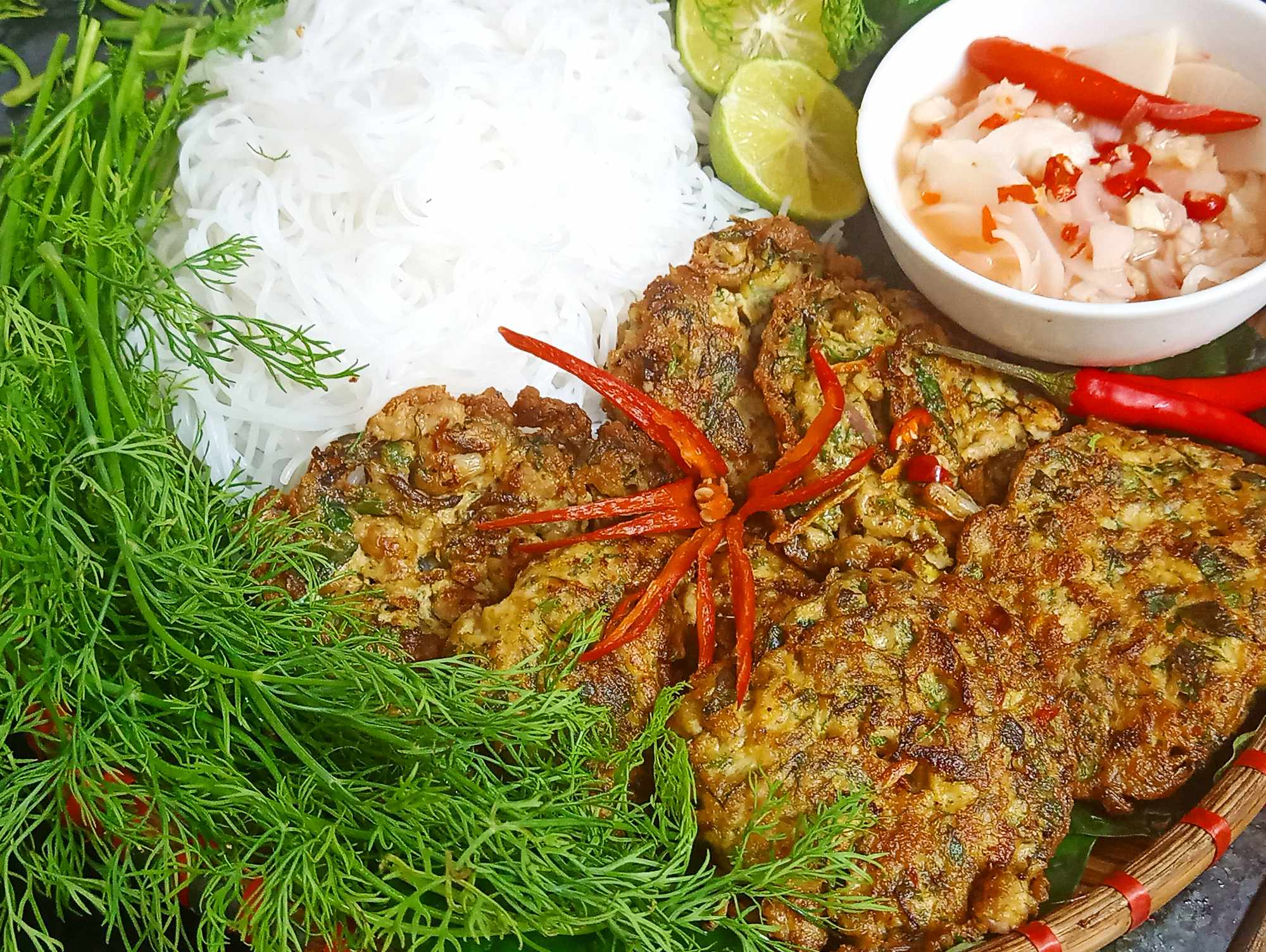
Often translated as a Vietnamese sandworm omelette or ragworm fritter, chả rươi has a crisp golden surface and a soft, rich centre. Recipes vary between families and vendors, but its seasonal ingredient and distinctive citrus-herbal aroma make it one of Hanoi’s most recognizable forms of Vietnamese autumn food. The result is one of the most recognizable forms of Vietnamese autumn food in the capital: simple in appearance but closely tied to season, geography, and local knowledge.
Why is chả rươi a Hanoi autumn specialty?
The identity of chả rươi is inseparable from its short season. Rươi are traditionally harvested from the brackish wetlands of Hải Dương, Hải Phòng, Quảng Ninh, Thái Bình and Nam Định, mainly between the ninth and eleventh lunar months. As each harvest may last only a few days, the arrival of fresh rươi signals a moment eagerly anticipated by Hanoi’s markets, home cooks, and specialist restaurants.
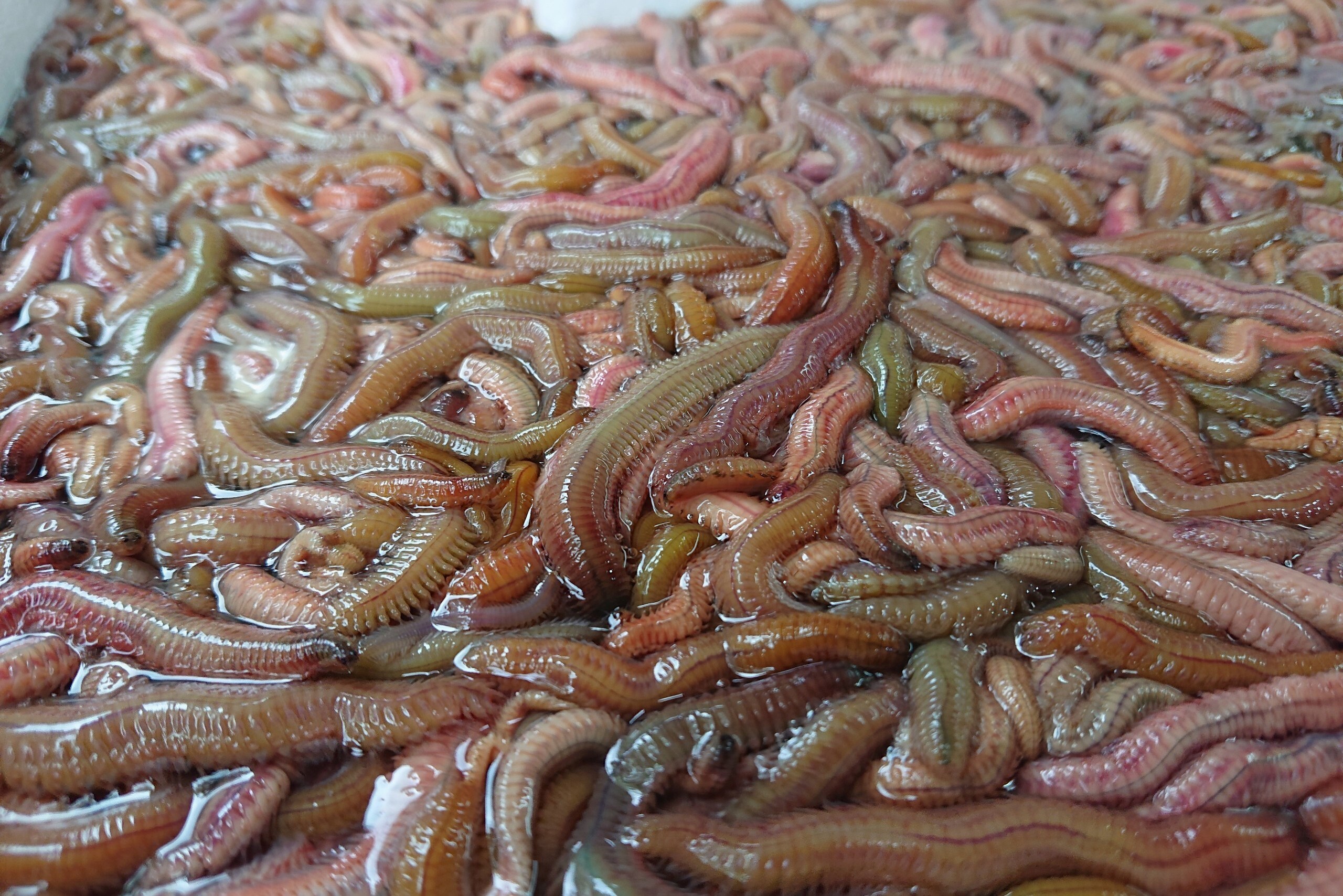
Although frozen rươi makes the dish available beyond its peak season, fresh chả rươi remains a distinctive Hanoi autumn specialty. Its fleeting availability reflects a traditional way of eating ingredients at their best, making it one of the most meaningful forms of seasonal food in Hanoi. Among the many forms of seasonal food in Hanoi, few are as closely associated with late autumn and early winter.
What gives chả rươi its distinctive flavor?
A memorable chả rươi depends on balance. Chả rươi provides richness, but the dish would feel heavy without the structure of egg, the freshness of herbs, and the citrus fragrance of tangerine peel.
Rươi creates a soft, rich center.
Rươi have a naturally rich and gently savory character. When combined with egg, they give the patty a moist, almost custard-like interior. The flavor is not identical to fish or shellfish. It is softer and more difficult to separate from the pork, herbs, and spices surrounding it. This allows the ingredient to add depth without dominating every bite.
Eggs and pork provide structure.
Egg binds the mixture and helps the surface turn golden in the pan. Minced pork adds body, savoury flavour and a familiar texture. The proportions matter. Too much pork can obscure the character of the rươi, while too little structure may make the patty fragile. A balanced version allows the ingredients to support rather than overwhelm one another.
Dill brings herbal freshness
Dill is one of the dish’s most recognisable aromas. Its fresh, slightly grassy fragrance lifts the richness of the egg, pork and rươi. For international travellers, the combination may recall the use of dill with fish in other cuisines. In chả rươi, however, it forms part of a wider aromatic mixture that may also include spring onion, shallot, ginger and pepper.
What does chả rươi taste like?
The tasting journey of chả rươi begins with a lightly browned, crisp surface before giving way to a soft and moist centre. Egg and minced pork create a familiar savoury richness, while dill, spring onion, pepper and ginger gradually introduce fresh herbal warmth.
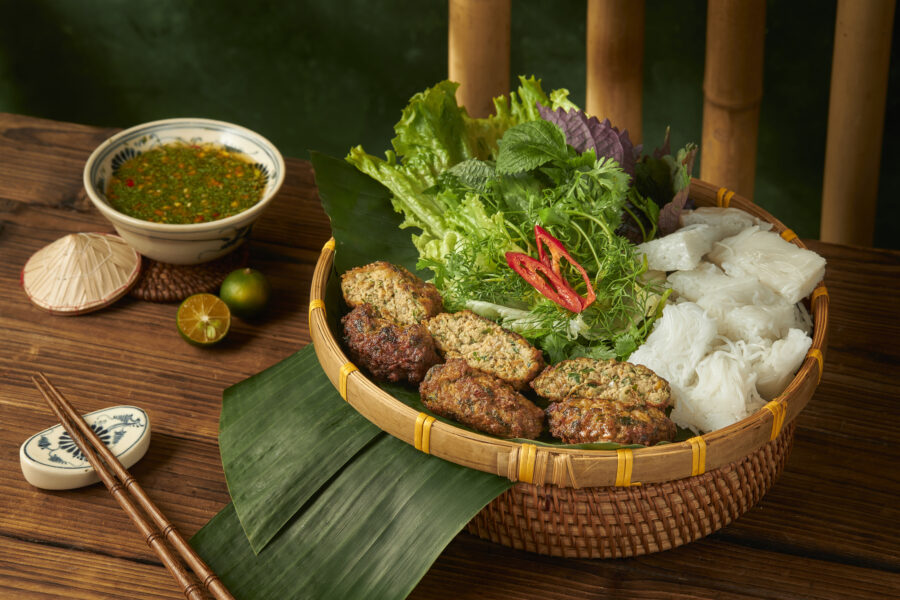
The final note comes from tangerine peel, whose bright citrus fragrance cuts through the richness and leaves the palate feeling clean. Although often translated as a **Vietnamese sandworm omelette**, chả rươi is denser, more aromatic and more layered than a conventional Western omelette. Enjoy it while hot, when the contrast between its crisp exterior, delicate centre and fragrant finish is at its most expressive.
How do Hanoians eat chả rươi?
Chả rươi is normally cut into smaller pieces and served with fresh herbs, rice vermicelli, and a bowl of sweet-sour fish sauce. Some vendors also provide lettuce, coriander, Vietnamese balm, pickled vegetables or chilli. For a balanced first bite:
- Take a small piece of hot chả rươi.
- Add a few strands of rice vermicelli and fresh herbs.
- Dip it lightly into the sweet-sour fish sauce.
- Taste the patty before adding extra chili or vinegar.
The sauce contributes salt, acidity, sweetness, and heat, while the herbs refresh the palate between richer mouthfuls. Chả rươi can be eaten as a snack, shared dish, or part of a larger meal. Street vendors may sell individual patties, while restaurants commonly serve a portion with bún and herbs. This combination of fried food, raw leaves, noodles, and dipping sauce is characteristic of Vietnamese dining. The dish is completed at the table rather than in the pan alone.
Where to eat chả rươi in Hanoi
Travellers deciding where to eat chả rươi in Hanoi can choose between a casual Old Quarter tasting and a more complete restaurant experience. Near Ô Quan Chưởng, Chả Rươi Hưng Thịnh at 1 Hàng Chiếu, Hoàn Kiếm, is a convenient option for visitors staying in the Old Quarter. The shop is listed as opening approximately 07:00–21:00 daily.
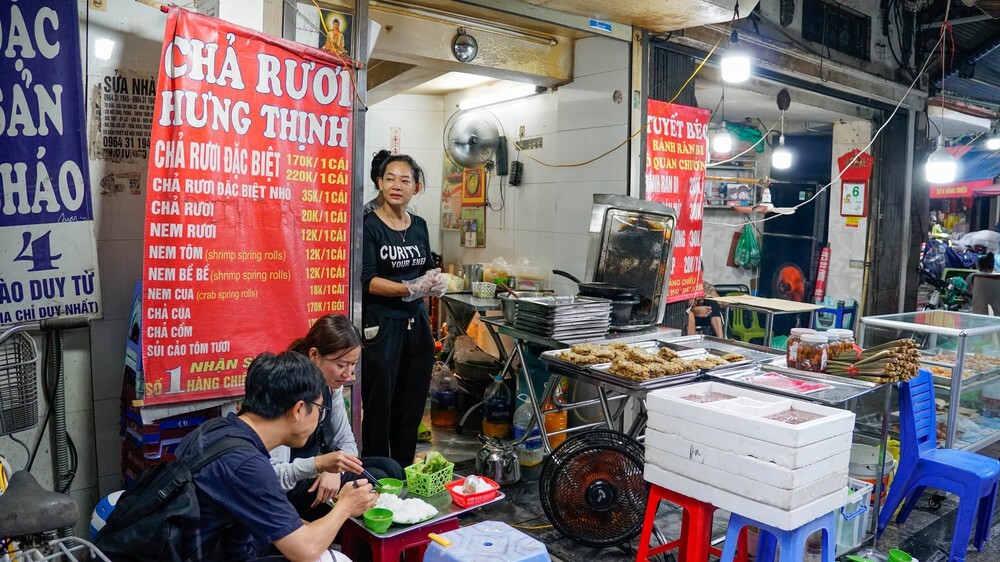
For a long-established family business, visit Chả Rươi Hằng Béo at 244 Lò Đúc, Hai Bà Trưng, where the owner has prepared the dish for nearly three decades using rươi sourced from northern harvest areas. Listed hours are approximately 09:30–13:30 and 15:00–19:30.
Travellers who prefer a sit-down meal can check Chim Sáo at 65 Ngõ Huế, Hai Bà Trưng. The restaurant is listed as opening from 09:30–23:00 daily. And, the currently prices its seasonal fried ragworm dish at around VND 120,000. Because fresh batches, prices, and service hours may change with the rươi season, contact each restaurant before making a special journey.
Continue your Hanoi autumn food journey at Chapter
Chả rươi reveals one traditional relationship between Hanoi and seasonal ingredients. After experiencing the dish at a specialist shop, travelers can continue exploring how Vietnamese produce and regional flavors appear in a contemporary dining context.
Chapter Dining presents a seasonal tasting menu at 12C Chân Cầm in Hanoi’s Old Quarter. Its menu changes rather than remaining fixed, allowing ingredients and flavour combinations to respond to a particular period of the year.
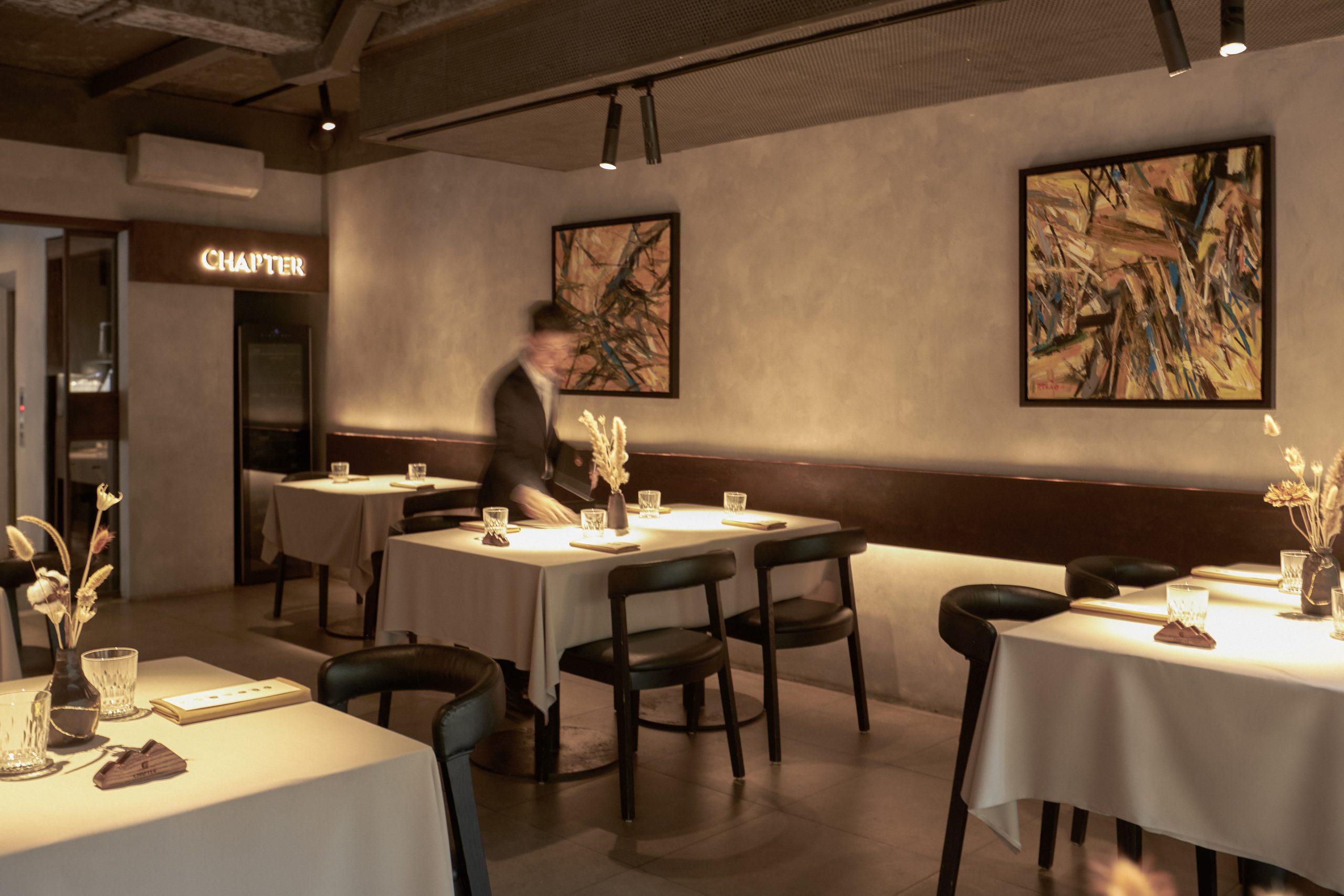
Chapter does not serve chả rươi, but its seasonal tasting menu offers another way to experience autumn in Hanoi. Through ingredients that reflect the season’s aromas, textures and local character, Chapter presents a contemporary interpretation of Vietnamese autumn flavours beyond a single traditional dish.
Explore Chapter’s current seasonal tasting menu before reserving. Travellers planning a wider autumn itinerary can also read Chapter’s guide to must-try food in Hanoi during autumn.
If you are deciding what to eat in Hanoi in autumn, add chả rươi to your itinerary. Try it hot at an established local shop, ask about the day’s rươi and allow this unusual Hanoi autumn specialty to tell its own story.
_________
Chapter Dining
12C Chan Cam, Hoan Kiem, Hanoi
Mon – Sat from 18:00 – 23:00
Tel: +84 333 201 221 – Reserve a table
Email: reservation@chapter.vn