Soft white flesh, a thin layer of fat, and skin the color of a late-autumn sunset: kinmedai is one of Japan’s most prized cold-water fish. Known as the golden eye snapper or splendid alfonsino, it arrives at Chapter Dining to meet mẻ, fermented rice, and a handful of fresh herbs. This is how a classic Japanese fish picks up a distinctly Northern sour note.
Table of Contents
What is kinmedai and why is it prized in gastronomy
Before exploring its presentation on Chapter’s tasting menu, it helps to understand why this deep-sea fish holds such esteemed status in modern gastronomy.
Kinmedai as the golden eye snapper of Japan
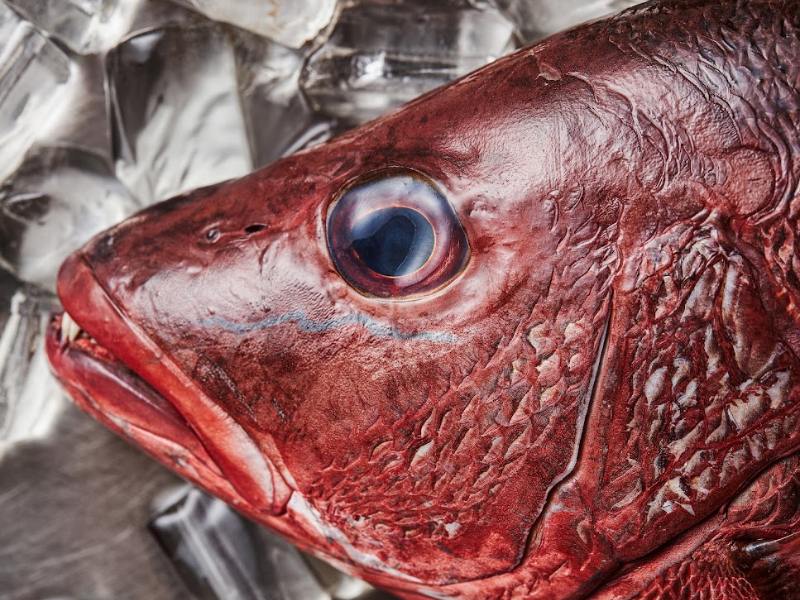
Kinmedai (Beryx splendens), frequently translated as golden eye snapper or splendid alfonsino, derives its Japanese name from its striking appearance—kin (gold), me (eye), and tai or dai (snapper). Inhabiting deep, dark ocean waters off the Japanese coast, its large, reflective golden eyes allow it to navigate abyssal depths, while its vibrant crimson skin makes it instantly recognizable.
Why kinmedai is celebrated for its delicate fat and flavor
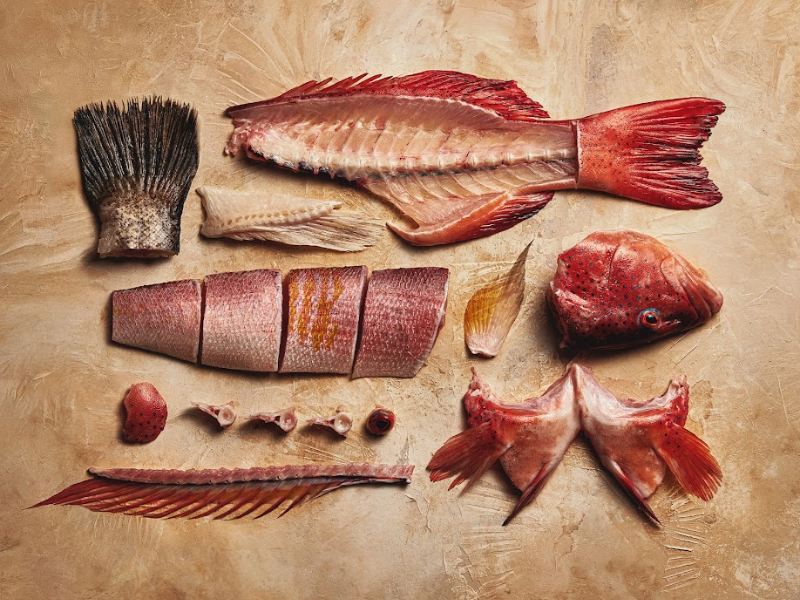
Unlike many white-fleshed ocean fish that lean dry or flaky, kinmedai possesses a luscious layer of subcutaneous fat beneath its vivid skin. The meat itself remains exceptionally tender, offering a subtle, clean sweetness that never feels heavy. Because its bone structure is clean and its flesh retains moisture remarkably well, chefs value kinmedai for its refined mouthfeel and versatile flavor profile.
How kinmedai is traditionally prepared in Japanese cuisine
In traditional Japanese culinary arts, particularly within Edomae sushi culture, kinmedai is treated with profound respect to highlight its natural fats.
Lightly seared skin to render subtle oil
Because the highest concentration of flavor and aromatic fat lies directly beneath the skin, chefs rarely serve kinmedai completely raw with the skin unheated. Instead, techniques such as aburi (blowtorch searing) or yubiki (pouring hot water over the skin followed by an ice bath) are employed. Searing and crisping the red skin gently melts the underlying fat layer, releasing a rich aroma while creating a pleasant textural contrast against the cool, tender meat.
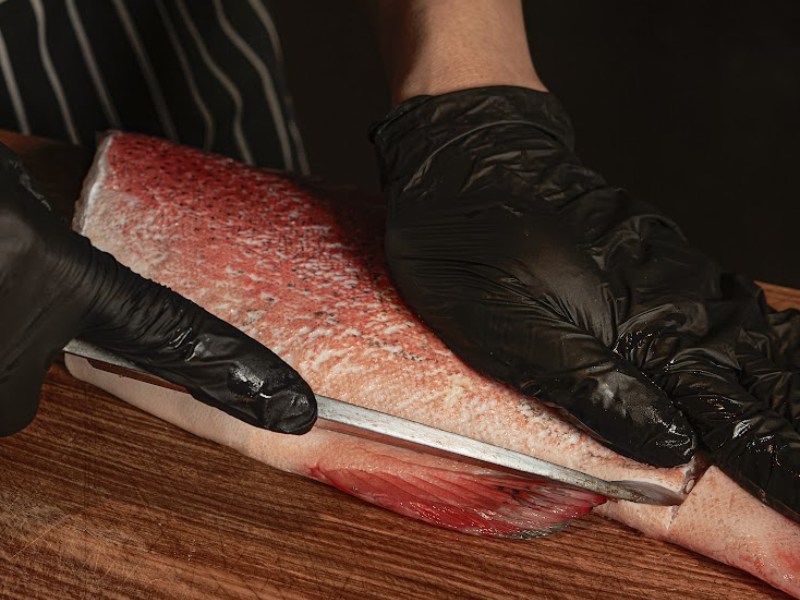
Traditional aging techniques for golden eye snapper
In high-end omakase dining, kinmedai is often subjected to meticulous aging processes after being dispatched using the ikejime method. Cured with sea salt or wrapped in kombu kelp for two to three days, the fish loses excess moisture while its natural enzymes break down proteins into umami-rich amino acids. This patience yields a deeper flavor and a melting, velvety texture.
The kinmedai course with fermented rice and herbs at Chapter Dining
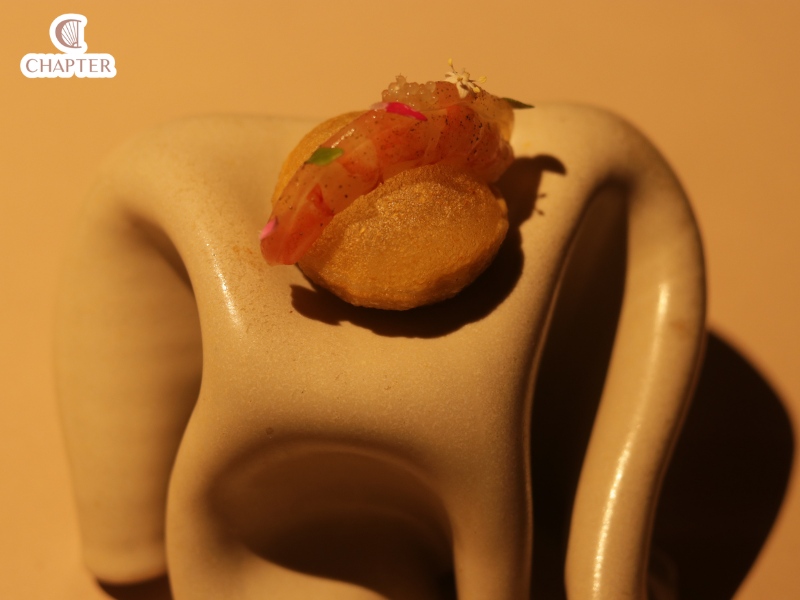
At Chapter Dining, dish titles follow a disciplined three-component naming convention: Kinmedai, Fermented Rice, Herbs. Featured on the curated autumn menu, this course brings international marine excellence into direct conversation with Northern Vietnamese fermentation traditions.
How kinmedai is crafted at Chapter
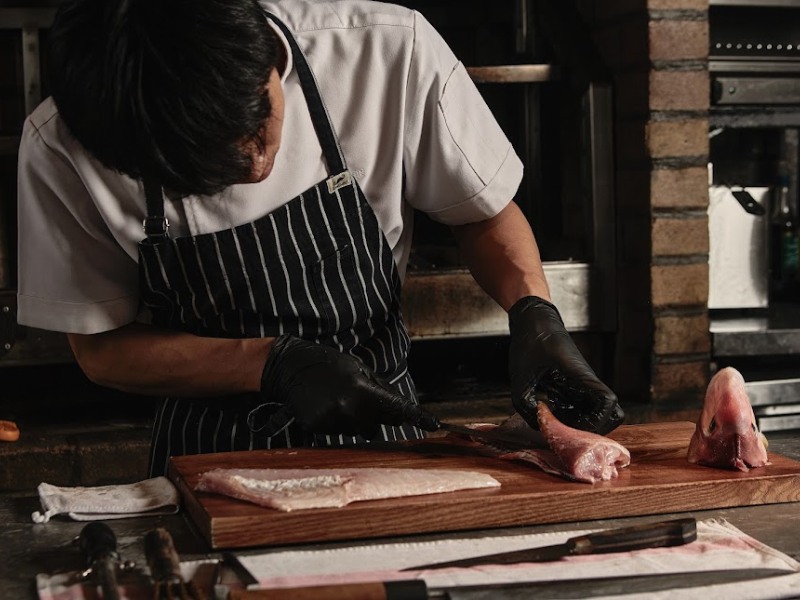
At Chapter, the golden eye snapper is prepared to preserve both its pristine tenderness and rich subcutaneous oil. Seared delicately to render its vibrant skin crisp and fragrant, the fish retains its succulent, translucent interior. Served at a precise, warm temperature, it provides a luxurious foundation for the surrounding garnishes.
“Mẻ” as the signature Northern sour note
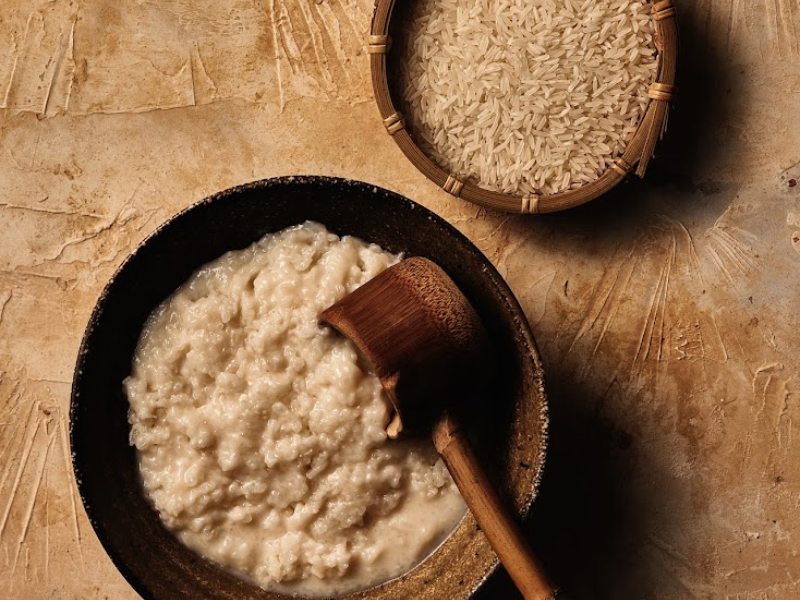
Rather than pairing the fish with Japanese ponzu or citrus, Chapter introduces mẻ—Northern Vietnam’s historic fermented rice condiment. As explored in our dedicated study on Fermented Rice, Fermented Chili, mẻ imparts a gentle, aromatic lactic acidity that cuts cleanly through the fat of the fish without overwhelming its delicate sweetness. It grounds the dish with a comforting, familiar rustic sourness.
The role of fresh herbs on the plate
Completing the dish is a curated selection of fresh local herbs. Selected for their bright, peppery, and aromatic qualities, the herbs lift the richness of both the fish fat and the fermented rice cream, bringing a vibrant green finish to every bite.
How a Japanese fish meets Northern Vietnamese flavor
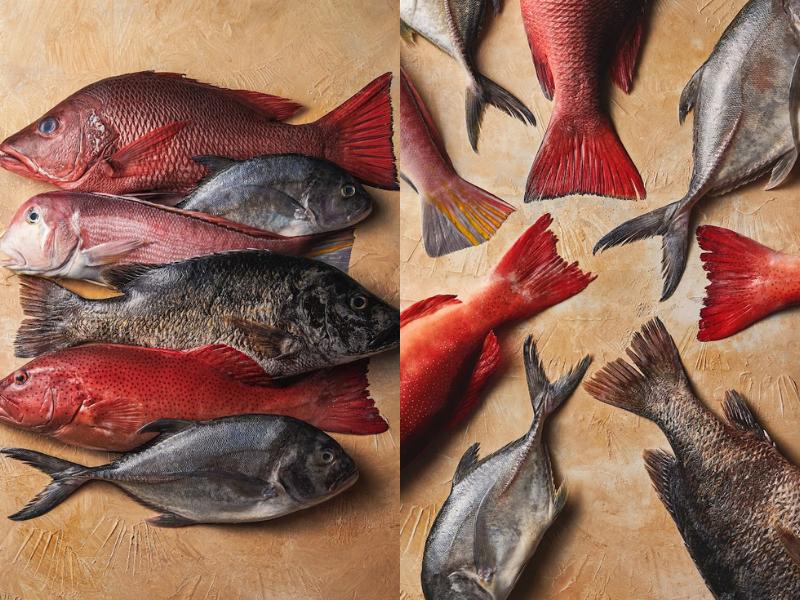
What makes this course compelling is its transparent duality. Kinmedai is an unreservedly Japanese luxury ingredient, harvested from northern cold waters. Yet, by pairing splendid alfonsino with mẻ and native herbs, Chapter avoids mere fusion gimmickry.
Instead, the dish constructs a thoughtful bridge between two culinary worlds. Much like our A5 Wagyu preparation—where prime imported beef meets Northern rice fermentation—this course demonstrates how traditional Vietnamese souring agents can elevate premium global proteins into nuanced, place-based expressions.
As part of the evening tasting progression, the kinmedai course acts as a refreshing transition point. Emerging after lighter opening bites and preceding heavier braised or roasted meats, its balanced acidity and clean marine sweetness refresh the palate while sustaining the meal’s momentum.
We invite you to visit Chapter Hanoi to experience our seasonal tasting menu, where global ocean treasures and Northern Vietnamese heritage meet in quiet harmony.
________
Chapter Dining
- 12C Chan Cam, Hoan Kiem, Hanoi
- Mon – Sat from 18:00 – 23:00
- Tel: +84 333 201 221 – Reserve a table
- Email: reservation@chapter.vn