Few foods represent Vietnam as perfectly as bánh mì. What began as a French-inspired baguette has evolved into one of the world’s most iconic street foods—and a symbol of Vietnam’s rich culinary identity. In this guide, you’ll discover how bánh mì became a global culinary icon, explore its regional variations, and uncover why understanding its story offers a deeper appreciation of Vietnamese cuisine far beyond what most travelers experience. Ready to discover why bánh mì is much more than a sandwich? Let’s begin.
Table of Contents
What makes Vietnamese Banh Mi so special?
At first glance, bánh mì may look like a simple sandwich. Yet its global popularity comes from the perfect balance of texture, flavor, and culture. Unlike traditional European sandwiches, Vietnamese bánh mì combines a light, crispy baguette with ingredients that represent the essence of Vietnamese cuisine. Pickled carrots and daikon provide brightness, fresh coriander adds fragrance, pâté contributes richness, while chili and fish sauce introduce layers of complexity that awaken every bite.
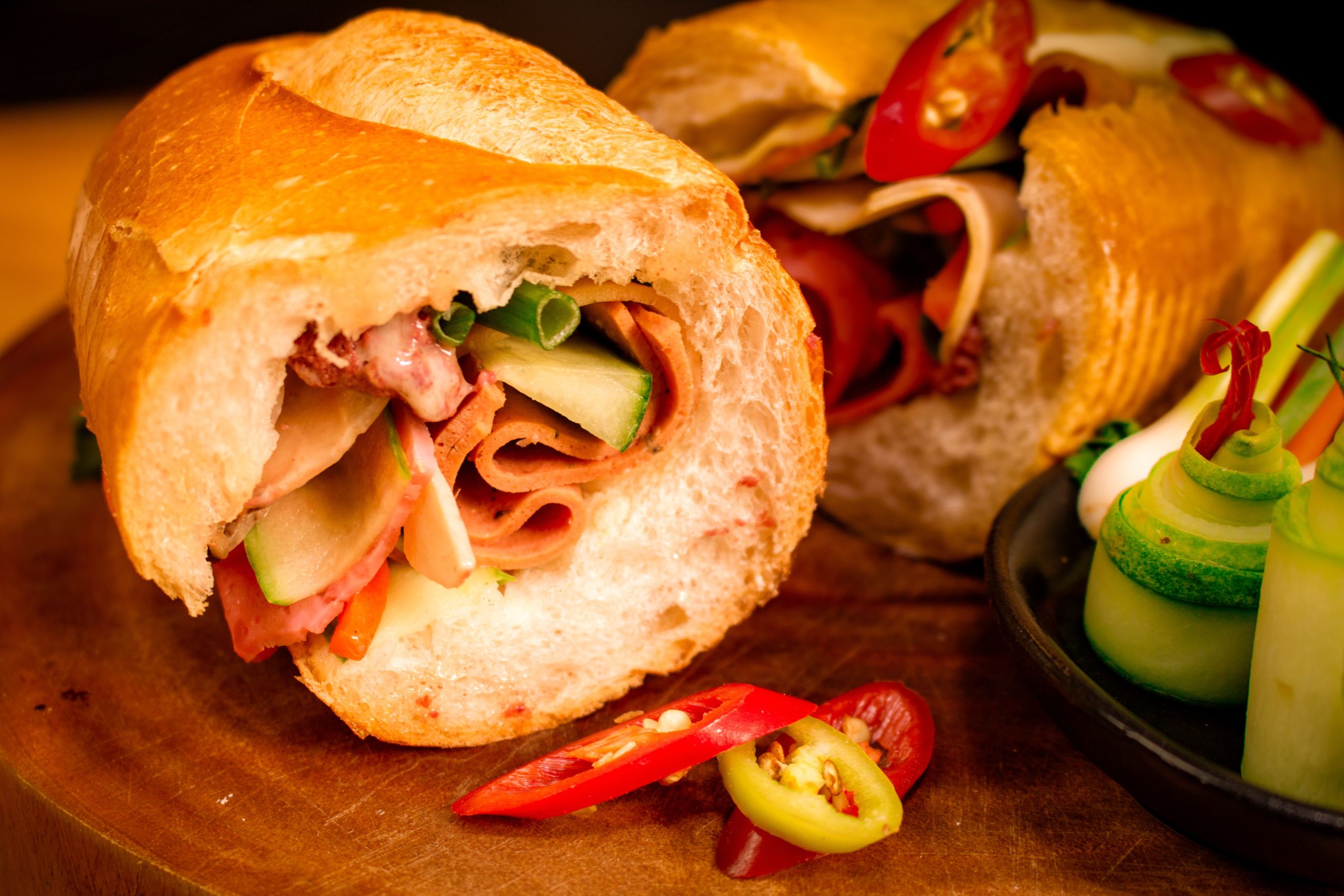
More importantly, no two bánh mì are exactly alike. Every region, family, and street vendor has developed its own interpretation, making bánh mì one of Vietnam’s most personal and adaptable dishes. Its versatility is also what makes it beloved by travelers. Whether eaten for breakfast, lunch, or a quick afternoon snack, bánh mì is convenient, affordable, and packed with flavor.
From French baguette to Vietnamese Banh Mi
Like many beloved dishes, bánh mì was born from cultural exchange. When the French introduced the baguette to Vietnam during the colonial period, it was initially considered a luxury enjoyed mainly by the wealthy. Over time, Vietnamese bakers began adapting the bread to suit local ingredients and tastes.
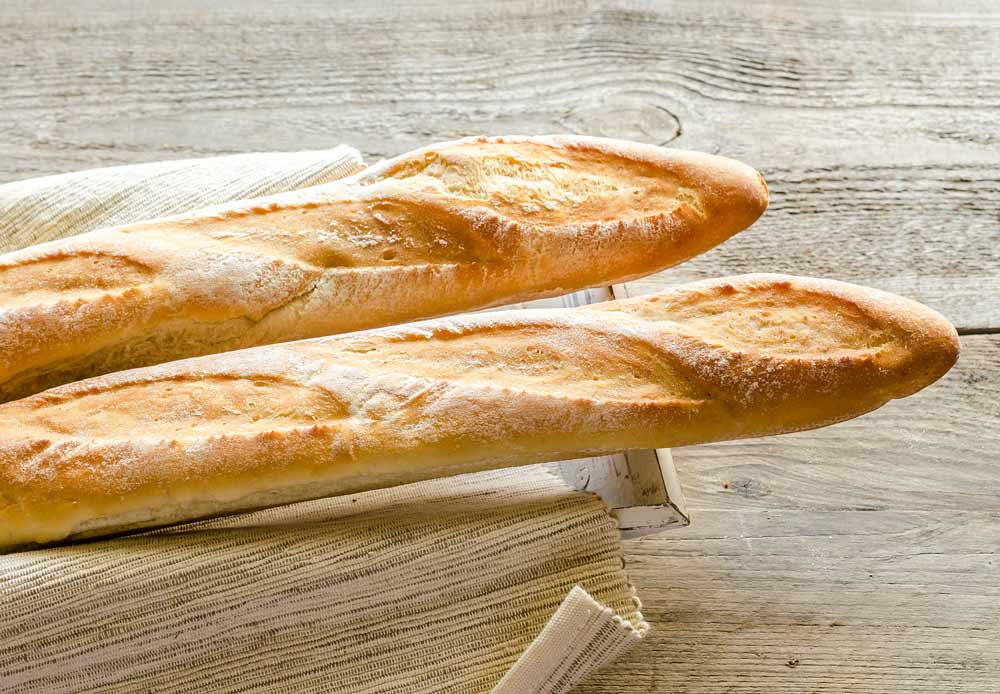
Rice flour was blended into wheat flour to create a lighter crust and softer interior, perfectly suited to Vietnam’s warm climate. Local herbs replaced European greens, while pâté was paired with pickled vegetables, grilled pork, roasted meats, and homemade sauces.
Rather than simply adopting French cuisine, Vietnamese cooks transformed it into something entirely their own. Today, bánh mì is recognized around the world as one of Vietnam’s greatest culinary achievements.
Regional styles of Vietnamese Banh Mi
Although travelers often think of bánh mì as a single dish, every region in Vietnam has its own interpretation. Exploring these regional variations is one of the best ways to understand the country’s diverse culinary identity.
Hanoi’s Vietnamese Banh mi: Simple, elegant, and ingredient-focused
In Hanoi, bánh mì reflects the characteristics of Northern Vietnamese cuisine: subtle seasoning, balanced flavors, and an appreciation for high-quality ingredients. Traditional Hanoi bánh mì often features pâté, roasted pork, Vietnamese sausage (chả lụa), fresh herbs, cucumber, and a light seasoning of soy sauce or chili. Rather than relying on heavy sauces or generous fillings, the focus is on achieving harmony in every bite.
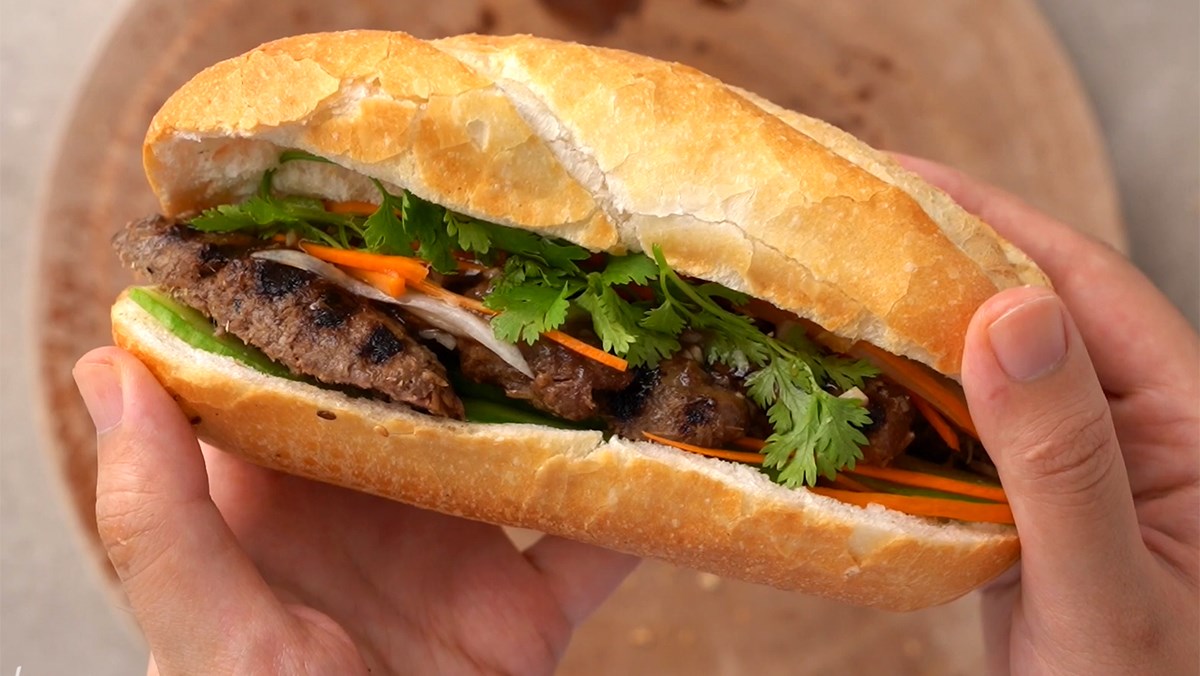
If you’re inspired to taste banh mi during your trip, these iconic local spots are well worth a visit.:
- Banh Mi 25: 25 Hang Ca, Hoan Kiem, Hanoi. One of the city’s most popular bánh mì shops among both locals and international travelers, known for its crispy bread and wide selection of fillings.
- Vân Mít Bánh Mì: 52 Ly Quoc Su, Hoan Kiem, Hanoi. A long-standing local favorite serving classic Hanoi-style bánh mì with balanced flavors.
- Bami Bread: 98 Hang Bac, Hoan Kiem, Hanoi. A modern bakery chain offering freshly baked baguettes and premium Vietnamese fillings.
Ho Chi Minh City’s Vietnamese Banh mi: Bold, colorful, and generous
Ho Chi Minh City’s interpretation is known for its generous fillings, richer sauces, and vibrant flavors. It’s common to find combinations of grilled pork, shredded chicken, meatballs, fried eggs, pickled vegetables, mayonnaise, pâté, fresh herbs, and chili packed into a single baguette.
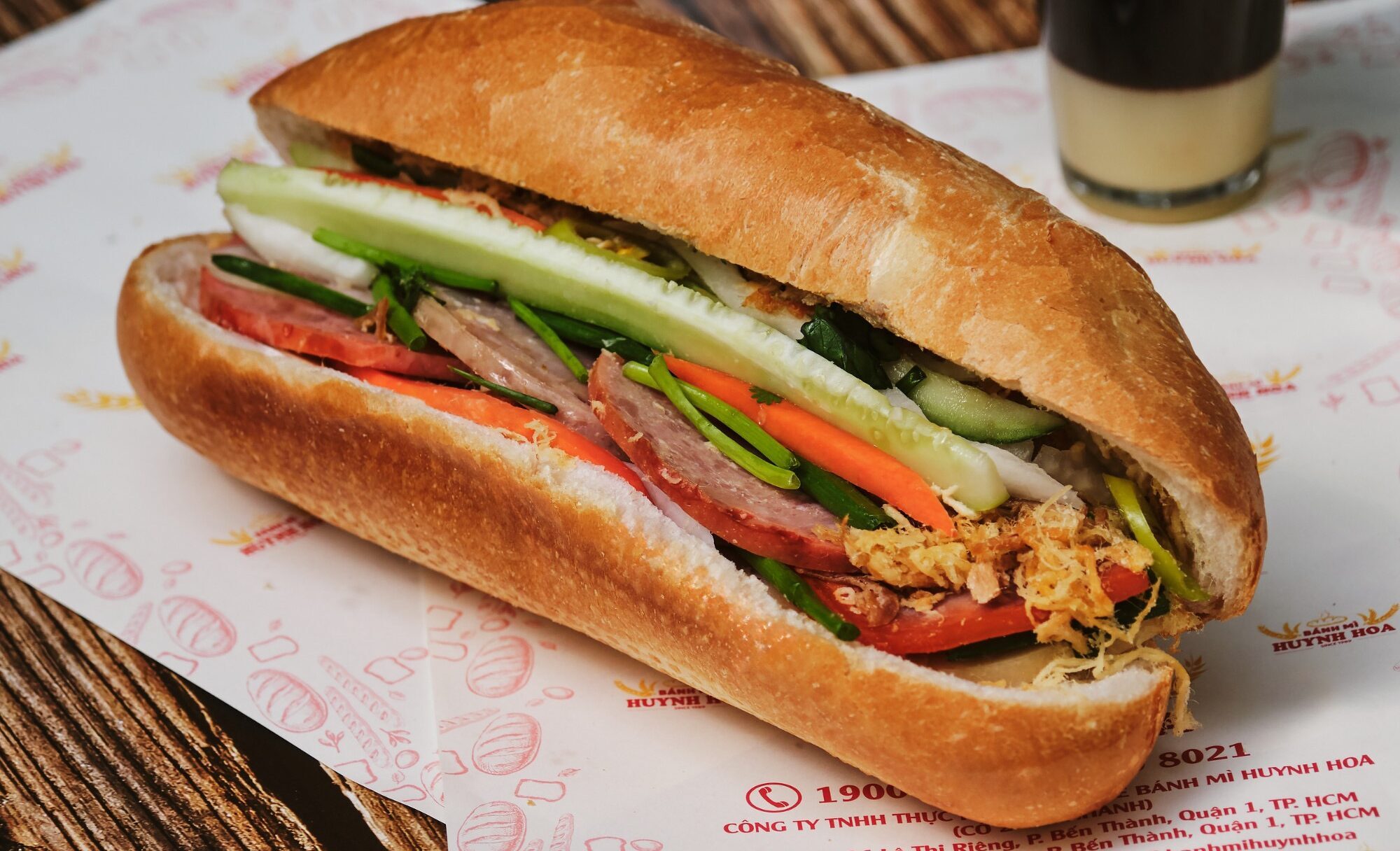
This abundance reflects the dynamic, energetic spirit of southern Vietnam, where food is often bigger, bolder, and sweeter. Travelers can try this famous food in:
- Bánh Mì Huỳnh Hoa: 26–30–32 Le Thi Rieng, District 1, Ho Chi Minh City. Famous for its generously filled sandwiches packed with cold cuts, pâté, and homemade sauces.
- Như Lan Bakery: 68 Ham Nghi Street, District 1, Ho Chi Minh City. One of Saigon’s oldest and most respected bakeries, celebrated for its traditional bánh mì and baked goods.
- Bánh Mì Hòa Mã: 53 Cao Thang Street, District 3, Ho Chi Minh City. Best known for bánh mì chảo, where fresh baguettes are served with a sizzling skillet of eggs, pâté, and cured meats.
Hội An’s Vietnamese Banh mi: A culinary icon
Here, local bakers craft exceptionally light and crispy bread, while family recipes passed down through generations inspire the regional specialties found in each filling. The result is a sandwich that balances texture, aroma, and flavor with remarkable precision.
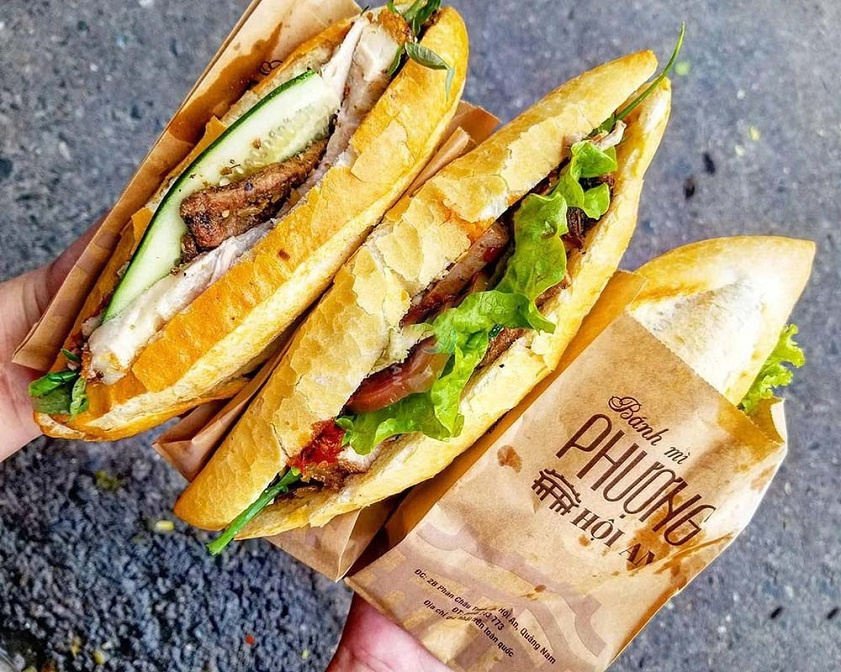
Whether or not it is the “best” bánh mì in Vietnam is a matter of personal preference—but it has certainly become one of the country’s most celebrated culinary experiences. Some places where travelers usually visit to try this food are:
- Bánh Mì Phượng: 2B Phan Chau Trinh Street, Hoi An. Internationally renowned after being recommended by Anthony Bourdain, this legendary shop is famous for its flavorful fillings and signature sauces.
- Madam Khanh – The Bánh Mì Queen: 115 Tran Cao Van Street, Hoi An. A family-run institution known for its homemade pâté, fresh ingredients, and crispy baguettes.
- Bánh Mì Sài Gòn Hội An: 151 Tran Hung Dao Street, Hoi An. A popular choice offering nearly 30 varieties of bánh mì, perfect for travelers looking to explore different flavors.
Why travelers love Vietnamese Banh Mi
There is a reason bánh mì appears on nearly every travel itinerary. It is affordable, easy to find, and incredibly satisfying. But beyond its convenience, bánh mì offers something many travelers seek: an authentic connection to everyday Vietnamese life.
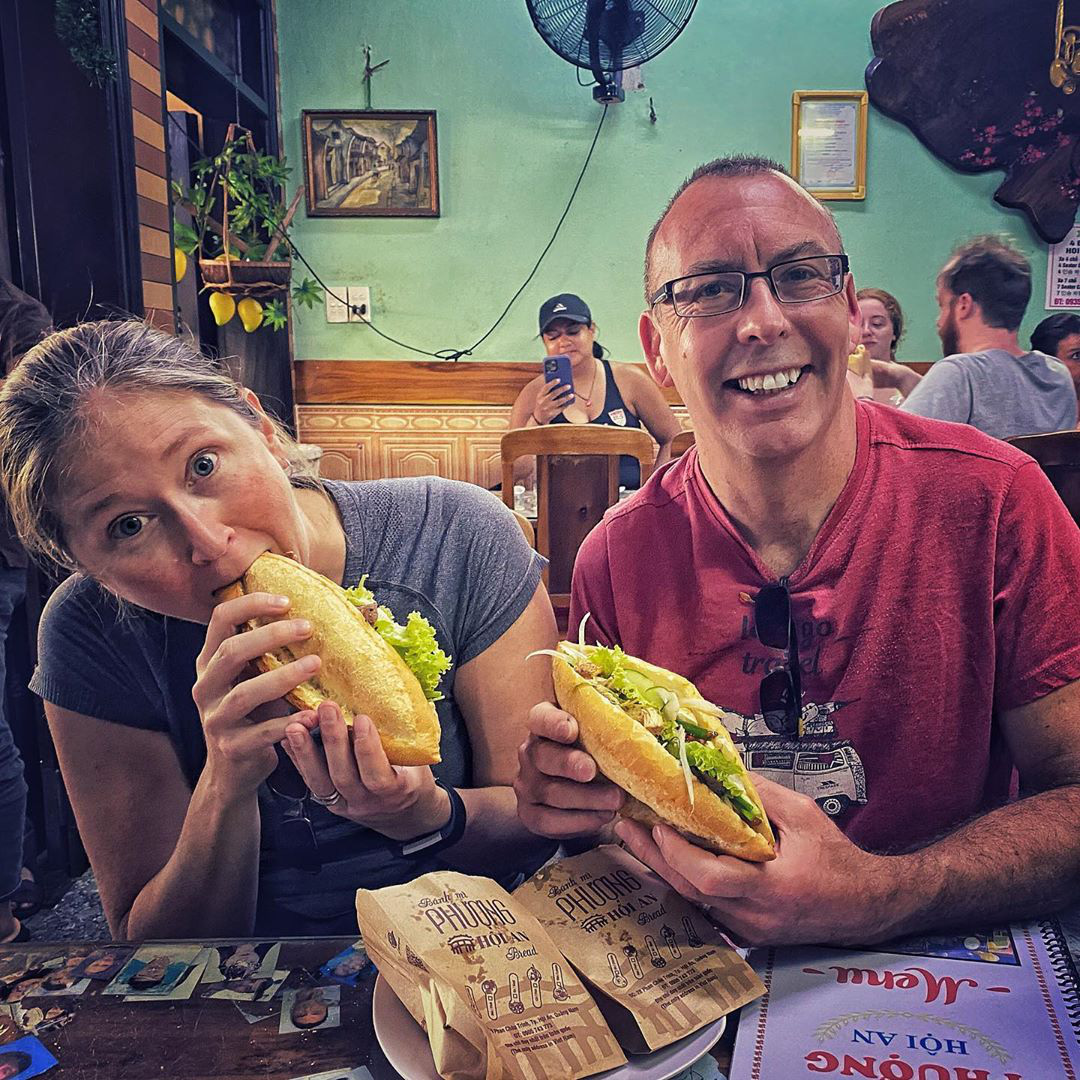
For visitors, eating bánh mì isn’t simply about tasting another local specialty—it’s about participating in a small moment of Vietnamese daily life. This accessibility is one of the reasons bánh mì has become a global ambassador for Vietnamese cuisine. It introduces international visitors to the flavors of Vietnam in a format that feels familiar, while still reflecting the country’s unique culinary identity.
From street food to contemporary Vietnamese cuisine
Street food is where many travelers first discover bánh mì, but Vietnam’s culinary story doesn’t end there. Today’s generation of Vietnamese chefs is taking inspiration from traditional ingredients and presenting them through new techniques, seasonal menus, and refined dining experiences. Rather than replacing classic dishes, they reinterpret them while preserving their cultural significance.
This evolution reflects a broader movement within Vietnamese gastronomy: honoring heritage while embracing creativity. It is this balance between tradition and innovation that makes Vietnamese cuisine one of Asia’s most exciting culinary destinations today.
Discover Vietnamese culinary heritage at Chapter Dining
Few dishes represent Vietnam as well as bánh mì, and at Chapter Dining, its story takes on a new form. Instead of recreating the familiar street-food sandwich, the restaurant celebrates its essential building blocks through a refined course of freshly baked bread, duck pâté, and smoked butter. Every element is thoughtfully prepared to highlight the craftsmanship behind one of Vietnam’s most beloved culinary icons.
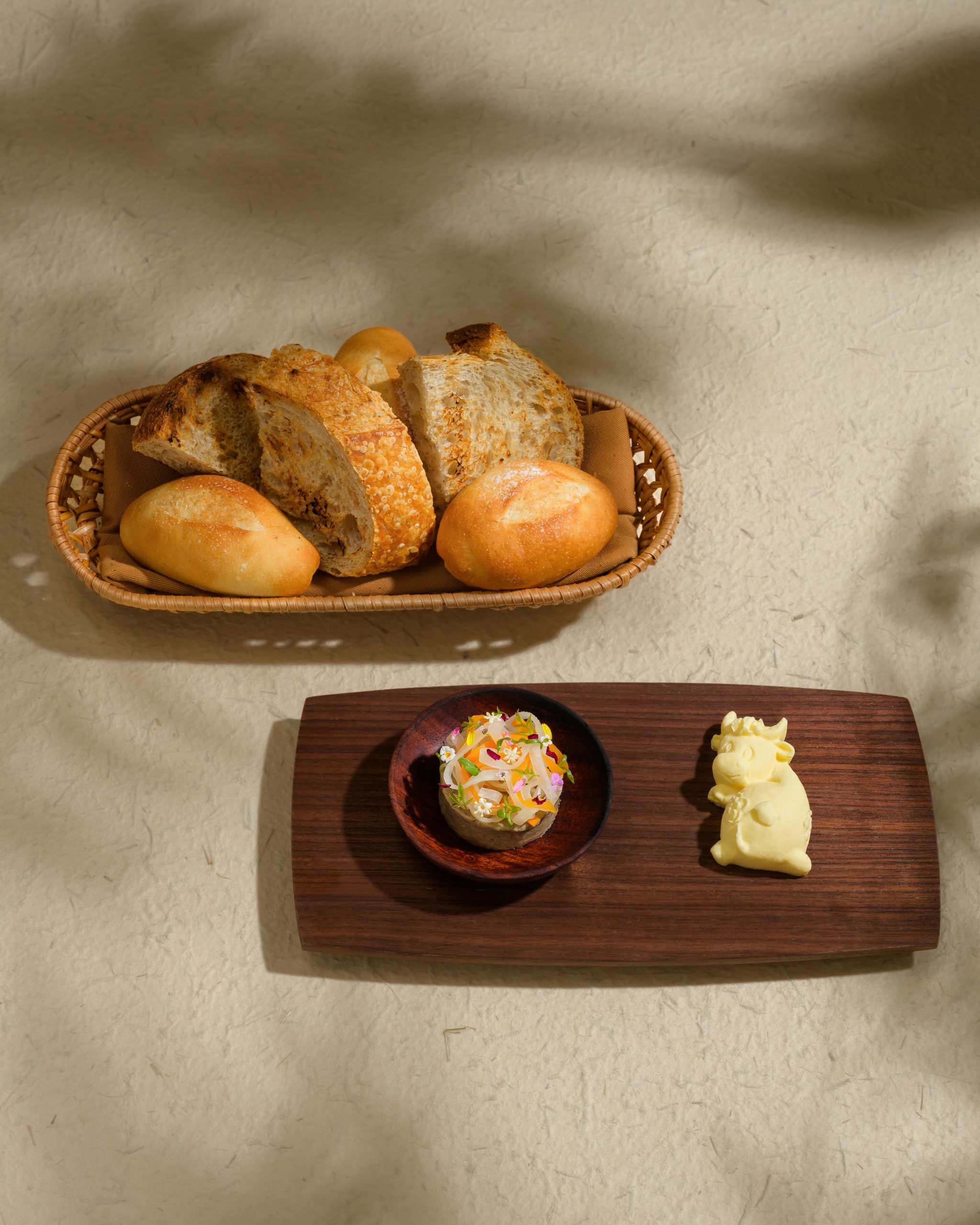
More than a reinterpretation, the dish reflects Chapter Dining’s philosophy of honoring Vietnamese culinary heritage while embracing contemporary techniques—inviting guests to rediscover familiar flavors from a fresh perspective.
Vietnamese banh mi is more than just an iconic street food—it’s a reflection of Vietnam’s rich culinary heritage, shaped by history, local ingredients, and creativity. If you’d like to discover how this beloved classic inspires contemporary Vietnamese cuisine, visit Chapter Dining and explore our seasonal tasting menu, where the story of bánh mì continues through our signature bread with duck pâté and smoked butter.
_________
Chapter Dining
12C Chan Cam, Hoan Kiem, Hanoi
Mon – Sat from 18:00 – 23:00
Tel: +84 333 201 221 – Reserve a table
Email: reservation@chapter.vn