For many travelers visiting Vietnam, few ingredients inspire as much curiosity as Shrimp paste (mam tom). Its aroma is bold, its flavor unforgettable, and its place in Hanoi food culture remains deeply rooted in everyday life. Loved by some and feared by others, mam tom tells a story far beyond taste—a story of fermentation, tradition, community, and Northern Vietnamese identity. For anyone seeking to understand the soul of Northern Vietnamese cuisine, there may be no better place to begin. Read on to discover why this iconic fermented condiment continues to shape Vietnam’s culinary landscape today.
Table of Contents
What is Vietnamese shrimp paste (Mam Tom)?
Known internationally as Vietnamese shrimp paste, mam tom is a traditional fermented condiment made from small marine shrimp (moi or ruoc) and sea salt. After months of natural fermentation, it develops its distinctive purple-grey color, rich aroma, and deep umami flavor.
High-quality mam tom is recognized by its smooth texture, balanced aroma, and lingering savory taste. Traditional producers rely on fresh shrimp, aged sea salt, and extended fermentation periods to achieve the complexity that defines this iconic Vietnamese fermented food.
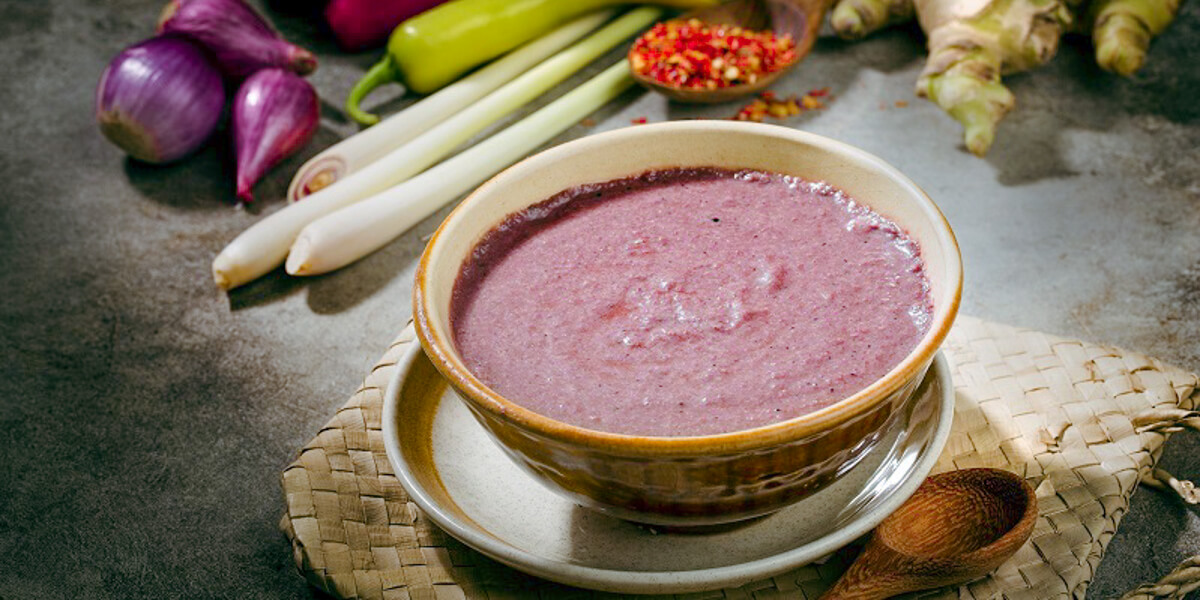
Unlike fish sauce, which offers a more subtle salinity, mam tom delivers an intense combination of umami, sweetness, and marine richness. While its bold flavor may surprise first-time visitors, it remains one of the defining ingredients of Northern Vietnamese cuisine and Hanoi food culture.
The origins of Shrimp paste (Mam Tom) in northern Vietnam
The story of mam tom begins along the coastal regions of Northern Vietnam, where generations of fishing communities developed fermentation techniques to preserve seasonal seafood harvests. Today, provinces such as Thanh Hoa, Nam Dinh, Hai Phong, and Quang Ninh remain closely associated with the production of traditional Vietnamese shrimp paste.
The main ingredients behind Mam Tom
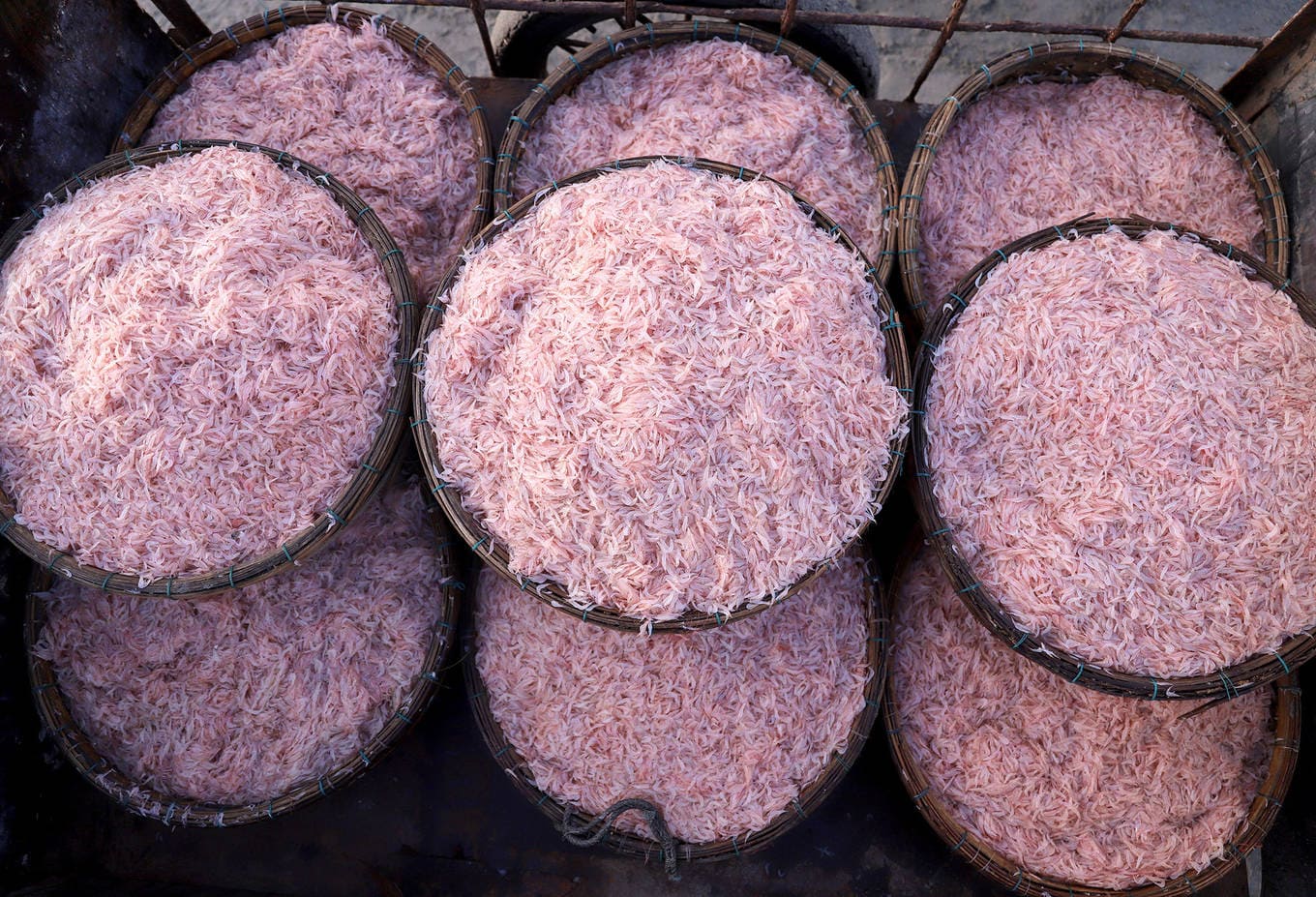
Traditional mam tom relies on surprisingly few ingredients: small marine shrimp (moi or ruoc) and sea salt. Some producers may add roasted rice powder or other traditional ingredients depending on regional practices, but the essence of mam tom remains rooted in the balance between fresh shrimp, salt, and time.
How Mam Tom is traditionally produced
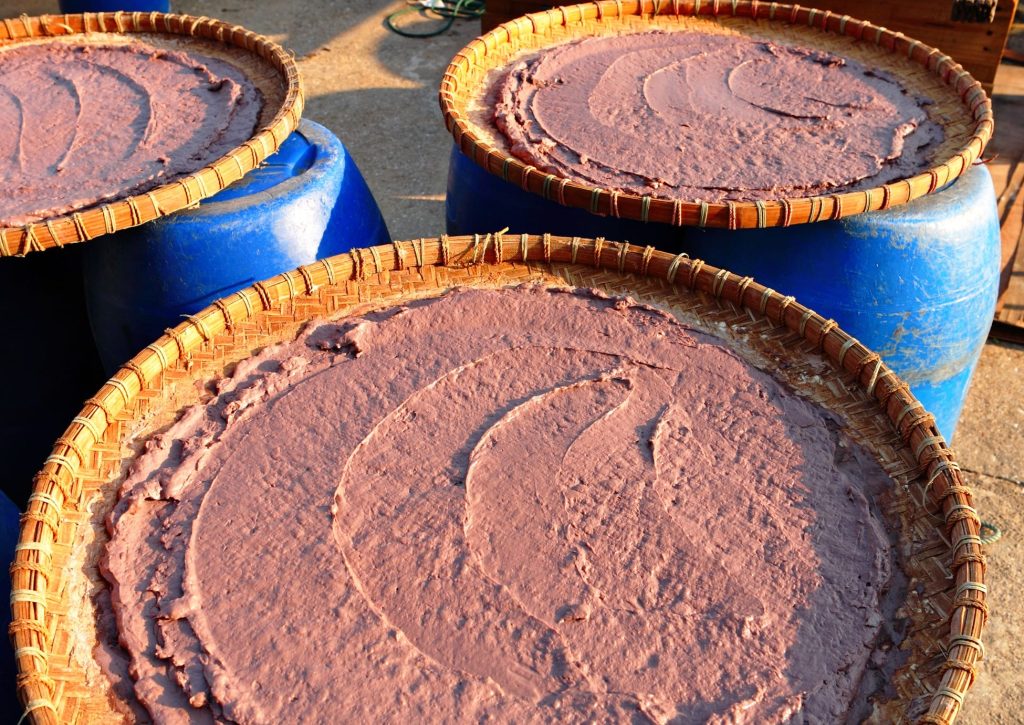
The production process begins with selecting fresh shrimp harvested from coastal waters. The shrimp are then mixed with aged sea salt at carefully controlled ratios before being fermented in earthenware jars, wooden barrels, or traditional containers. During fermentation, natural enzymes and microorganisms gradually break down proteins into amino acids, creating the deep umami flavor that defines mam tom.
Why time matters in fermentation
One of the most important factors determining the quality of mam tom is fermentation time. Traditional producers often ferment shrimp paste for six months to more than one year. This slow process allows flavors to mature naturally, resulting in greater complexity, a smoother texture, and the characteristic aroma that has become synonymous with Hanoi food culture.
Why does Mam Tom taste so different?
Few ingredients demonstrate the complexity of fermentation as clearly as mam tom.. Its flavor unfolds in layers:
- Salty and savory notes provide depth.
- Natural sweetness balances intensity.
- Fermentation creates complexity and umami.
- Marine flavors contribute minerality.
- Aromatic compounds create its unmistakable character.
This balance of intensity and complexity explains why mắm tôm has remained essential to Northern Vietnamese cuisine for generations.
How do people eat Shrimp paste (Mam Tom)?
For many first-time visitors, understanding how to eat mam tom can feel intimidating. In Northern Vietnam, however, the experience is as much about ritual as it is about flavor.
The proper way to enjoy Vietnamese shrimp paste
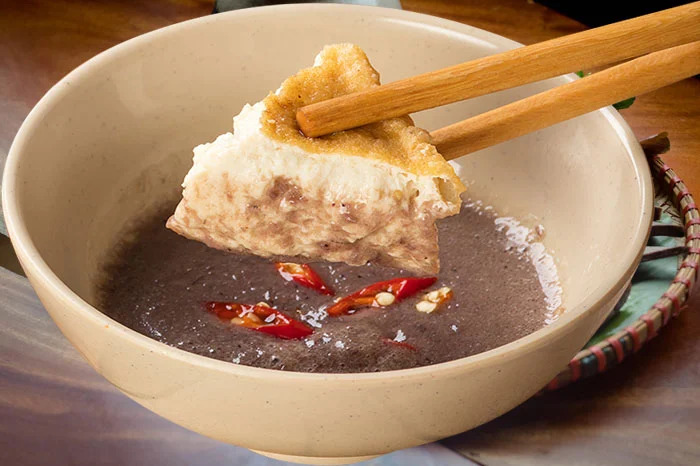
Locals rarely consume mam tom directly. Instead, they balance its intensity by adding lime juice, sugar, chili, and sometimes hot oil. The result is a sauce that reveals layers of sweetness, umami, acidity, and aroma, transforming one of Vietnam’s boldest flavors into a deeply satisfying culinary experience.
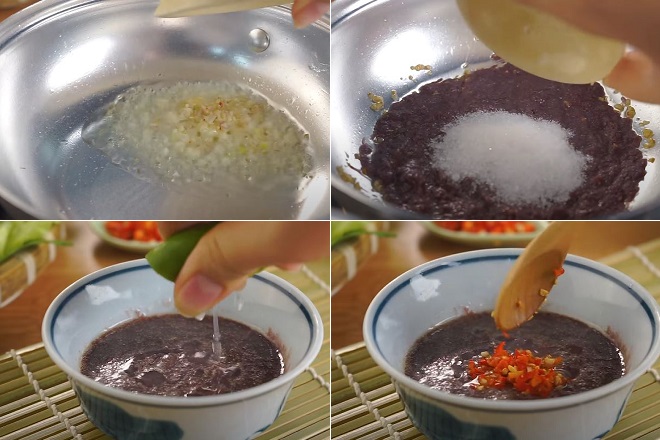
Bun dau mam tom: The most famous way to experience Vietnamese shrimp paste
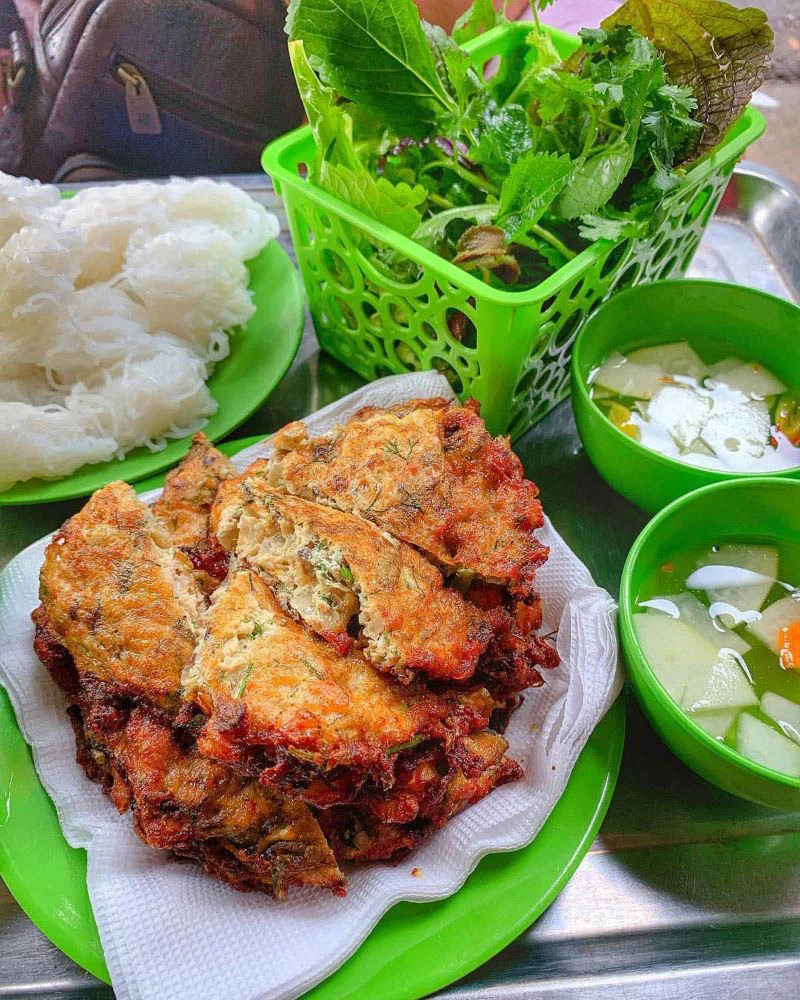
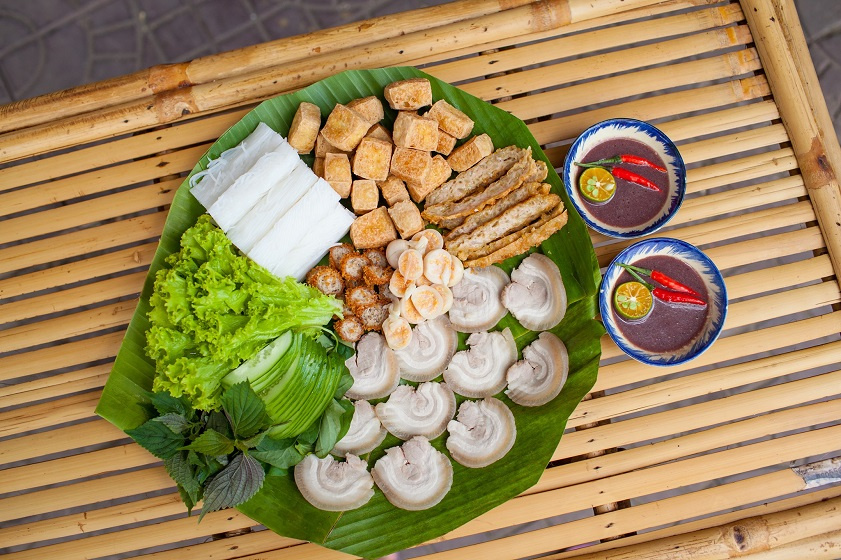
Perhaps the best-known pairing, bun dau mam tom combines fried tofu, vermicelli noodles, fresh herbs, and pork with a bowl of whipped mam tom. Before eating, diners traditionally mix the shrimp paste with lime juice, sugar, chili, and a few drops of hot oil until it becomes light, creamy, and aromatic.
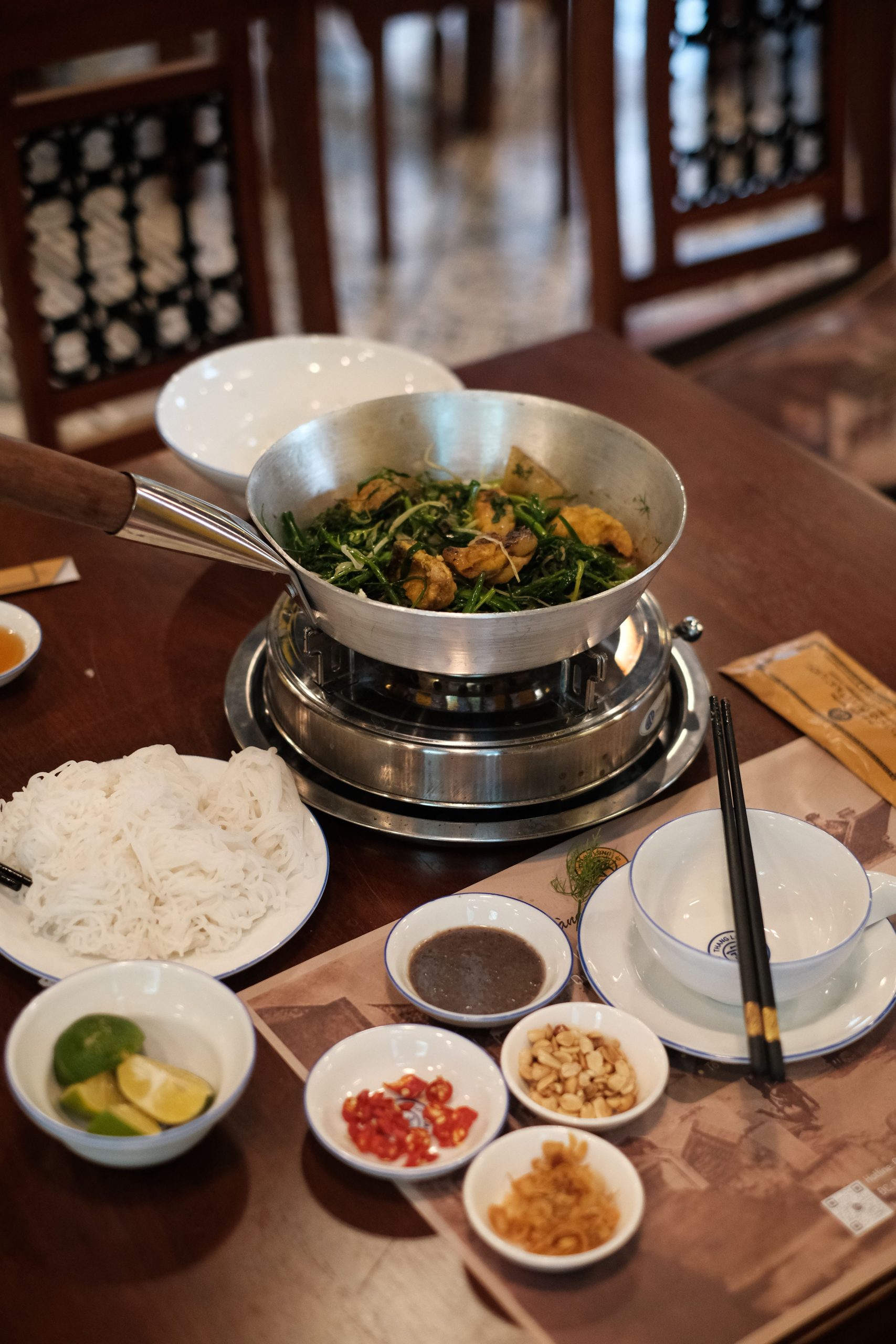
Cha ca and mam tom: A northern Vietnamese classic
In some traditional preparations of cha ca, the rich flavors of turmeric-marinated fish are balanced by the savory complexity of mam tom, creating one of the most iconic combinations in Northern Vietnamese cuisine.
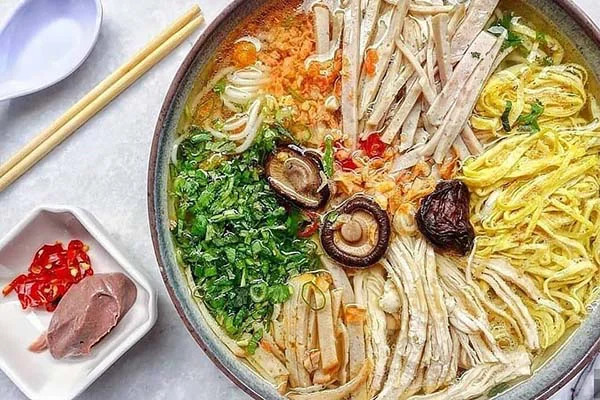
Although bun thang is often celebrated for its delicate broth and refined presentation, some traditional Hanoi diners enjoy enhancing the dish with a small amount of mam tom. Just a few drops of Vietnamese shrimp paste can add depth, umami, and complexity without overwhelming the subtle flavors of shredded chicken, egg, mushroom, and herbs.
Why travelers should try Mam Tom at least once
For travelers visiting Hanoi, trying Vietnamese shrimp paste is about more than tasting an unfamiliar ingredient.
It is an opportunity to experience:
- The history of Northern Vietnam
- Traditional preservation techniques
- Local food rituals
- The complexity of Vietnamese flavor balance
- The cultural identity of Hanoi food culture
While some visitors encounter mắm tôm through street food, others discover it through contemporary interpretations that reveal new dimensions of its flavor. Either way, it often becomes one of the most memorable tastes of their journey.
From street food to contemporary Vietnamese cuisine
More than simply a fermented condiment, mam tom represents history, geography, craftsmanship, and community. Its bold character continues to define Hanoi food culture, while inspiring new generations of chefs and diners to explore the richness of Northern Vietnamese cuisine.
At Chapter Dining, the philosophy of contemporary Vietnamese cuisine begins with understanding ingredients that define Northern Vietnam’s culinary identity. Through seasonality, storytelling, and respect for tradition, familiar flavors can be rediscovered in entirely new ways.
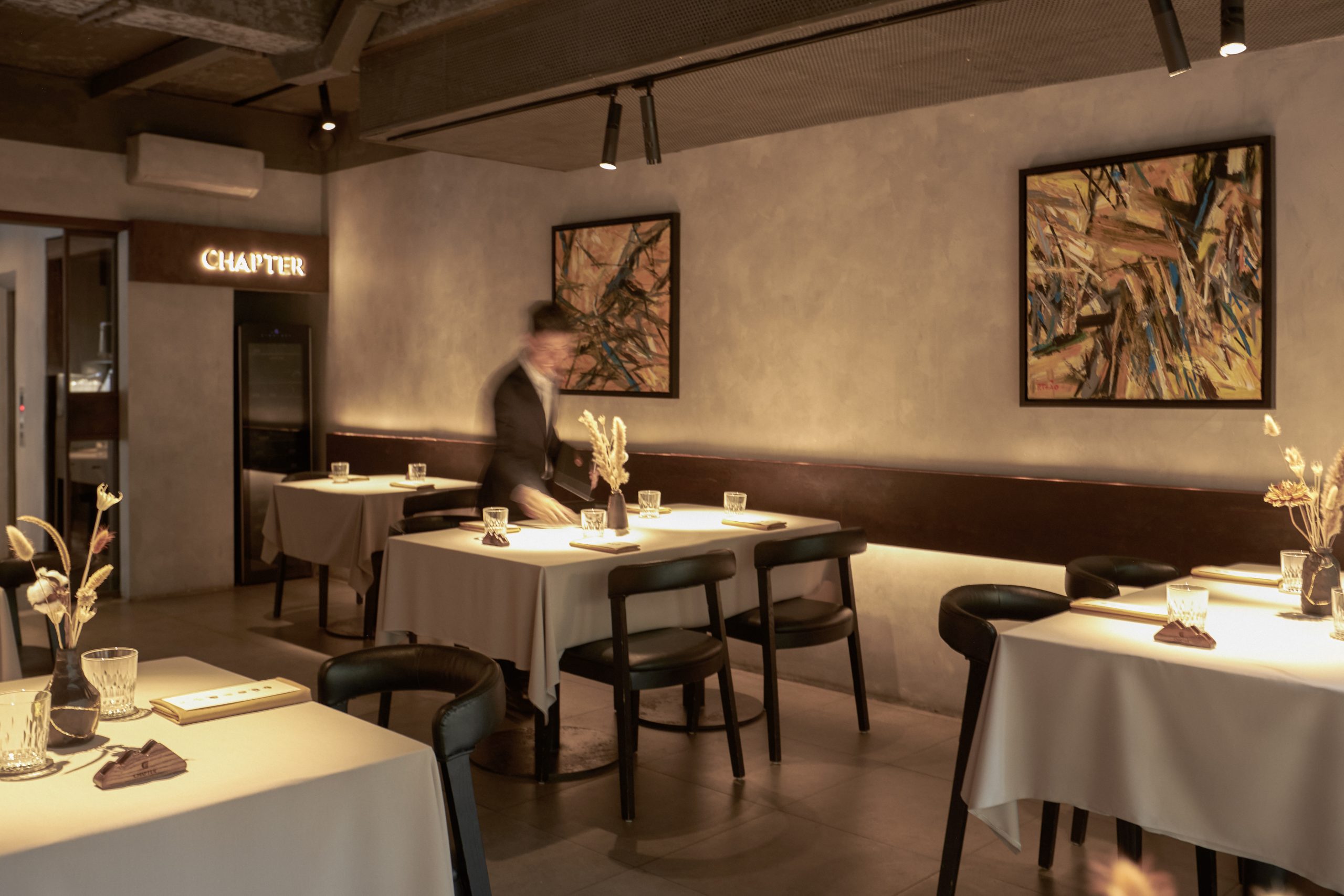
For guests seeking a deeper understanding of Vietnam’s culinary heritage, Chapter Dining invites you to experience how stories, traditions, and ingredients come together through contemporary Vietnamese cuisine. Reserve your table and discover the next chapter of Northern Vietnam’s culinary journey.
_________
Chapter Dining
12C Chan Cam, Hoan Kiem, Hanoi
Mon – Sat from 18:00 – 23:00
Tel: +84 333 201 221 – Reserve a table
Email: reservation@chapter.vn